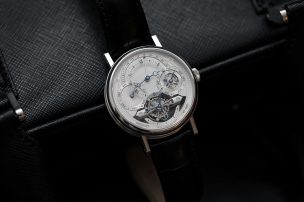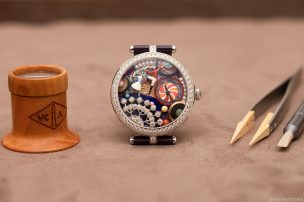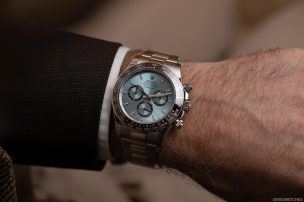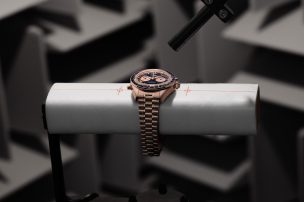
Panerai presents the limited edition Luminor 31 Giorni PAM01631 with a 31-day power reserve, Goldtech case and new hand-wound calibre.

At Watches & Wonders 2026, Piaget is focusing on the combination of precious stones and horological expertise. The range of new releases, featuring prominent use of gemstones on the dials, extends from the Altiplano Ultimate Concept Tourbillon to the Piaget Polo and the Piaget Polo 79, right through to the Andy Warhol.
With its new watches featuring gemstone dials, Piaget showcases a wide range of designs, reflecting the Swiss brand’s typically multifaceted and jewellery-inspired style. Extraleganza – a term combining ‘extra’ (striking, extravagant) and ‘eleganza’ (Italian for elegance) – is the theme of the new Piaget Polo collection. The Piaget Polo 79 and the Andy Warhol models exude 1970s charm, whilst the ultra-thin Altiplano Ultimate Concept Tourbillon emphasises its technical appeal with precious gemstones.
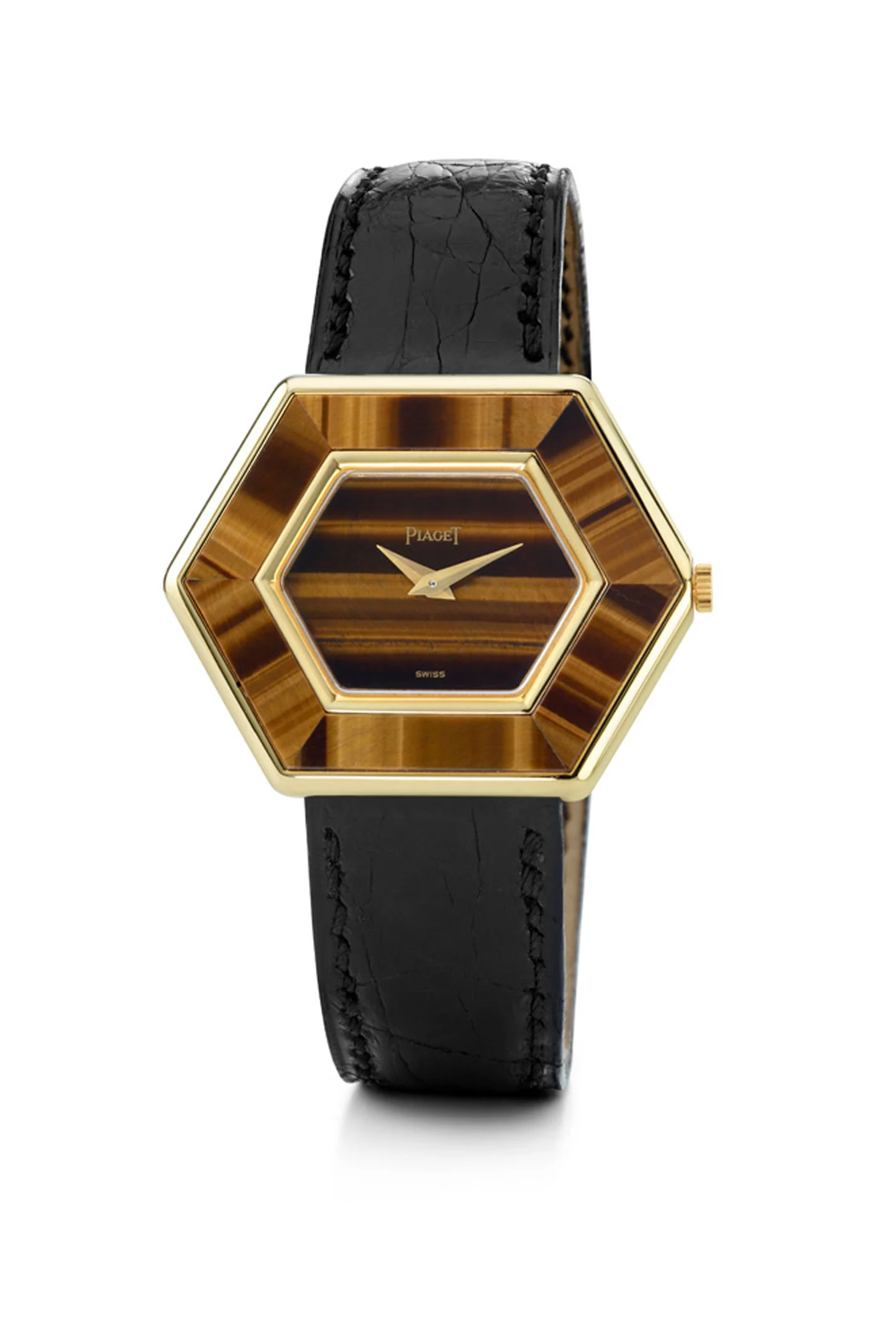
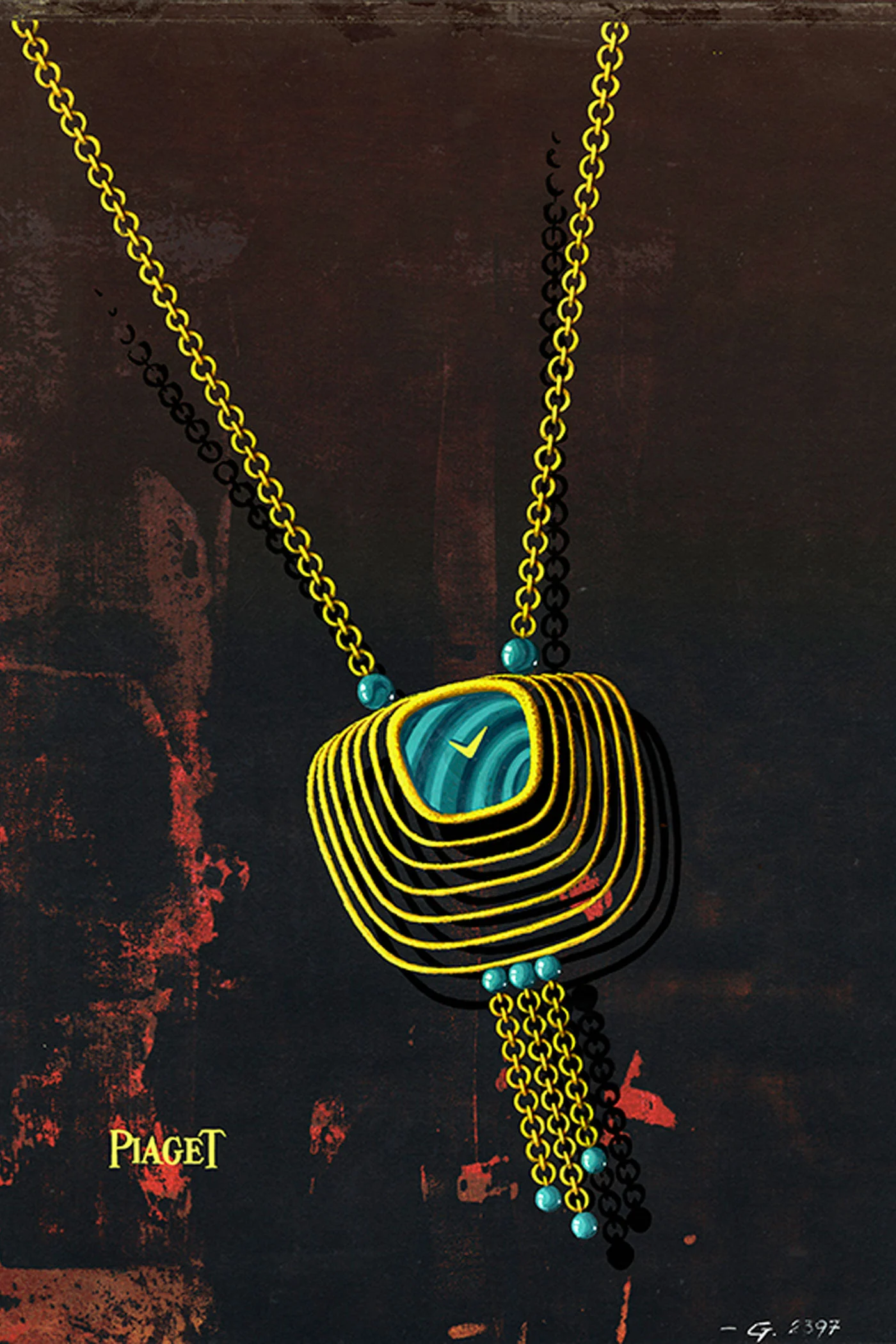
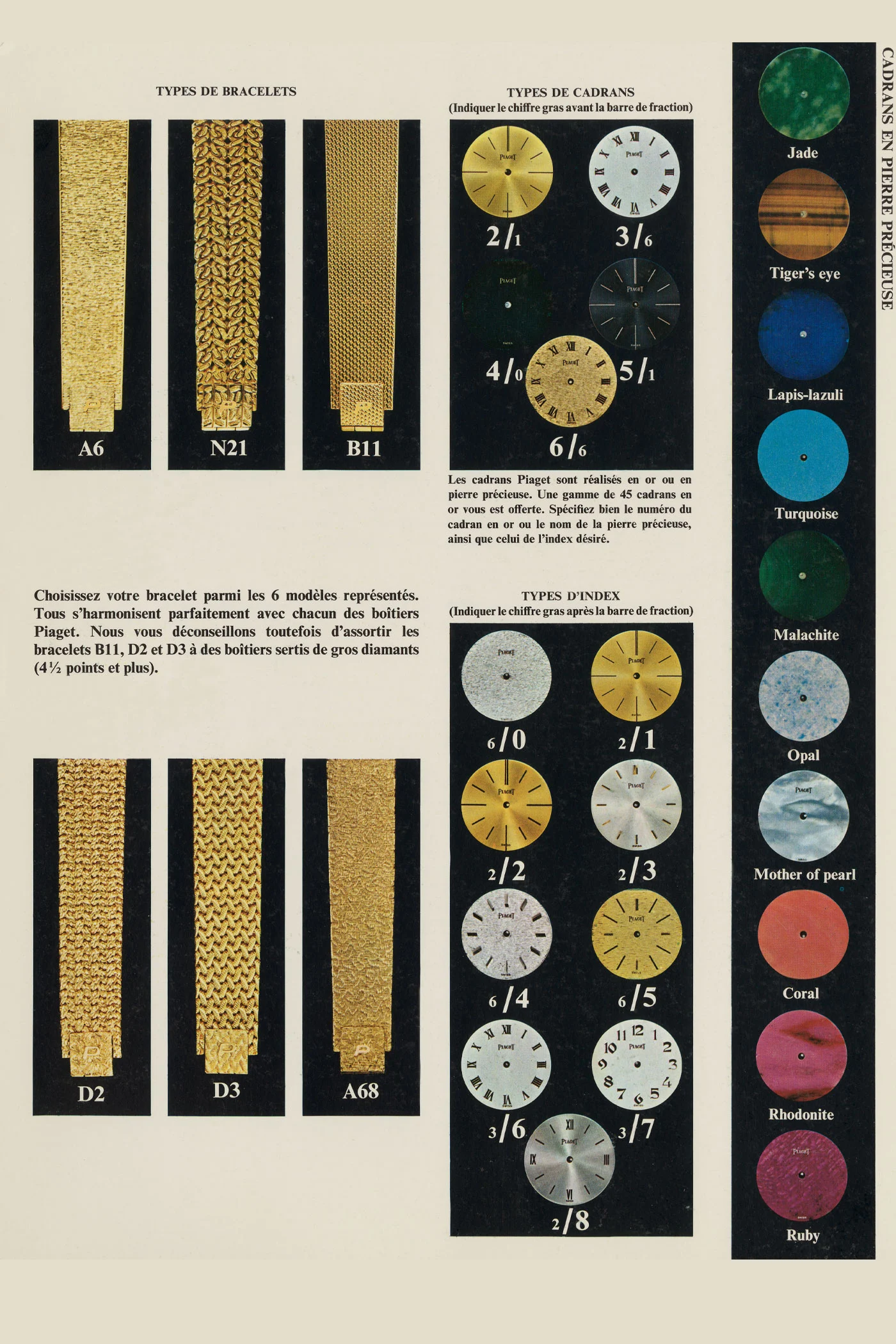
Piaget is thus continuing a tradition that dates back to 1963. It was then that the manufacture began producing so-called ‘hardstone dials’ – dials made from gemstones such as lapis lazuli, turquoise, malachite, tiger’s eye, mother-of-pearl, jade, opal and onyx. In doing so, Gérald and Valentin Piaget, grandsons of the company’s founder Georges-Édouard Piaget, set the course for the brand’s rise to become an international luxury label. The fusion of goldsmithing and watchmaking led to a new kind of luxury watch for men and women.
Their casual opulence struck a chord: with the luxury-loving clientele of the 1960s and 1970s, as well as with the film and art world celebrities of those decades marked by cultural upheaval. The variety of gemstones also inspired Piaget to create the Style Selector, which allowed the case shape, dial, bracelet and gemstone setting to be customised.
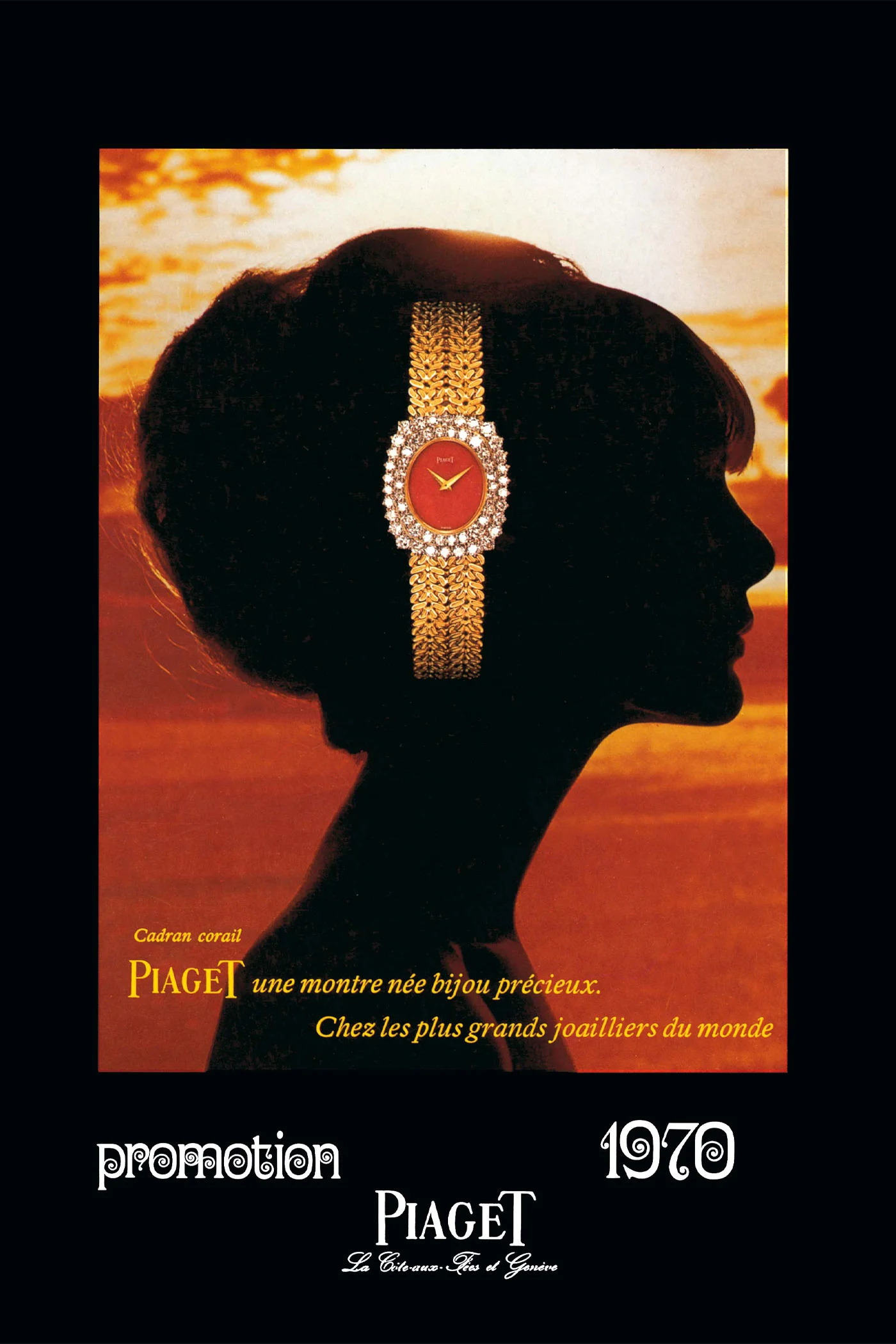
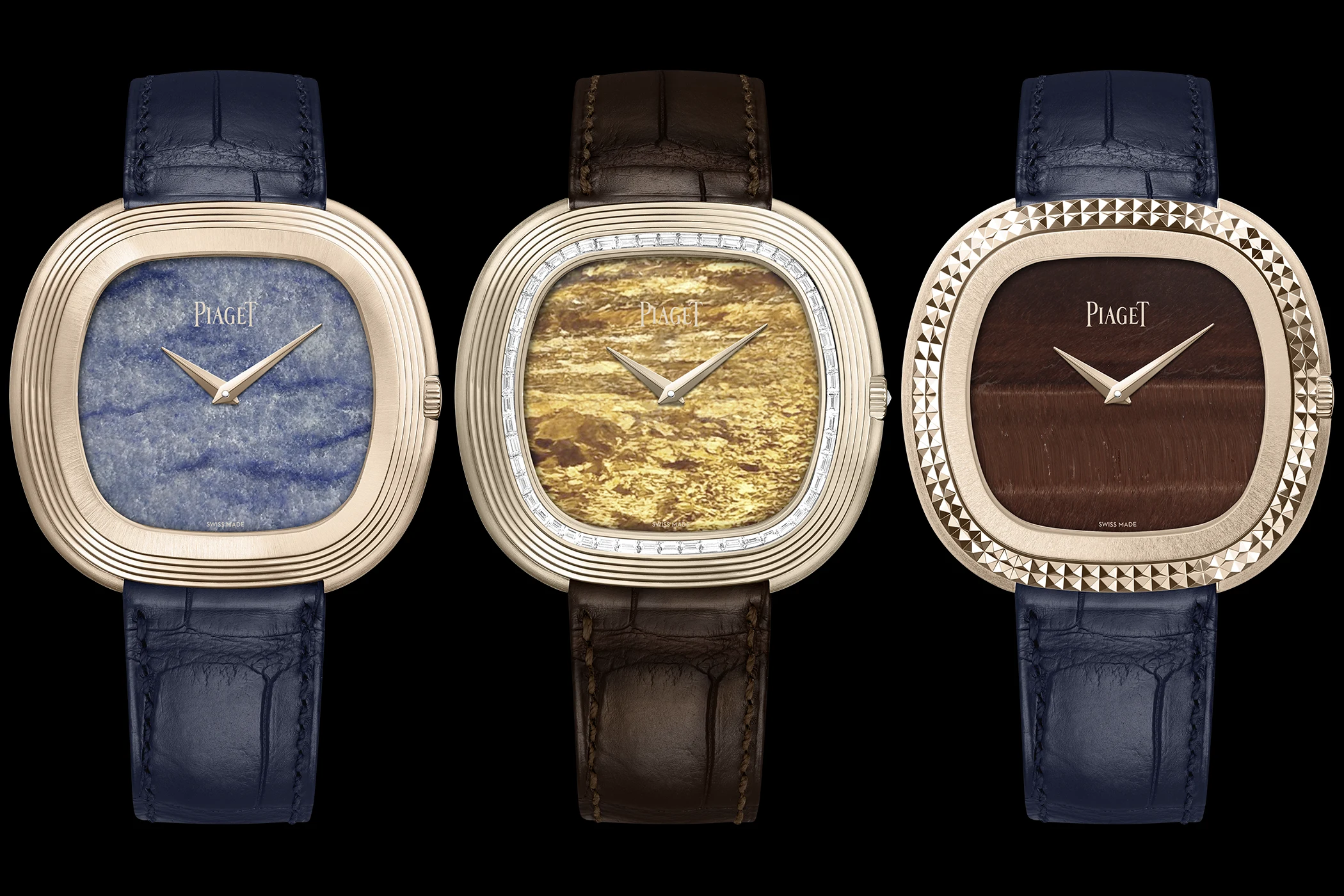
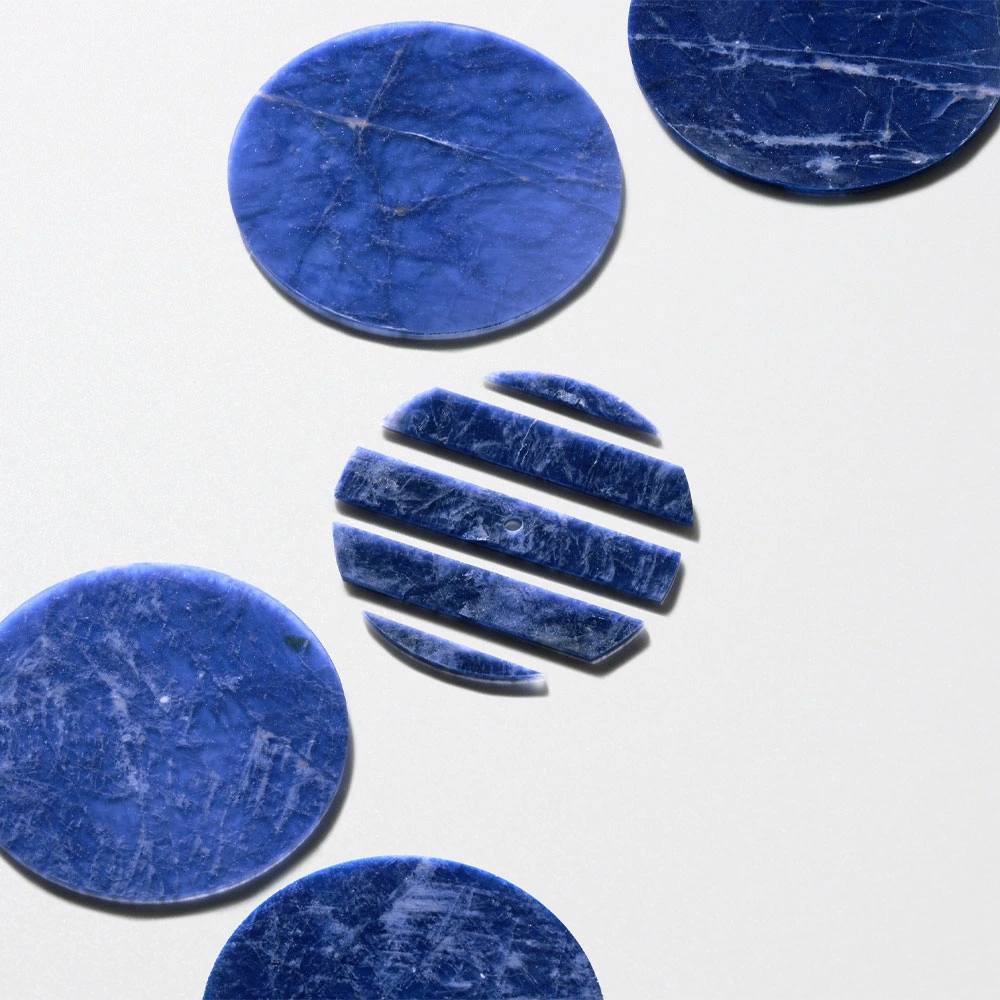
Piaget celebrates this heritage at Watches & Wonders 2026 with blue sodalite, gold and reddish-brown tiger’s eye, and metallic-sheen bronzite – brought together under the evocative title “Saga Ornamental Stones”. The new timepieces benefit from the brand’s extensive experience in this field, which enables the stones to be cut to a thickness of just 0.4 millimetres and polished to a high gloss, specifically to highlight their individual grain patterns.
With this Altiplano Ultimate Concept Tourbillon, the designers have succeeded in retaining the watch’s technical aesthetic despite the use of gemstones, rather than obscuring it – on the contrary: the understated use of golden-brown tiger’s eye emphasises the unique construction, in which the case, movement and dial are designed not as separate units but as an integrated module.
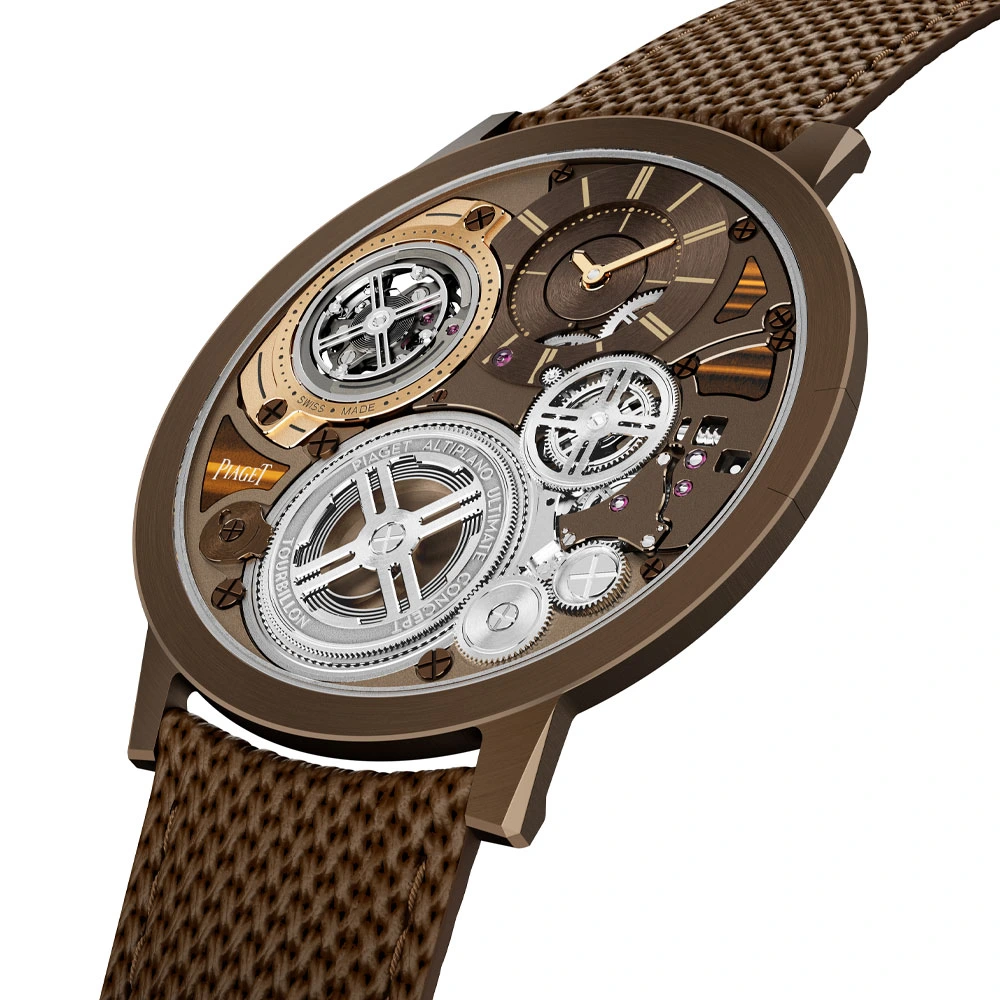
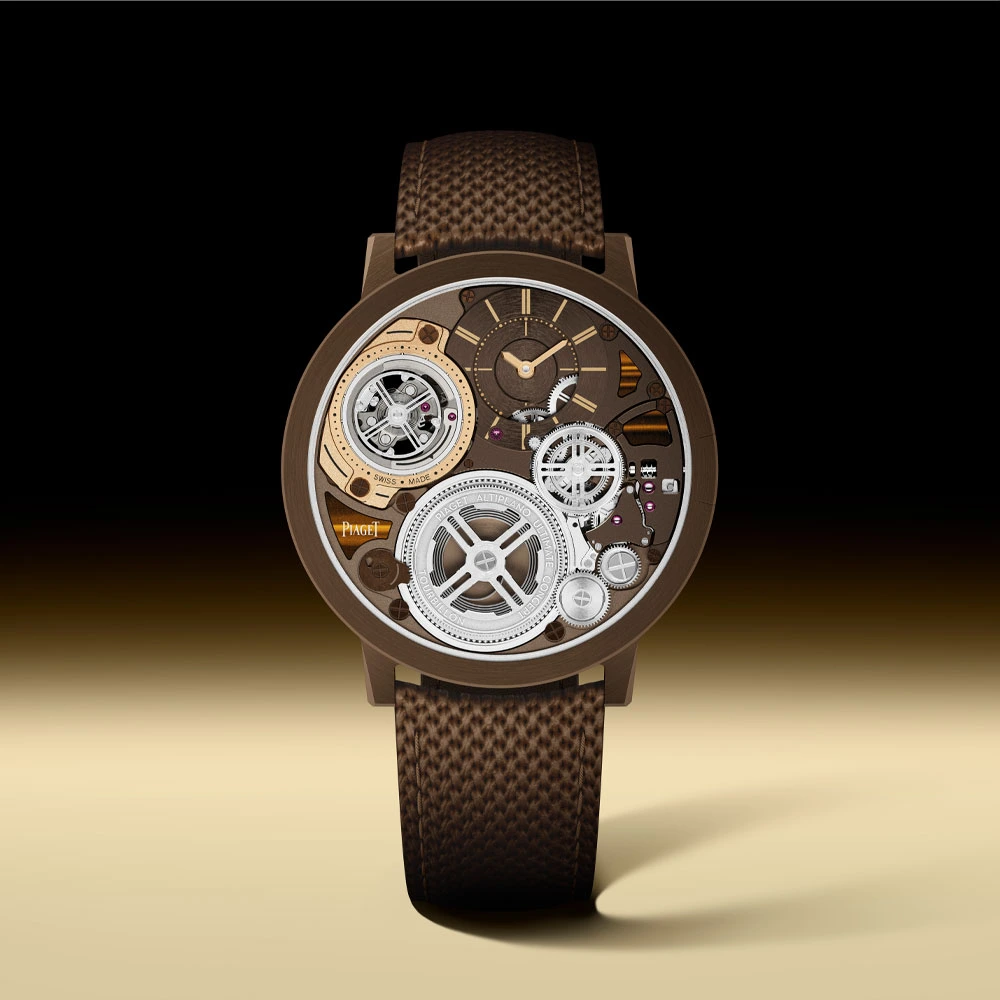
Consequently, the various components are arranged side by side rather than one on top of the other. Elements made of tiger’s eye have been perfectly integrated into this structure. To remove any assembly residue, Piaget uses a needle just 0.15 millimetres thick to prevent damage to the stones. To achieve this, Piaget combines a brown cobalt alloy in a matching shade with rose gold.
Inspired by the Style Selector from the 1960s, other combinations are also available. You can choose from three additional case colours, as well as the gemstones sodalite, jade and onyx.
Otherwise, the Altiplano Ultimate Concept Tourbillon – one of the thinnest tourbillon watches in the world – impresses with its well-known features and dimensions of 41.5 × 2 millimetres.
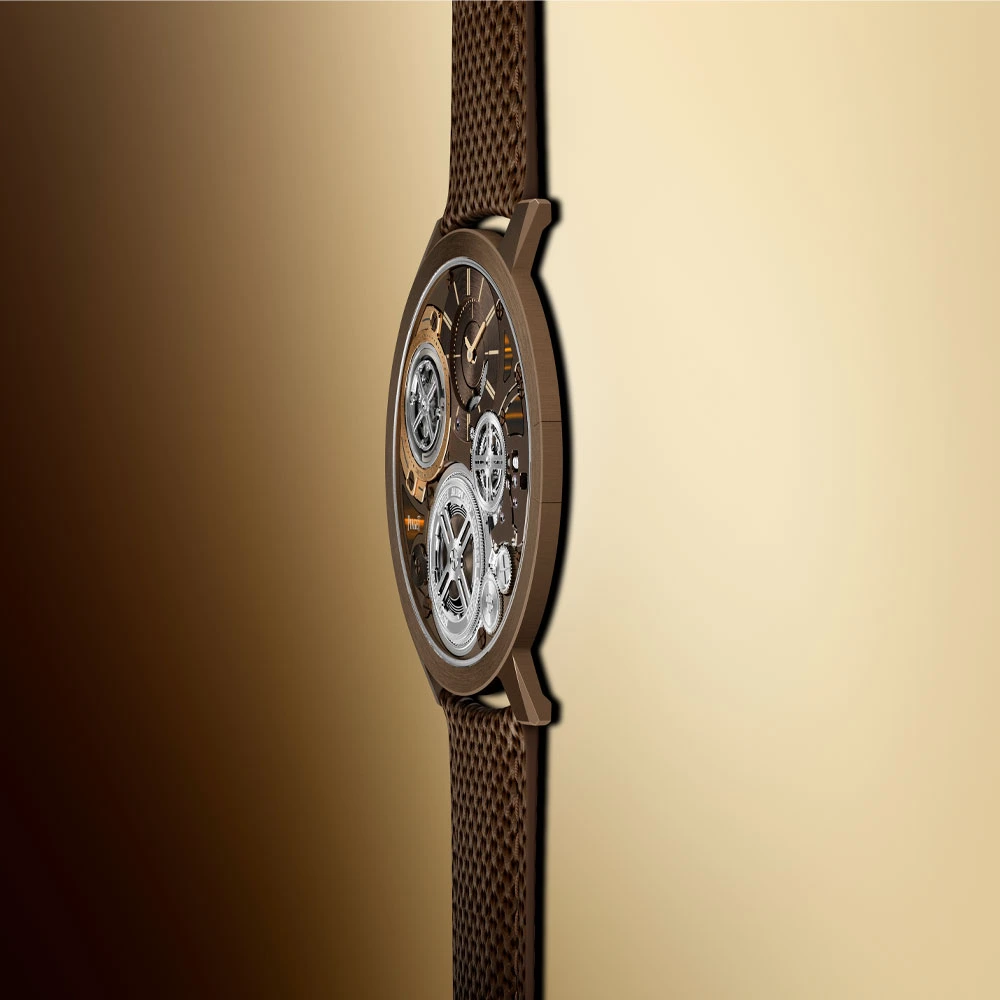
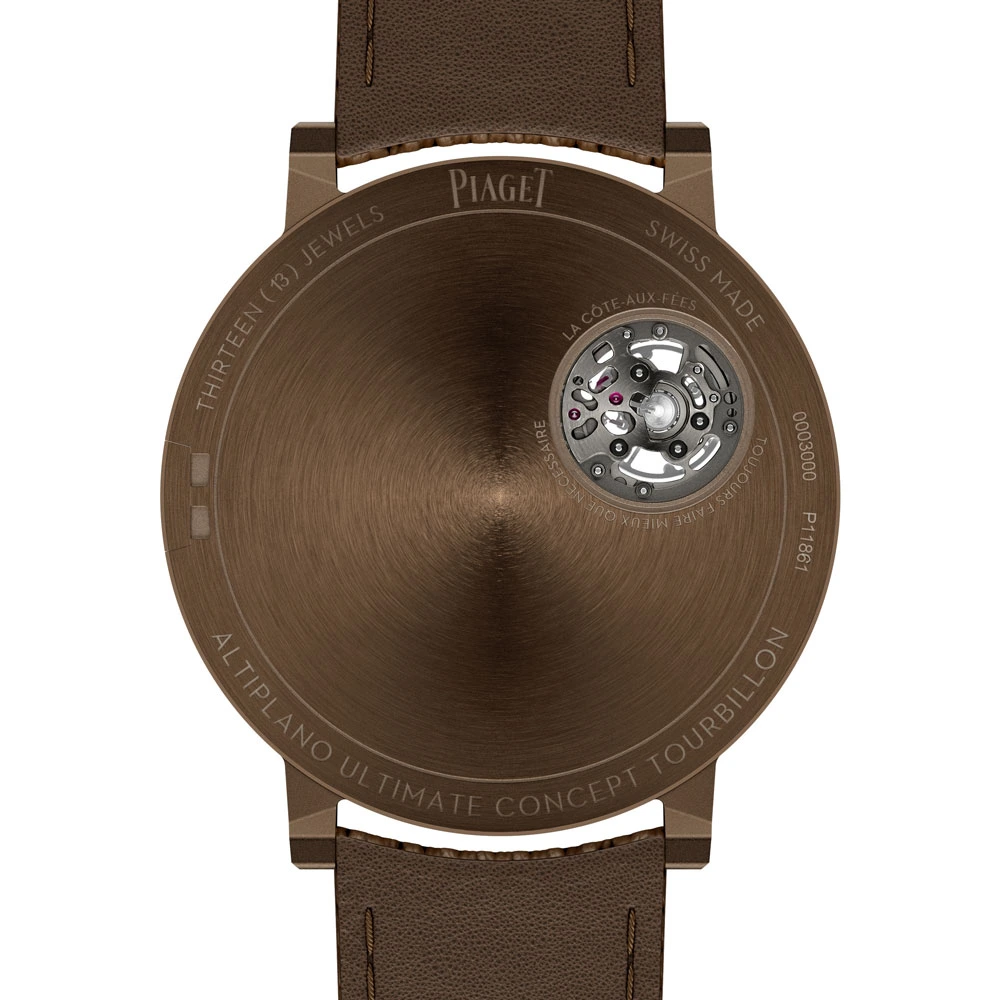
The ultra-thin hand-wound calibre 970P-UC beats at a frequency of 4 hertz (28,800 vph) and offers a power reserve of at least 35 hours. It is worn on a brown calfskin strap with a mesh structure and a Kevlar core. The price in Germany is 750,000 euros.
Named after the year of its creation, the Piaget Polo 79 made its debut at a time when there was growing demand for sportier watches. Piaget’s response was to clothe sportiness in gold rather than elegance in stainless steel.
The 2024 reissue also featured exclusively precious metals. Yellow gold was followed a year later by white gold, and last year by a two-tone Piaget Polo 79.
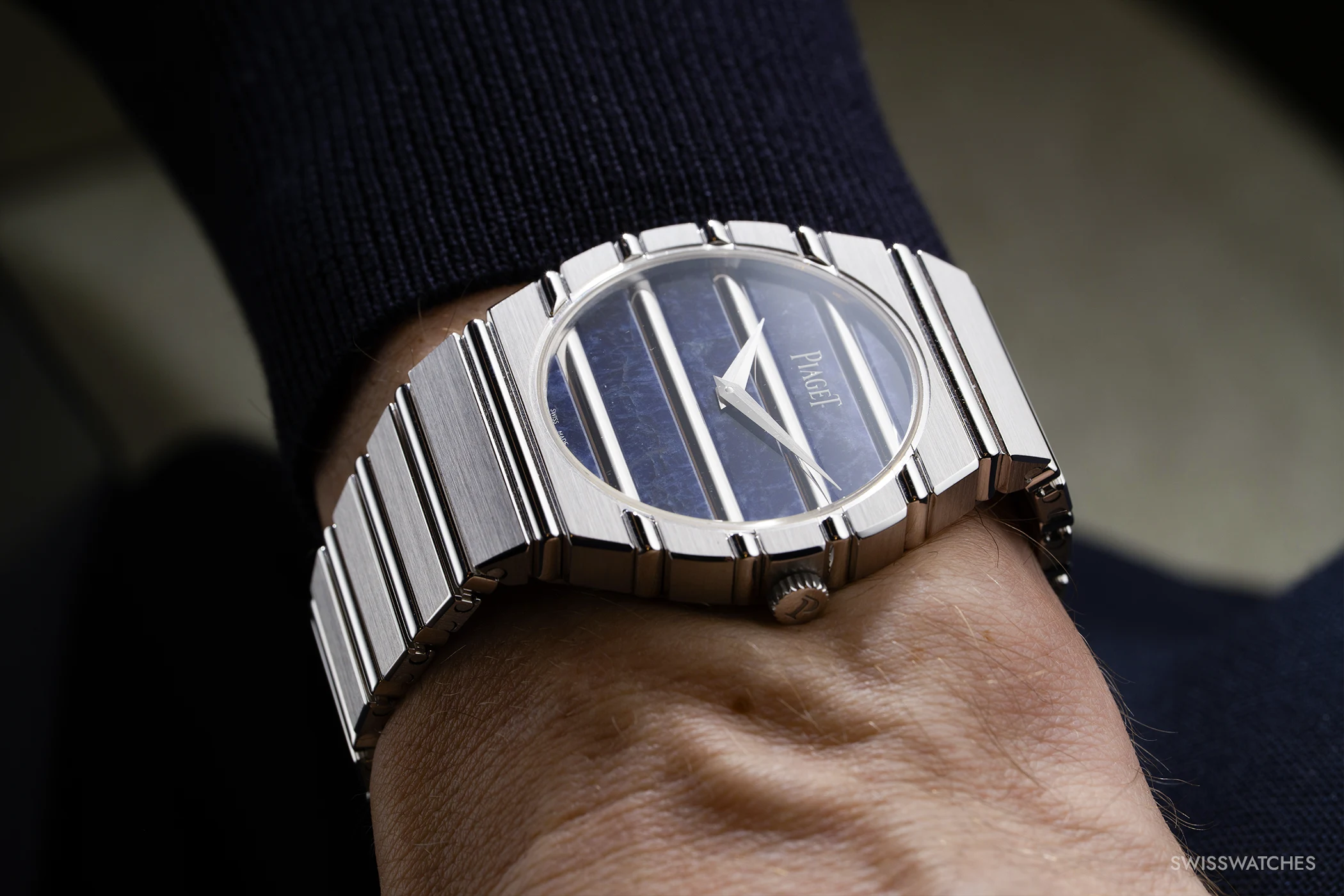
In 2026, the watch also boasts an elegant dial, featuring the blue gemstone sodalite from the silicate mineral group. Characteristic of this stone are the white or grey veins of calcite, which make each stone unique – and thus every dial of the Piaget Polo 79 as well.
Complementing the 38-millimetre white gold case, which is water-resistant to five bar, the dial features the characteristic godronning (decorative grooves) that break up the blue sodalite and give the two-hand watch its geometric, graphic look.
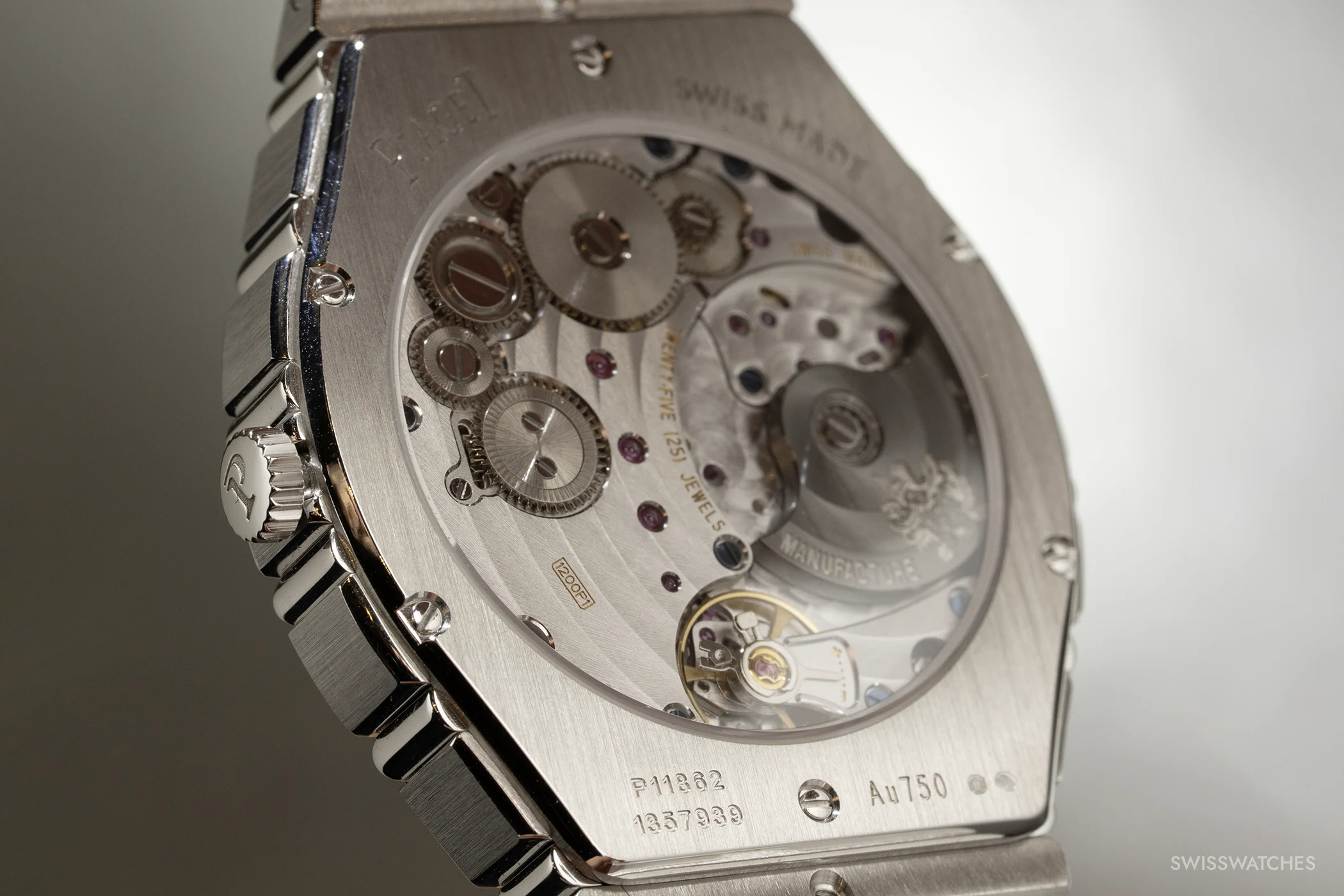
Furthermore, the Piaget Polo 79, with a case thickness of 7.45 millimetres, retains its familiar design with a fully integrated bracelet and the inner workings of its predecessor. The in-house 1200P1 calibre with automatic winding operates at a frequency of 3 hertz (21,600 vph) and offers a power reserve of 44 hours. The price in Germany is €102,000.
The Piaget Polo was launched in 2016, featuring a completely new, distinctive design, and filled the gap in Piaget’s range at the time for sporty yet elegant stainless steel watches. The Piaget Polo has been and continues to be available in various versions, including those made from precious metals and now also with a blue gemstone dial in the characteristic cushion shape.
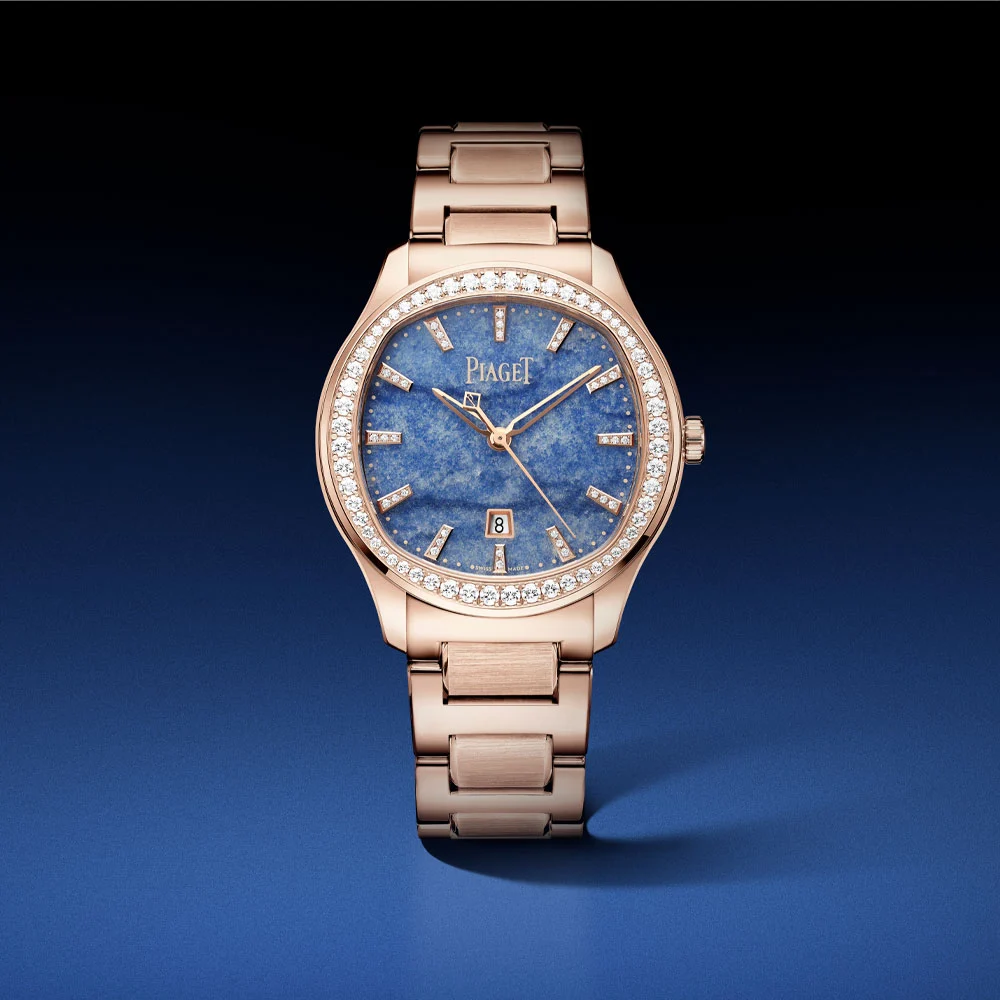
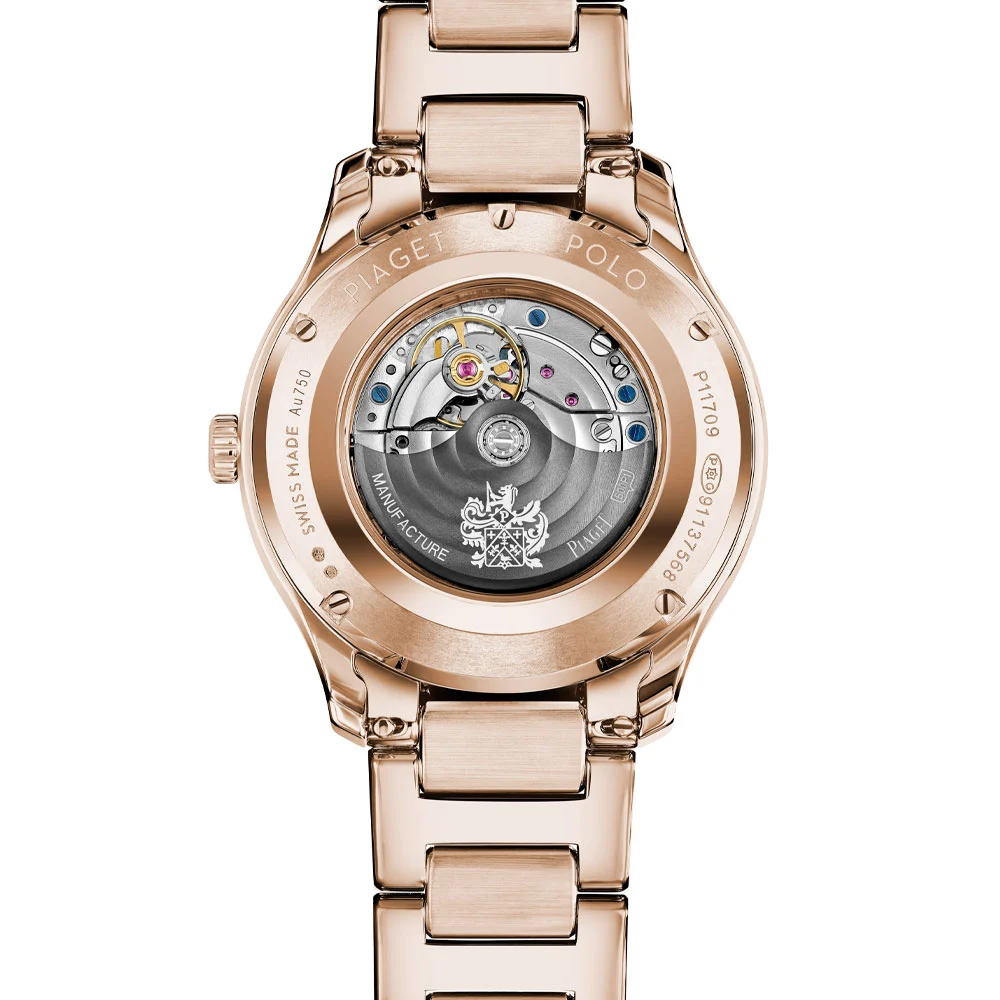
Measuring 36 × 8.8 millimetres and water-resistant to five bar, the case combines rose gold with a diamond-set bezel and matching hour markers. Inside, the automatic in-house calibre 500P1 operates at 4 Hz and offers a 40-hour power reserve. Worn on a rose gold bracelet, this Piaget Polo retails for €70,500 in Germany.
Today’s Andy Warhol collection is based on the historic model 15102, better known as the ‘Black Tie’. It is closely associated with the Pop Art artist Andy Warhol, who was a prominent member of the so-called Piaget Society and maintained a close relationship with Yves Piaget. Warhol owned several watches from the brand; the best known is the ‘Black Tie’.
Following a series of reinterpretations from 2014 onwards, the line was not officially established as the Andy Warhol collection until 2024. The dial of the two-hand watch had already been adorned with numerous gemstones, as well as meteorites. Three new variants have now been added, featuring blue quartz, metallic-sheen bronzite and reddish tiger’s eye.
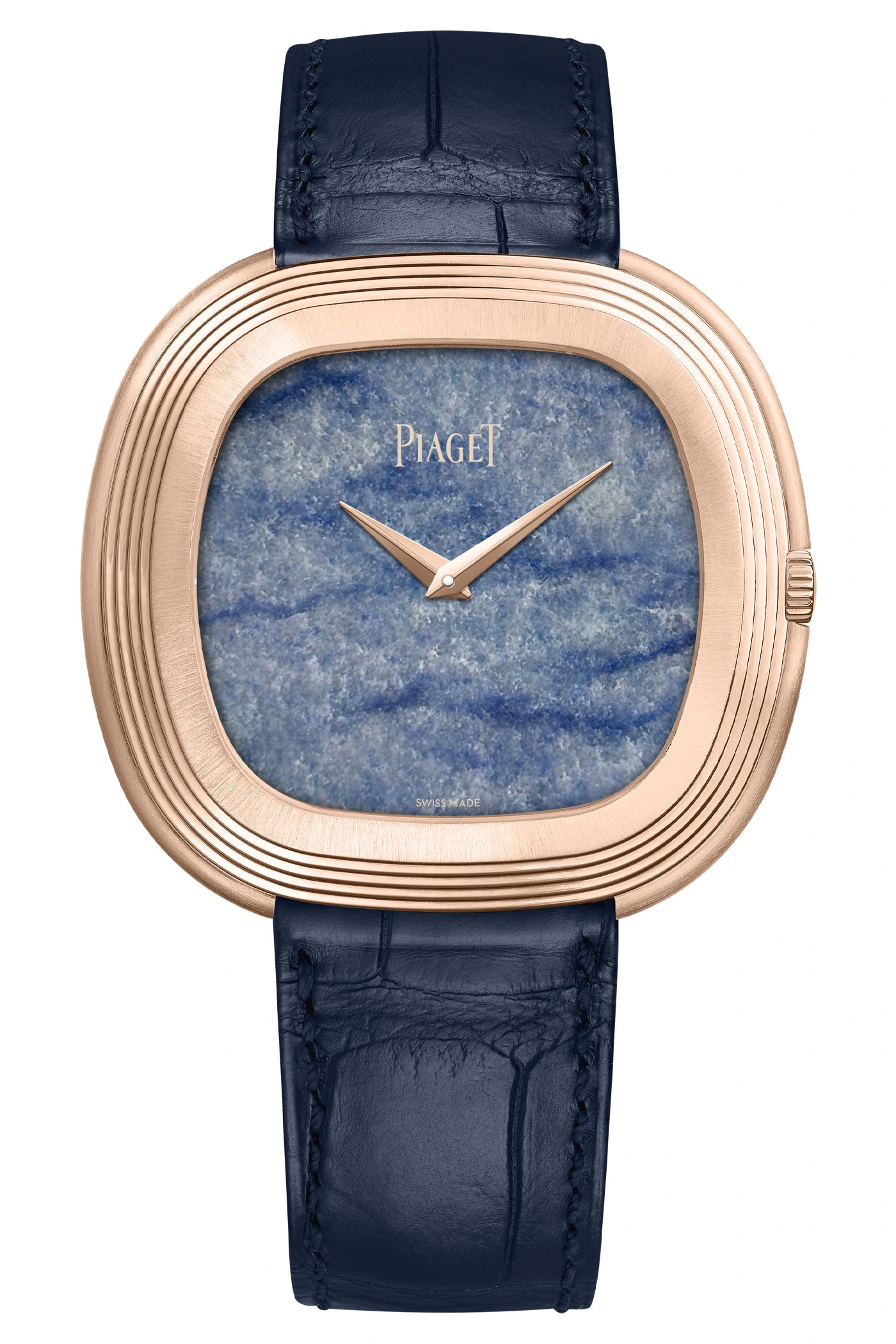
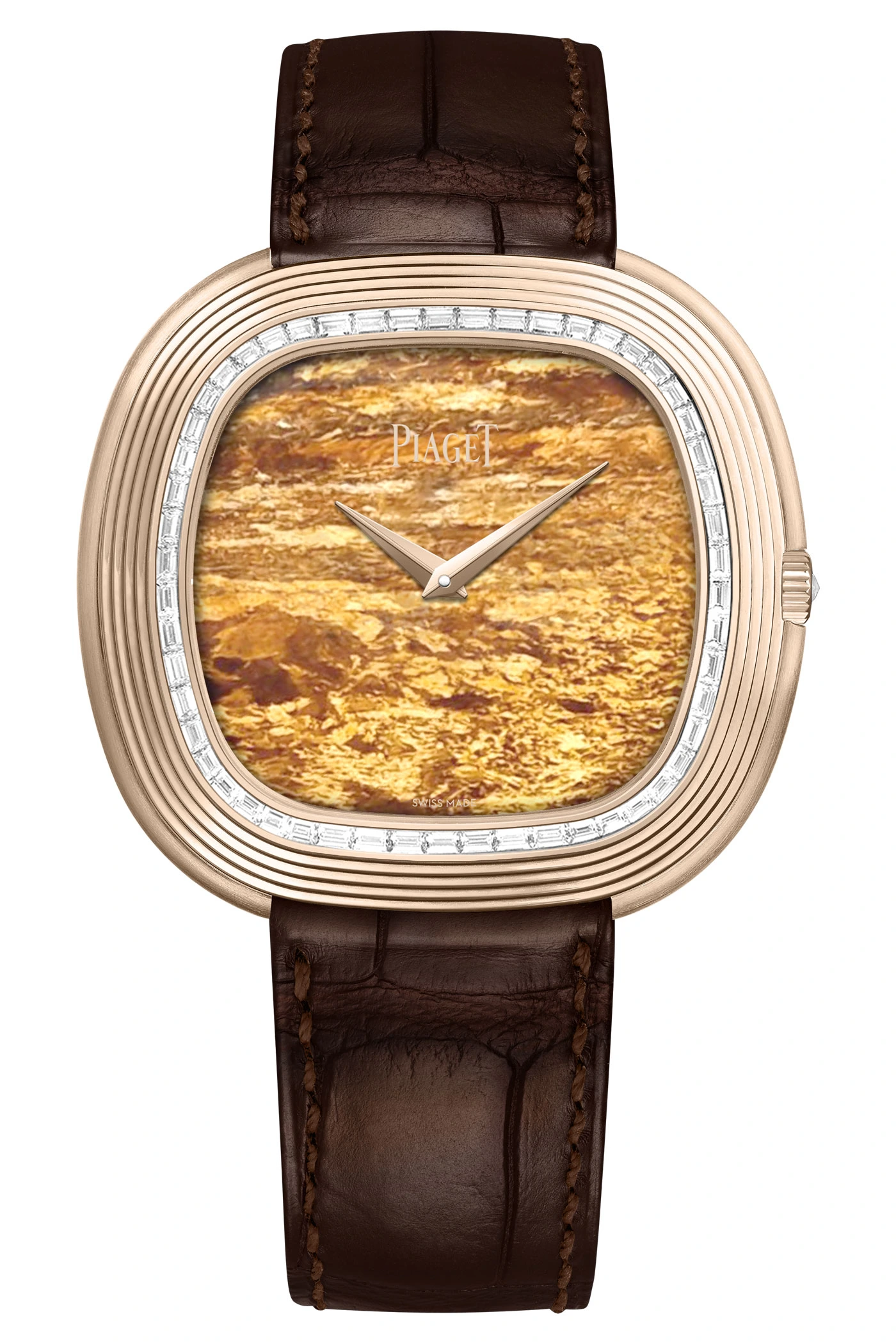
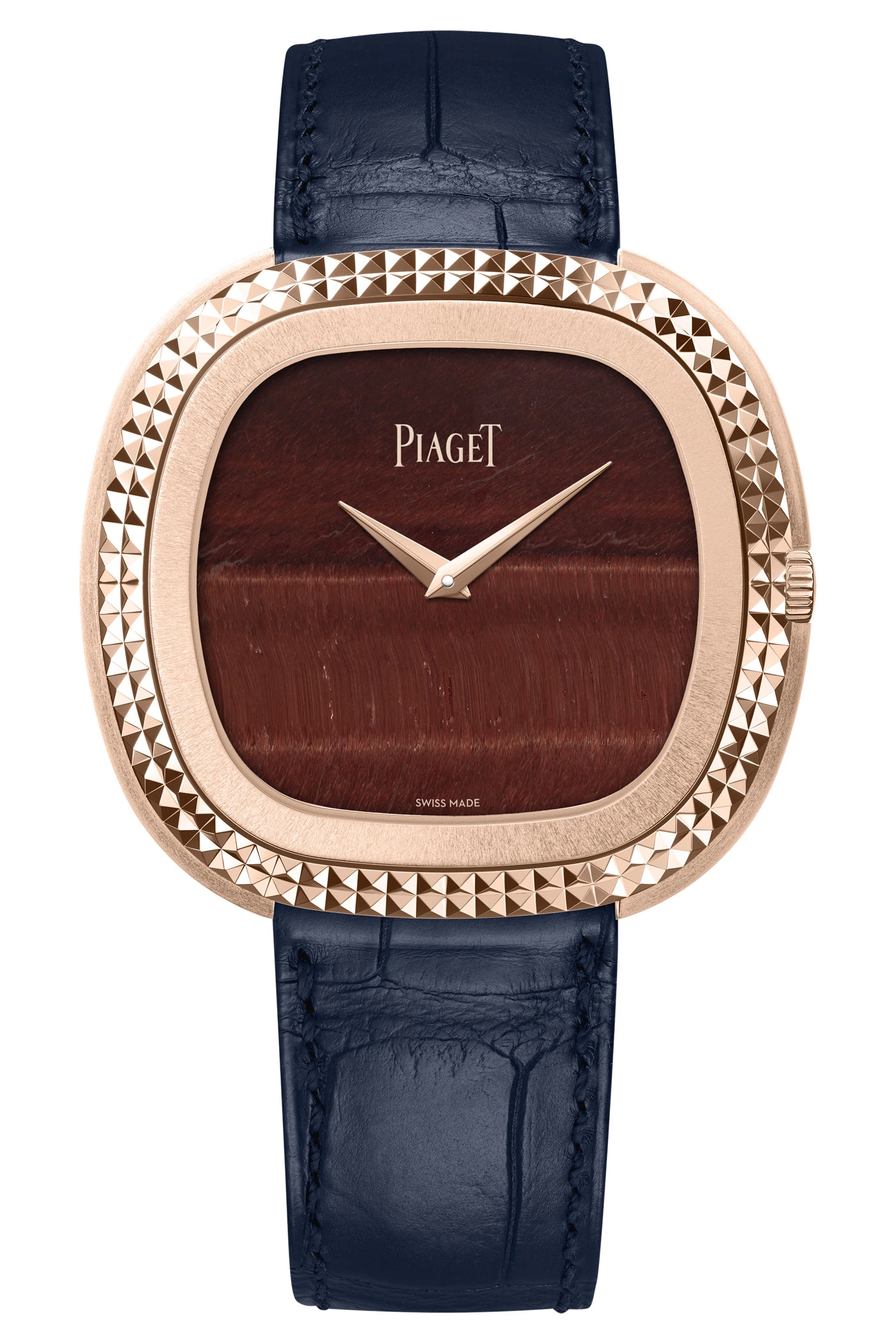
The three versions also differ in terms of their cushion-shaped case (45 × 43 mm). Whilst the blue version is paired with rose gold, the bronzite version also features a diamond-set bezel. The dial, crafted from reddish tiger’s eye (also known as ‘Bull’s Eye’), is likewise surrounded by rose gold and features a Clous de Paris decoration – a pyramid-shaped relief pattern.
Prices in Germany are €58,000 for the version with a blue dial, €60,500 for the tiger’s eye version and the Andy Warhol Bronzit version with diamonds costs €125,000.