The 2026 Geneva watch auctions show that Cartier, Patek Philippe and rare vintage watches are driving collector’s prices to record levels.
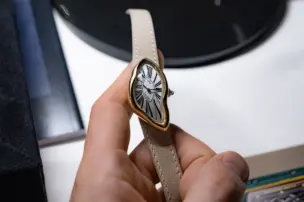
Mikrorotoren ermöglichen flachere Uhrwerke, legen die Architektur des Werks offen und verbinden technische Raffinesse mit hoher Ästhetik. Wir stellen die spannendsten aktuellen Neuheiten mit Mikrorotor vor.
Let’s start with a special case of the micro-rotor: the three-quarter rotor, which is larger than a micro-rotor. Unlike a conventional central rotor, which sits on top of the movement and largely obscures it, the three-quarter rotor is more compact in design and more deeply integrated into the movement’s architecture.
Put simply, the three-quarter rotor combines a flat design with the most efficient energy transfer possible. Whilst we classify it here as falling between a micro-rotor and a central rotor, others, from a design perspective, continue to regard it as a central rotor rather than an integrated micro-rotor; we provide a detailed account of its history and how it works here.
The reason we are including it nonetheless is Universal Genève. This long-established Swiss brand, which has only just been revived, is one of the pioneers of microrotor technology – yet its latest collections feature a three-quarter rotor. Interestingly, Universal Genève itself refers to the new automatic calibres UG-110 and UG-200 as microrotor movements.
Universal Genève chose the Calibre 215, introduced in 1958 and which also powered the Polerouter designed by Gérald Genta, as the first movement to house its in-house micro-rotor. To mark its comeback this year, the brand is now presenting eight versions of the Polerouter – including six models measuring 39 x 9.5 millimetres and two further versions measuring 37 x 9.35 millimetres.
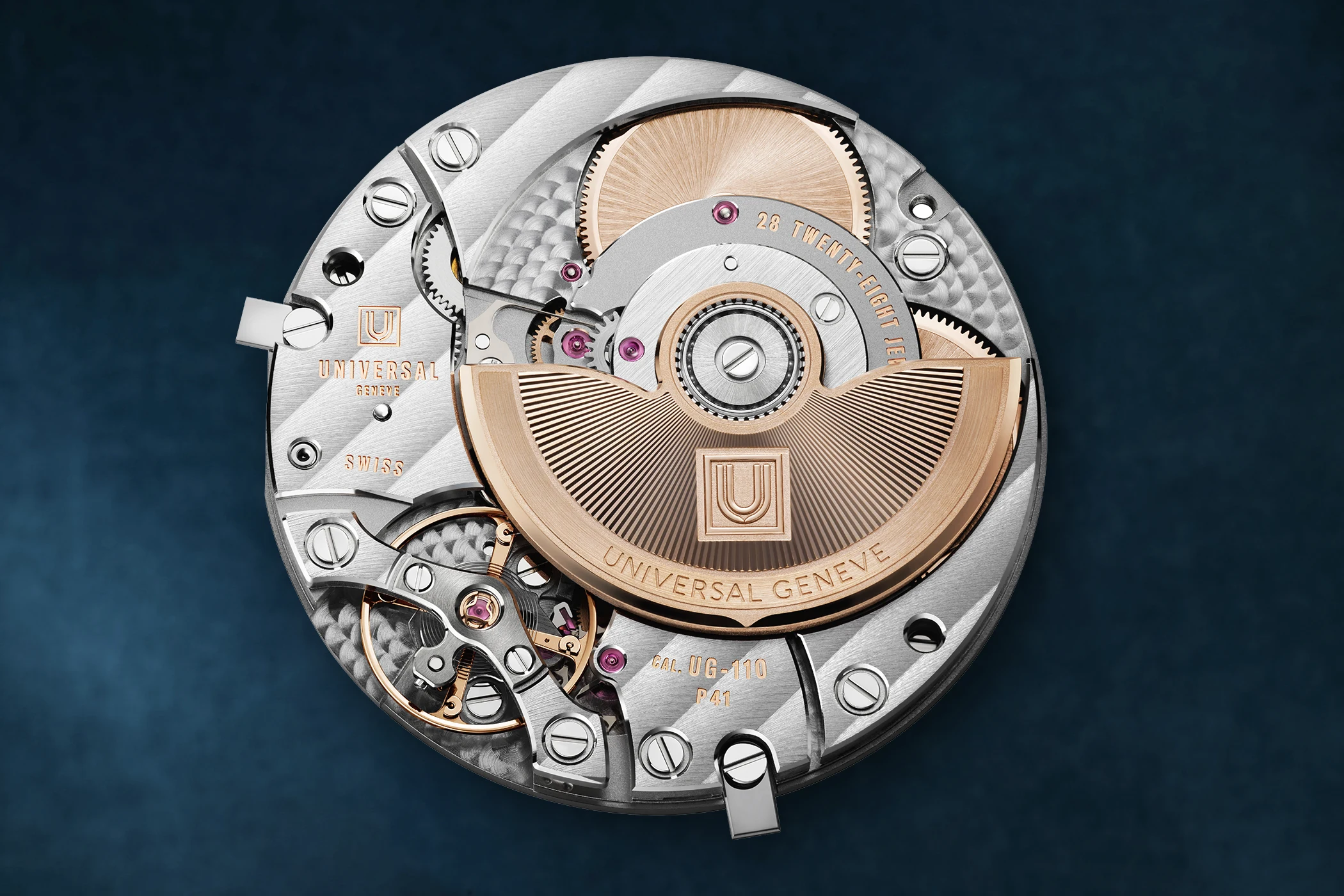
The watch is powered by the new 4-hertz UG-110 calibre, which, thanks to its dimensions of 32 x 3.8 millimetres, fits into both case sizes. It is equipped with a three-quarter rotor and offers a power reserve of 72 hours. Although the design and development are entirely based on the brand’s vision, the movement is not manufactured in-house. Instead, the Swiss specialist Le Temps Manufactures (LTM) in Fleurier handles production – exclusively for Universal Genève.
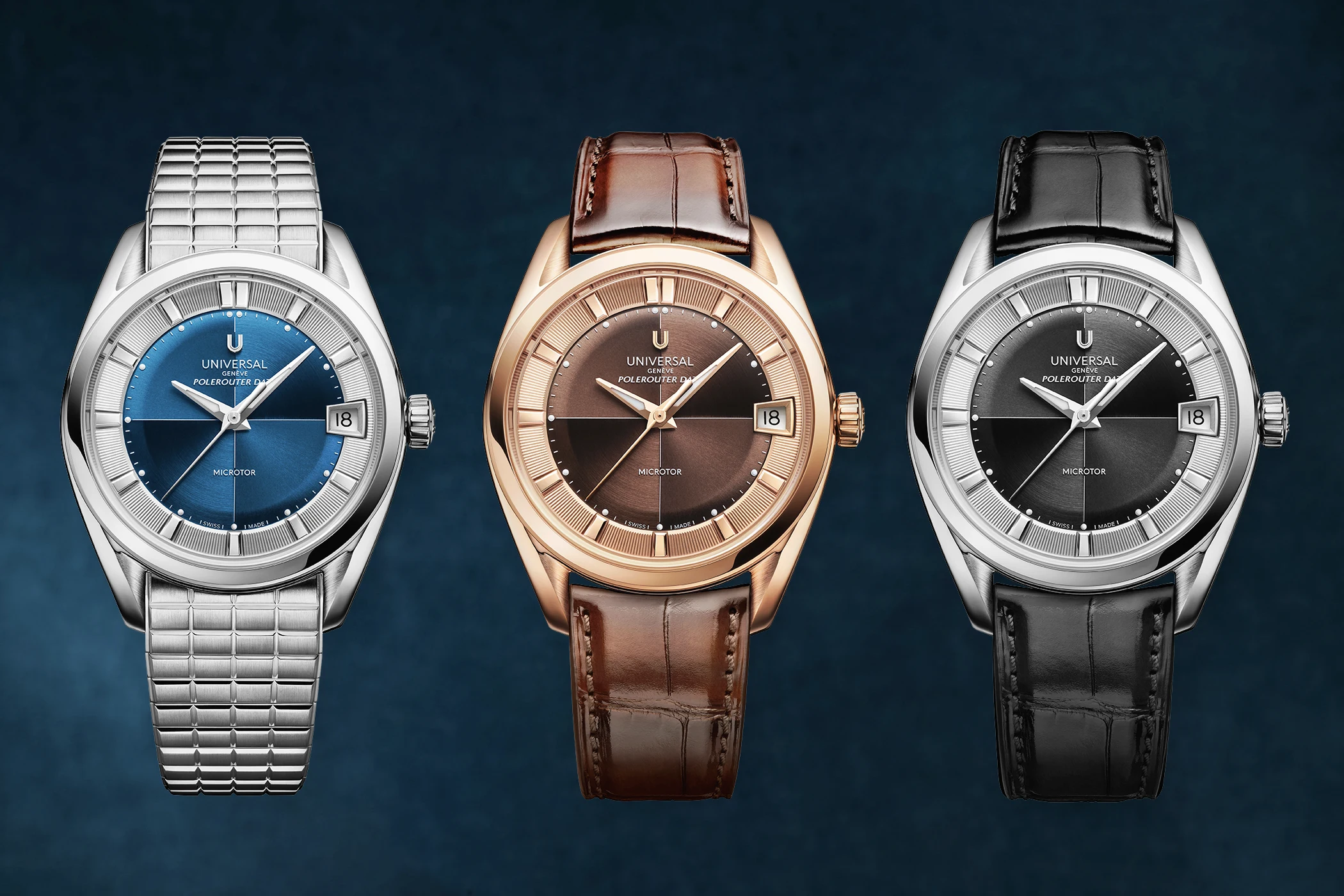
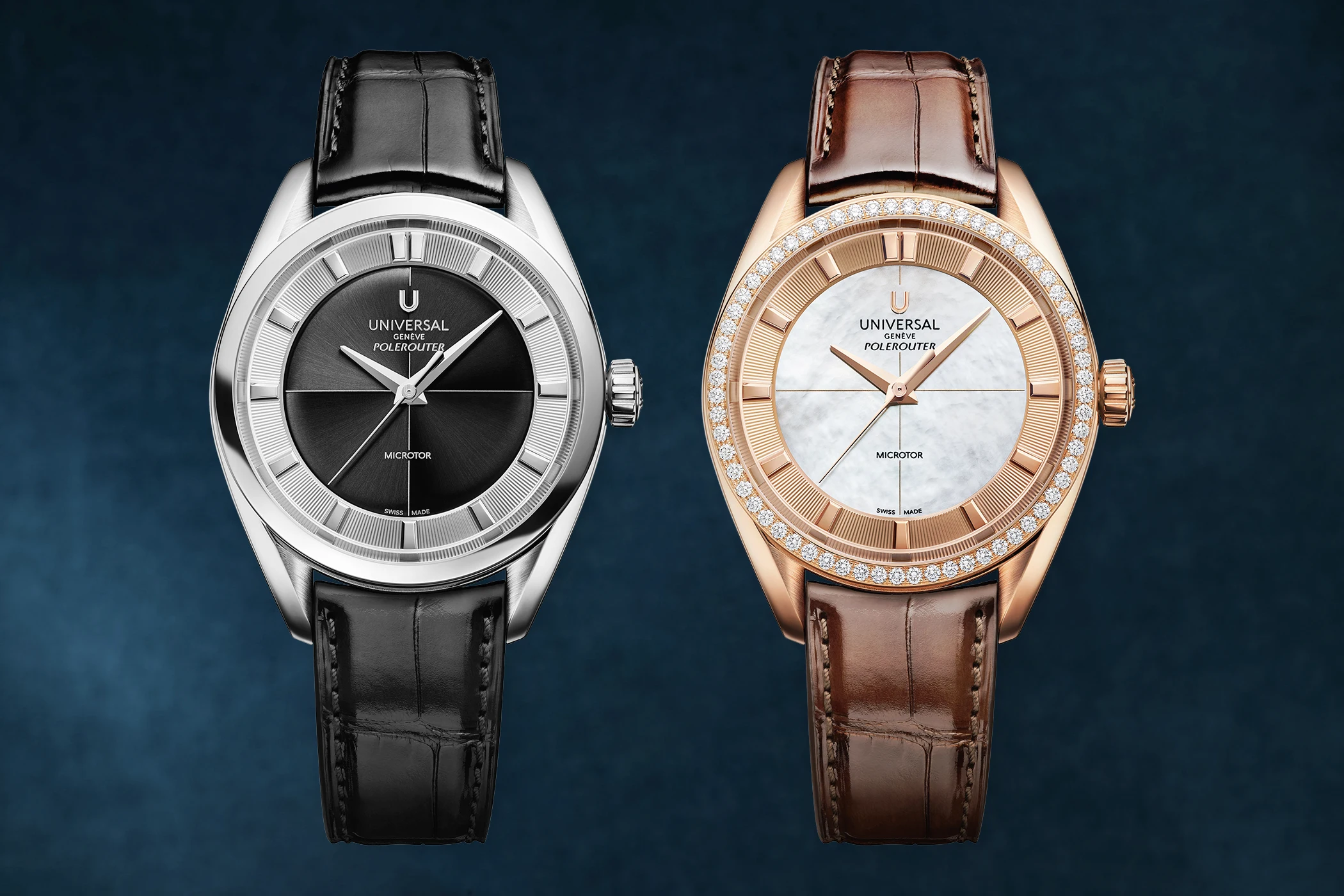
The 39-millimetre model is available in stainless steel with a black dial and a black alligator leather strap, with a blue dial and a stainless steel link bracelet, or in 18-carat rose gold with a brown dial and a brown alligator leather strap. The 37-millimetre version is available in stainless steel with a black dial and black alligator leather strap, whilst the 18-carat rose gold version features a diamond-set bezel and a white mother-of-pearl dial.
All Polerouter models are water-resistant to 10 bar and feature the distinctive Polerouter crosshair design on the domed dial with a dual-finish surface. The outer bezel has been given a textured finish that plays on polished and matt surfaces, whilst the twisted lugs have been further refined. universalgeneve.com
Bulgari has fitted the new Octo Finissimo three-hand models in the 37-millimetre size with the new in-house calibre BVF 100. Since its launch in 2014, the Octo collection has combined Swiss watchmaking craftsmanship with Italian design. Within the range, the Finissimo models are characterised by their exceptionally slim designs and have repeatedly served as a platform for Bulgari to set records in ultra-thin movements.
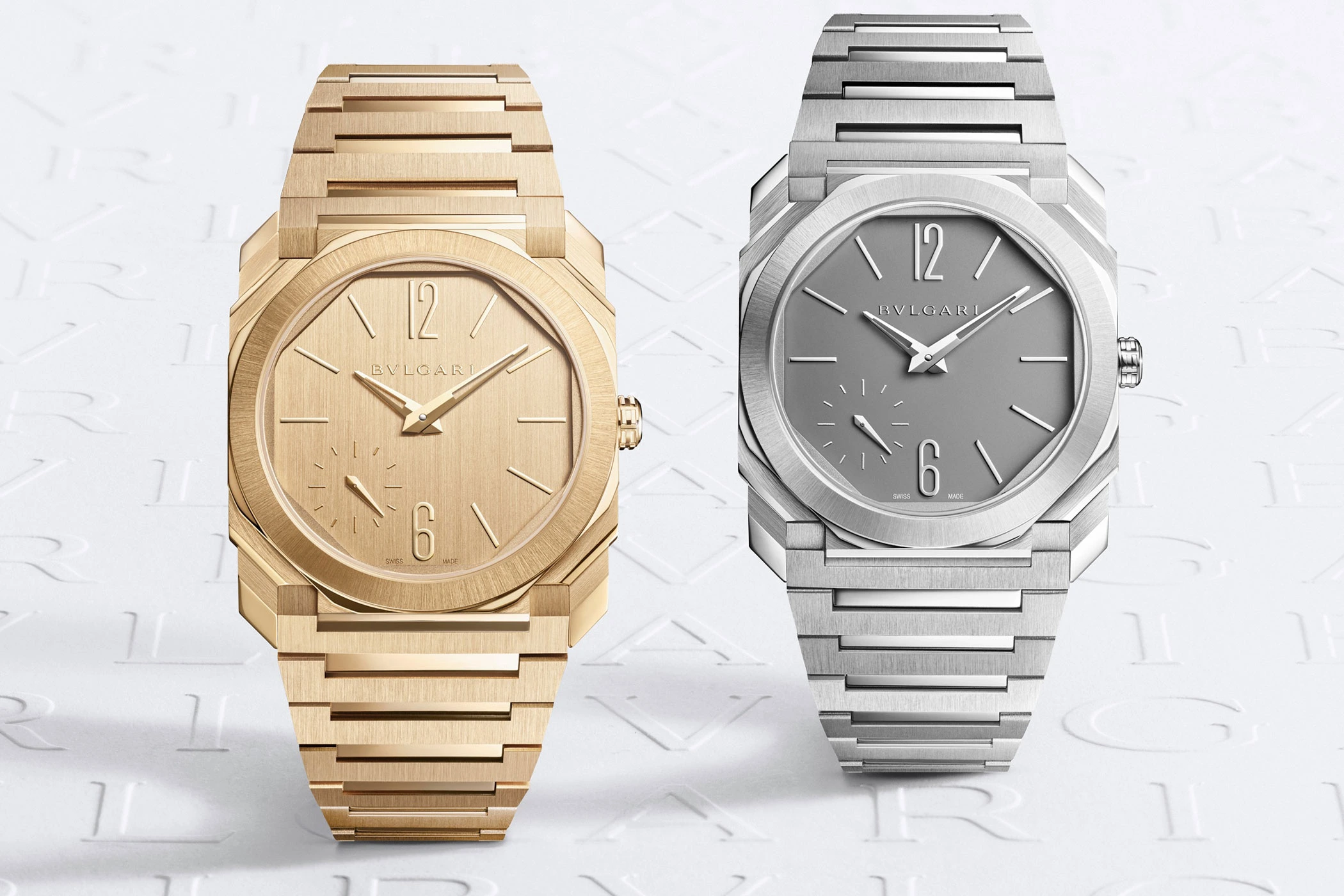
With the new 37 x 6.45 mm models in titanium and yellow gold, Bulgari is now expanding the Octo Finissimo collection further into the lifestyle segment, whilst the models, most of which measure 40 mm, continue to emphasise the line’s technical character. In terms of watchmaking, the more compact versions make no compromises.
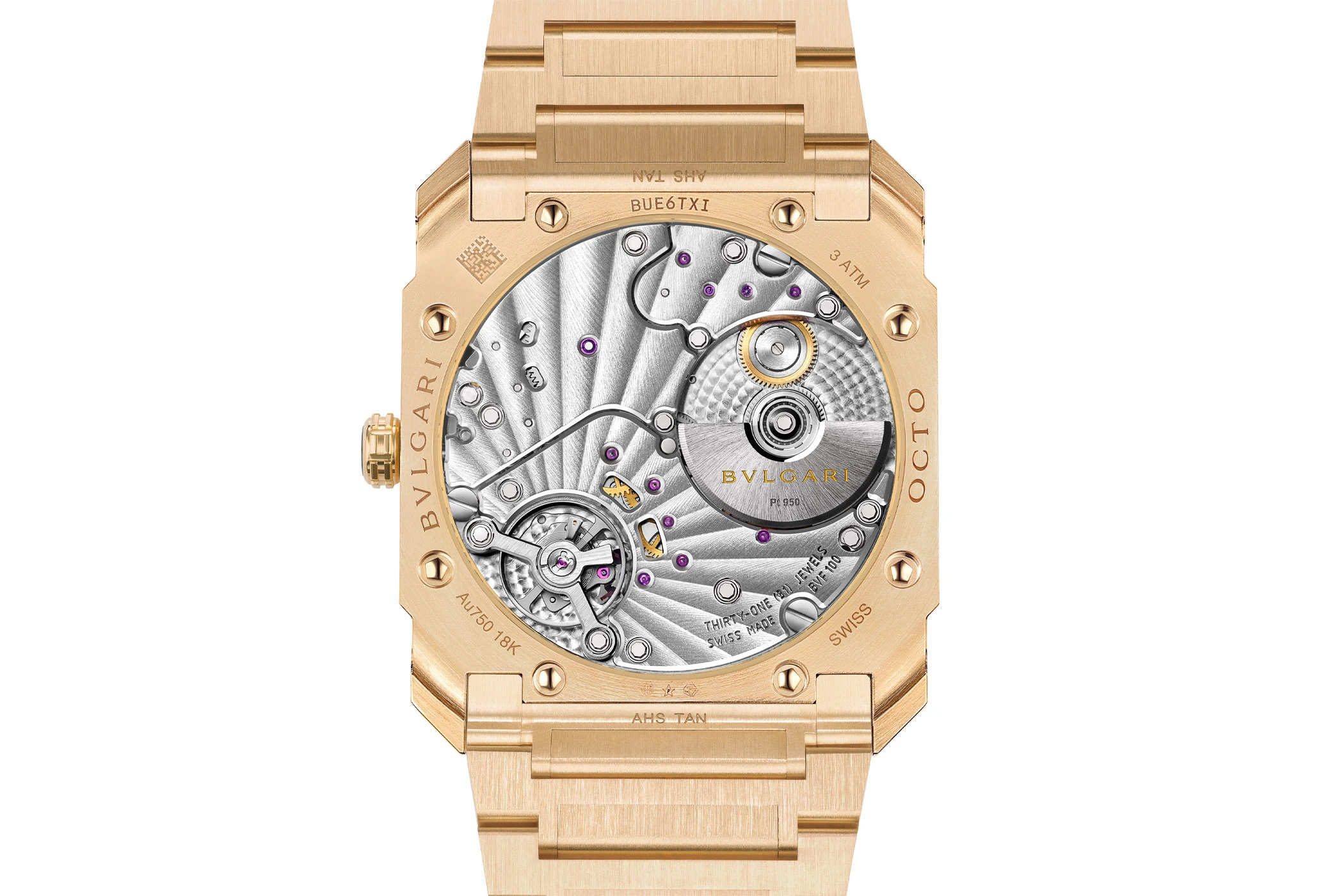
Inside, the new 3-hertz in-house calibre BVF 100 features a platinum micro-rotor and a generous 72-hour power reserve. The movement, which took three years to develop, measures 31 x 2.35 millimetres and features intricately decorated bridges and plates with sunburst Geneva stripes, as well as new screws with octagonal heads.
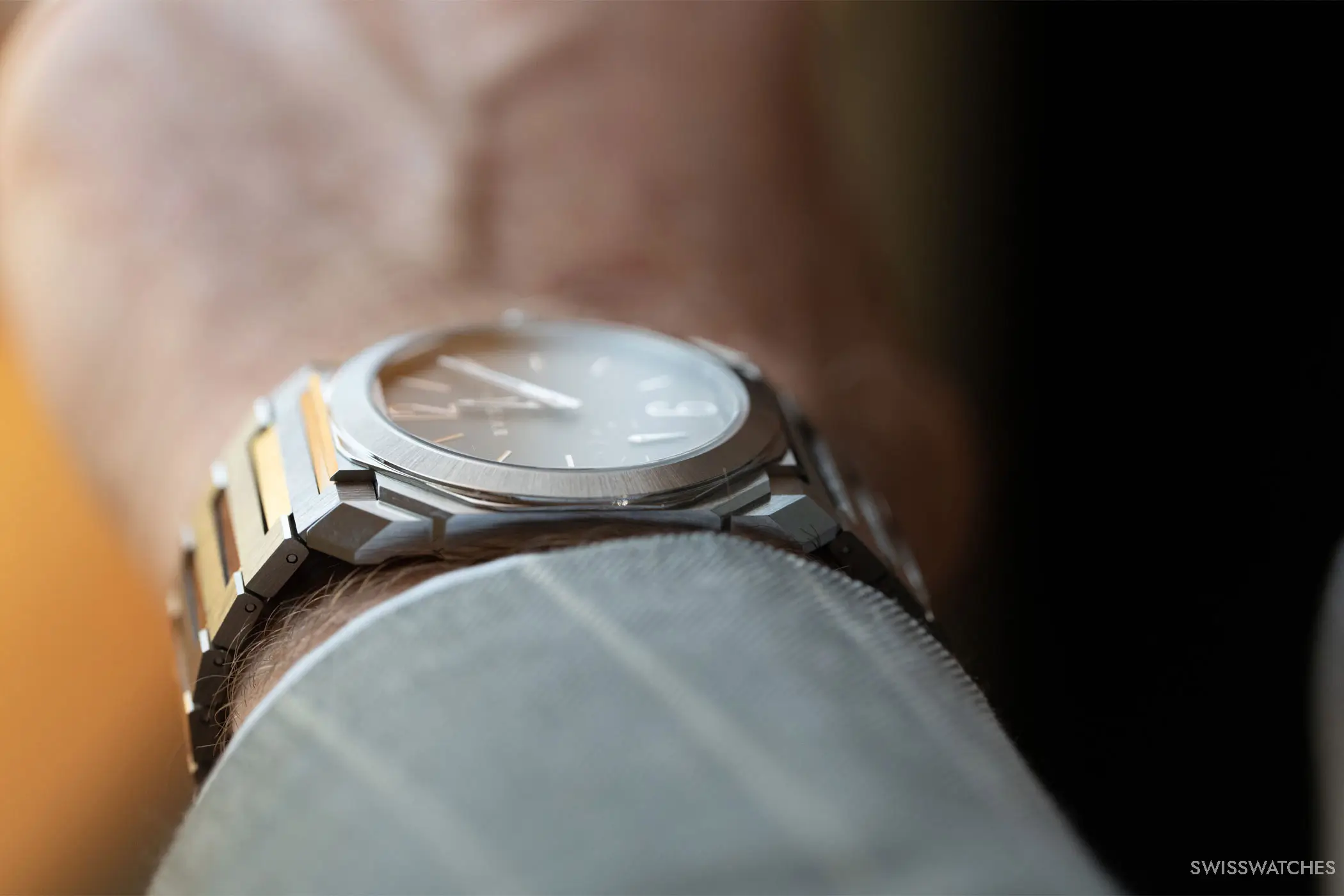
Thanks to the ingenious design of the BVF 100, Bulgari was able to carry over the proportions of the 40-millimetre Octo Finissimo’s dial layout almost unchanged to the new 37-millimetre version. bulgari.com
With the L.U.C 1.96 micro-rotor calibre, Chopard laid the foundations for its modern in-house watchmaking in 1996. Three decades later, the new L.U.C 1860 Lucent Steel builds on this technical heritage with the further-developed 96.40-L calibre.
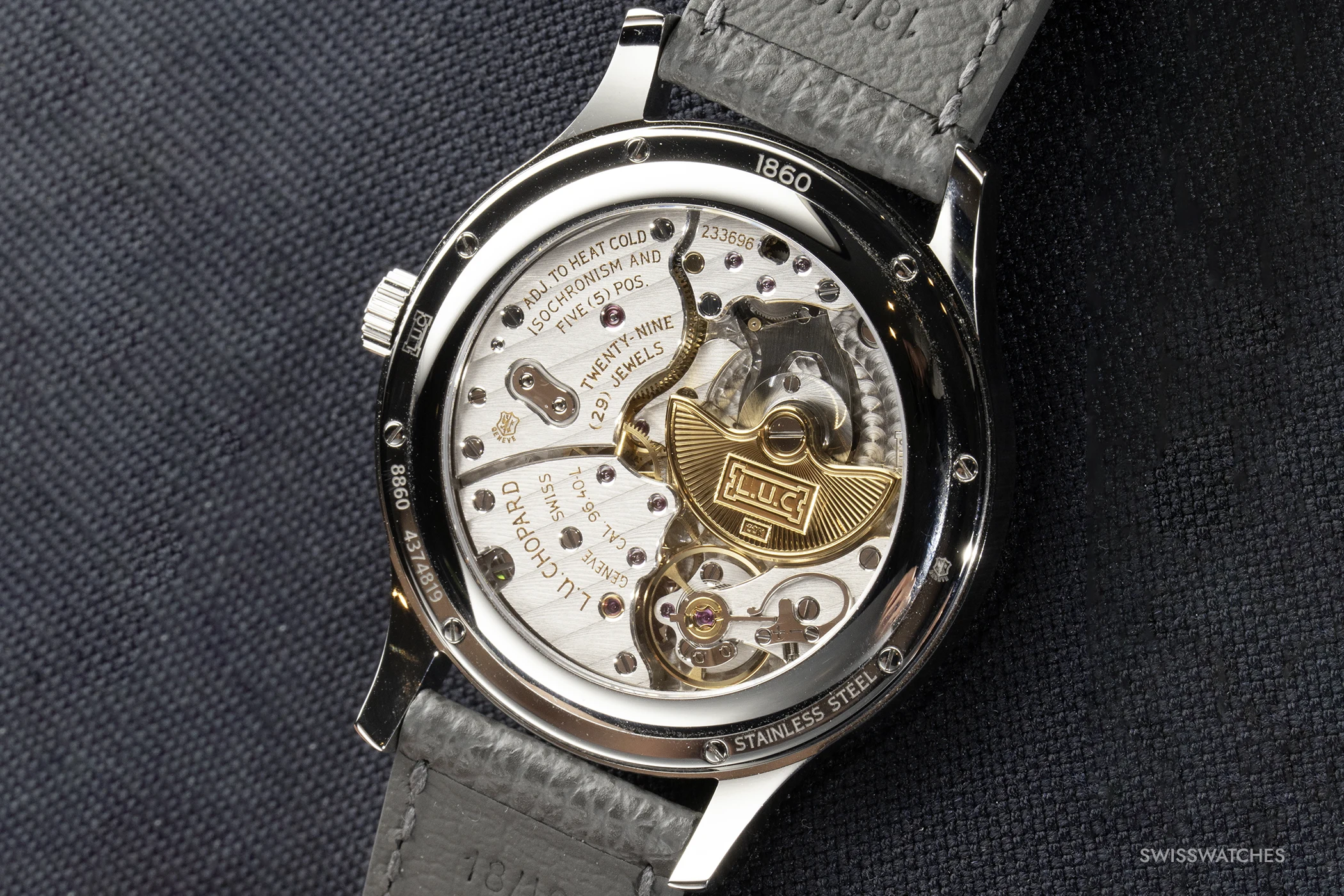
The modernised version of the original calibre, comprising 176 components, still measures 27.4 × 3.3 millimetres, is equipped with Chopard’s Twin technology – that is, two barrels – and offers a power reserve of around 65 hours. This is generated by the micro-rotor made from 22-carat ethically sourced gold. Every component of the movement is also hand-finished and features polished or decorated surfaces as well as bevelled edges. The watch thus meets the requirements for the Poinçon de Genève.
The L.U.C 96.40-L calibre, which beats at 4 Hz, is certified as a chronometer by the COSC and can be adjusted with exceptional precision thanks to its swan-neck regulator and stop-seconds mechanism. It displays the hours, minutes and small seconds.
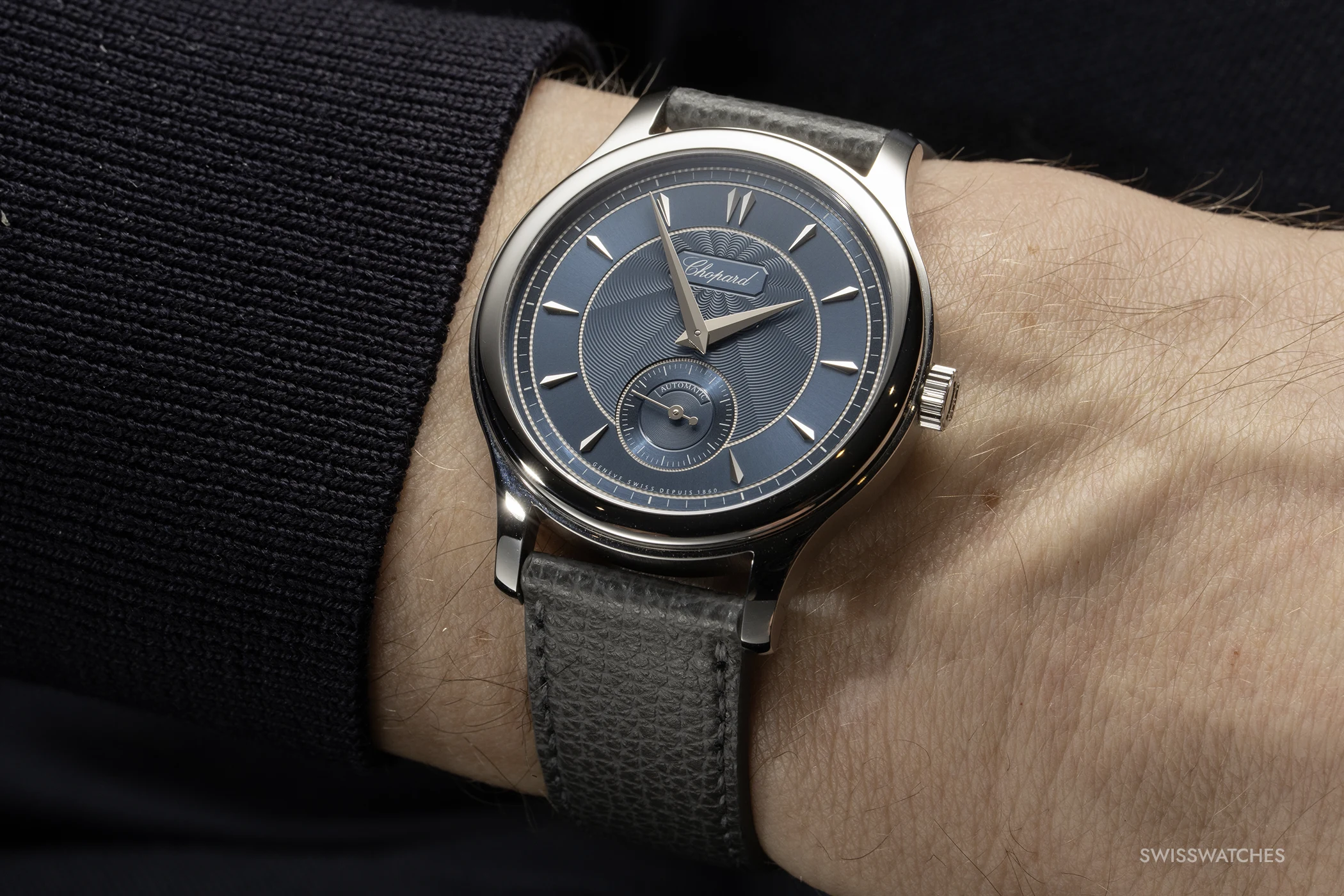
The case, which is water-resistant to 3 bar, measures 36.5 millimetres in diameter and 8.2 millimetres in height, and is crafted from Chopard’s Lucent Steel alloy. The colour of the dial beneath the double-sided anti-reflective sapphire crystal is called “Aareuse Blue”, inspired by the River Areuse in the Val-de-Travers near Fleurier, where the Chopard manufacture is based. It is produced in the workshops of dial specialist Metalem, which belongs to Chopard but also supplies other luxury watch brands. chopard.com
Gerald Charles is expanding the Masterlink collection with a perpetual calendar developed entirely in-house. The Masterlink Perpetual is also the brand’s most complex watch to date since its rebranding less than ten years ago.
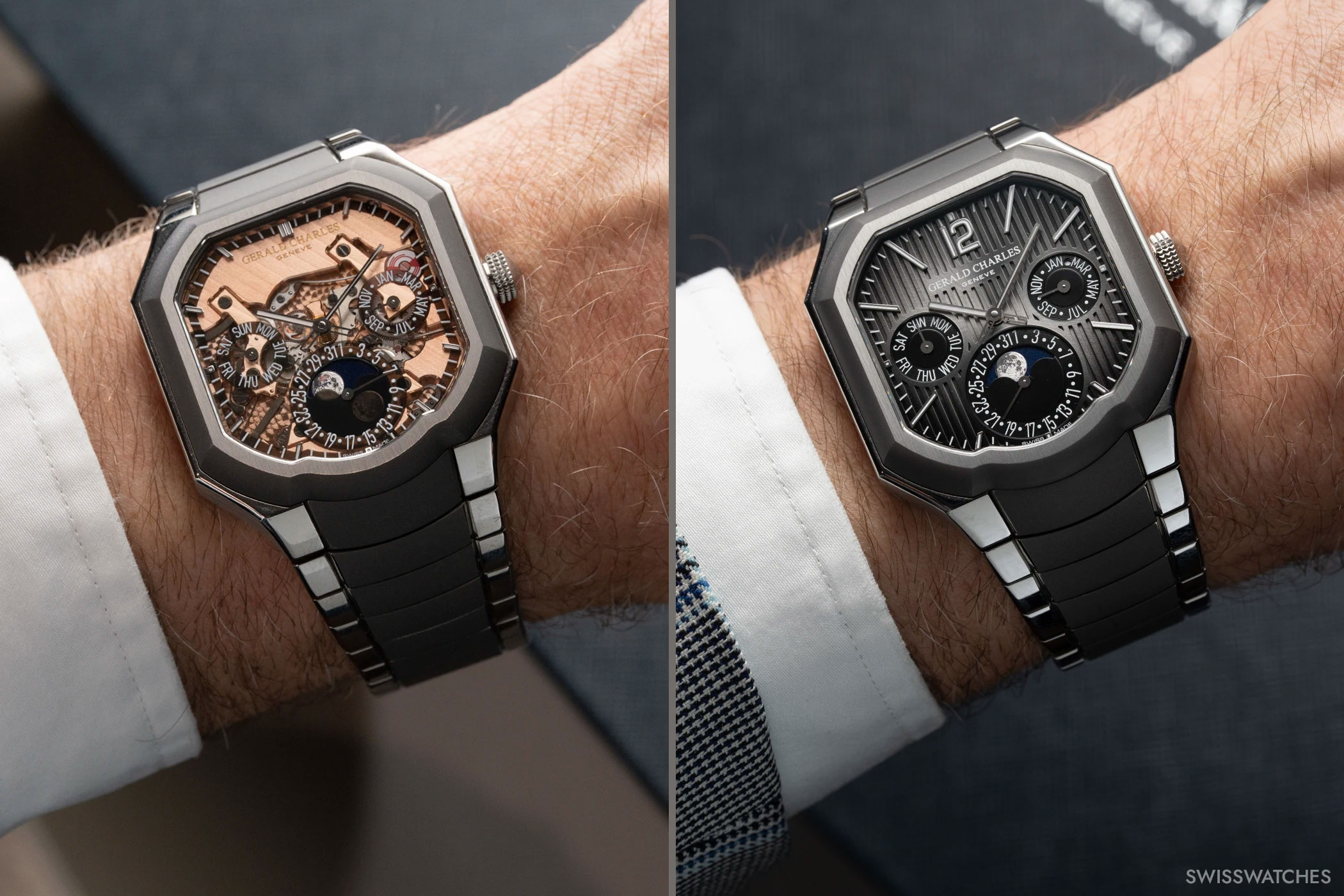
A defining feature of this new model is the curved, asymmetrical case shape of the collection, which is now regarded as Gerald Charles’s unmistakable trademark and was originally designed by Gérald Genta in 2005. Both the case and the bracelet are made of titanium. Despite a case diameter of 40 millimetres and a thickness of ten millimetres, the watch weighs just 97 grams.
The Masterlink Perpetual will be available in two versions at launch: the first features an anthracite-coloured, two-tone fumé dial, structured by a vertical, grid-like pattern with visible grooves. The second version is skeletonised and features a sapphire crystal dial.
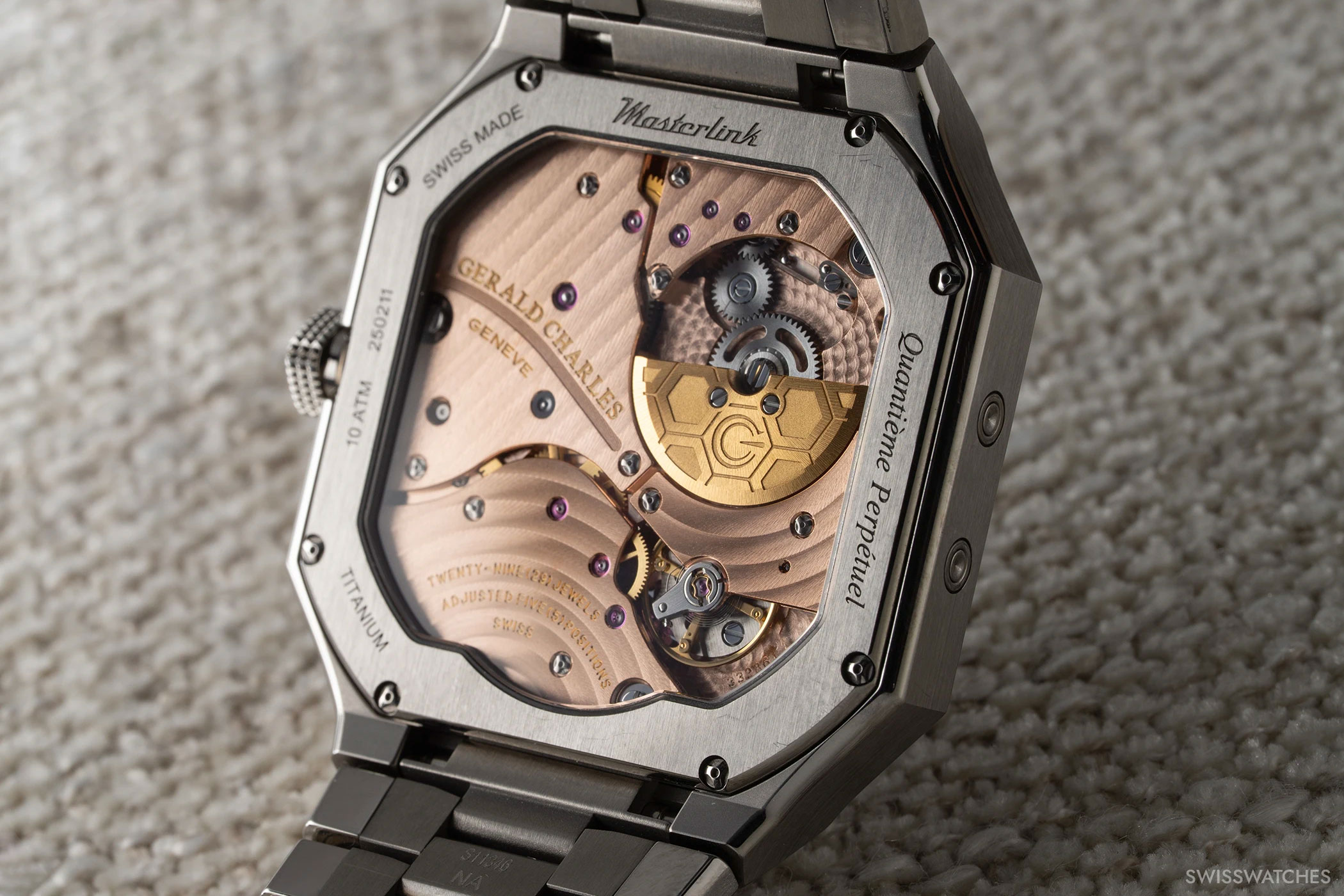
This also offers a view of the intricately decorated GCA11000 calibre from the front. Whilst many manufacturers opt for round movements in design watches – which are not entirely tailored to the case in terms of construction – Gerald Charles took a different approach: development deliberately began with the movement, which was initially designed to complement the asymmetrical shape of the case.
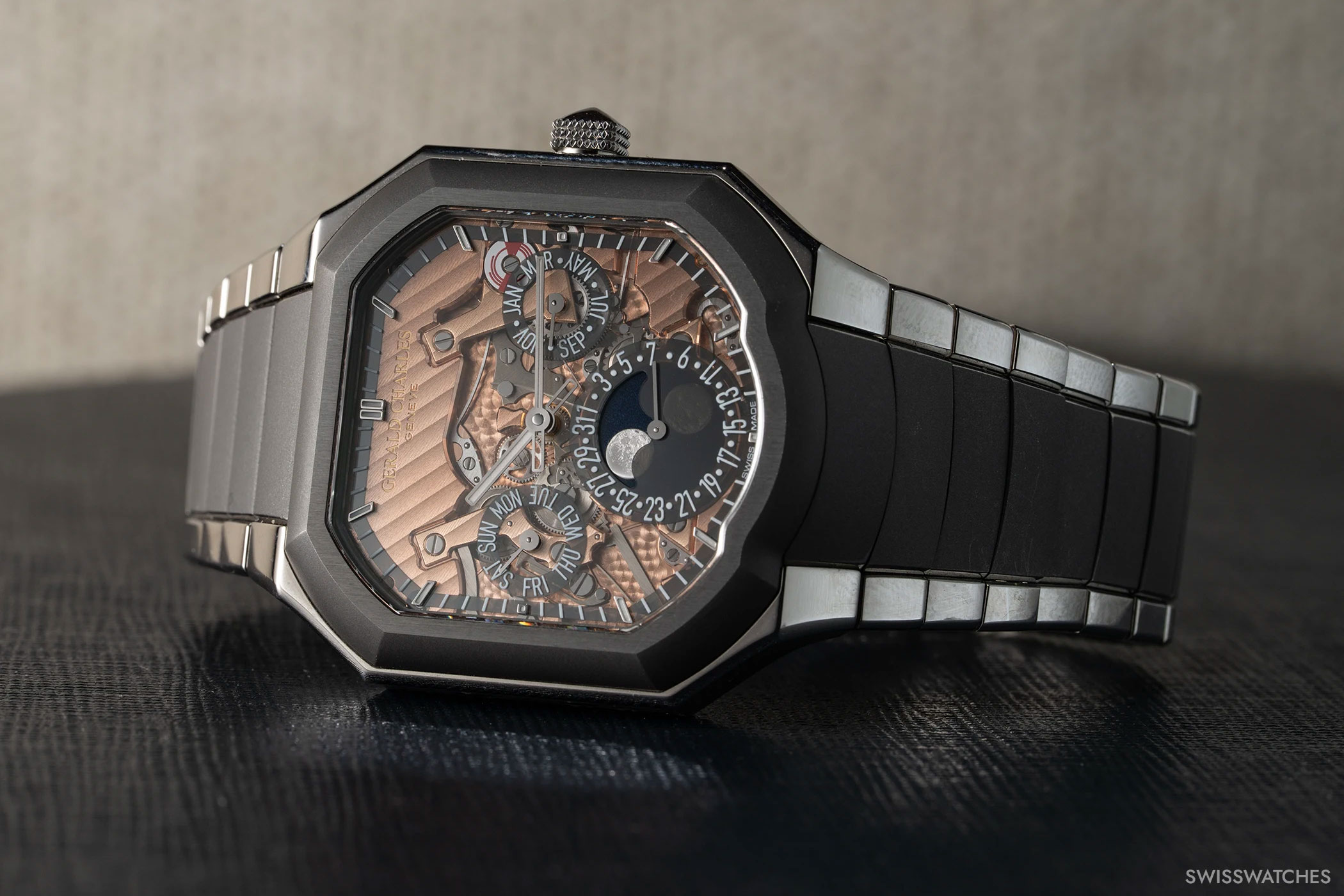
The GCA11000 calibre is 4.63 millimetres high, comprises 306 components and features intricate decoration. It is wound by an off-centre gold micro-rotor. The power reserve is 50 hours at a frequency of 3 hertz. geraldcharles.com
To mark the 50th anniversary of the Laureato, Girard-Perregaux has created two versions of the Laureato Three Gold Bridges, featuring the manufacture’s famous arrow-shaped bridges. The openwork white gold bridges are flanked by a newly developed in-house calibre: the GP9620, featuring a tourbillon and a 55-hour power reserve.
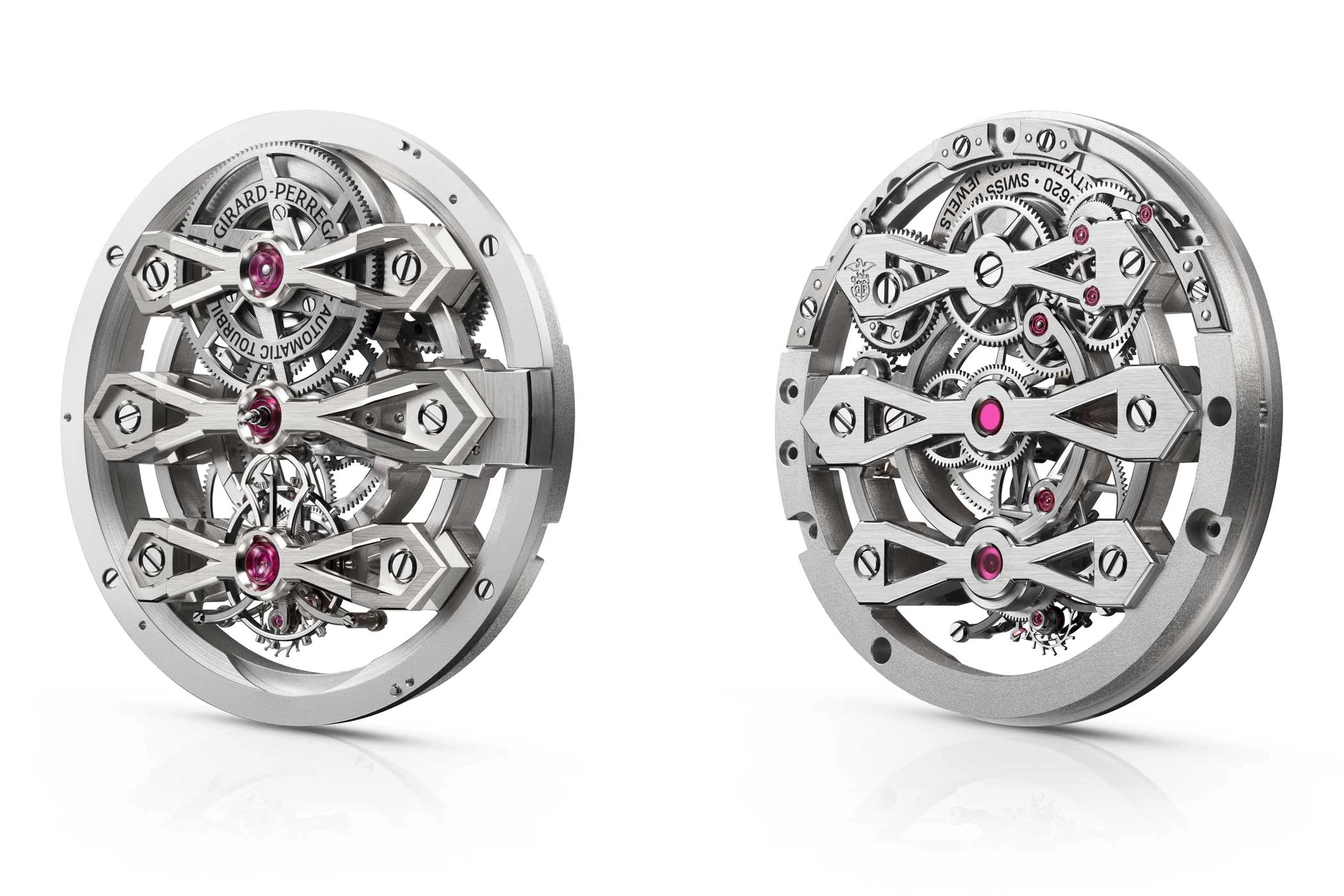
The automatic winding mechanism is provided by a micro-rotor, which has been integrated into the movement’s architecture with exceptional ingenuity. The platinum rotor is fitted in such a way that it is virtually invisible, so that at first glance one might assume it to be a hand-wound movement.
Whilst the lower of the three bridges that give the movement its name houses the tourbillon with its titanium cage, and the middle bridge secures the gear train, the upper bridge holds the mainspring barrel. This is wound by the micro-rotor. For this purpose, the oscillating weight does not necessarily have to be positioned directly next to the mainspring barrel – though in the GP9620 it is.
Both components lie on the same axis. The platinum micro-rotor is almost completely concealed behind the barrel. Furthermore, the winding mechanism encases the barrel. This design preserves the exceptionally clean and symmetrical appearance of the historic three-bridge architecture, whilst also paying homage to the original Three Gold Bridges pocket watches.
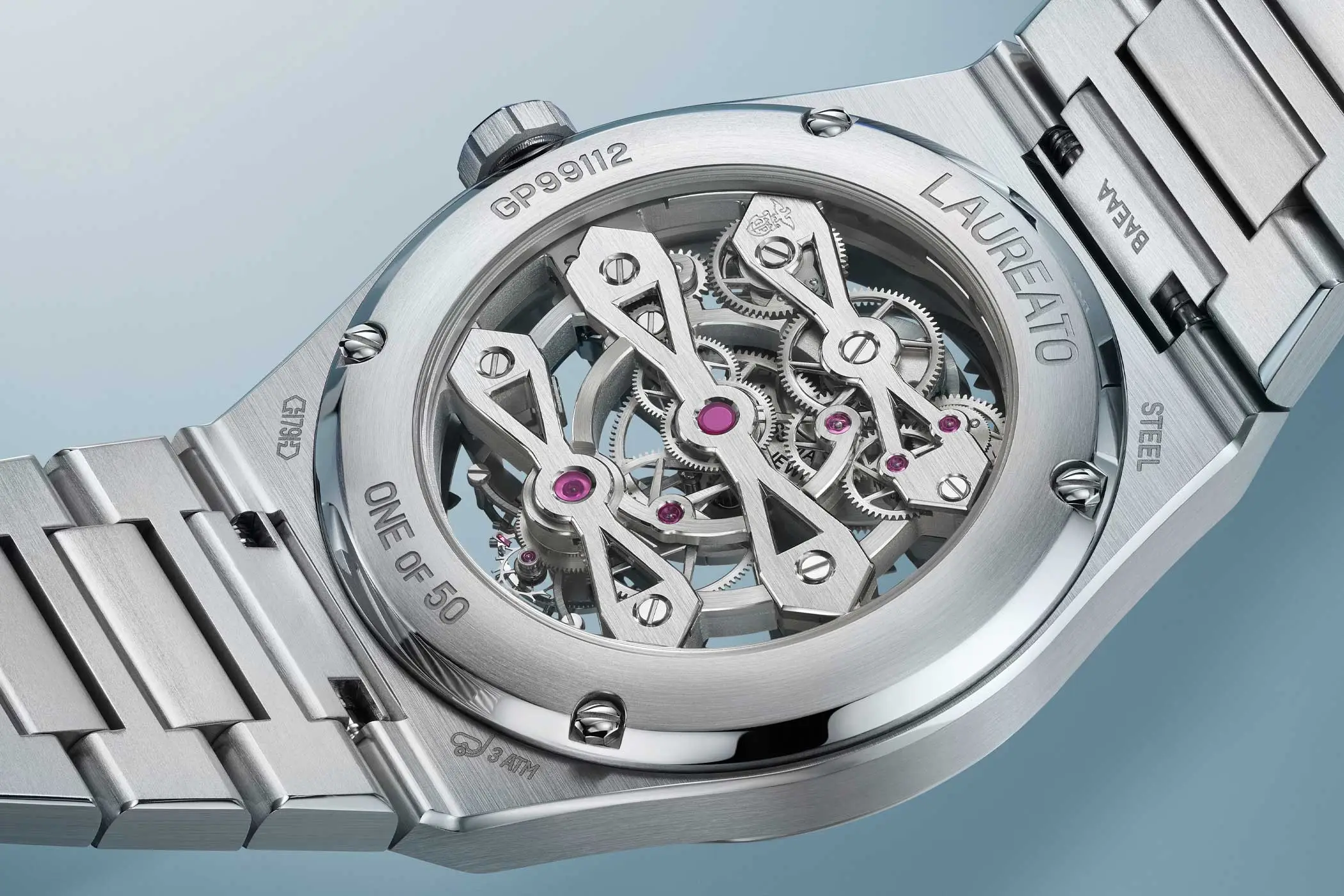
However, the micro-rotor, positioned almost invisibly behind the barrel, is not a first for Girard-Perregaux. The GP09400 calibre family also features a micro-rotor positioned beneath the barrel. This design made its debut in 2014 in the Neo Tourbillon with three bridges.
Apart from the concealed micro-rotor, however, the new GP9620 calibre has nothing to hide. That is why Girard-Perregaux has spared no effort in hand-finishing it with 418 polished chamfers. This intricate finishing creates a fascinating play of light and emphasises the sculptural character of the movement.
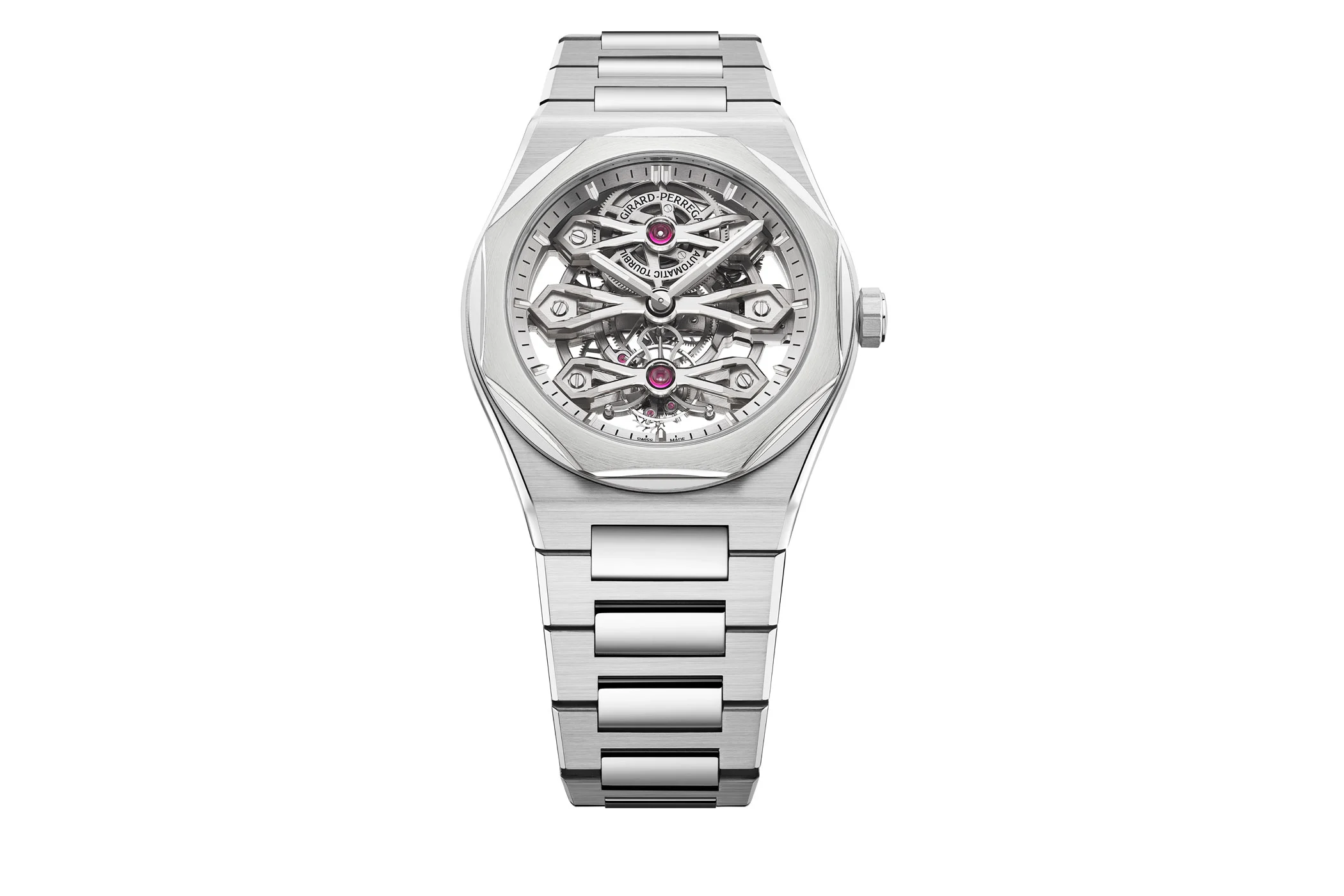
Whilst the Laureato Three Gold Bridges, limited to 50 pieces, is available in stainless steel and white gold, the non-limited edition features a bezel set with 32 baguette-cut diamonds. girard-perregaux.com
The dial of the new Arceau Samarcande Minute Repeater is crafted from blue or white crystal and is produced in collaboration with the historic Cristallerie Saint-Louis, which is now part of Hermès. A horse’s head is incorporated into the crystal surface, with a cut-out revealing the skeletonised movement.
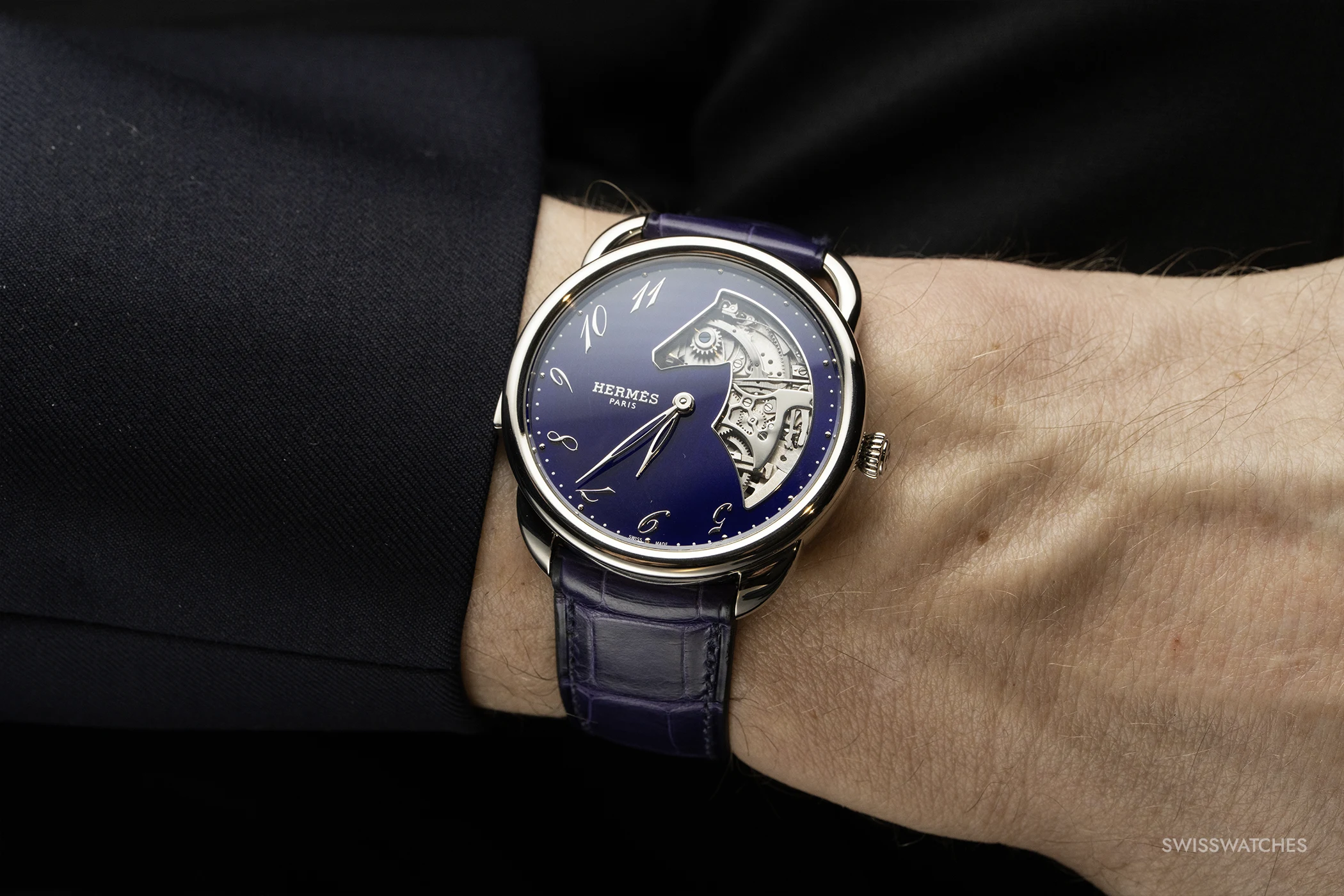
This is the new in-house automatic calibre H1927, which is wound by a micro-rotor and comprises a total of 339 individual components. The movement features 40 jewels, a power reserve of 48 hours and operates at a frequency of 3 hertz.
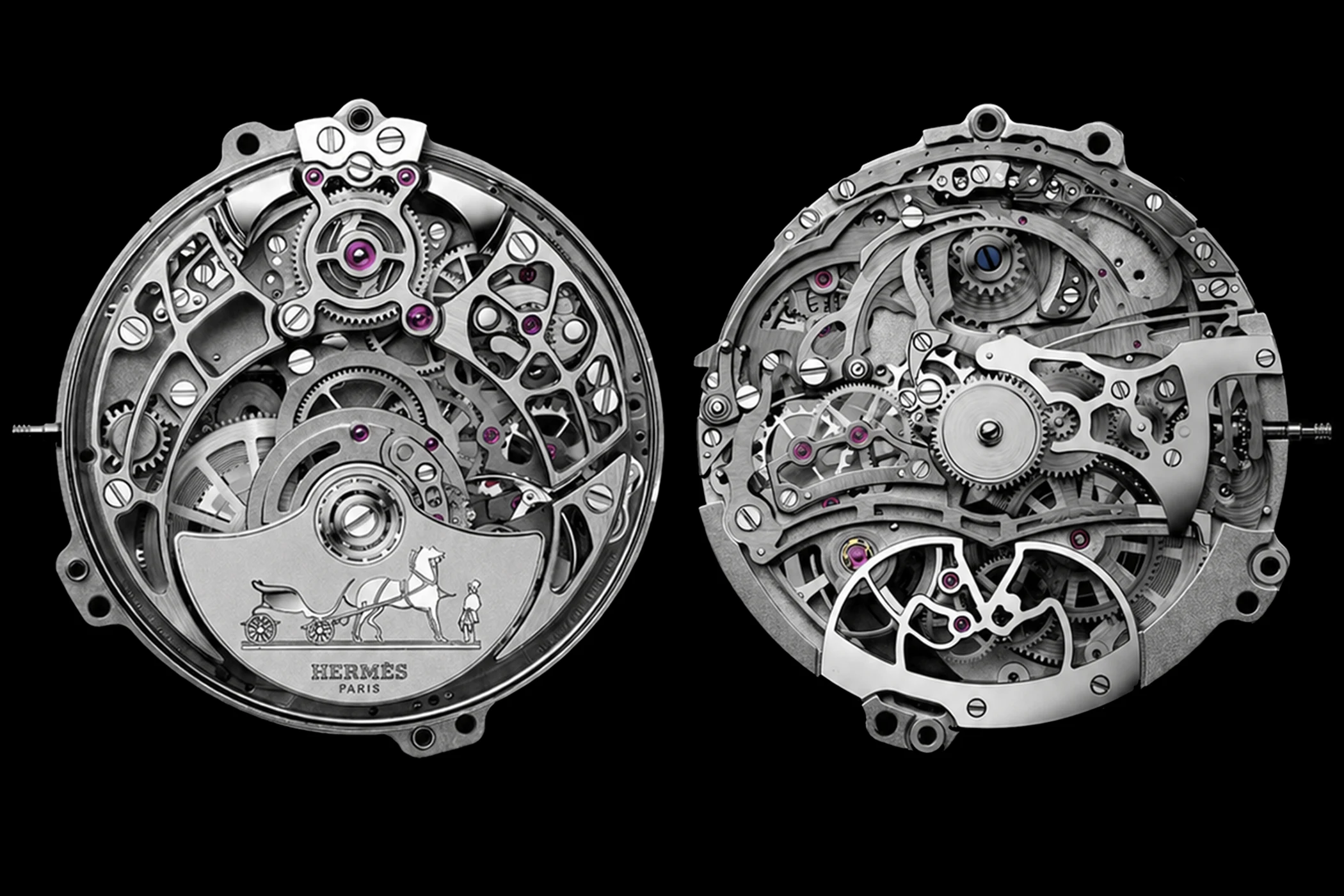
With a diameter of 28 millimetres and a height of 4.95 millimetres, it fits easily into the 38-millimetre case, which is crafted from white gold, white gold set with gemstones, or rose gold set with gemstones, depending on the model. The dials also vary depending on the model.
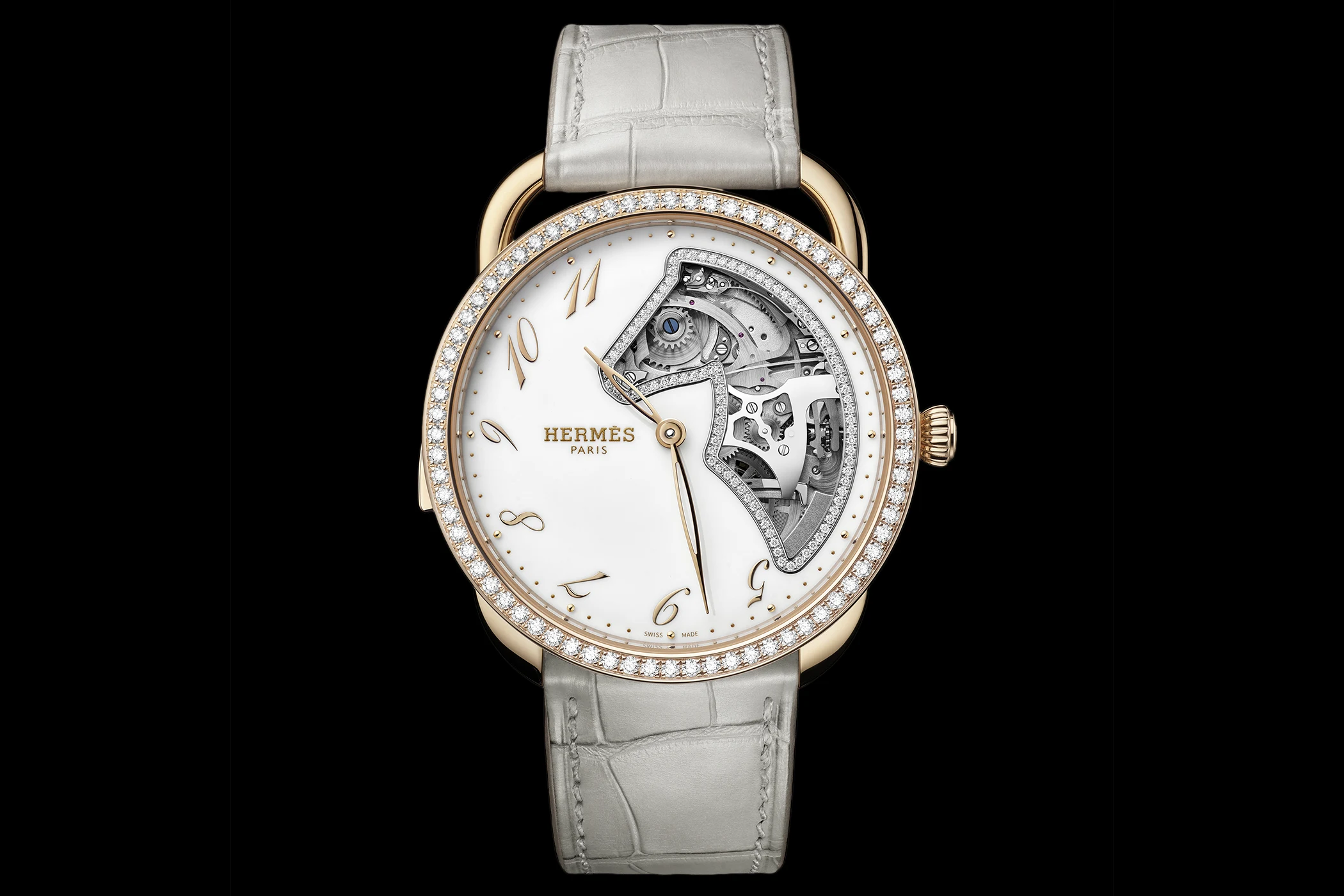
In the Arceau Samarcande Minute Repeater, the minute repeater mechanism is not concealed. The sapphire crystal case back reveals the movement, the hammers and the micro-rotor. The latter features the Duc attelé motif, characteristic of Hermès – a historic symbol of the Maison depicting a horse-drawn carriage. hermes.com
In the Sport Traveller by Laurent Ferrier, the new in-house calibre LF275.01 allows the dual-time function to be adjusted in a single step: each time the pusher at 10 o’clock is pressed, the hour hand jumps forward by one hour, whilst the pusher at 8 o’clock causes it to jump back by one hour. The switch to local time is thus immediate – without stopping the watch or interrupting its rhythm. All displays can be read on the anthracite-coloured, opalescent dial featuring graphic elements.
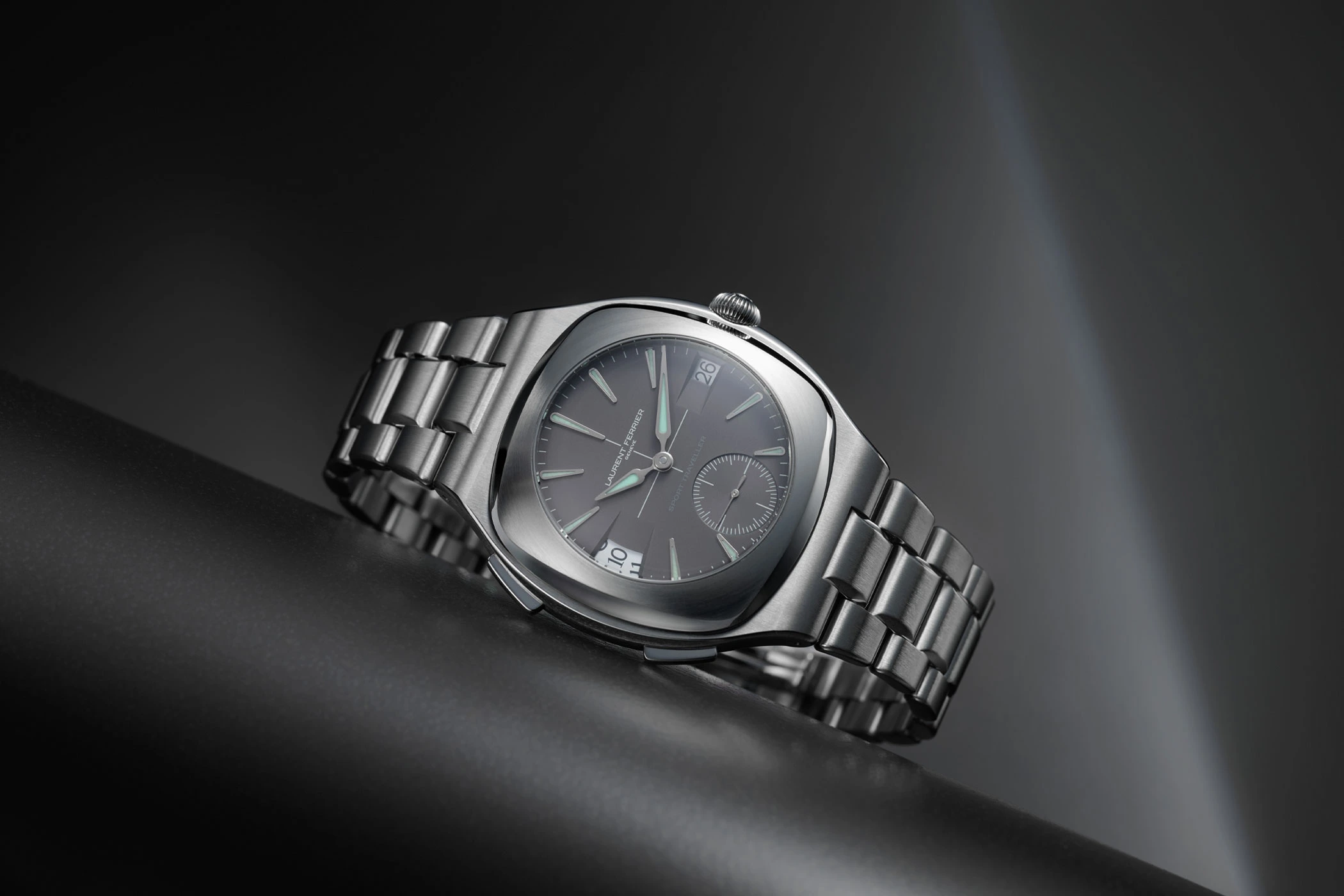
The 72-hour power reserve is provided by the platinum micro-rotor. Its bridge is entirely hand-finished: the edges are ground down and then refined using gentian wood and a diamond, whilst the surface is mirror-polished.
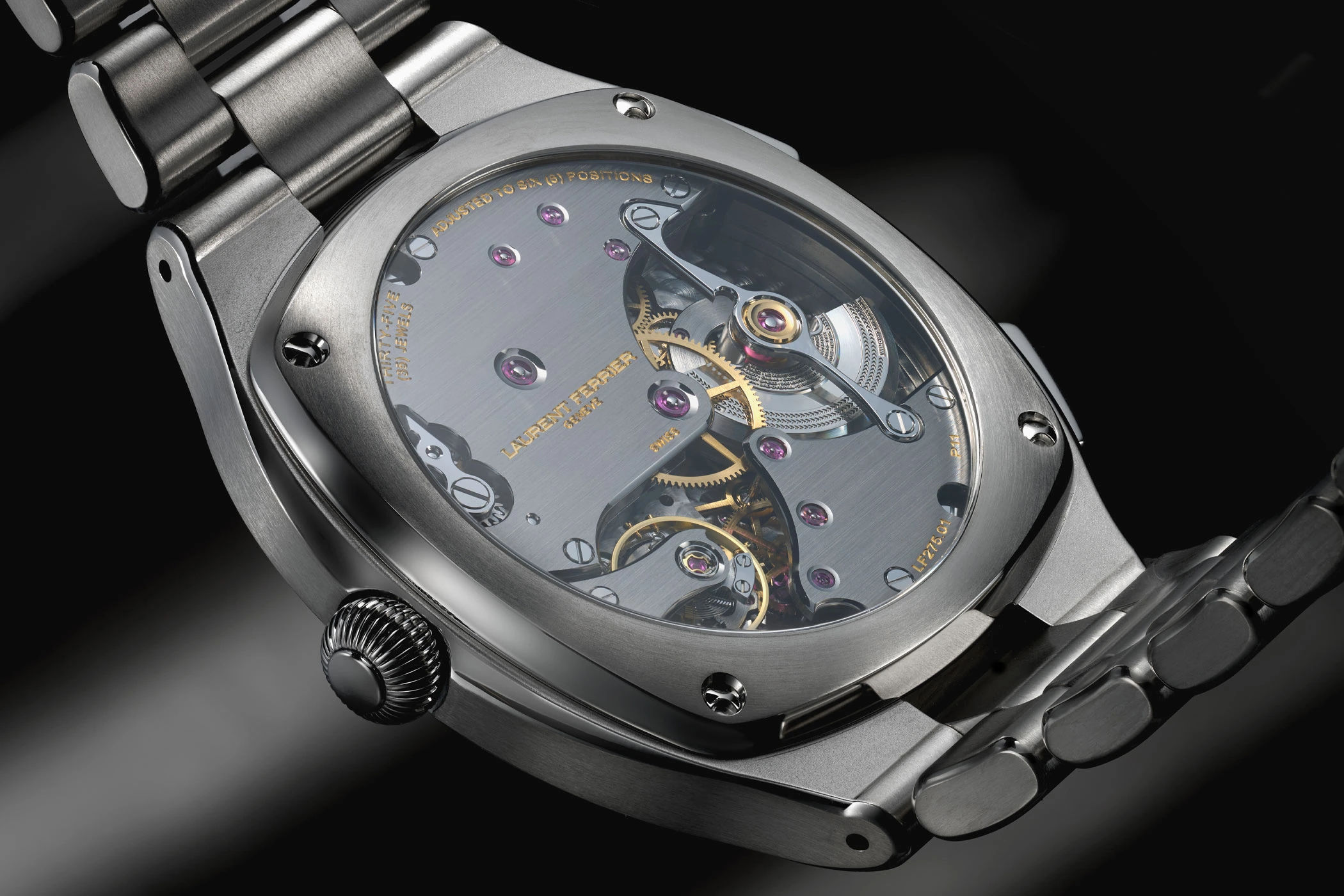
The modern-style movement also features several internal angles, numerous zinc-polished surfaces, as well as satin-finished and grained surfaces – all finished by hand. The LF275.01 is housed in a titanium case measuring 42 x 13.3 millimetres, which is water-resistant to 10 bar. laurentferrier.ch
Parmigiani Fleurier, a specialist in minimalist design and modern dress watches, always opts for the micro-rotor when the aim is to create a particularly slim, harmoniously proportioned and aesthetically balanced automatic movement.
“Unlike a traditional central rotor, which sits above the movement, the micro-rotor is fully integrated into the movement’s profile. This design allows for a reduced thickness and very balanced proportions on the wrist. The micro-rotor also offers a view of the movement, its finishes and its architecture – central elements in Parmigiani Fleurier’s watchmaking philosophy,” says the manufacture, founded in 1996.
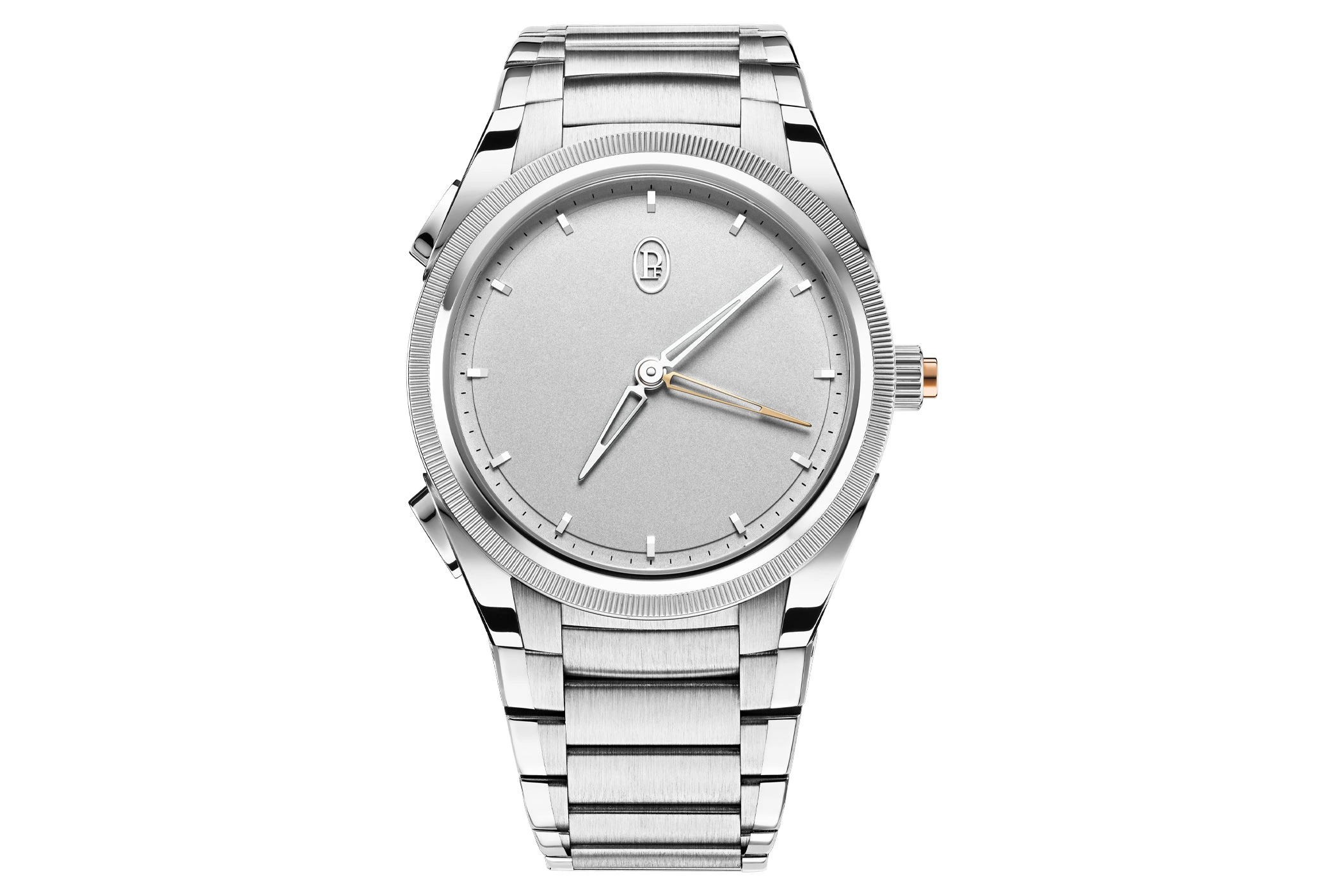
This philosophy is evident, among other things, in the Tonda PF Minute Rattrapante, limited to 30 pieces. The timepiece is part of a trilogy that also includes the Tonda PF GMT Rattrapante, which is likewise limited, and the new Tonda PF Chronographe Mystérieux. Crafted from 950 platinum, they embody the essence of the Tonda PF aesthetic in its purest form. Furthermore, all models reflect Parmigiani Fleurier’s ambition to develop complications that only reveal themselves when they are actually needed.
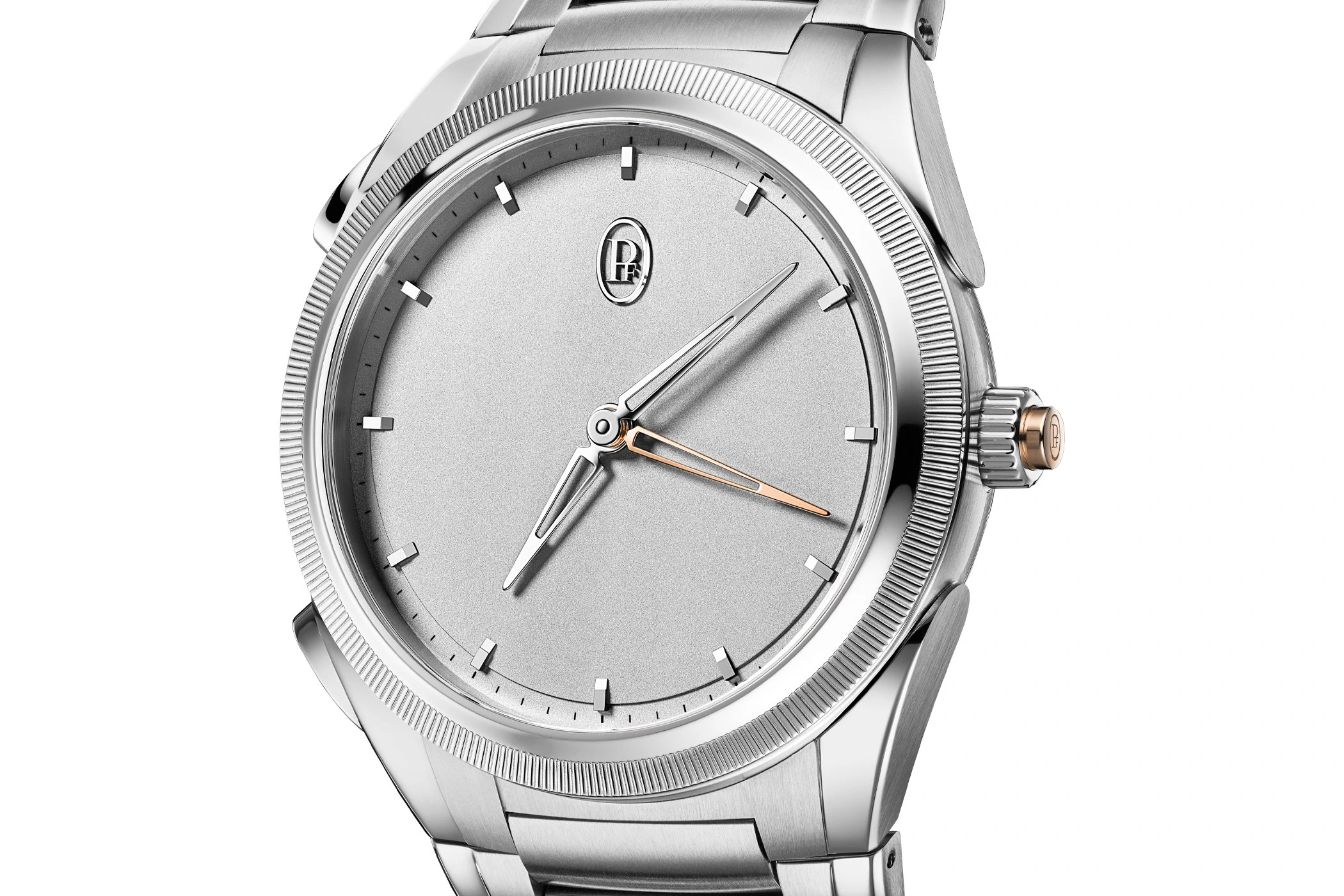
A recent example of this is the Tonda PF Minute Rattrapante with its patented mechanism, which was first unveiled in 2023. The dial of the limited-edition all-over platinum version features an hour hand and two superimposed minute hands. Using two pushers at 8 and 10 o’clock, the end of an appointment can, for example, be set in minute and five-minute increments – a feature previously only seen on the rotating bezel of a diver’s watch.
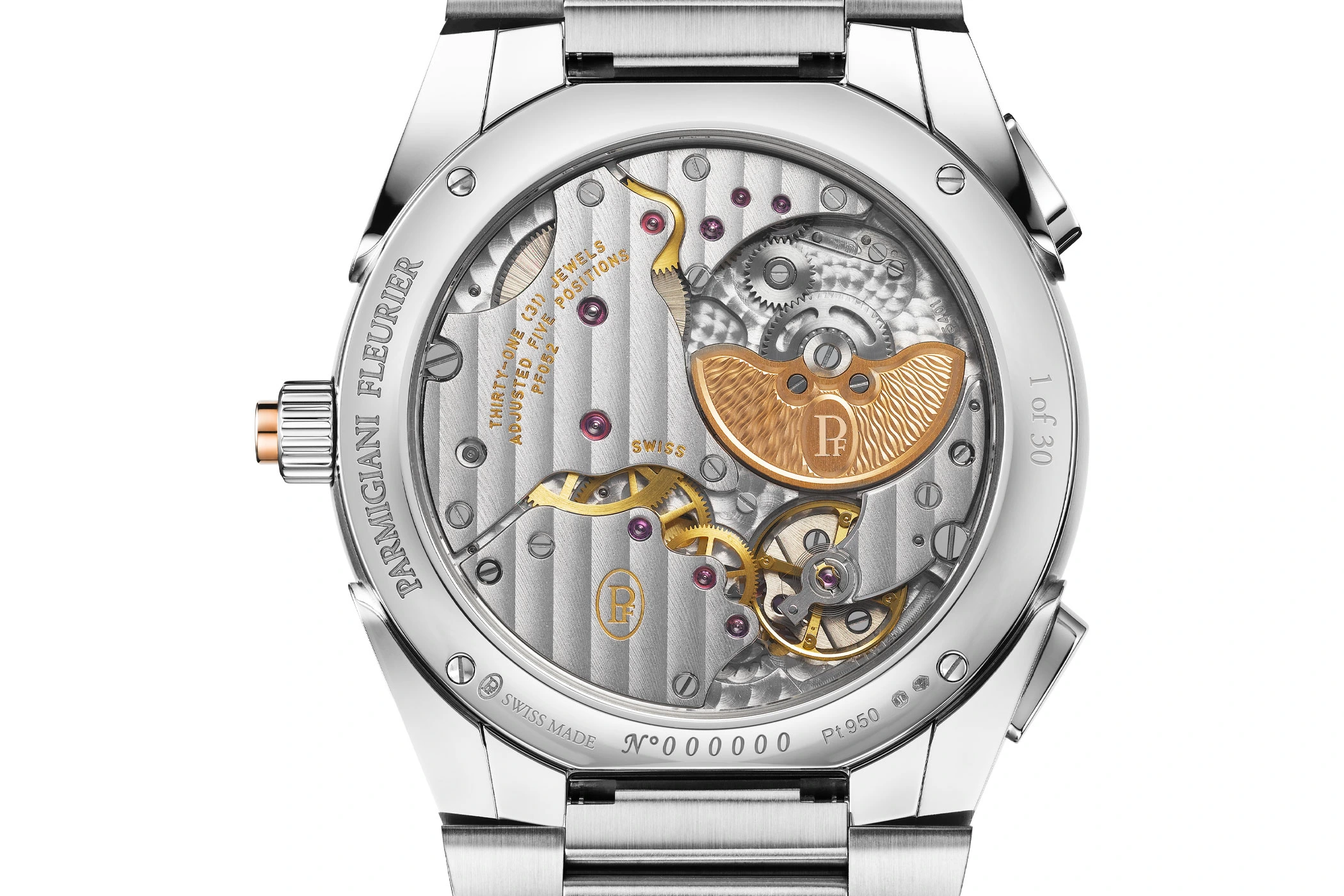
This is made possible by the automatic in-house calibre PF052 housed in a 40 x 10.7-millimetre platinum case. Adorned with Côtes de Genève, circular graining and bevelled edges, the sapphire crystal case back also reveals the 22-carat rose gold micro-rotor featuring Grain d’Orge guilloché. The movement comprises 271 components, measures 32 x 4.9 millimetres and offers a power reserve of 48 hours. parmigiani.com
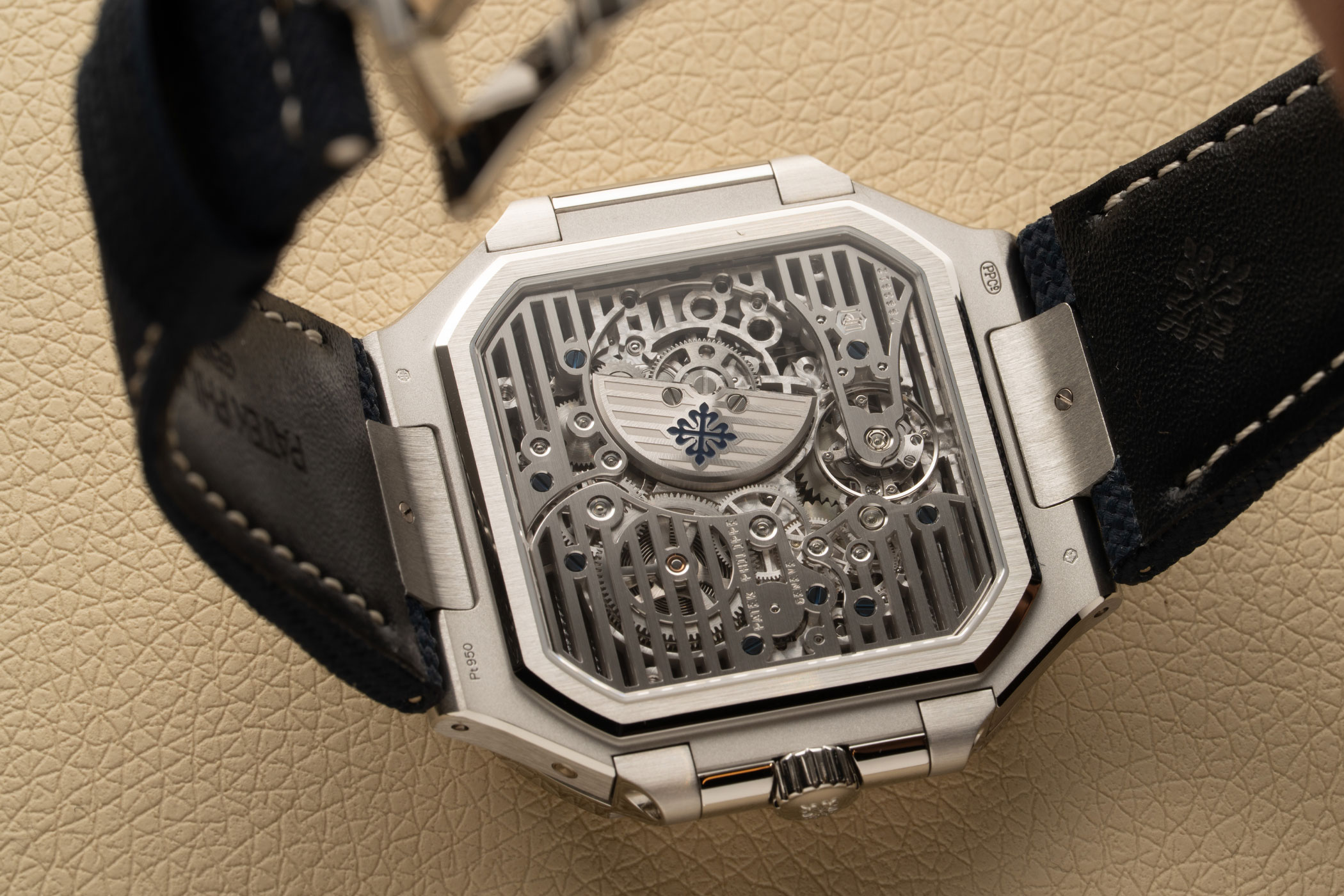
Launched in 2024, the Cubitus collection was the first new line from Patek Philippe in 25 years. To some, it is the square Nautilus. “I’ve always liked the square shape and had a very specific one in mind. It shouldn’t be too traditional or too classic, but rather a bit sportier, water-resistant and, in terms of design, suitable for younger people too. But definitely as flat as possible,” explained President Thierry Stern at the time, justifying the decision to go with the angular shape.
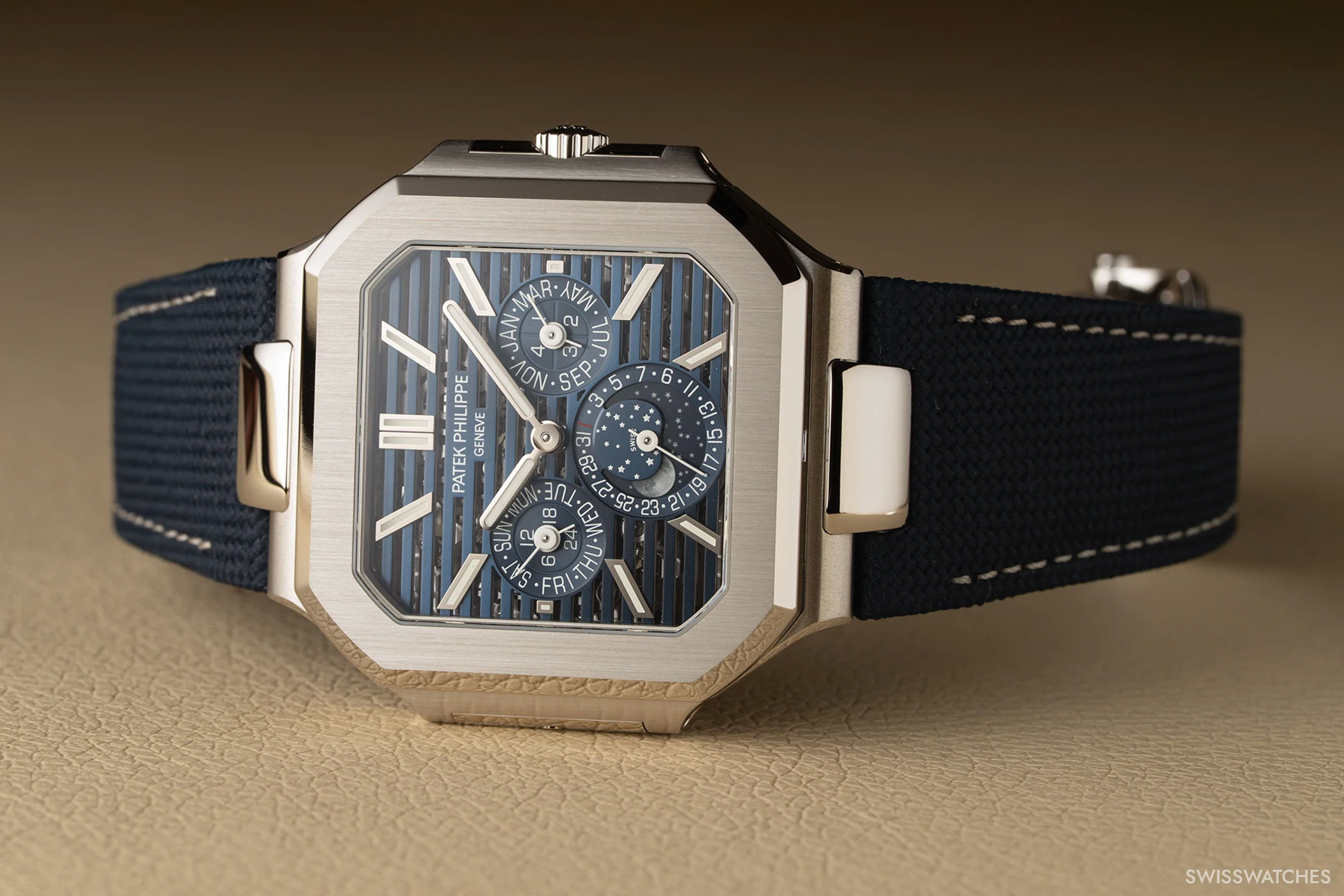
Now it is also available with a grand complication. The Cubitus Perpetual Calendar is housed in a platinum case measuring 45 millimetres in diameter and 10 millimetres in height. Its blue, open-worked dial, featuring narrow, laser-cut slats, offers a subtle glimpse of the bridges and plates of the square, skeletonised 3-hertz automatic movement 28-28 Q SQU.
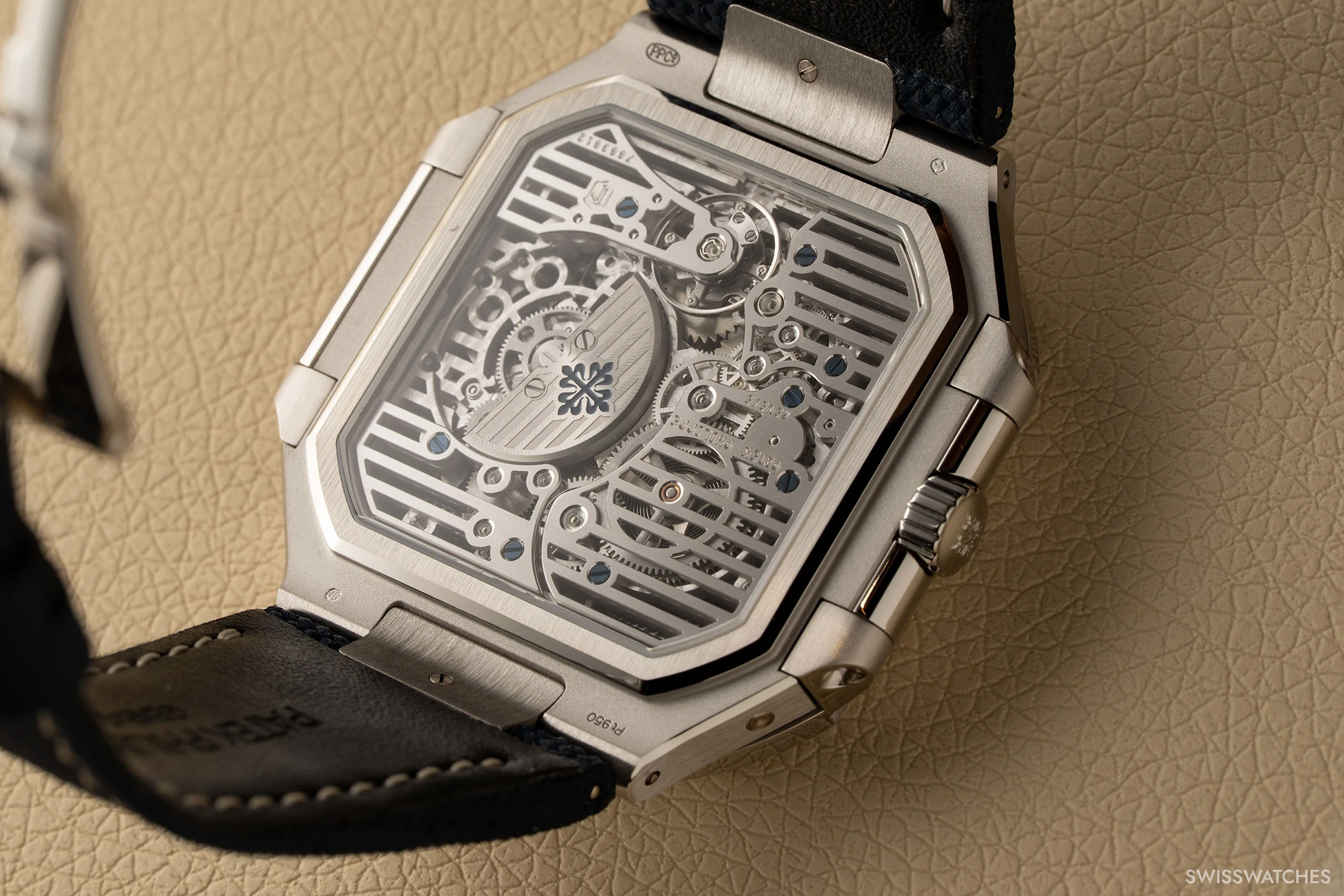
It measures 28.5 × 5.04 millimetres and features a rhodium-plated, off-centre micro-rotor in 22-carat gold, decorated with a Calatrava cross in blue lacquer, which provides a power reserve of 38 hours. In terms of functionality, the 28-28 Q SQU features displays for the day of the week, date, month and leap year, as well as a moon phase and 24-hour display via hands. patek.com
To mark its 150th anniversary in 2024, Piaget returned to the original design of its classic model with the launch of the Polo 79. The brand opted exclusively for precious metals: yellow gold was followed by white gold and a two-tone version.
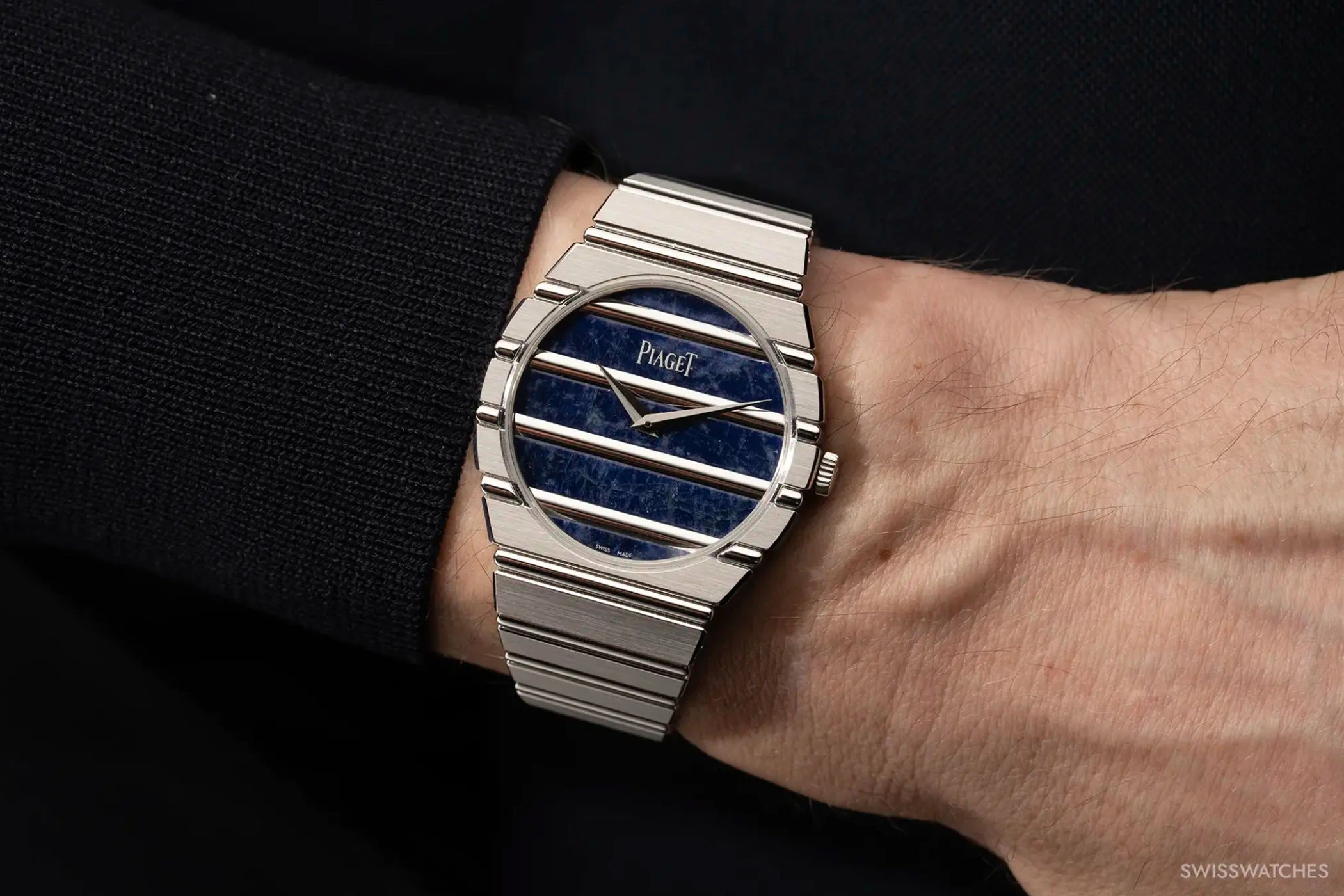
The watch’s dial is also particularly elegant, featuring blue sodalite from the silicate mineral group. Characteristic of this stone are the white or grey calcite veins, which make every stone – and therefore every Piaget Polo 79 dial – unique. Matching the 38 x 7.45-millimetre white gold case, which is water-resistant to 5 bar, the dial features the characteristic godronning, which breaks up the blue sodalite and defines the geometric, graphic look of this two-hand watch.
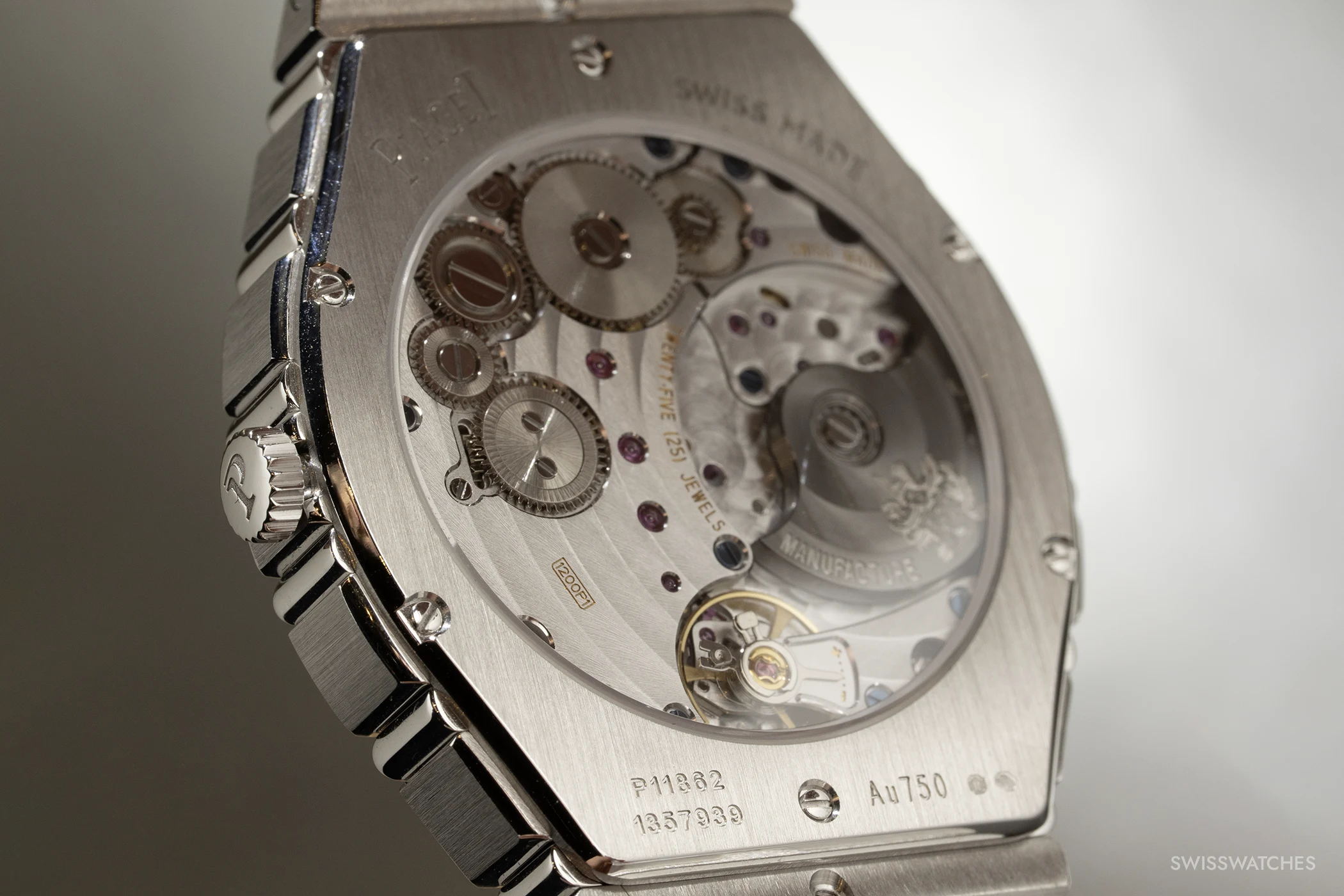
Inside the Piaget Polo 79 Sodalit – as with its predecessors – beats the automatic in-house calibre 1200P1. It oscillates at 3 Hz and offers a power reserve of 44 hours, driven by a micro-rotor crafted from 22-carat gold. With a diameter of 29.9 millimetres, the movement measures just 2.35 millimetres in height. The development of this successor to the 12P calibre took three years. The intricate decorations include, amongst other things, Côtes de Genève, circular graining, bevelling and satin finishing. piaget.com
After seven years of development, Vacheron Constantin’s 3-Hertz Calibre 2550 makes its debut in the Overseas Automatic Extra-Thin, limited to 255 pieces. At just 2.4 millimetres thick, it is one of the thinnest automatic movements in the world.
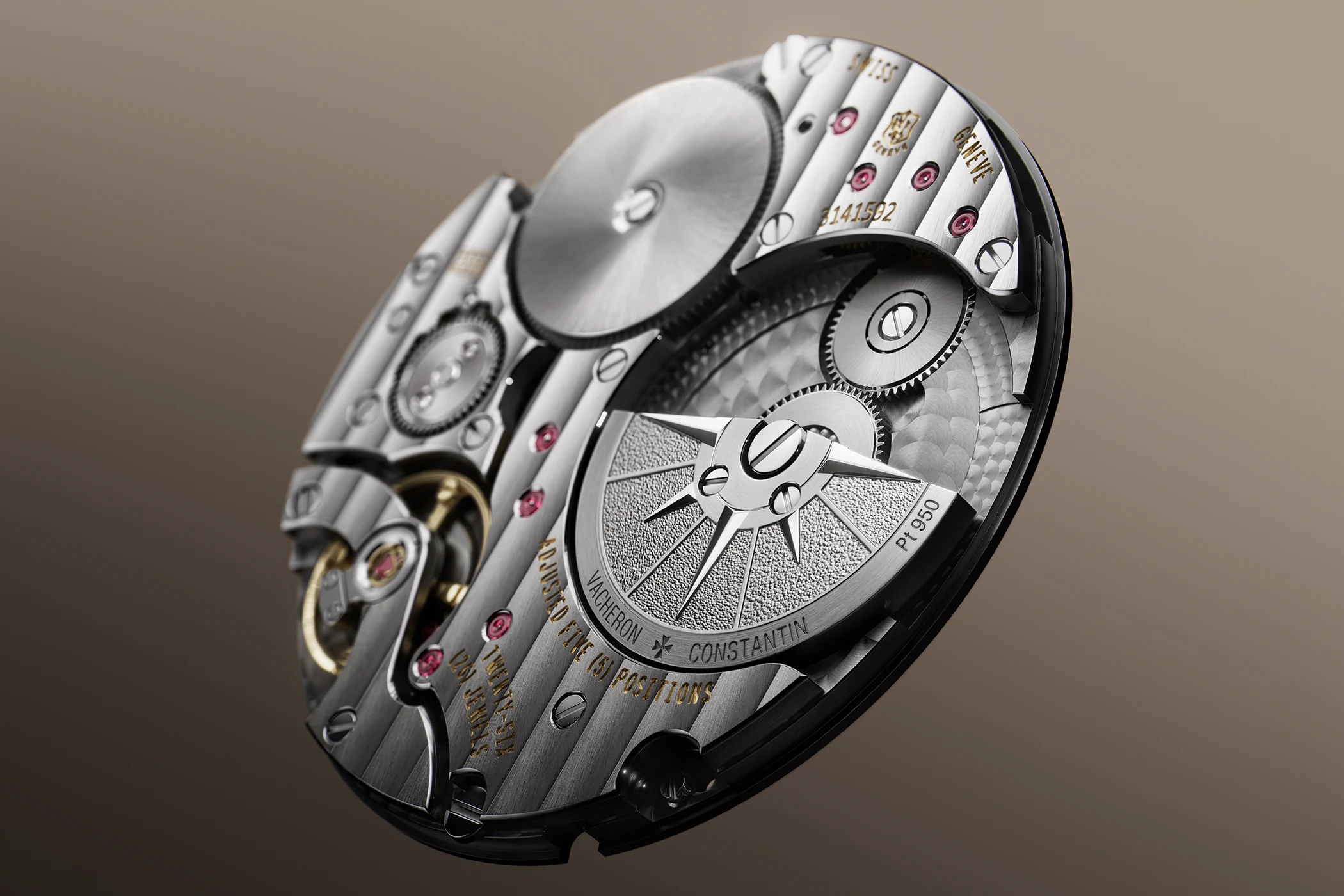
At the same time, it offers a generous power reserve of 80 hours. This is made possible by a space-saving platinum micro-rotor, a double barrel mounted on a floating support, and a gear train that is also partially mounted on a floating support.
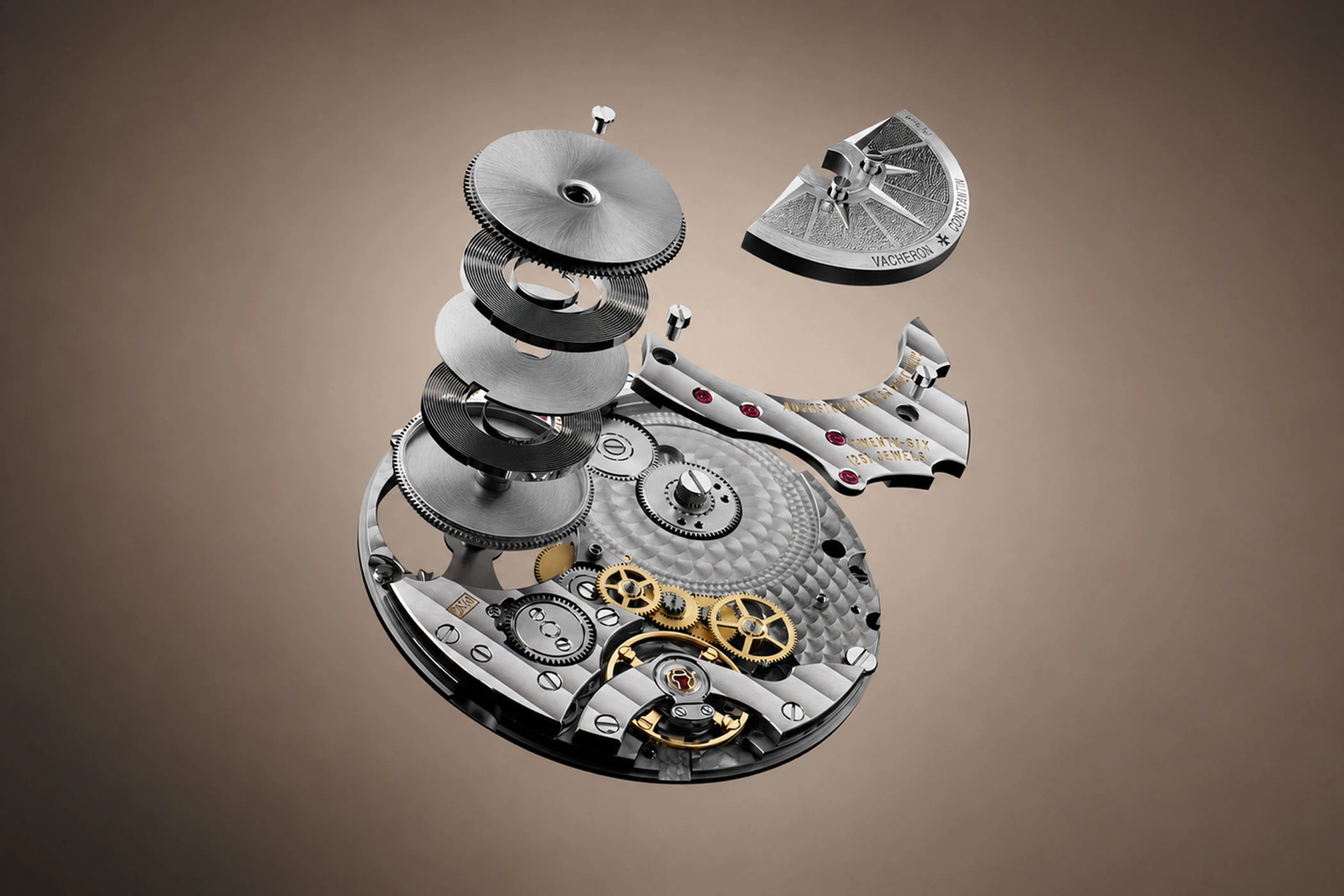
The movement is elaborately decorated with perlage, Côtes de Genève, bevelled edges and sunburst finishing. The micro-rotor is also adorned with an engraved compass rose, symbolising the spirit of discovery embodied by the Overseas collection.
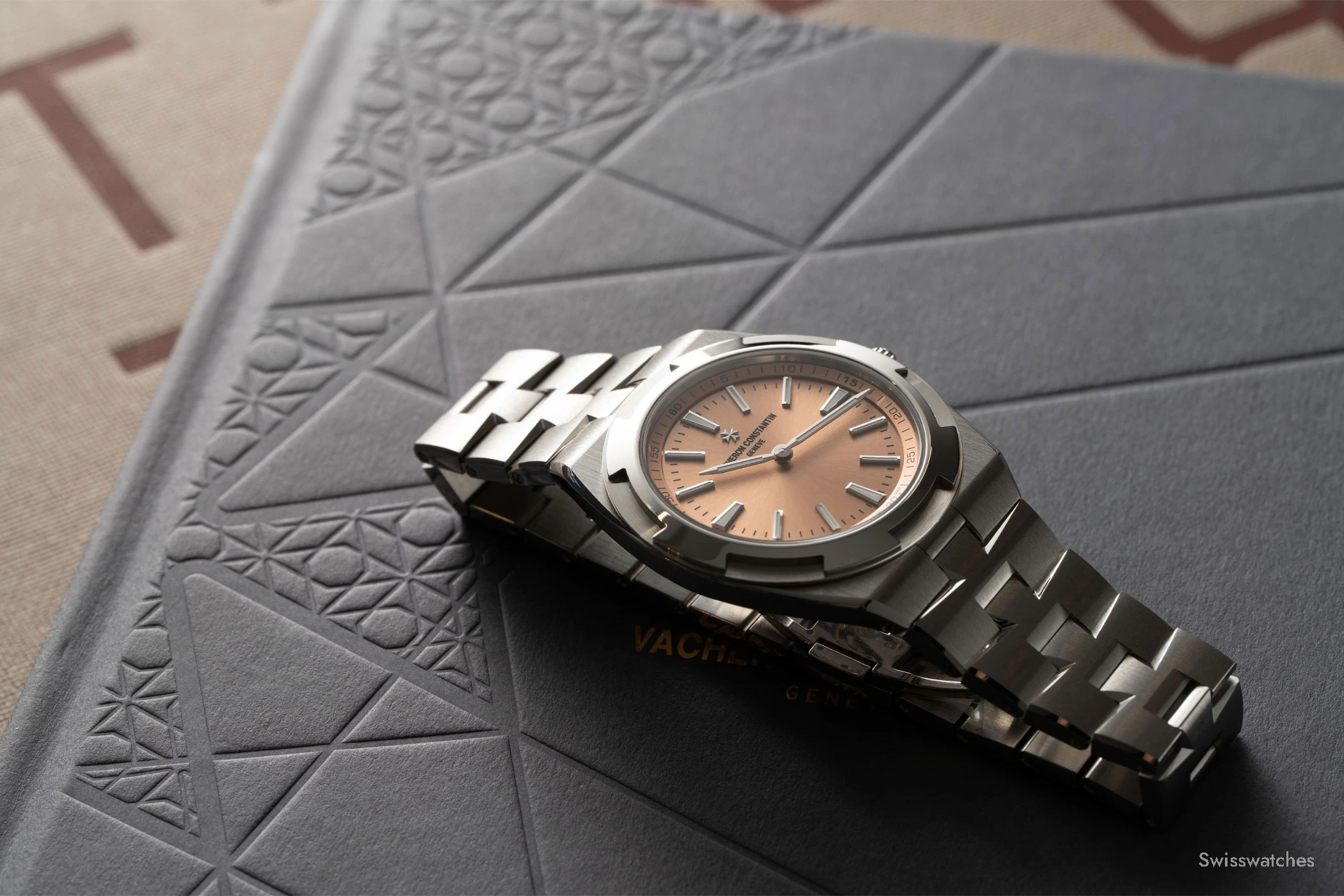
The newly developed movement, with a diameter of 30.6 millimetres, allows the watch to have a total height of just 7.35 millimetres. This makes it the slimmest Overseas model currently available. The case has a diameter of 39.5 millimetres and, for the first time in this collection, is made of platinum. vacheron-constantin.com