


Breguet celebrates 225 years since the invention of the tourbillon by A.-L. Breguet with four new anniversary models.

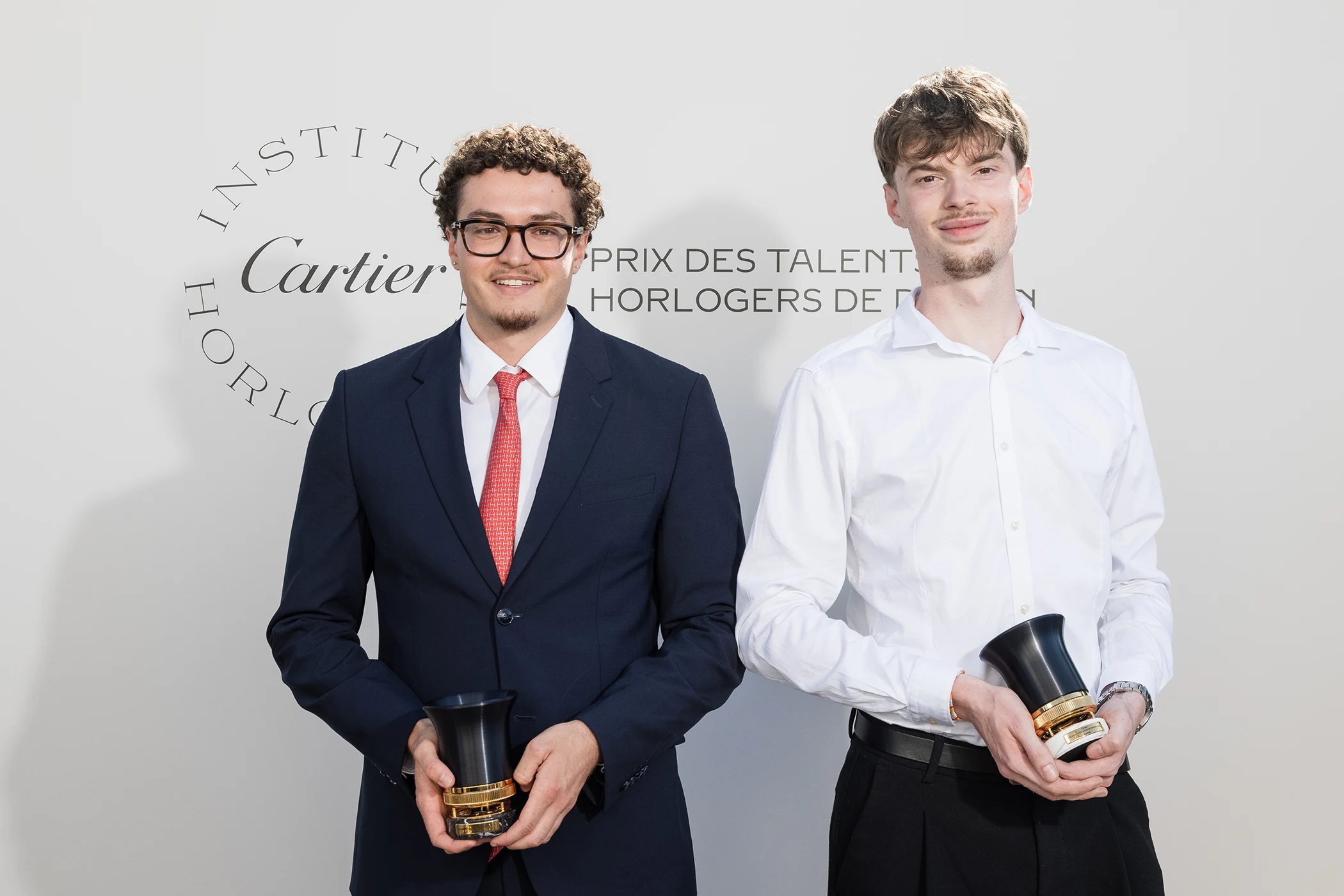
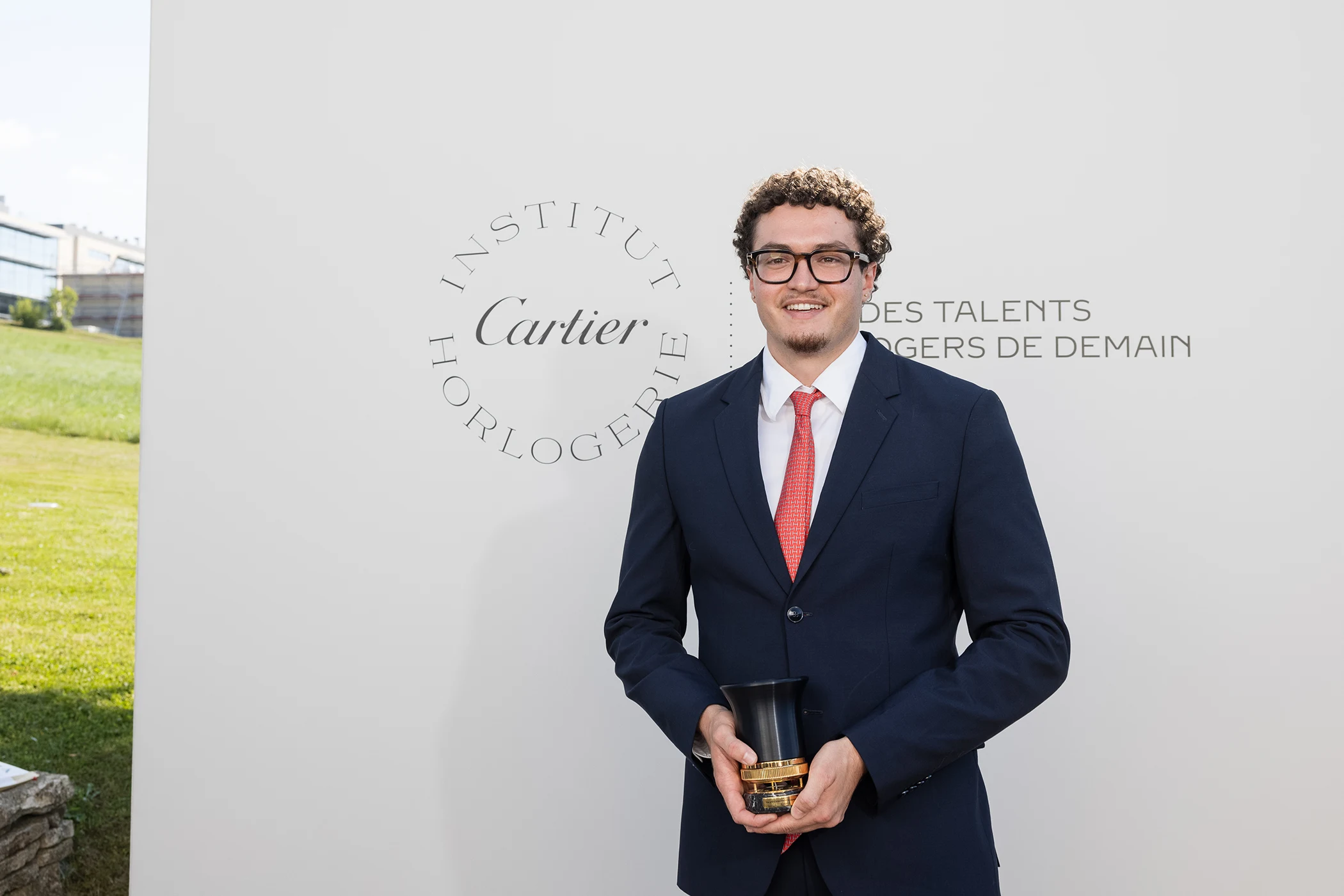
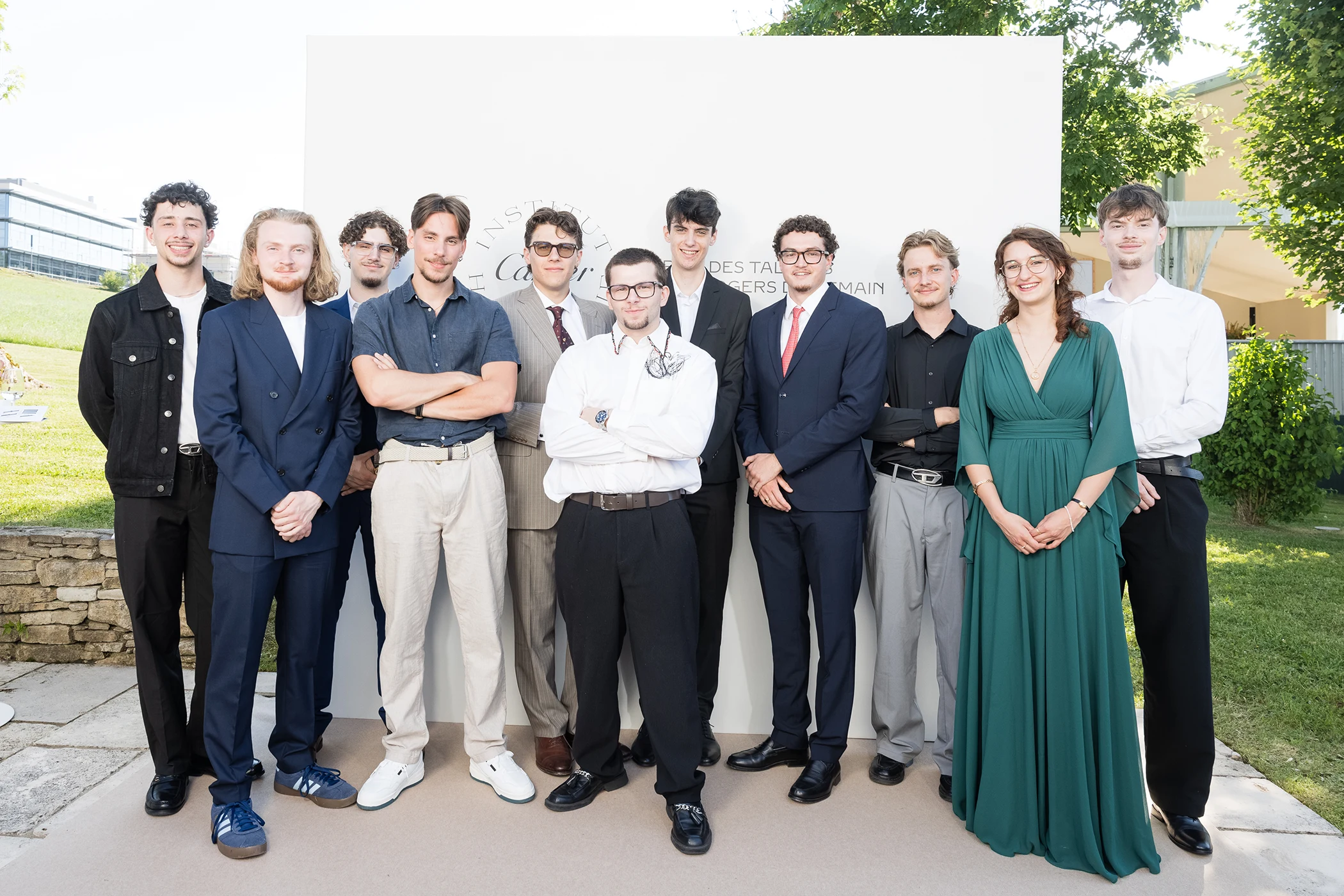
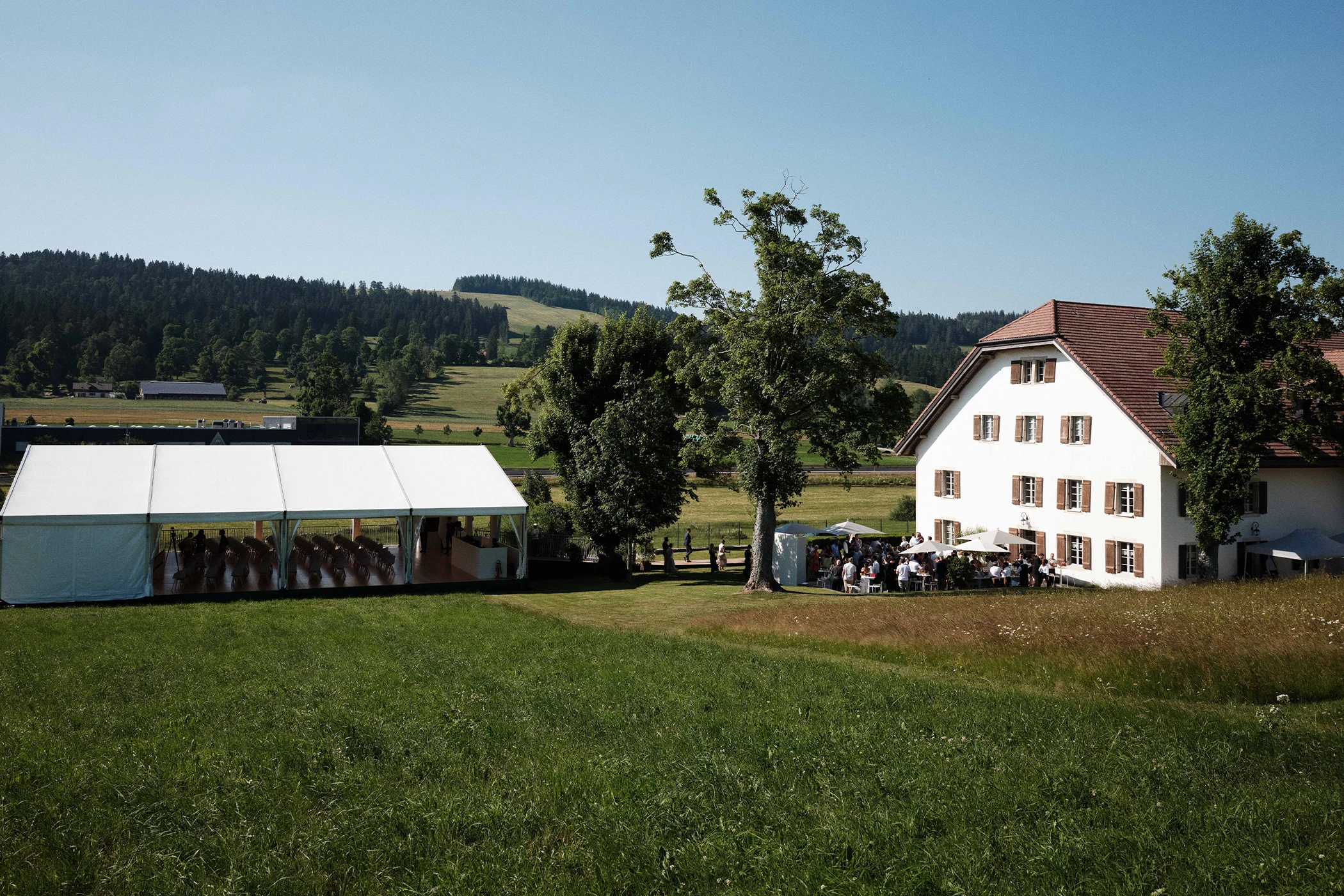
Arthur Choquet, aged 23, stands on the stage of a marquee in a dark blue suit and says: “I’m very proud – and feel encouraged to carry on!” The young man has just won the “Cartier Talents Horlogers de Demain Award”. He looks out at his fellow students and competitors, at the journalists and Cartier management in the audience, with an old farmhouse behind them that houses the ‘Métiers d’Arts’ department and its master craftsmen. Behind him, beyond the marquee, stands Cartier’s vast production facility in La Chaux-de-Fonds, Switzerland. The scene encapsulates his situation: Choquet and his fellow competitors have made their mark. In the heart of Swiss watchmaking, but above all: at the centre of Maison Cartier’s attention.
The “Cartier Talents Horlogers de Demain Award” is of growing importance to the organiser. The award serves to nurture new talent, but also to encourage them to come up with new ideas. Or, as Karim Drici, the Manufacture’s Chief Operating Officer, puts it: “The transfer of knowledge and the associated preservation and development of craftsmanship is, in the best sense of the word, our obsession. We love passing on knowledge, and as a leading maison, we also regard it as our duty. Through this award, we are supporting interest in watchmaking and artisanal trades, both of which we feel are becoming increasingly popular. In our digital world, many young people simply long for a job where they can create something with their hands.”
Although Cartier does not – at least officially – regard the award ceremony as a recruitment initiative, but rather as a commitment to the entire industry, it is not denied that the prize has, in the past, certainly led a number of young talents to jobs in the Cartier workshops. This is despite a highly competitive environment. Ultimately, a team that has gained greater recognition and strength through the prize is an asset in itself; after all, the aim is not only to respect and preserve the house’s long history, but also to enrich it with fresh ideas.
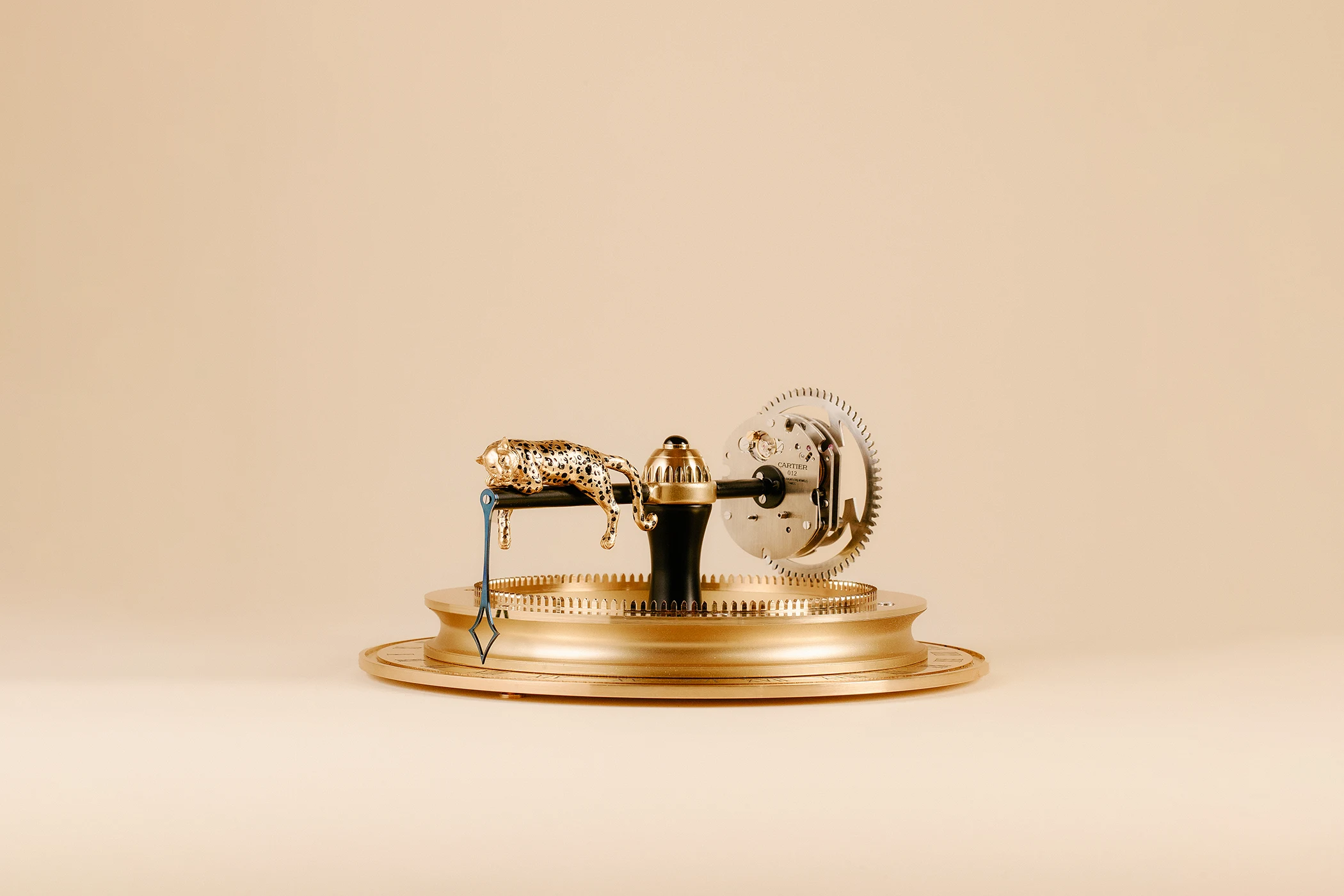
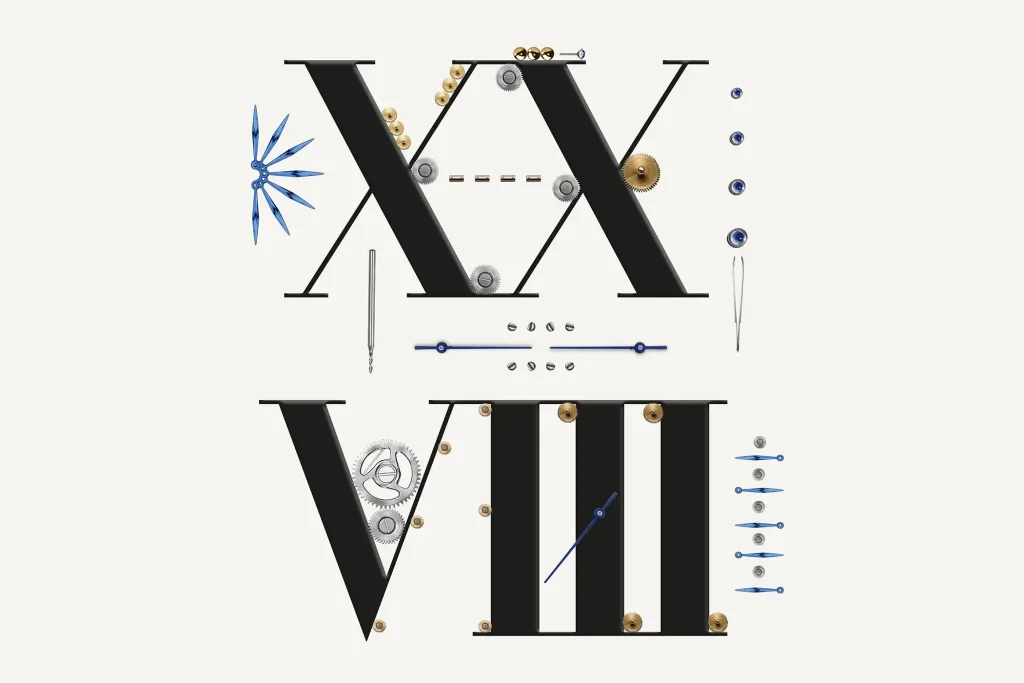
The award has been presented since 1995, and this marks the 28th time that a challenge has been set for the next generation of watchmakers. This year’s challenge was: “A new definition of balance: interpreting and understanding time in a different way.” After all, Cartier is renowned for its extraordinary design language, which must always be imbued with function. However inexhaustible the brand’s archives may now be, the desire to be surprised by the entrants remains just as strong. The theme therefore encouraged participants, whilst working on a pendulum clock movement, to depart from conventional methods of displaying time and instead to adopt a bold approach to design. After all, Cartier has a long history of producing distinctive table clocks, and models such as the Mystery table clocks from the 1920s, with their seemingly free-floating hands, have long been fetching record prices at auctions.
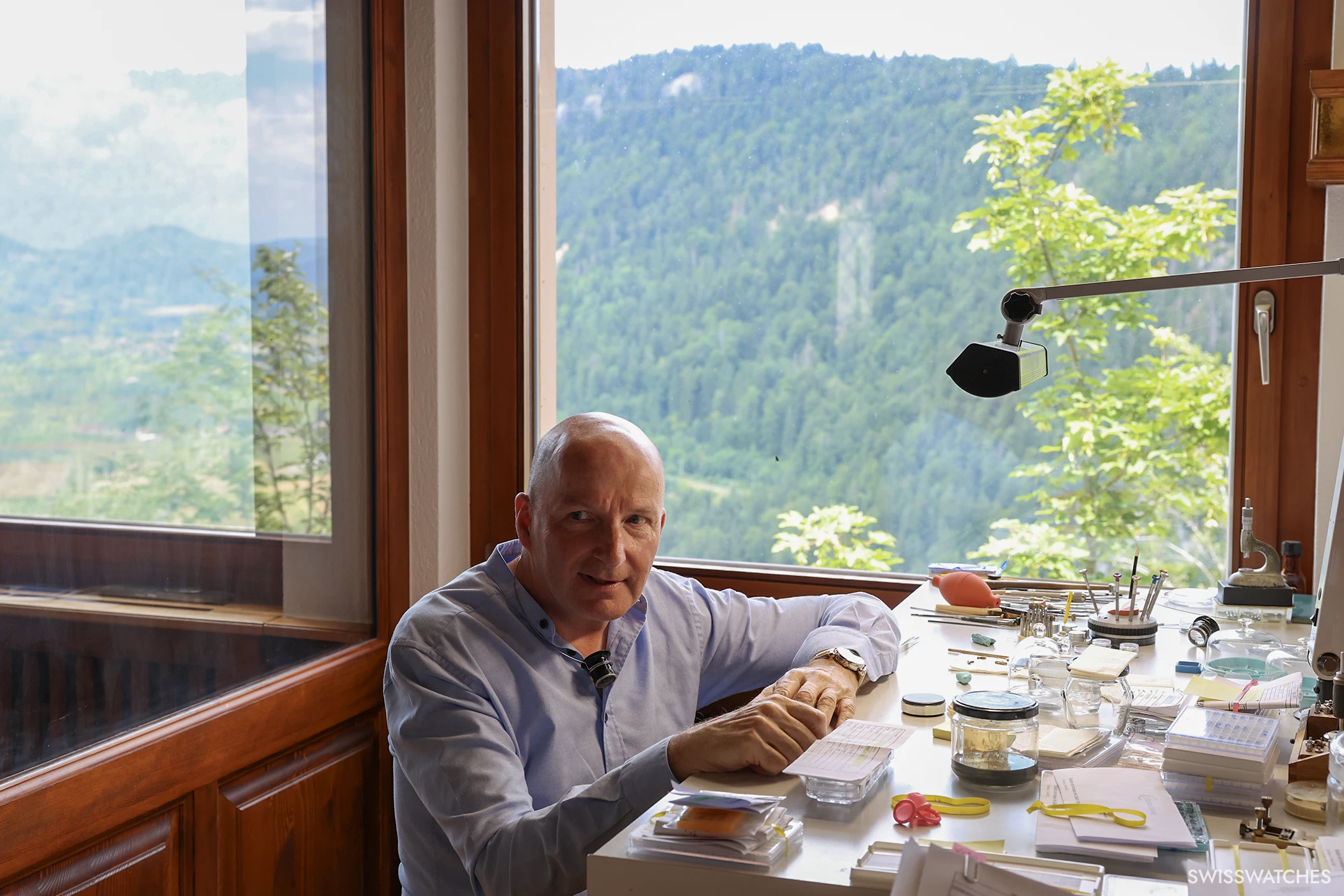
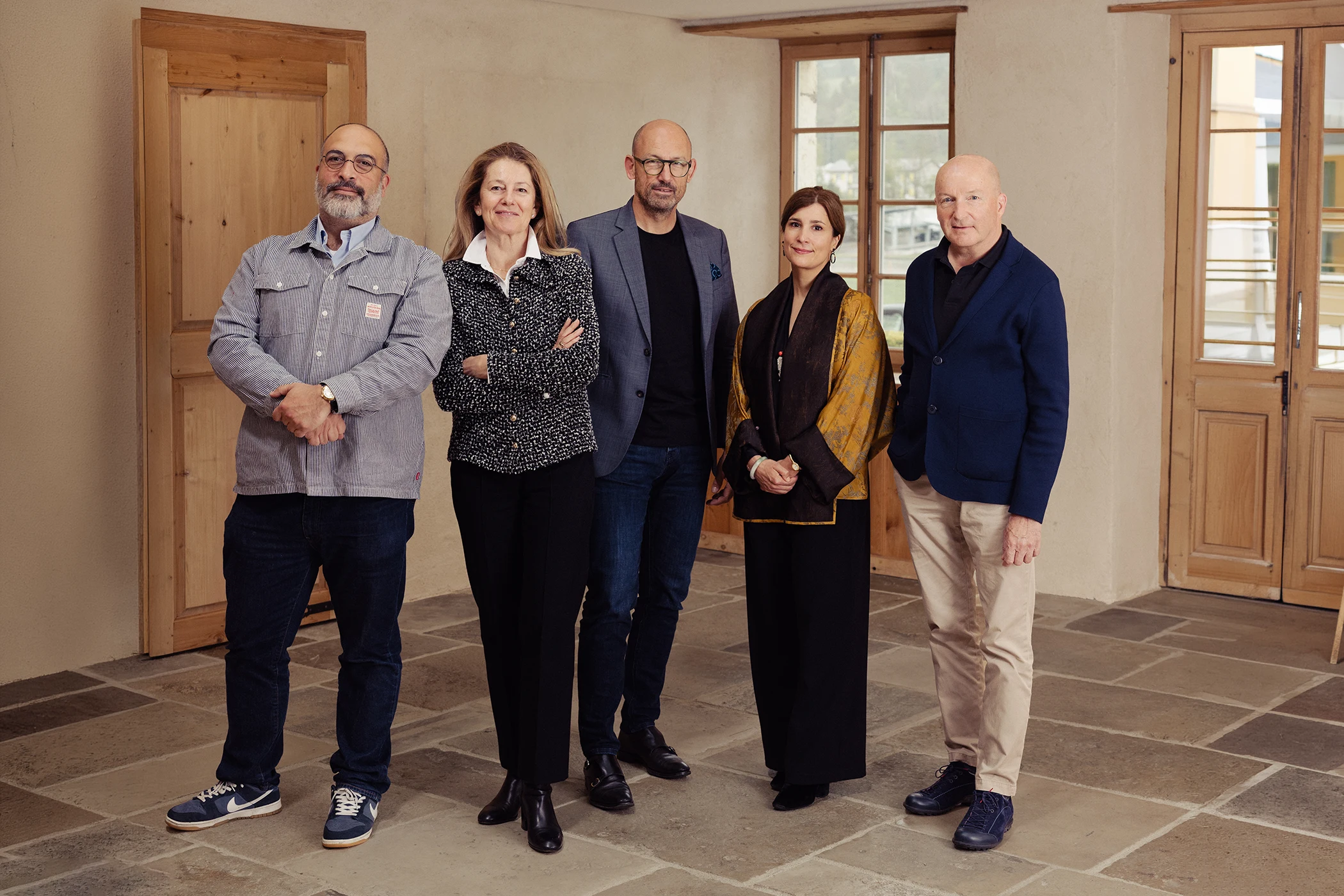
The high standards set for the in-house awards ceremony are also reflected in the members of the committee that decides on the submitted proposals. Alongside Pascale Lepeu, Head of the Cartier Collection, Kari Voutilainen is particularly worth mentioning; his name has long since become a seal of quality in its own right within the world of independent watchmaking.
His technical expertise is complemented by that of the collector and watch dealer Roy Davidoff, who has extensive experience in the trade of historic timepieces and is likely to have brought a particular flair for assessing both commercial and emotional aspects to the judging panel. Nathalie Marielloni, a member of the judging panel and director of the International Watch Museum, describes the selection process as follows: “In the first round of selection, we assessed the originality of the designs with regard to their respective concepts and their creative and technical ingenuity. Those who made it through this preliminary selection were given 80 hours of design time and a budget of 500 Swiss francs to bring their idea to life. That really isn’t a particularly long time or a large amount, which makes what was achieved in such a short space of time all the more astonishing.”
Pascal Ravessoud, juror and Vice-President of the Fondation de la Haute Horlogerie, adds: “In the next stage, we then focused on several aspects. Consistency, for example, was important to us – in other words, ensuring that the project still reflected its original presentation at this stage. Functionality was also extremely important: the question being, ‘Can the idea be reliably implemented?’ We also assessed the finishing and the quality of craftsmanship, and finally evaluated the entrants’ communication. This involved, for example, the respective project diary and its expressiveness, because an idea must not only be realised but also consistently communicated to the outside world.” Naturally, some concepts had particularly moved the jury, which meant that the decision was ultimately a very close one. That is why priorities had to be set when awarding points. Ravessoud: “Functionality is the most important thing for us, followed by the craftsmanship, the finishing touches and the overall appearance of the object, and thirdly, the creativity and uniqueness of the idea.”
The Young Talent Award was once open only to entrants from Switzerland, but applications now also come from France, Belgium and Germany. The entries were divided into two categories: younger apprentices and slightly more experienced technicians.
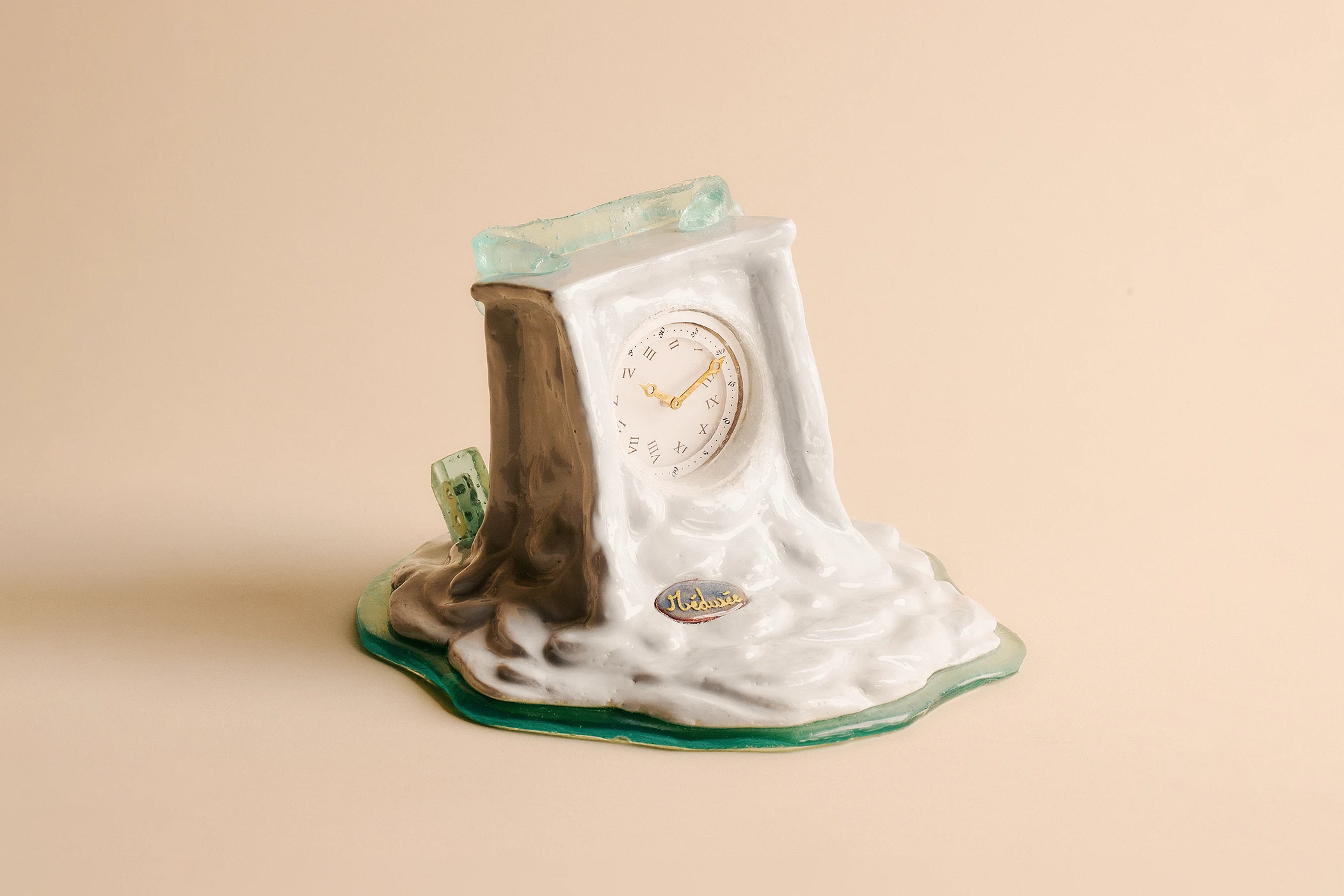
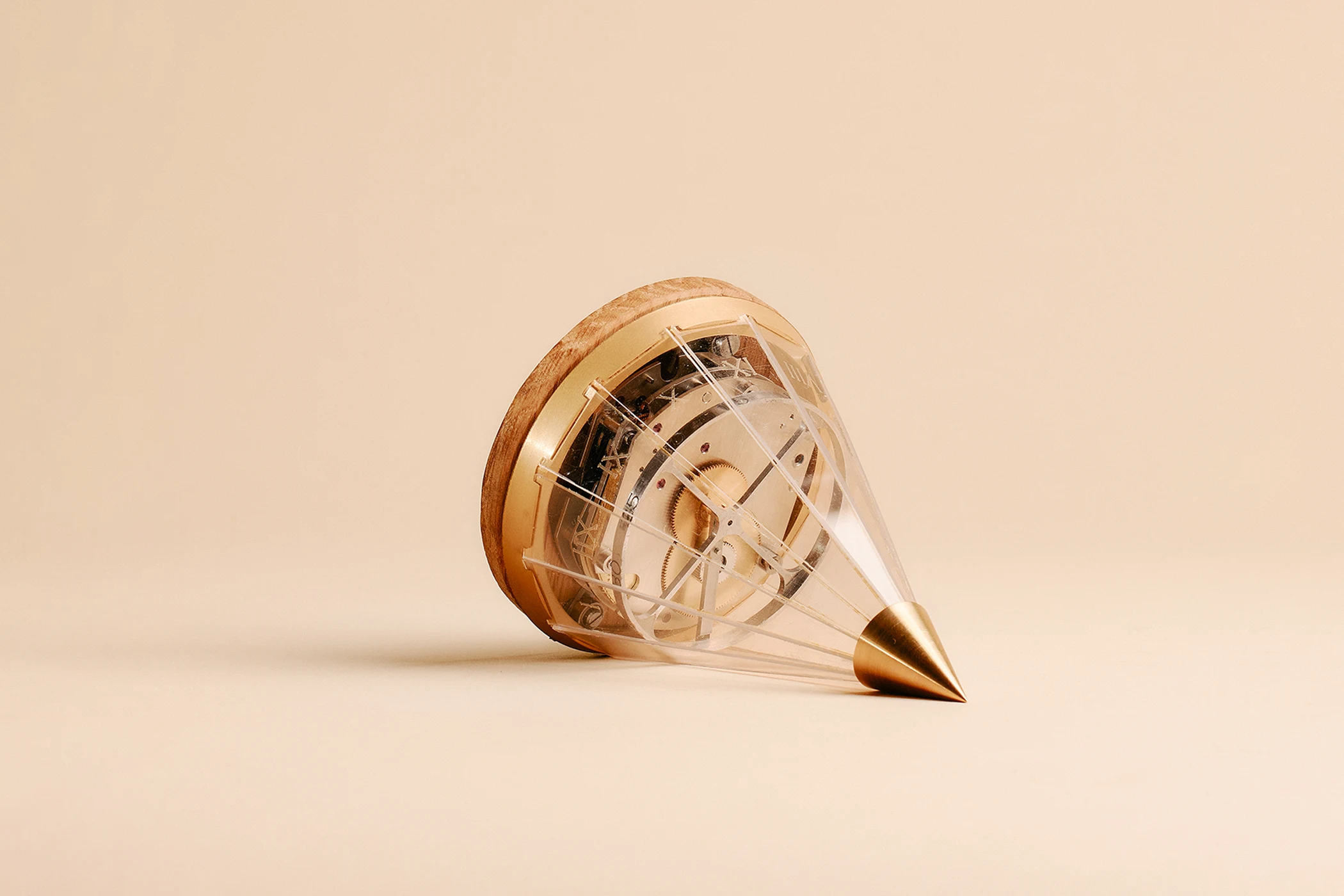
Eleven designs made it through to the final, and it is no exaggeration to say that these very different concepts impressively demonstrate just how diversely watchmaking can be interpreted, and that even in the 21st century there is still scope for completely new horological concepts. Adam Deroche from the Lycée Diderot in Paris, for example, designed ‘Médusée’, a table clock that appears to be melting; its horological innovation lies in the fact that the hands are fixed, whilst the dial rotates on two levels to display the time.
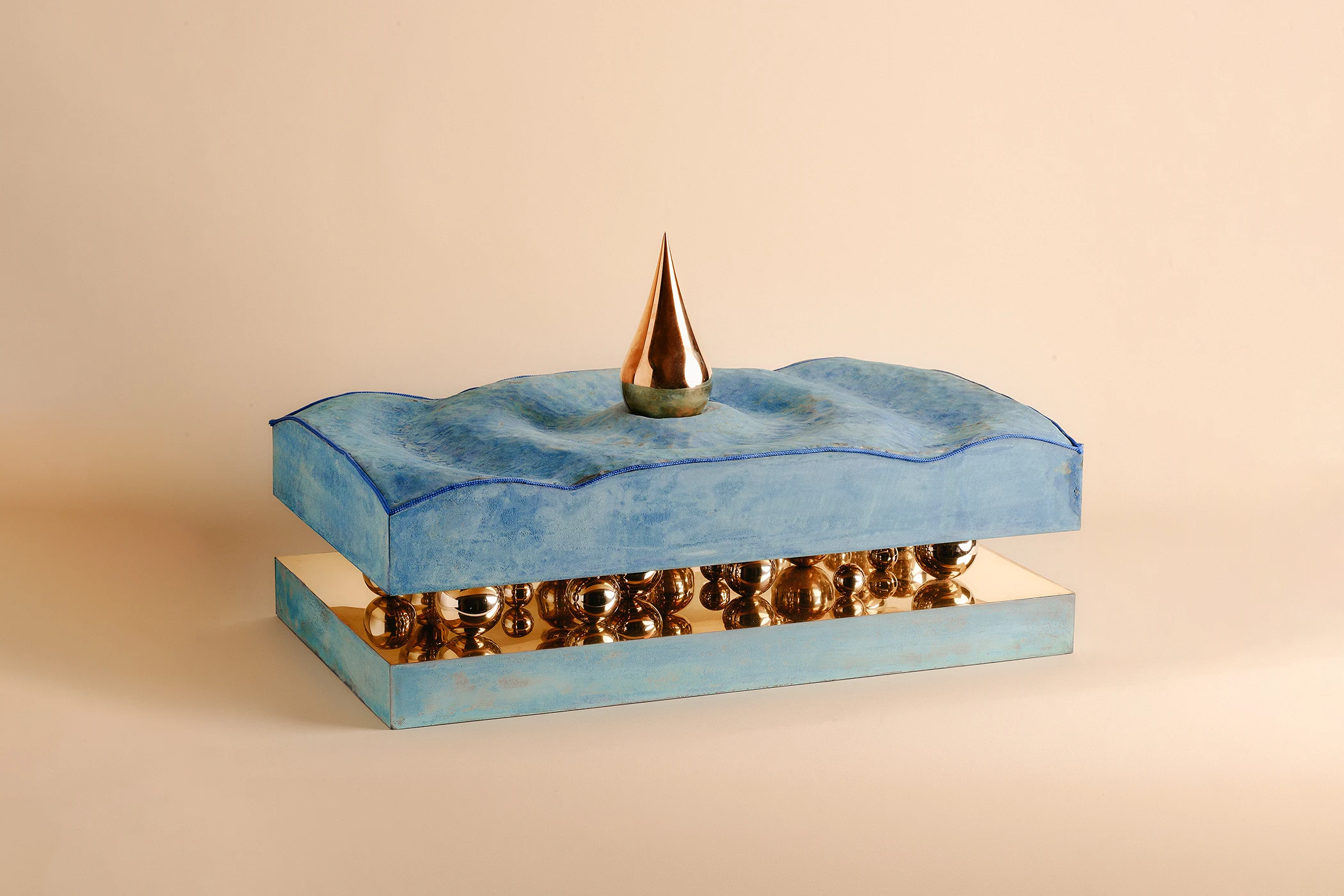
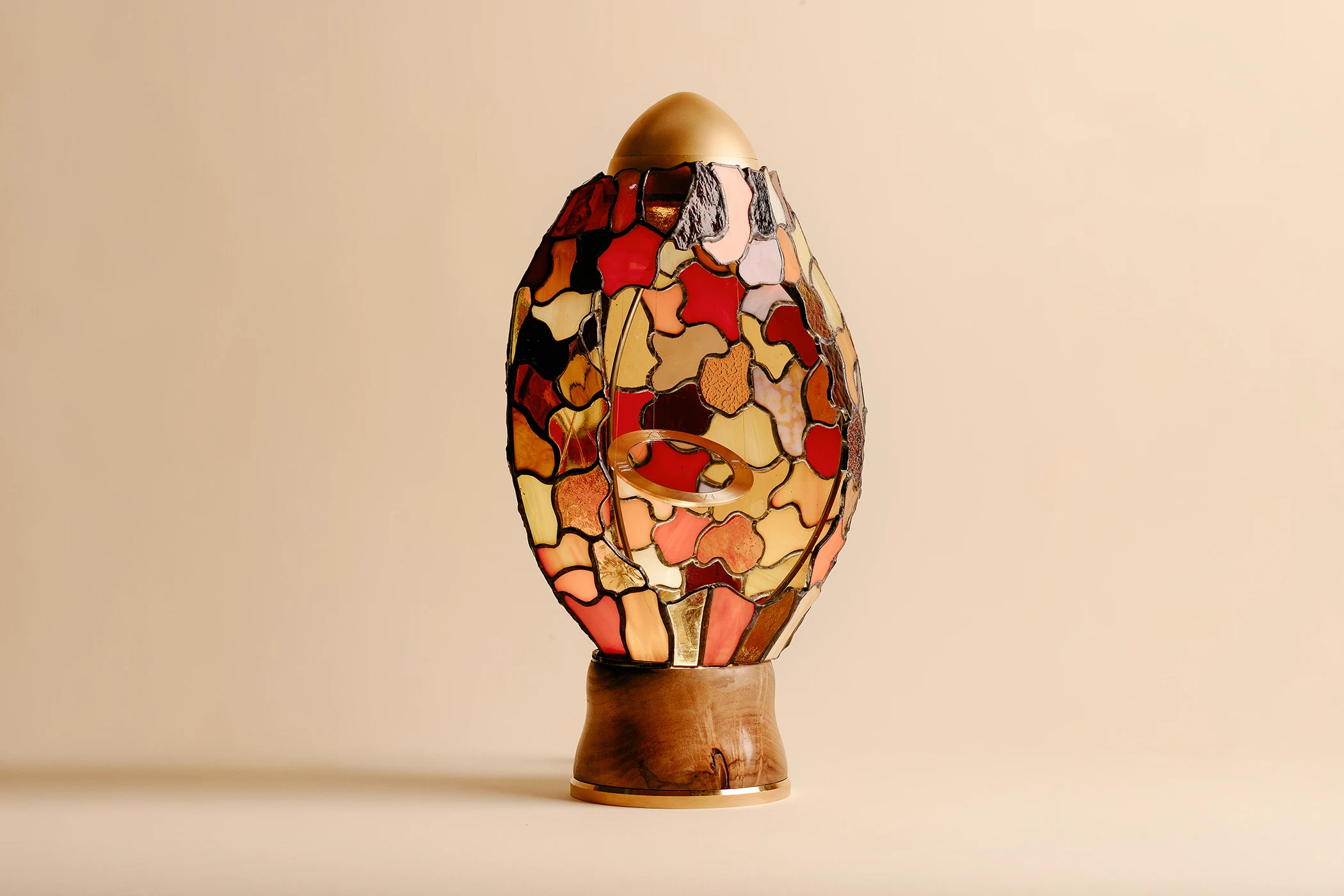
Another very special piece is the ‘L’Aube Fragmentee’ model, with the aesthetic of a Tiffany lamp, for which the designer, Valérian Faivre, worked on the glasswork alongside his aunt. Or Adrien Stefenelli’s ‘Écho’ design, which indicates the time with a sound just once an hour and aesthetically evokes the idea of a drop in water. Equally poetic is the basic concept behind Layla Sluymans’ work: in her mechanical water lily ‘Nymphea’, the time is clearly legible only every two hours, whilst in the intervening time, petals made of resin and limestone conceal the dial – because, according to student Layla, time should reveal itself only to those who truly engage with it.
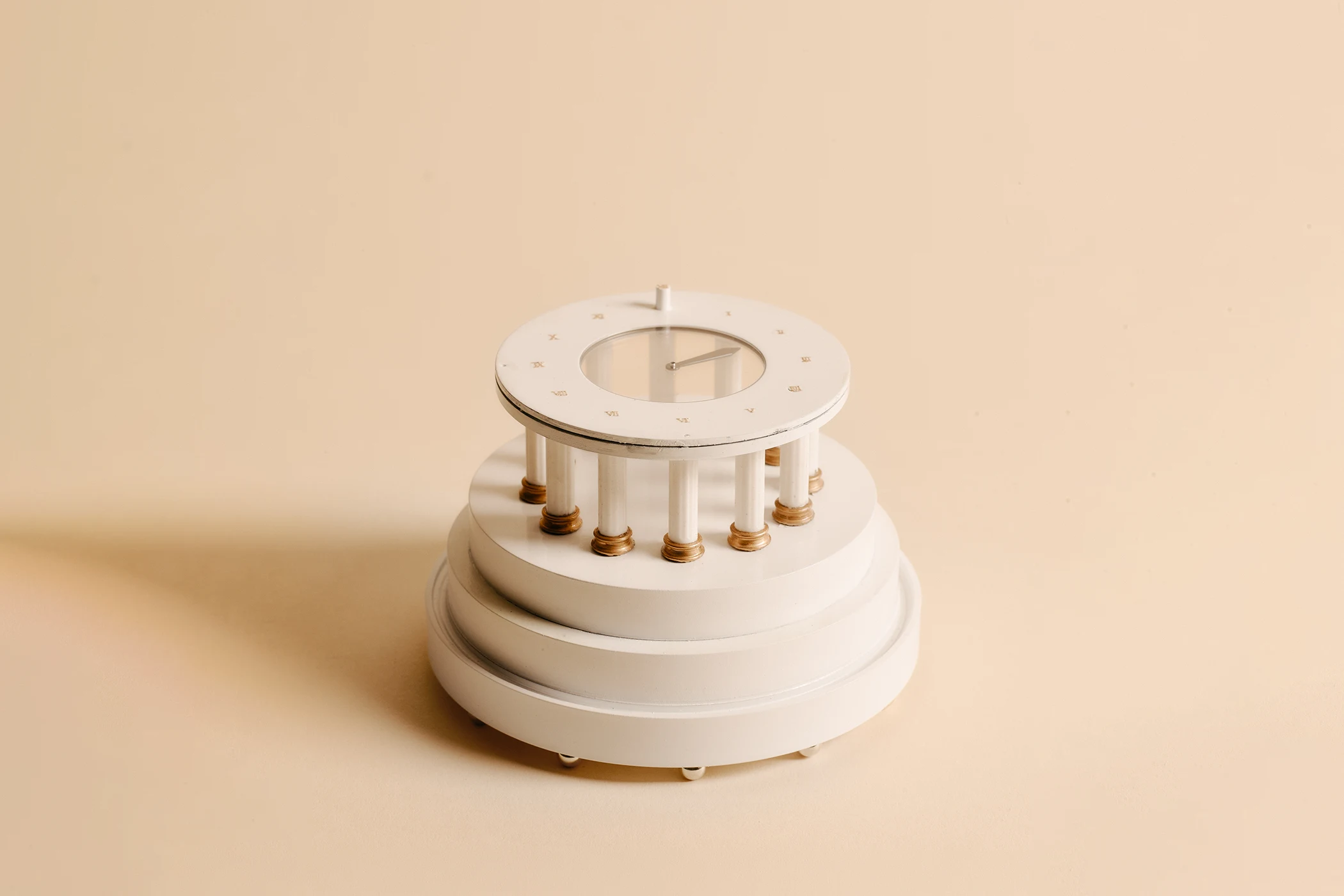
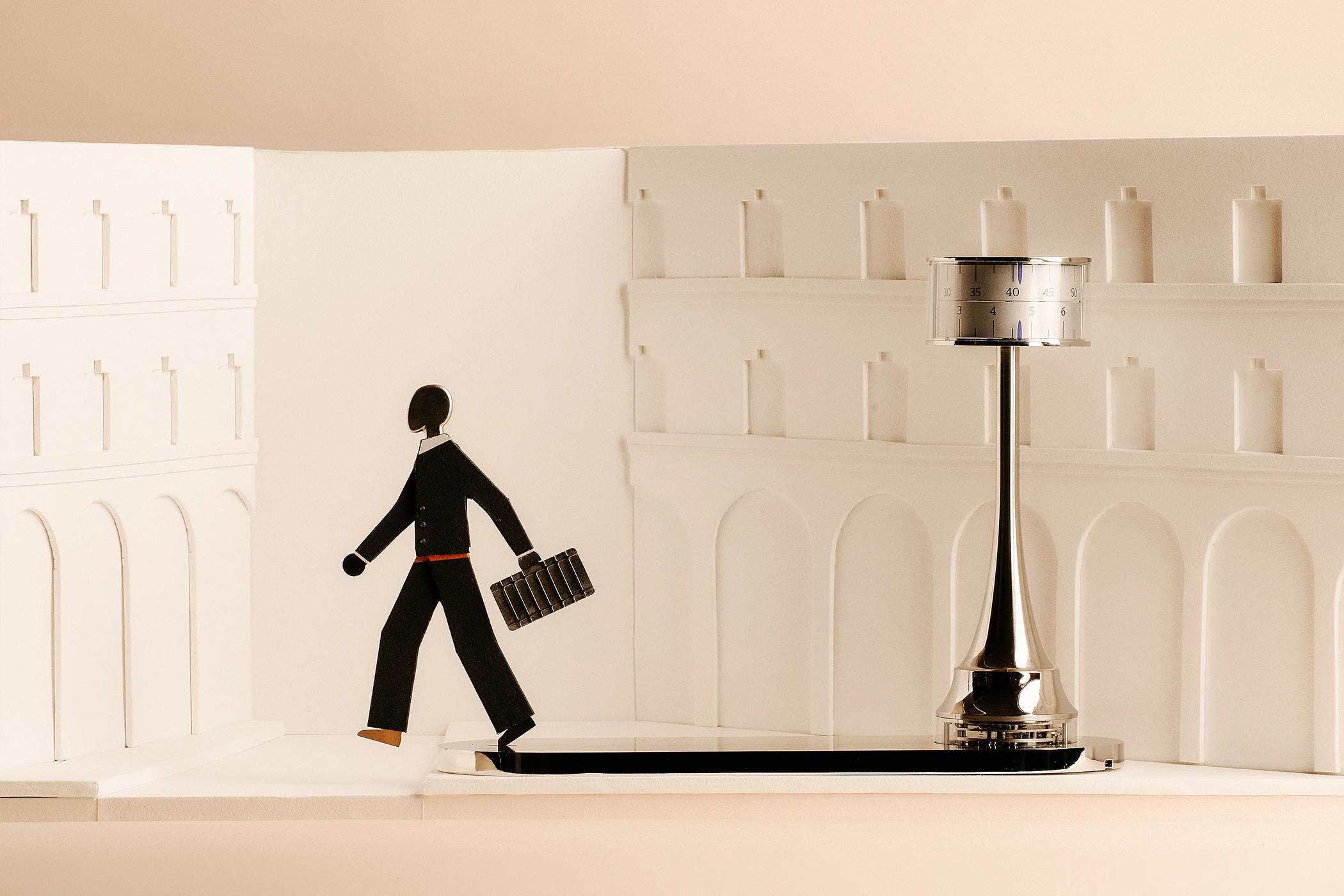
‘Un Instant’ – which translates as ‘a moment’ – is a highly sophisticated and unique creation that won first prize in the ‘Technicians’ category. Arthur Choquet from the Lycée des Métiers Jean Jaurès in Rennes, France, the mastermind behind this snapshot, did not simply build a watch. Rather, he designed an entire aesthetic and conceptual world around his entry. For him, his creation is a tribute to Paris, the home of Cartier. He was also inspired by a photograph by Henri Cartier-Bresson, who, in his image ‘Behind the Gare Saint-Lazare’, captured a man in a hat attempting to jump over a puddle. Thus, Choquet combined the Haussmann-style architecture of the French capital with a figure frozen in motion and a table clock installed inside a miniature street lamp. He was fascinated by the idea that, in this object, the time marches on inside the lamp whilst the man beside it is forever frozen in that moment. Stillness meets movement; transience meets eternity.
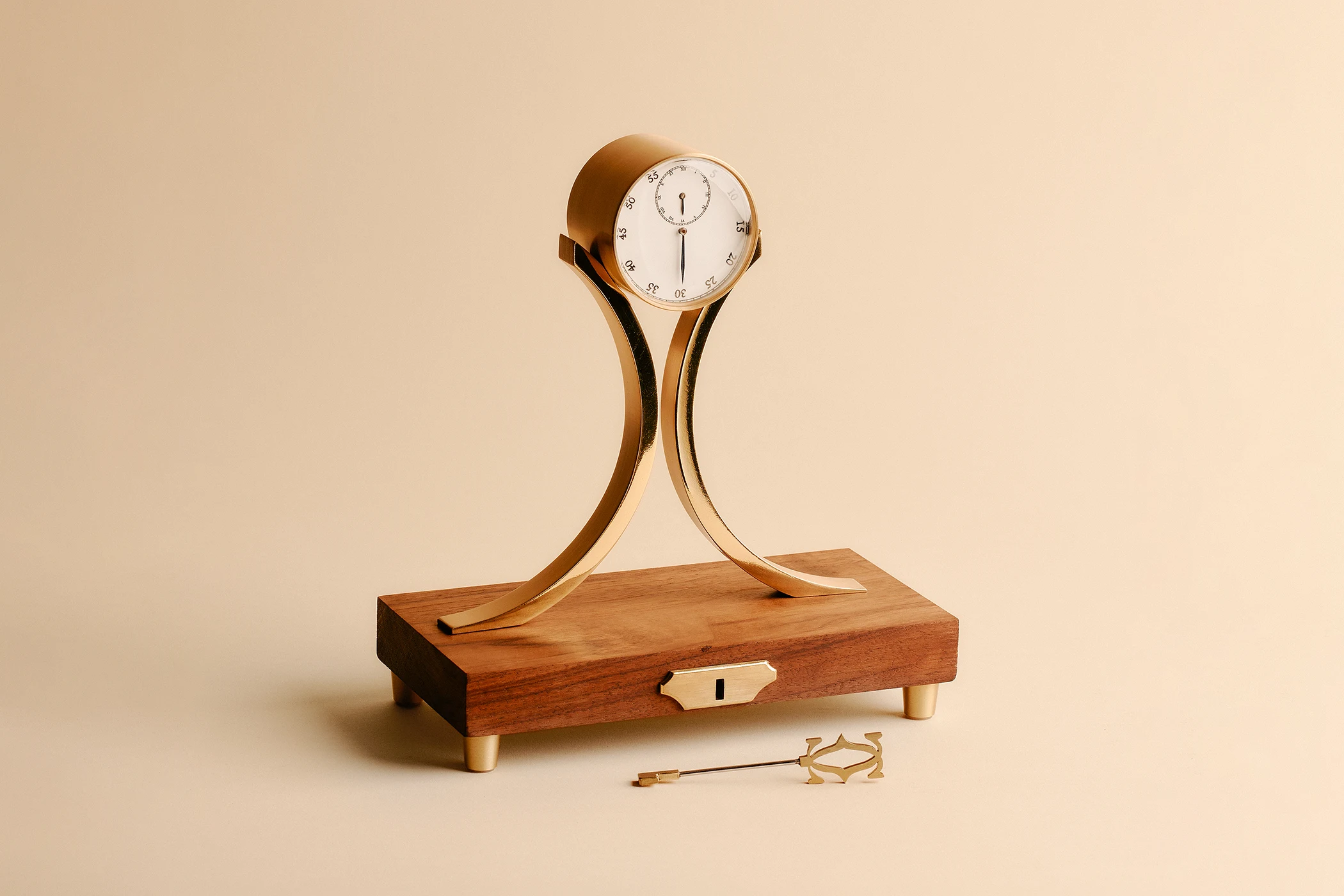
Meanwhile, in the trainee category, Aymeric Peters won with ‘Silence Choisi’, or ‘chosen silence’. His piece looks as though it could be incorporated straight into the current Cartier collection. The extraordinary feature of this table clock is the dial, whose case is held in place by two curved brass elements, and whose hands rest at six o’clock. The time is only displayed when a key is turned. The 21-year-old describes his mechanical concept as a variation on the reset mechanism for a split-seconds chronograph. The student admits that he had initially envisaged a mystery clock for the competition. But then he went to bed, and as he was drifting off to sleep, the idea came to him; he jolted awake and scribbled the thought on a piece of paper: ‘Turn a key to see the time!’ He says: ‘Because, to be honest, thinking about time stresses me out. Everywhere you look, people suggest that time is slipping away, that you’re getting older or that you need to hurry up. With my way of displaying the time, that pressure is at least taken away by the dial.”
As a reward for their efforts, the two winners, Aymeric and Arthur, can now undertake an internship at Cartier. However, they say that the journey to victory was a reward in itself, during which they learnt a great deal. Through the tasks set, the students effectively became project managers along the way, as, in addition to technical expertise and creativity, they also had to meet deadlines and seek support for building the watches. They say the initiative is unique in its approach, and the pair hope that other manufacturers will also focus on collaboration with relevant schools and institutions in future – so far, Cartier has been quite unique in this respect.
Aymeric already has very specific ideas about his future; ideally, he’d like to run his own workshop. Arthur, meanwhile, has one main aim: to continue learning as much as possible from the best. Both share the conviction that they are working in a profession with a bright future; they explain: “You only have to look at how ubiquitous watches are on social media! All sorts of celebrities are passionate about them, and the collaboration between AP and Swatch is another example of the interest in the subject. That fact alone should secure our future.”
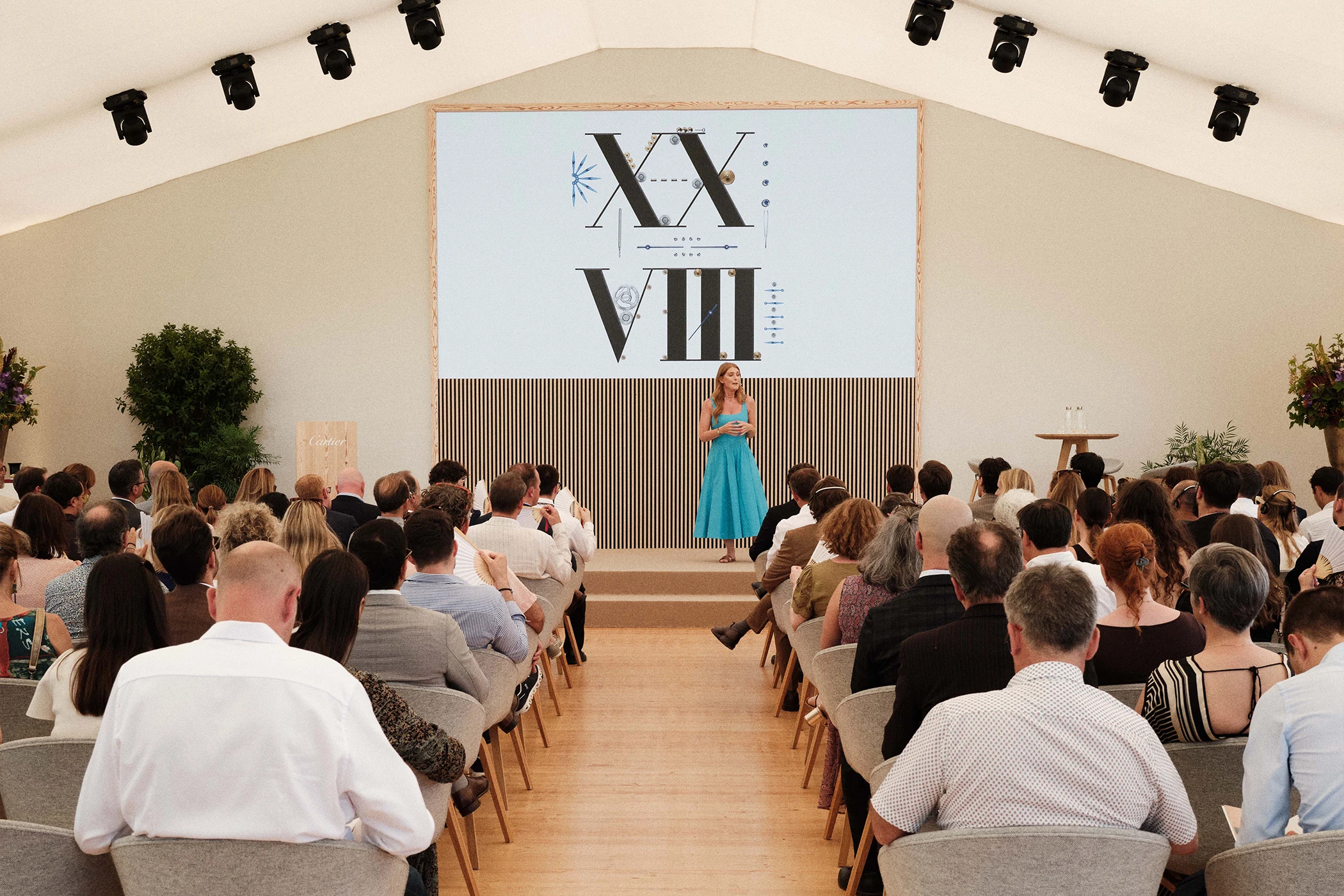
At Cartier, the Young Talent Award is seen as a project with potential, as the talent of the entrants and the emotional impact of their designs have made a lasting impression on the management. Even though, according to Arnaud Carrez, the manufacture’s Chief Marketing Officer, no competition entry has yet been turned into a production model: “But that is not the aim anyway; the award stands on its own, and represents our belief in craftsmanship.” He is delighted that the next generation shares Cartier’s fundamental conviction that a watch is no longer merely a timepiece, but an expression of style and emotion, of creativity and innovation. Next year, too, there will be a call for entries for the talents of tomorrow – possibly in even more countries. And because things are going so well for the watchmakers, the “King of Jewellers” is considering organising a competition for jewellery in the future as well. Talent must and should be nurtured.
If you’d like to find out what last year’s Prix Cartier Talents Horlogers de Demain was like, you can read our report from 2025 here