Gallet 2026: Erwan Rossignol talks about the brand’s comeback as a sister brand to Breitling, new collections & prices starting at 2,600 euros.

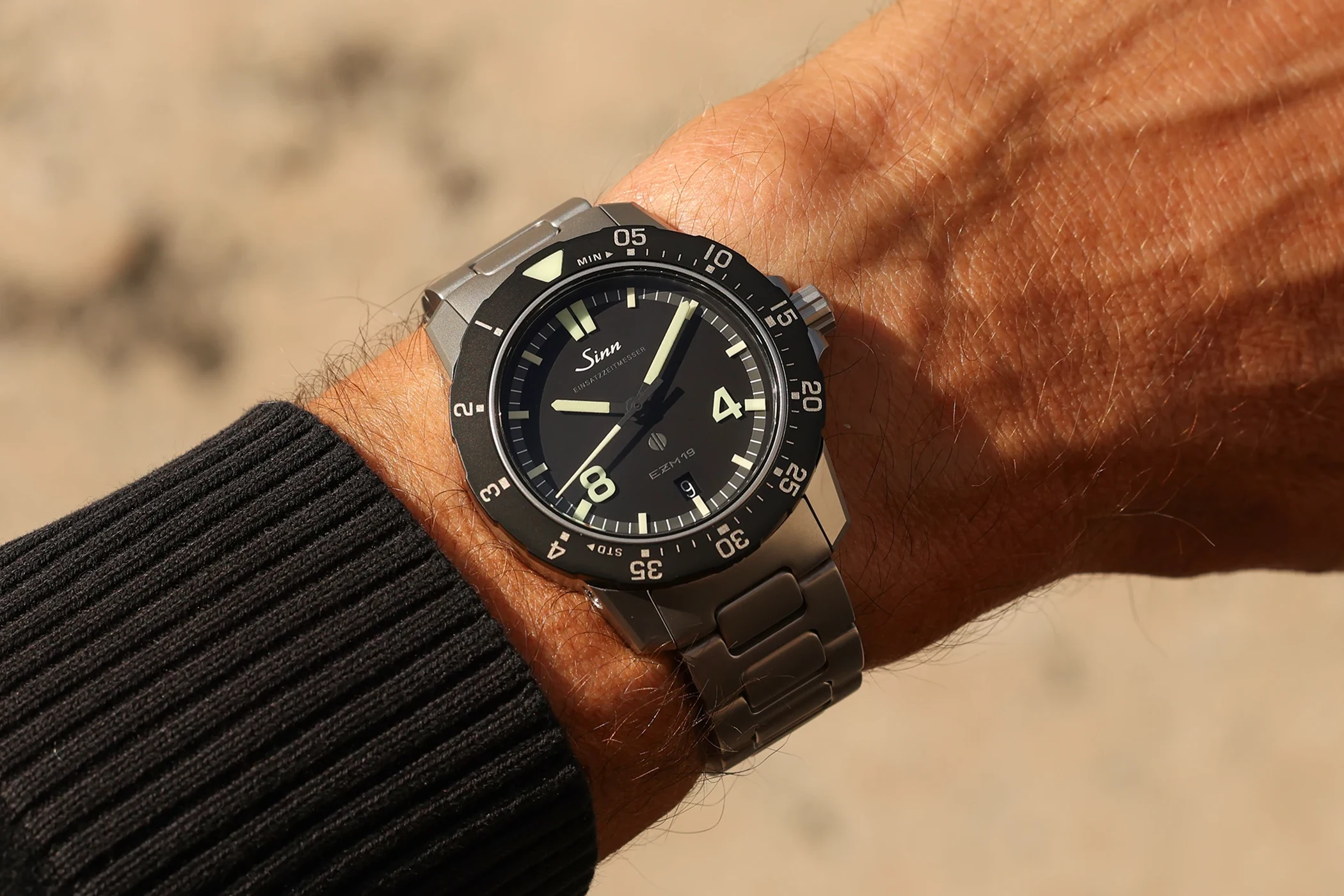
A mission timer for the crisis management team? At first glance, the new Sinn EZM 19 may seem unusual – not only because of its highly specialised field of application, but also because command-staff work often takes place away from the immediate scene of an operation. Yet when numerous critical pieces of information arrive simultaneously, emergency personnel have to be coordinated and decisions must be made under time pressure, time itself becomes a decisive factor in the operation.
This is precisely where the new Sinn EZM 19 comes in. Together with Tomas Stanke, senior fire officer and head of the Hattingen fire brigade, Sinn developed a mission timer specifically around the requirements of command-staff work. But how useful is such a ‘staff watch’ in practice – and what does it need to do? In this article, we take a closer look at the work of a crisis management team and examine the functions of the new model in detail.
In principle, not every incident requires a command staff. In small and medium-sized operations, the focus is on containing situations and restoring normal conditions in cases that are described in practice as ‘disruptions’ and ‘emergencies’. Command staffs, by contrast, deal with situations of greater scope, involving tasks whose failure can throw entire systems off course – depending on the circumstances, for example a company, a hospital, a public authority or an entire city. In such cases, the situation is classified as a ‘crisis’.
To manage such crisis situations and the risks they pose, a temporary command and coordination structure is established to consolidate information, prepare decisions and coordinate measures for dealing with the crisis – a so-called crisis management team.
In German civil protection, command staffs are therefore primarily understood as temporary command and coordination structures for exceptional situations. Within fire brigades, the police, rescue services and aid organisations, these bodies are referred to as ‘technical incident command’, ‘command staff’, or ‘crisis’ or administrative staffs. ‘Command-staff work’ is the more accurate umbrella term for what the people within these structures actually do, namely managing an operation as part of a command staff.
Fire and rescue services demonstrated their operational capabilities within crisis management structures during events such as the 2002 flooding of the Elbe, described as the ‘flood of the century’, the collapse of Cologne’s Historical Archive in 2009, the explosion at the Bayernoil refinery in Vohburg in 2018, the 31-hour power outage in Berlin in 2019 and the Covid-19 pandemic in 2020. Notable police operations managed through command-staff structures included the attack at and inside Munich’s Olympia shopping centre in 2016 and the security operation surrounding the G20 summit in Hamburg in 2017.
However, crisis or command staffs are not established solely because a situation is particularly exceptional or dramatic. They also become necessary when the normal organisational structure reaches its limits. In a crisis, large volumes of information, responsibilities and emergency personnel converge within a very short period of time and must be coordinated simultaneously. Fire services, police, the Bundeswehr and public authorities, for example, may share responsibility for managing a situation that develops dynamically and with only limited predictability.
While the operational units implement measures on the ground, the command staff creates the conditions that allow the operation to be managed effectively in the first place. The contribution of a command staff can be summarised in four key command functions. First, the staff itself must be operationally capable, meaning that it must be able to process information, prepare decisions and function effectively as a team. Second, the operation must be made manageable through clearly defined responsibilities, appropriate communication channels and a transparent command structure.
Third, the staff must create time advantages by identifying developments at an early stage and preparing decisions in good time. In this way, it should remain one step ahead of the evolving situation wherever possible. Fourth, the aim is to influence the further course of events in a targeted manner by identifying problems, determining appropriate measures and directing their implementation.
In summary, the task of command staffs is to stabilise situations, steer affected systems back towards their intended objectives and safeguard organisational control. Above all, one factor plays a decisive role in this process: orientation and time management.
Because managing large-scale operations generates an enormous volume of communication, targeted and efficient communication is particularly important. Operational units on the ground must be connected, spontaneous volunteers coordinated, contact established with other command units, press enquiries handled and, above all, situational information gathered and ultimately consolidated into an operational picture.
Information management can therefore be understood as the central nervous system of operational command and must be capable of processing the volume of incoming information at roughly the same pace at which the incident itself develops. Yet because events continue to evolve without interruption, communication is always also a race against time. This is precisely where the new Sinn EZM 19 comes in, developed together with Tomas Stanke, senior fire officer and head of the Hattingen fire brigade.
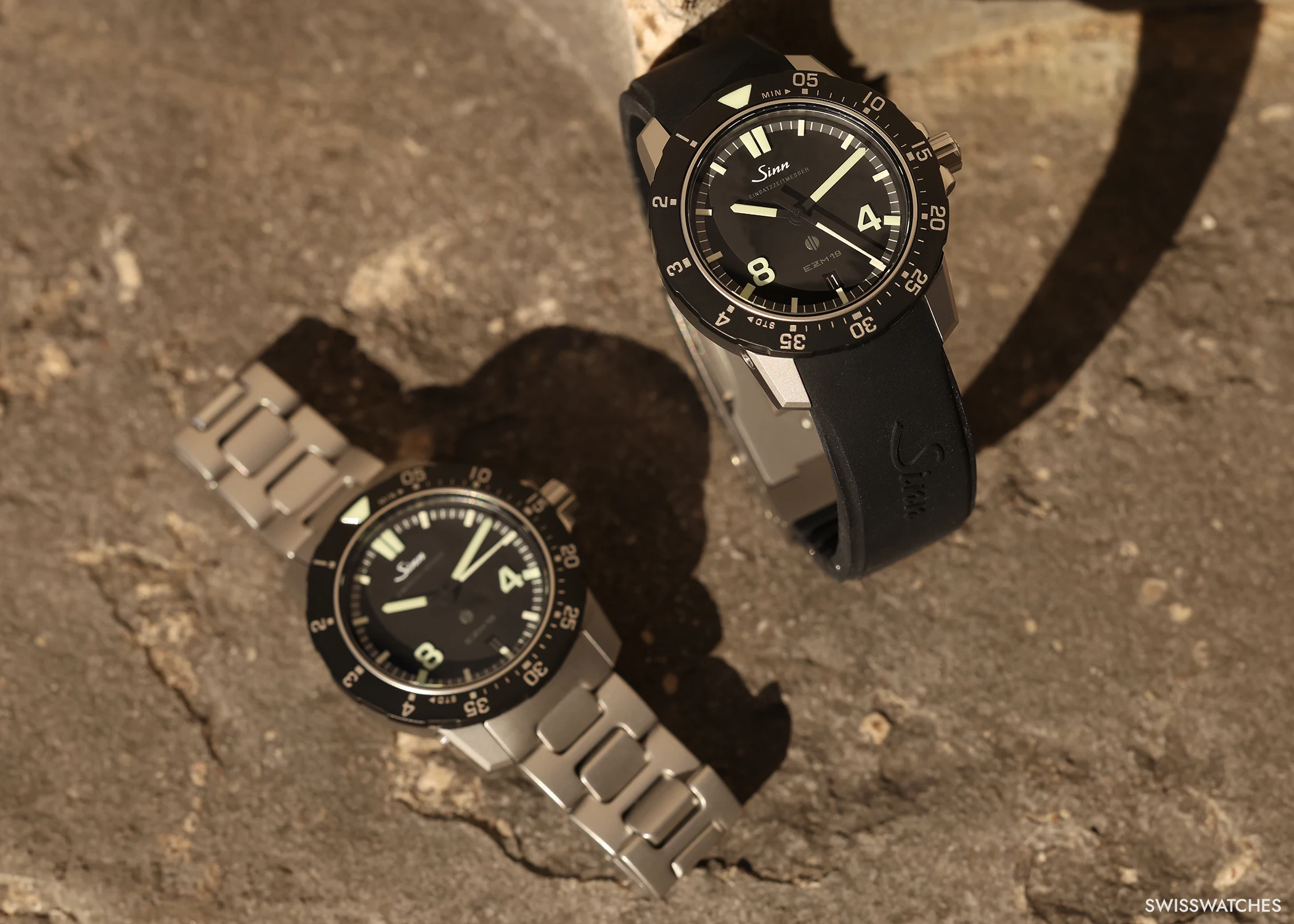
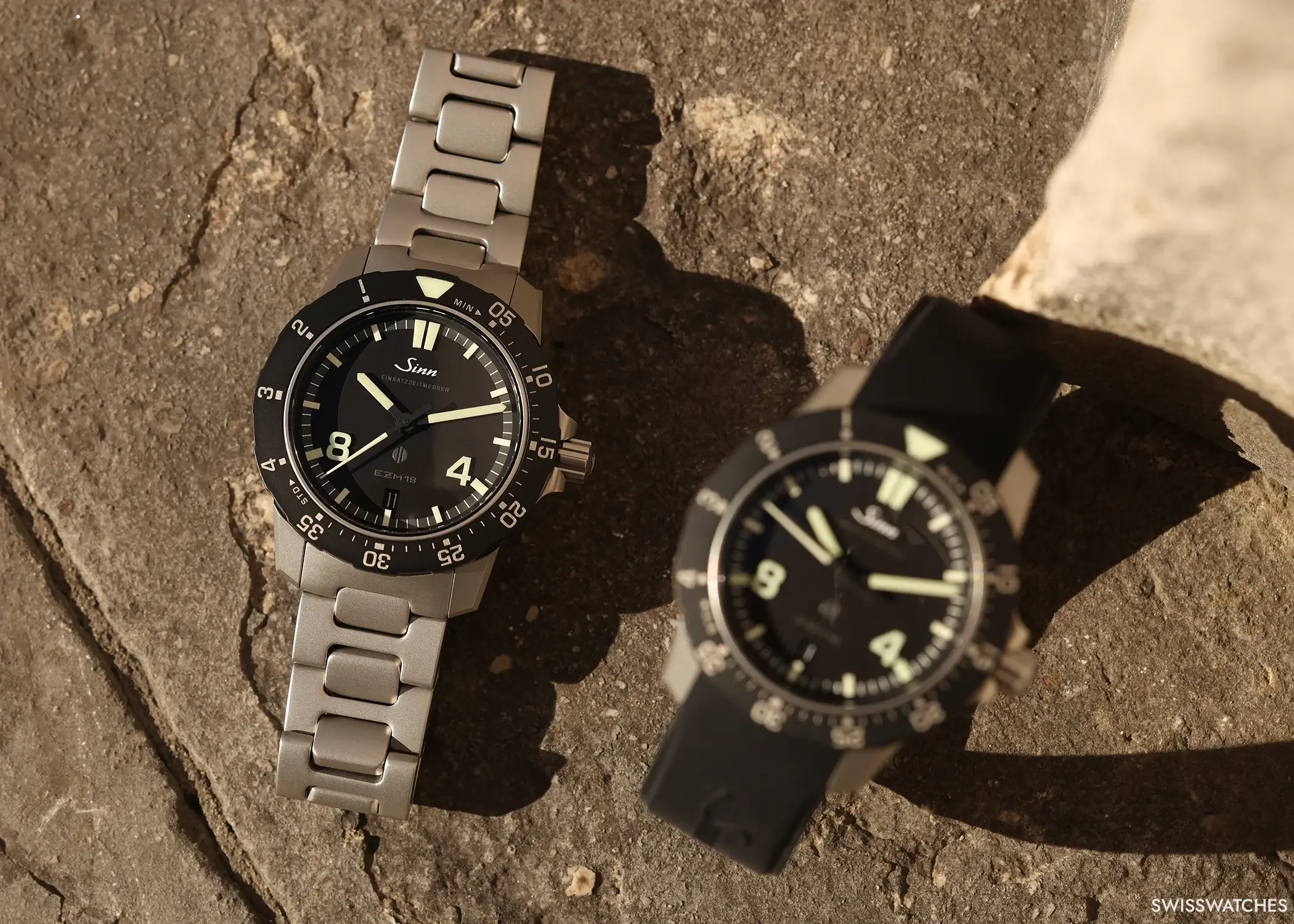
The watch is based on the recognition that crisis situations can sometimes last for several days or even weeks, meaning that the work of a command staff inevitably follows the 24-hour rhythm of day and night. This reality has led to the establishment of fixed time windows for command-staff work, which, depending on the intensity of the crisis, are often divided into four- or eight-hour cycles. This is because particularly critical scenarios may require staff members to be relieved after just four hours as concentration and attention begin to decline, while less intense situations allow for longer eight-hour shift patterns.
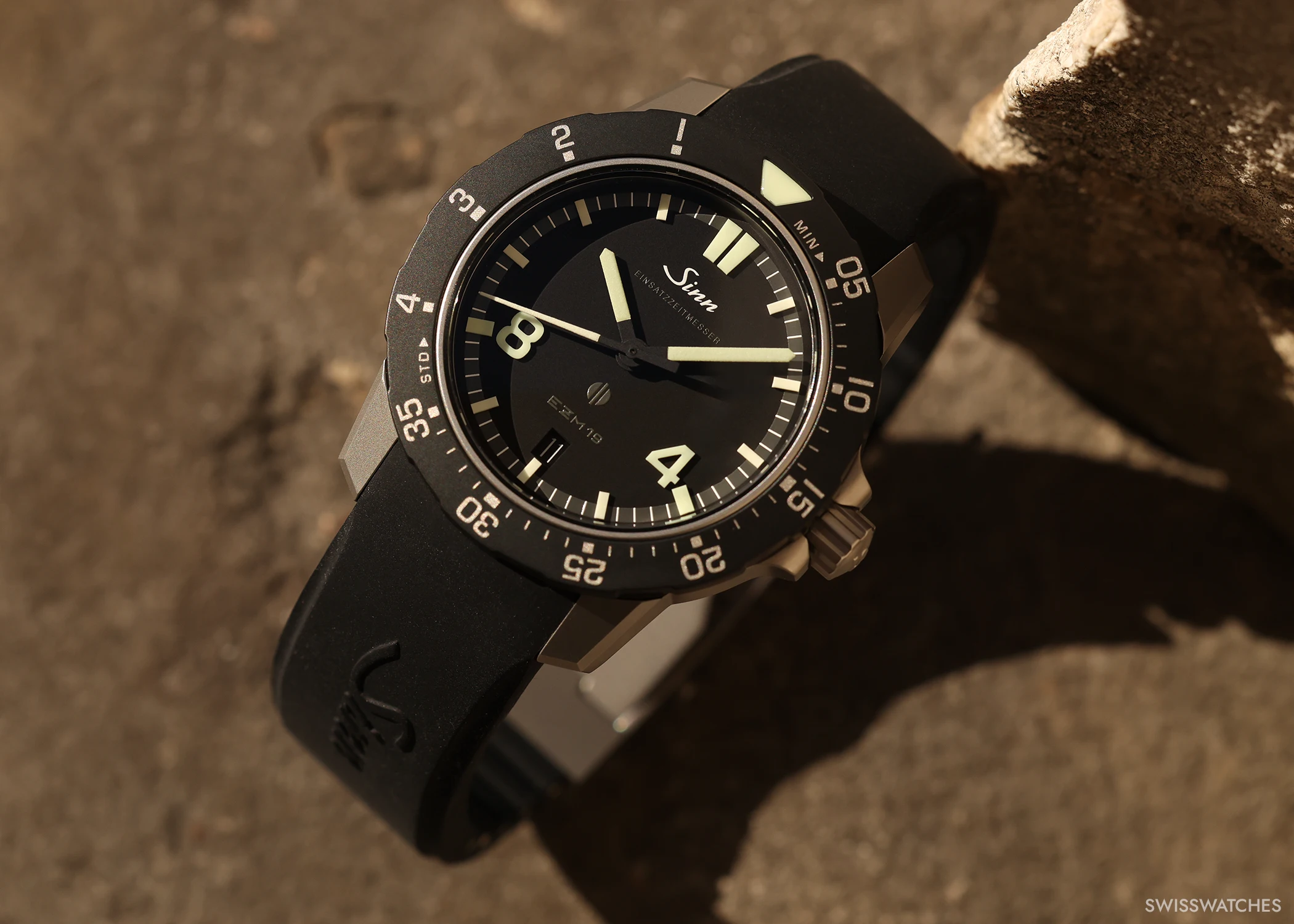
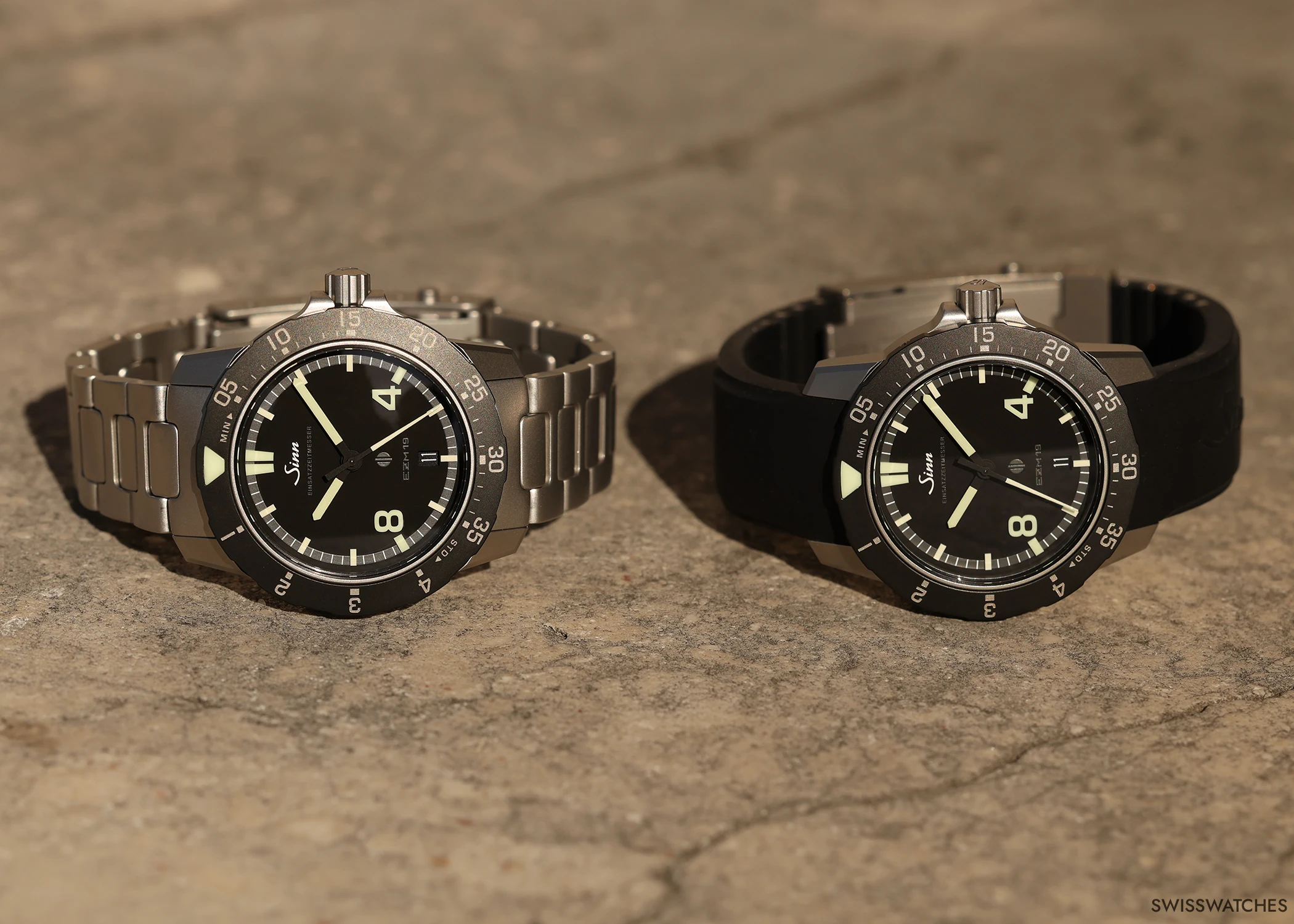
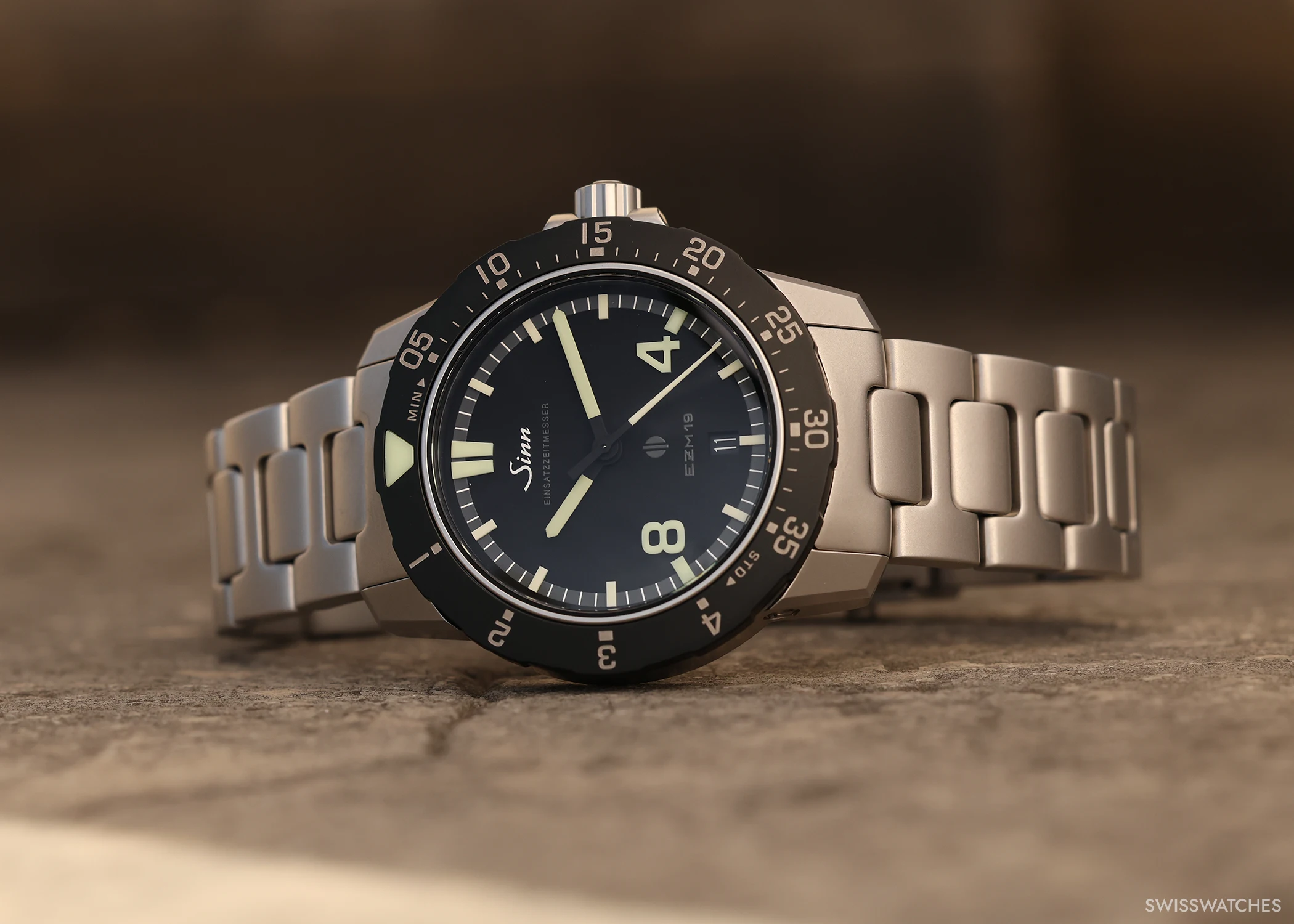
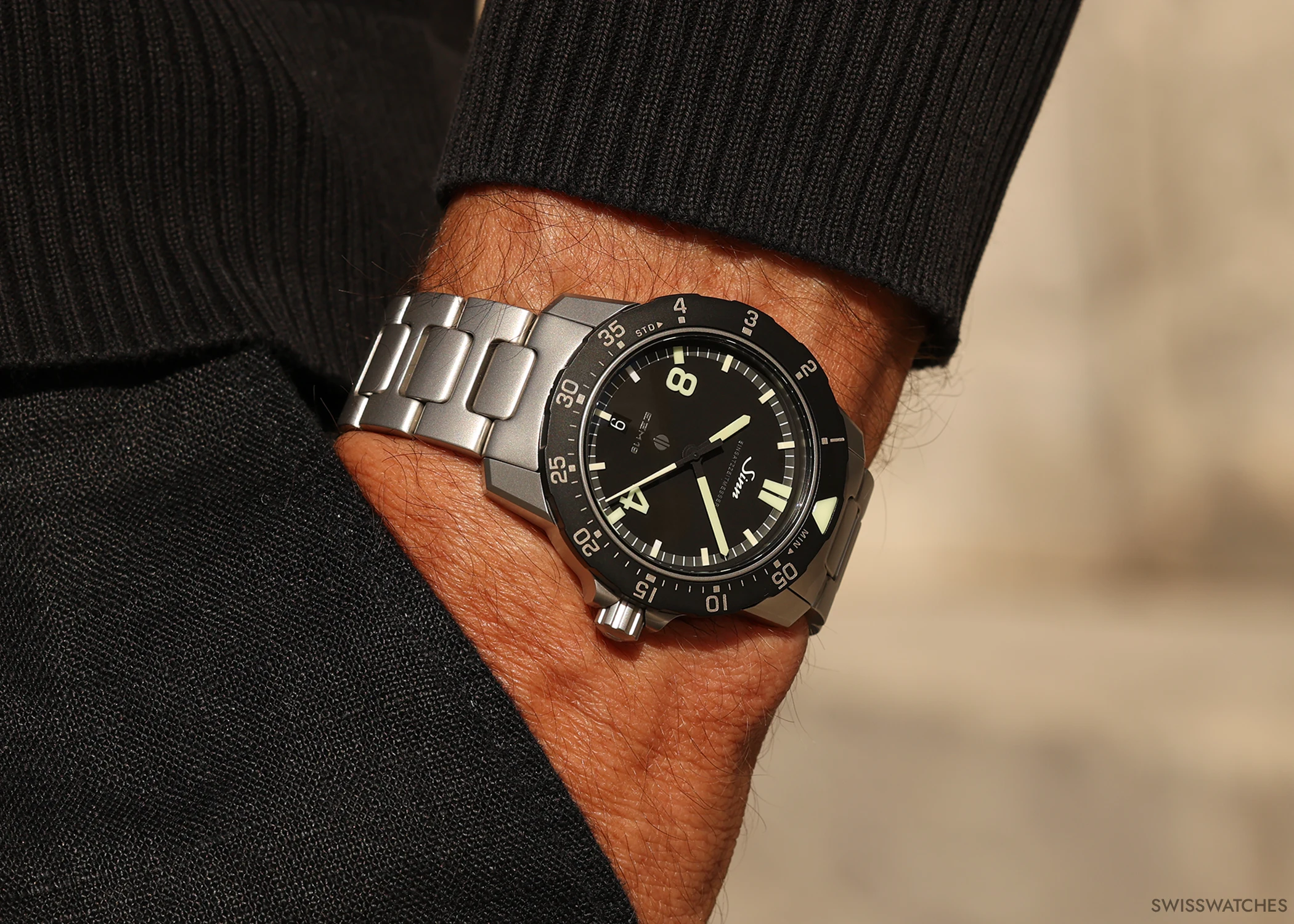
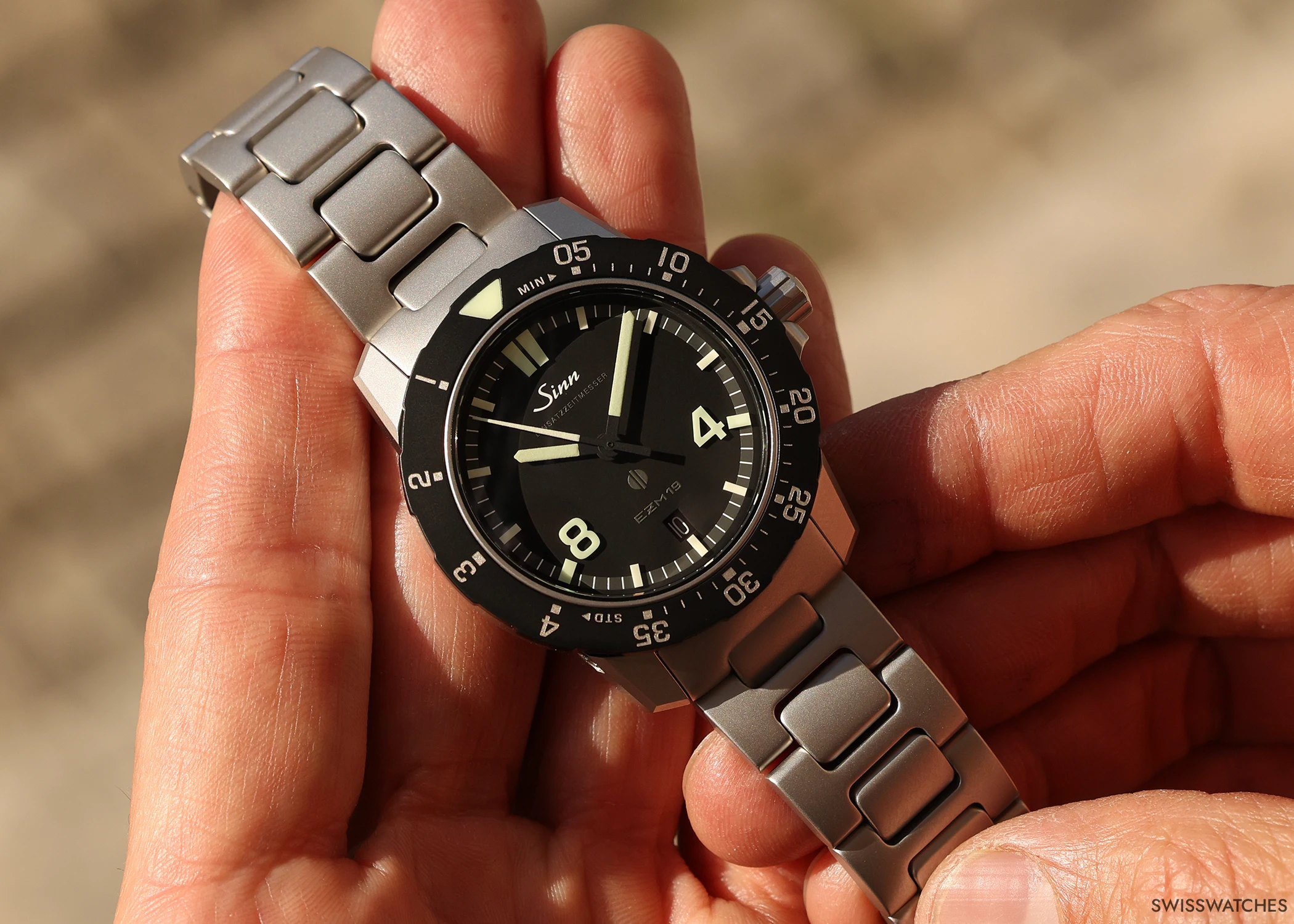
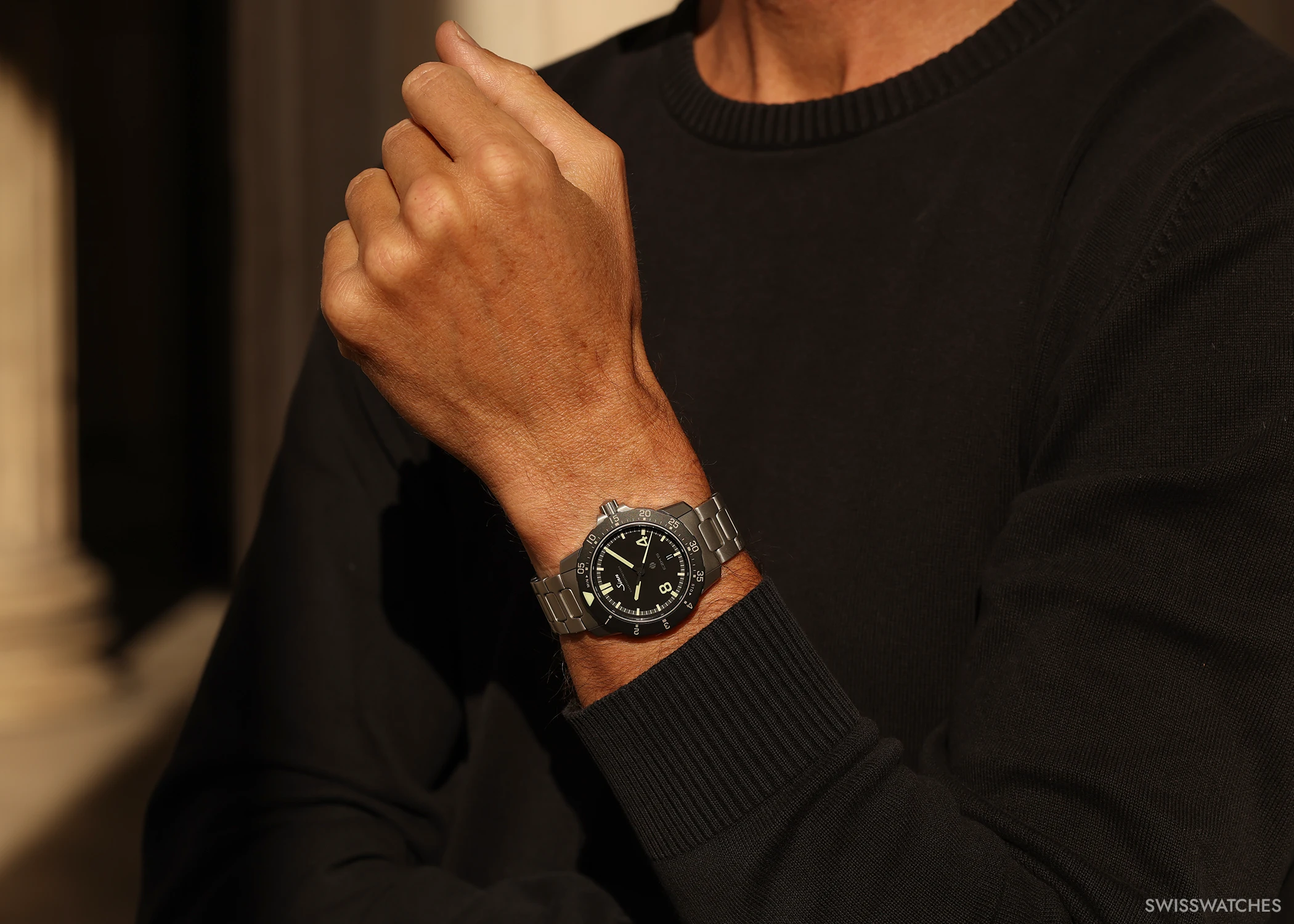
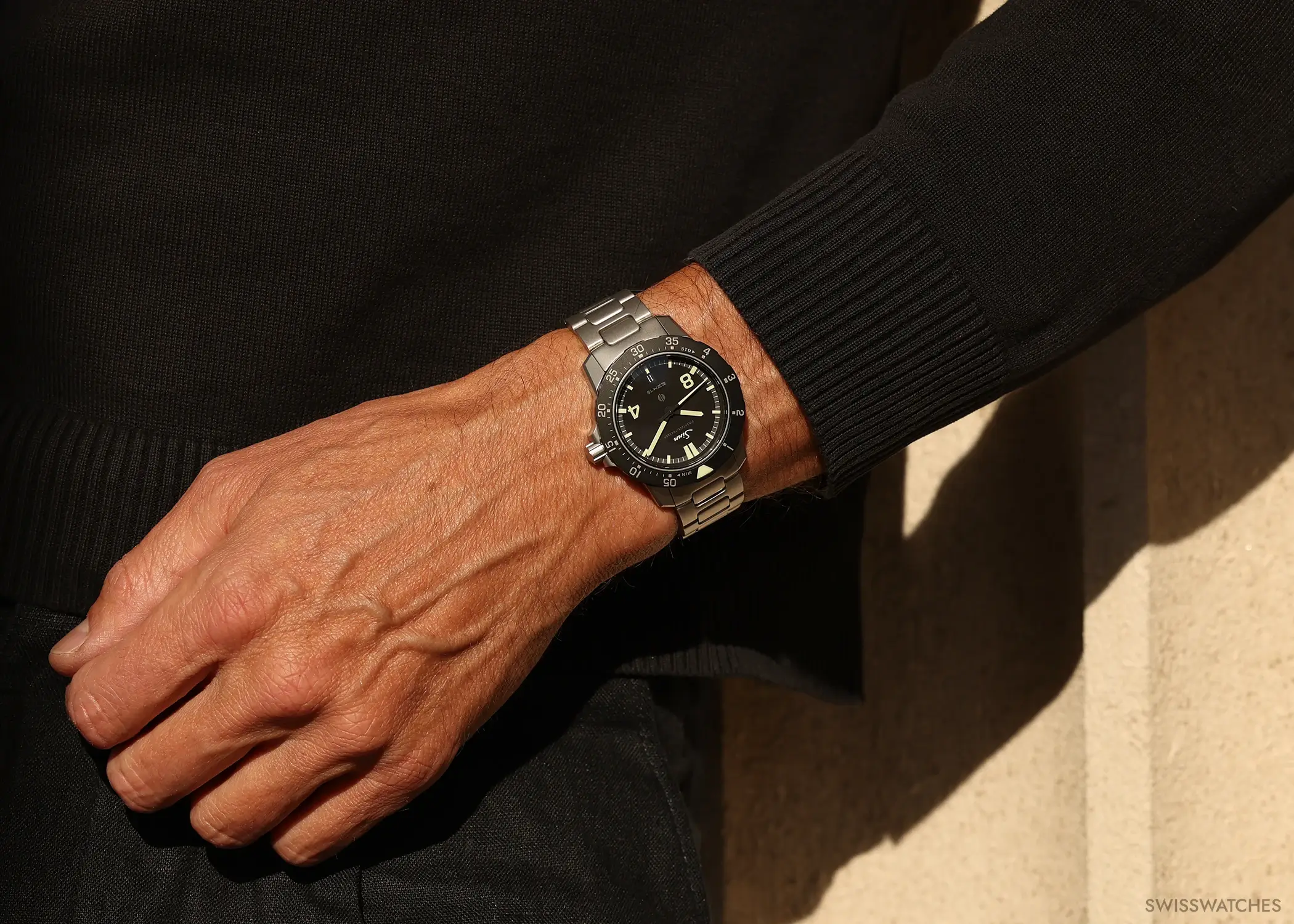
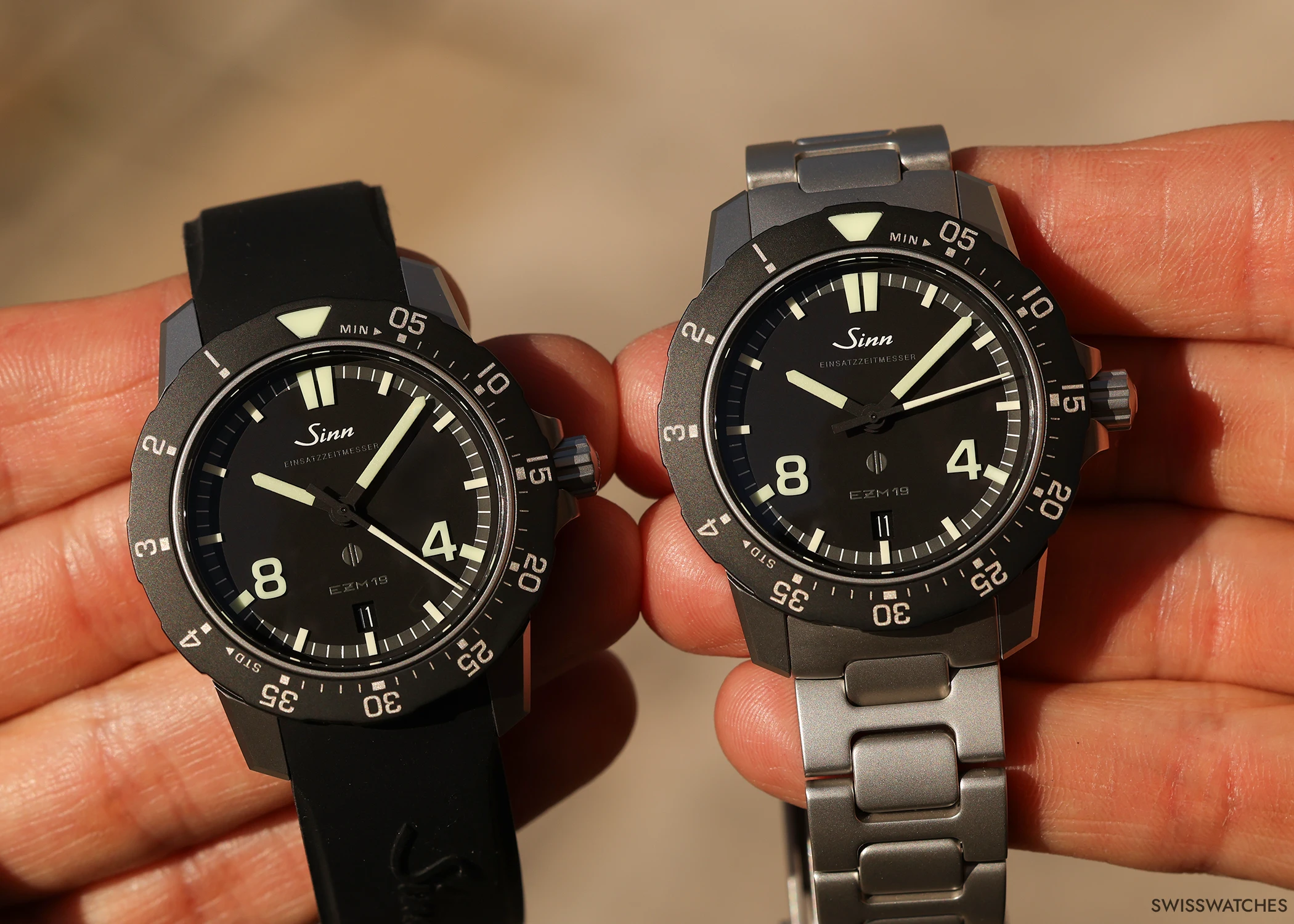
Reflecting this, the dial features two prominent four- and eight-hour markings, with large numerals highlighting the time intervals that are particularly relevant to command-staff work and have proven effective in real operational situations.
This function is further supported by the colour scheme of the hand-applied hybrid ceramic luminous elements. During the day, the hour, minute and seconds hands, the luminous triangle on the rotating bezel, the four- and eight-hour numerals and the hour markers on the dial are visually grouped by colour, forming the central orientation elements of the new model. In low-light conditions, all of these elements glow blue, with the exception of the hour markers and seconds hand, which glow yellow, thereby ensuring clear orientation even in the dark.
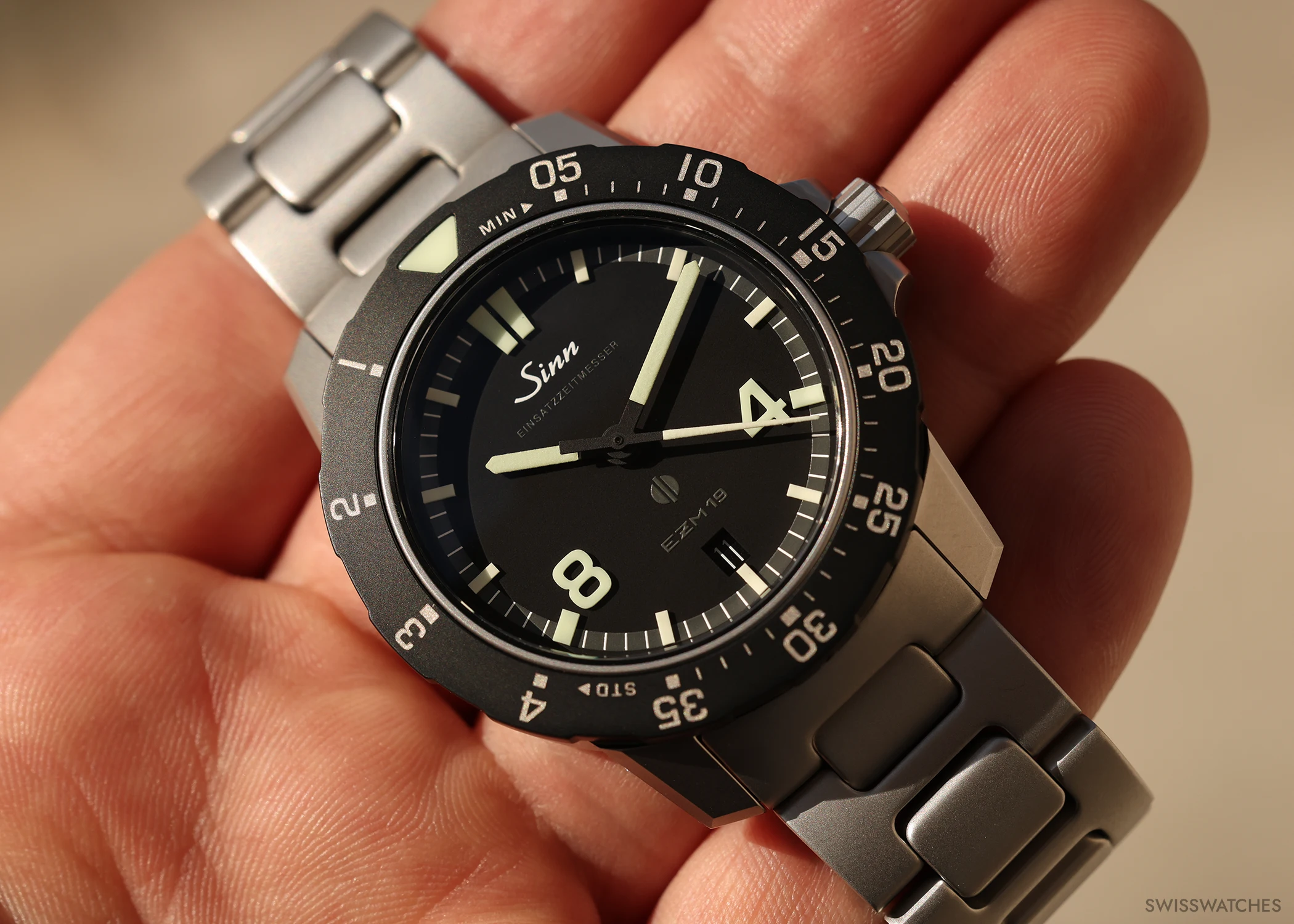
As an additional aid to orientation, the EZM’s minute-click bezel provides two time scales that are relevant to command-staff work: a minute scale extending to 35 minutes and a four-hour marking. The 35-minute scale is intended for time-limited situation briefings, allowing the head of the command staff to keep track of their duration. After no more than 35 minutes of discussion, it should be clear which measures are to follow.
Once the situation briefing has concluded, the operational and administrative work begins, bringing the four-hour marking on the same bezel into focus. This marking is intended to help keep track of the period until the next situation briefing, handover or change of personnel.
A date display at 12 o’clock provides an additional point of reference and, according to Sinn, is intended to support temporal orientation particularly during multi-day operations and night shifts. The EZM 19 thus reflects the alternation between short decision-making phases and longer working periods in command-staff operations, helping users to keep both under control.
Since command-staff work does not take place exclusively in climate-controlled rooms, but may also be carried out outdoors, in tents or under changing weather conditions, the EZM 19 has been designed accordingly for robustness.
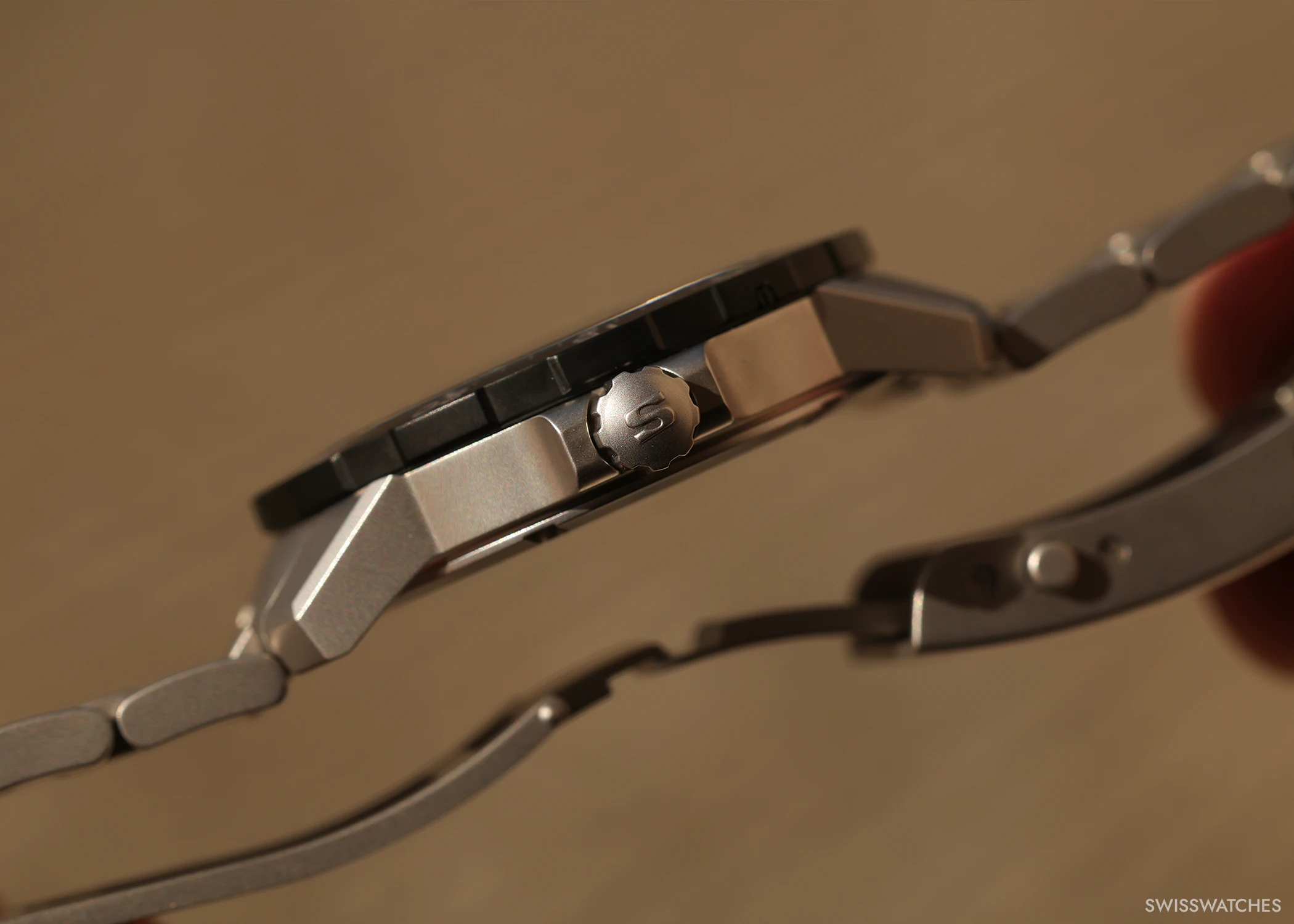
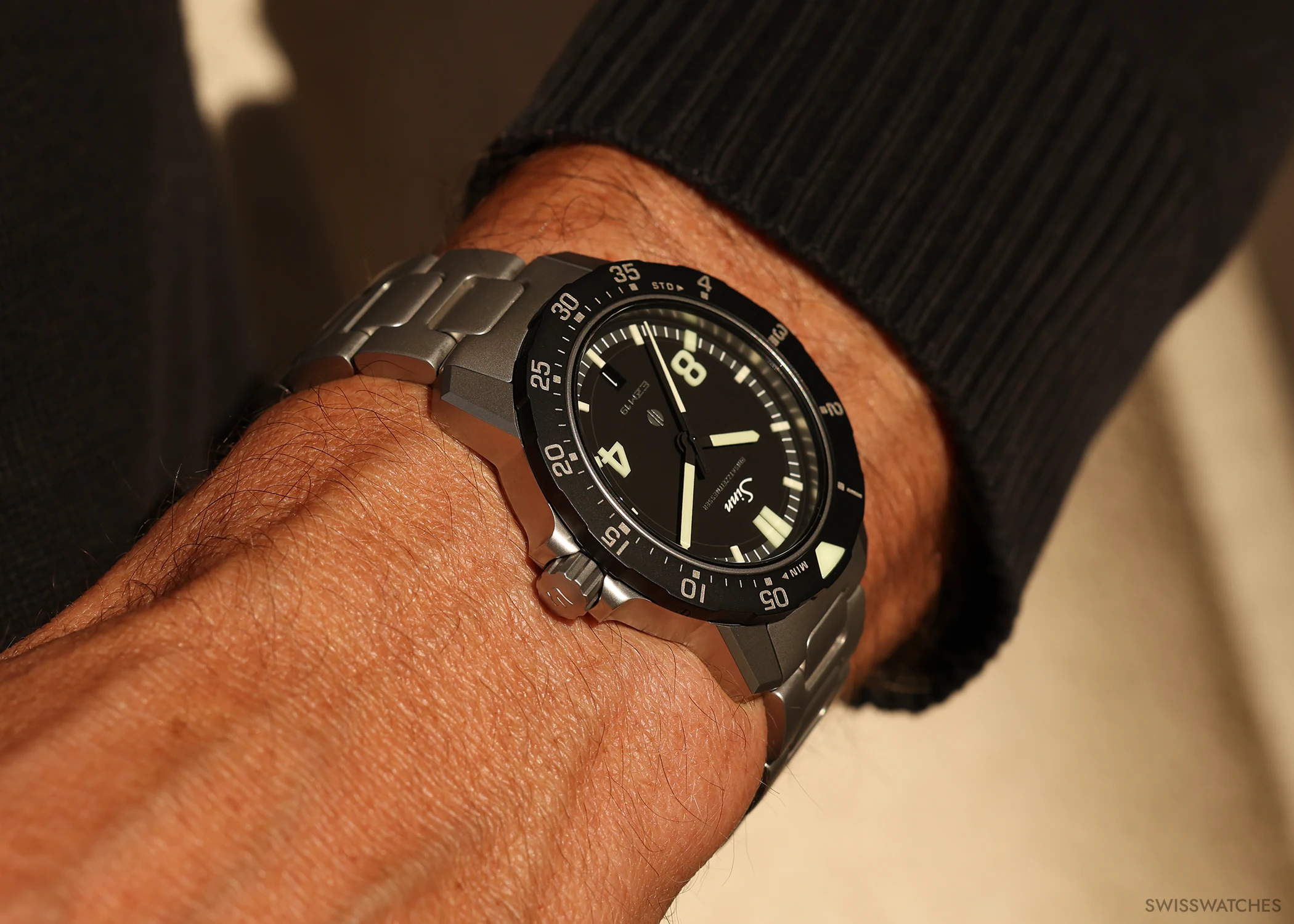
Its functional reliability from −45 to +80 °C is intended to ensure dependable operation even in the event of significant temperature fluctuations, while Sinn’s Ar-Dehumidifying Technology reduces moisture inside the bead-blasted stainless-steel case, which measures 41 mm in diameter, thereby increasing functional reliability and resistance to fogging, particularly during changes in temperature. The watch also offers magnetic-field protection up to 100 mT, designed to shield the movement from magnetic influences that can occur around modern devices, such as permanent magnets in tablets, smartphones or their protective cases.
At the heart of command-staff work is the protection of the population. While civil defence in Germany falls within the remit of the federal government, disaster management is the responsibility of the federal states. The Federal Ministry of the Interior’s Concept for Civil Defence (KZV) addresses, among other things, hybrid threats posed by state and non-state actors, such as cyberattacks or disruptions to critical infrastructure. At the same time, extreme weather events resulting from climate change and infectious diseases are increasing the need for effective command structures. Against the backdrop of growing geopolitical and environmental risks, the potential field of application for a crisis-management watch is therefore correspondingly broad.
Although the EZM 19 was developed on the basis of experience gained in command-staff work, its usefulness is not limited to exceptional situations. Sinn also cites everyday applications, such as meetings, examinations or, more generally, time windows that need to be deliberately structured. Whether monitoring parking time or keeping track of an appointment window, the underlying principle remains the same.
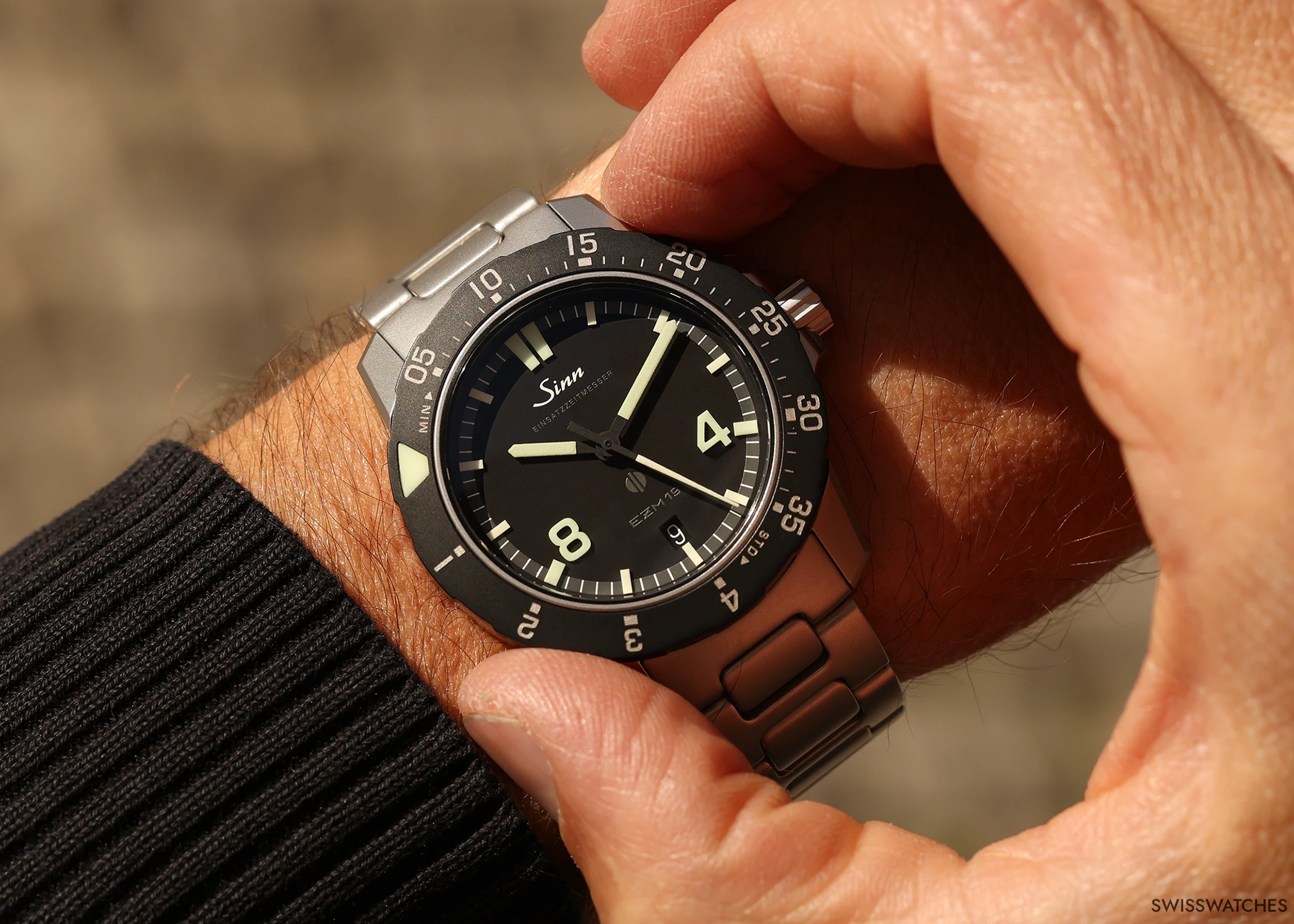
The Sinn EZM 19 is available with four different straps and bracelets. The versions with a wild boar nubuck leather strap or textile strap are priced at €1,950 each, while the model with an integrated silicone strap costs €2,160. With a solid stainless-steel bracelet featuring fine adjustment for the bracelet length, the price is €2,300.