We are looking at the history of High Watchmaking at Hublot.
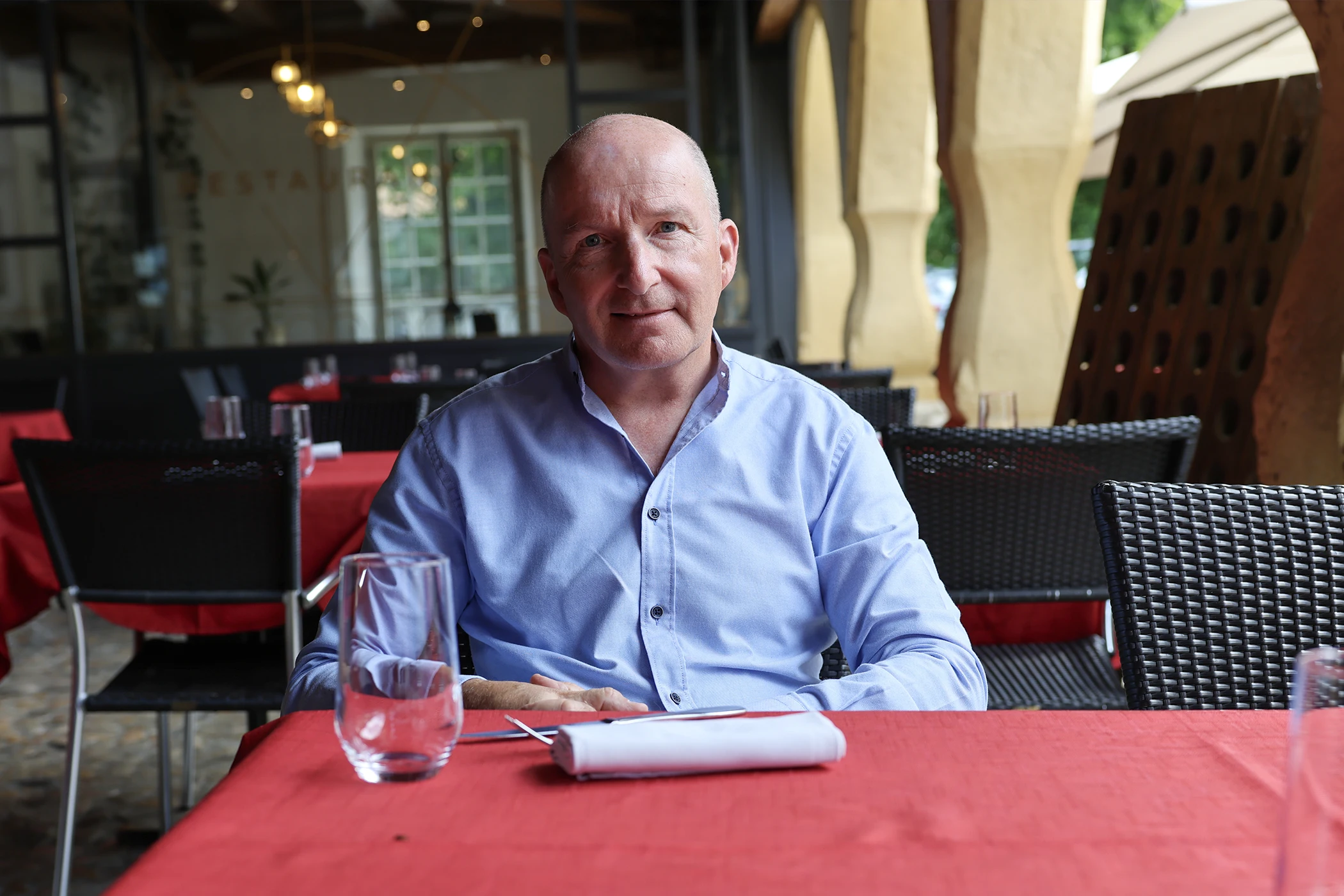
In the world of haute horlogerie, few names command as much respect as Kari Voutilainen. Known for his uncompromising approach to craftsmanship and vertical integration, the independent watchmaker has built a brand that prioritises timeless elegance and mechanical purity over fleeting trends. We sat down with the master watchmaker to discuss his design philosophy, his mentors, and why true creative freedom requires tuning out the noise of the modern world.

A mechanical watch is one of the very last purely mechanical devices surviving in our digital world. For me, wearing one in daily life is a deeply emotional experience. It isn’t just a tool for measuring hours; it evokes a genuine feeling every time you look down at it. That is precisely why I love wearing different watches.
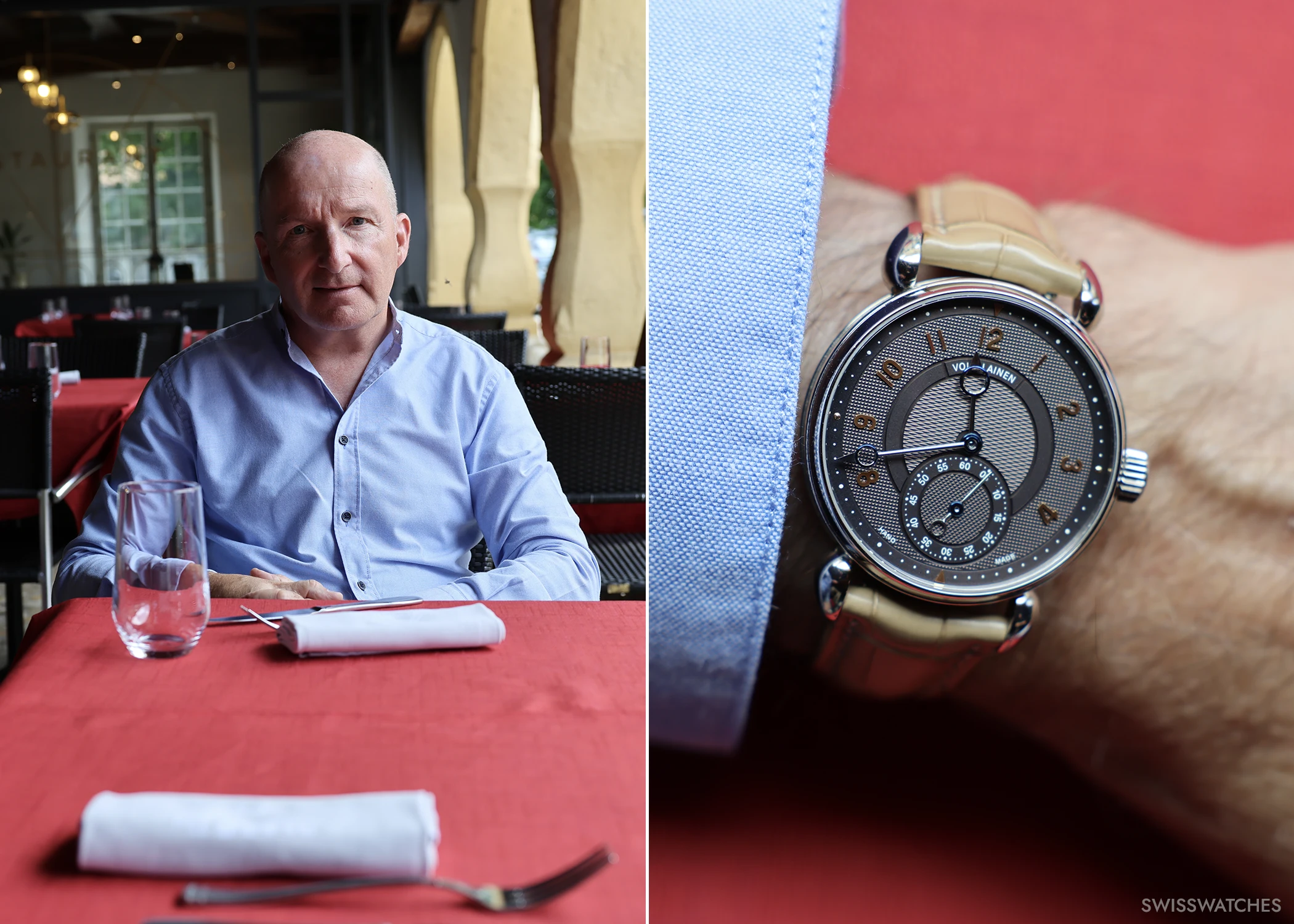
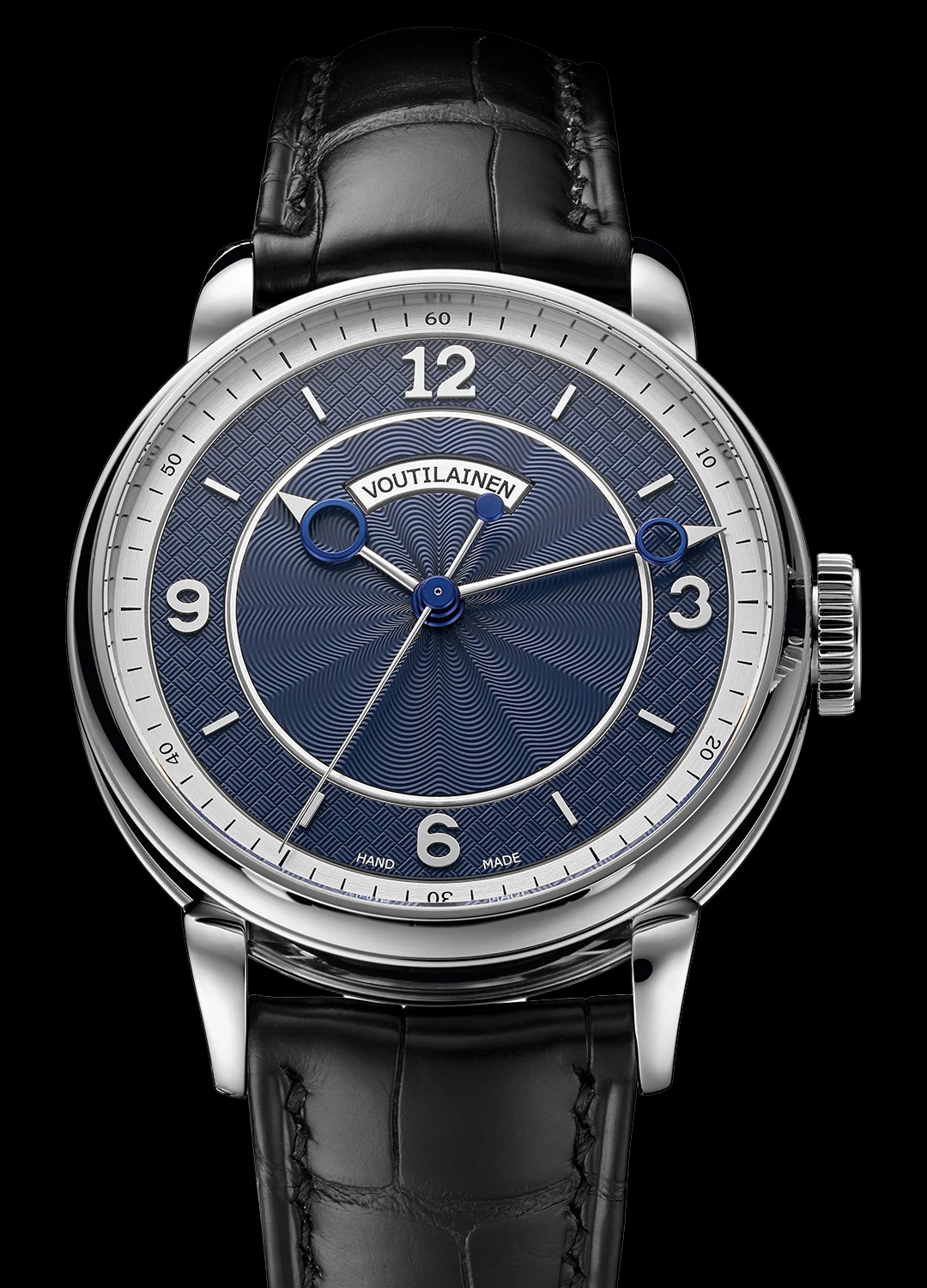
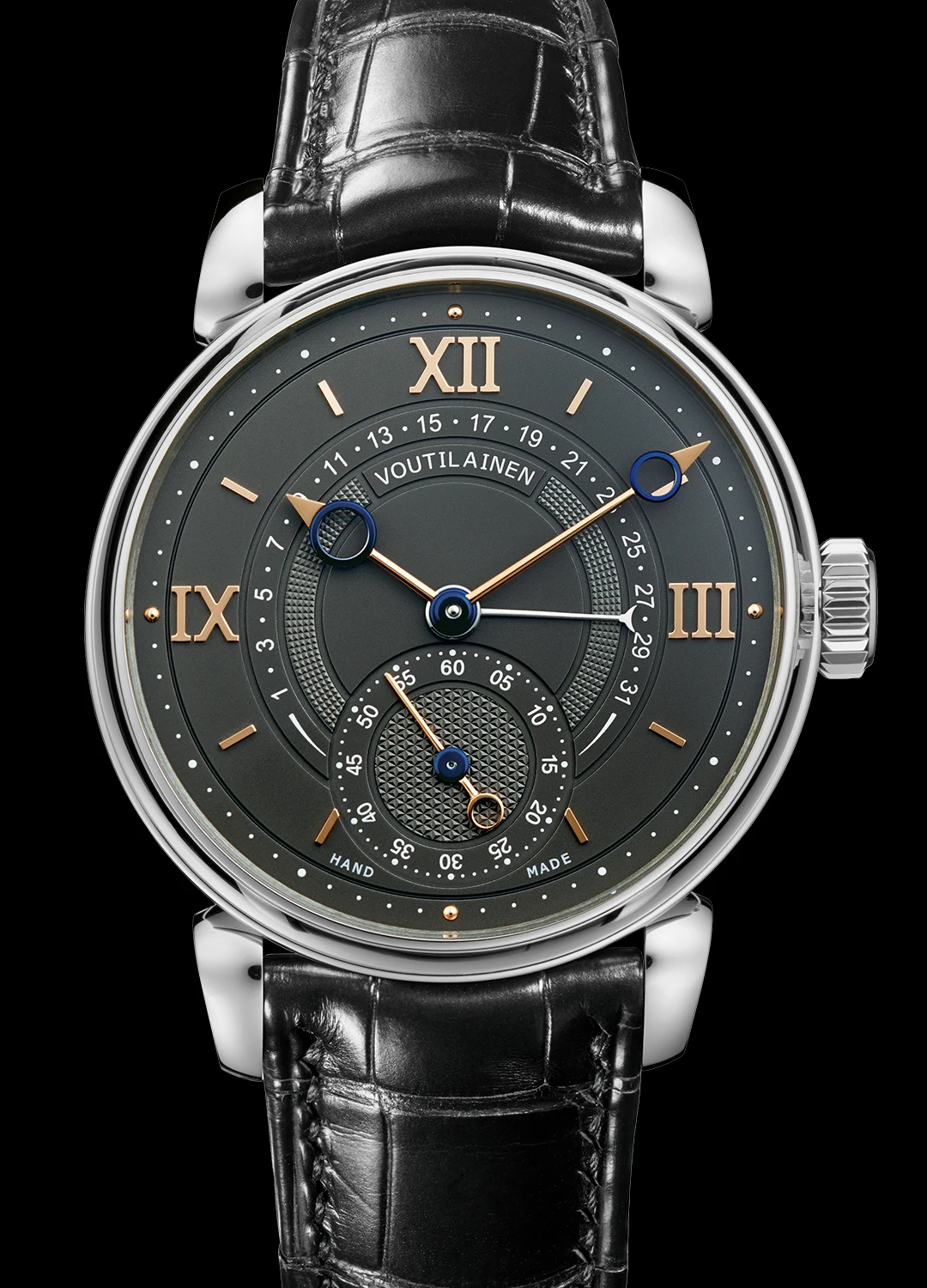
Today, I am wearing an Observatoire. We created this specific model about 20 years ago, and it was our very first time-only wrist watch.
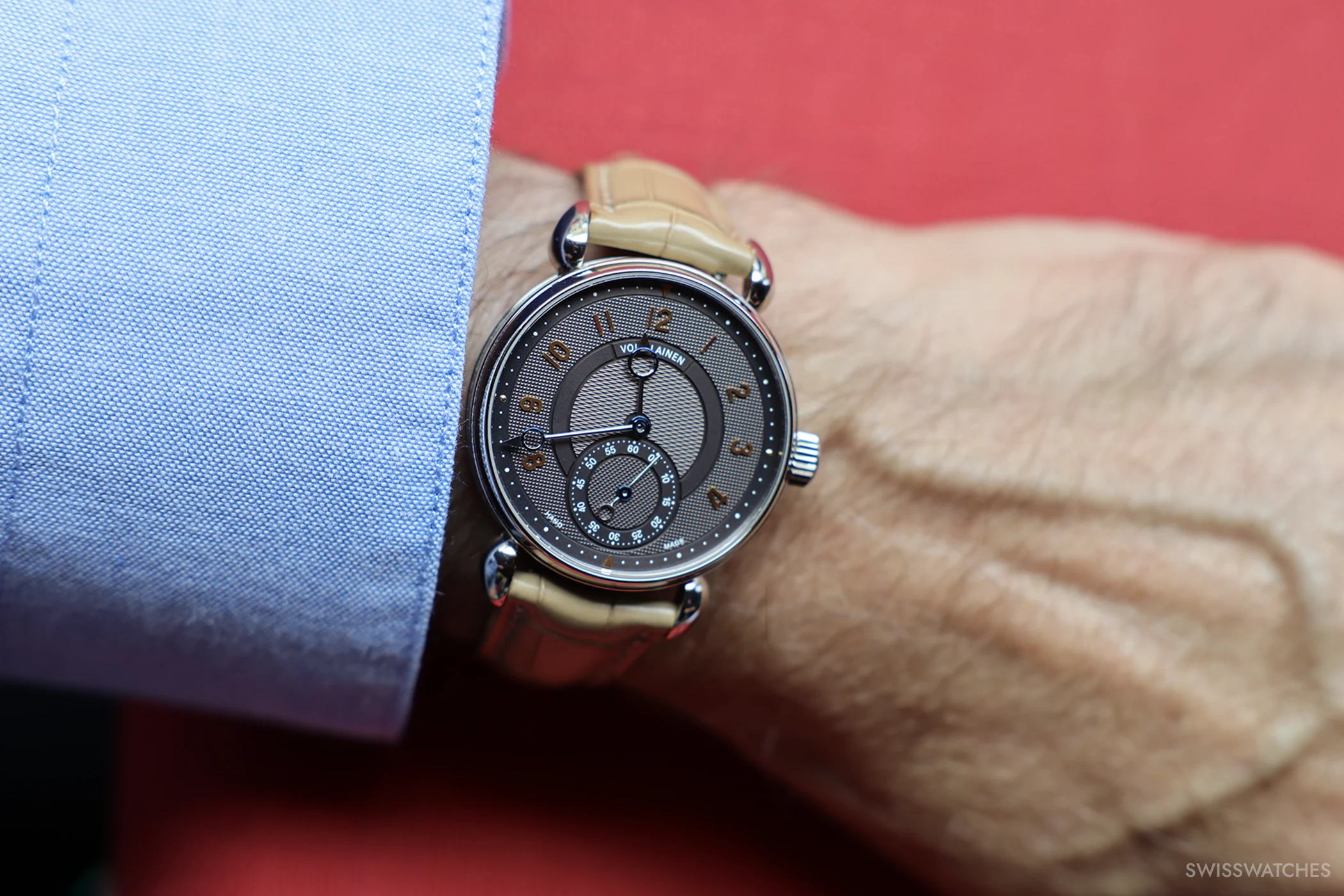
(Laughs) No, not at all! I change my watch almost every single day. When you have the choice and a deep love for timepieces, why limit yourself to just one?
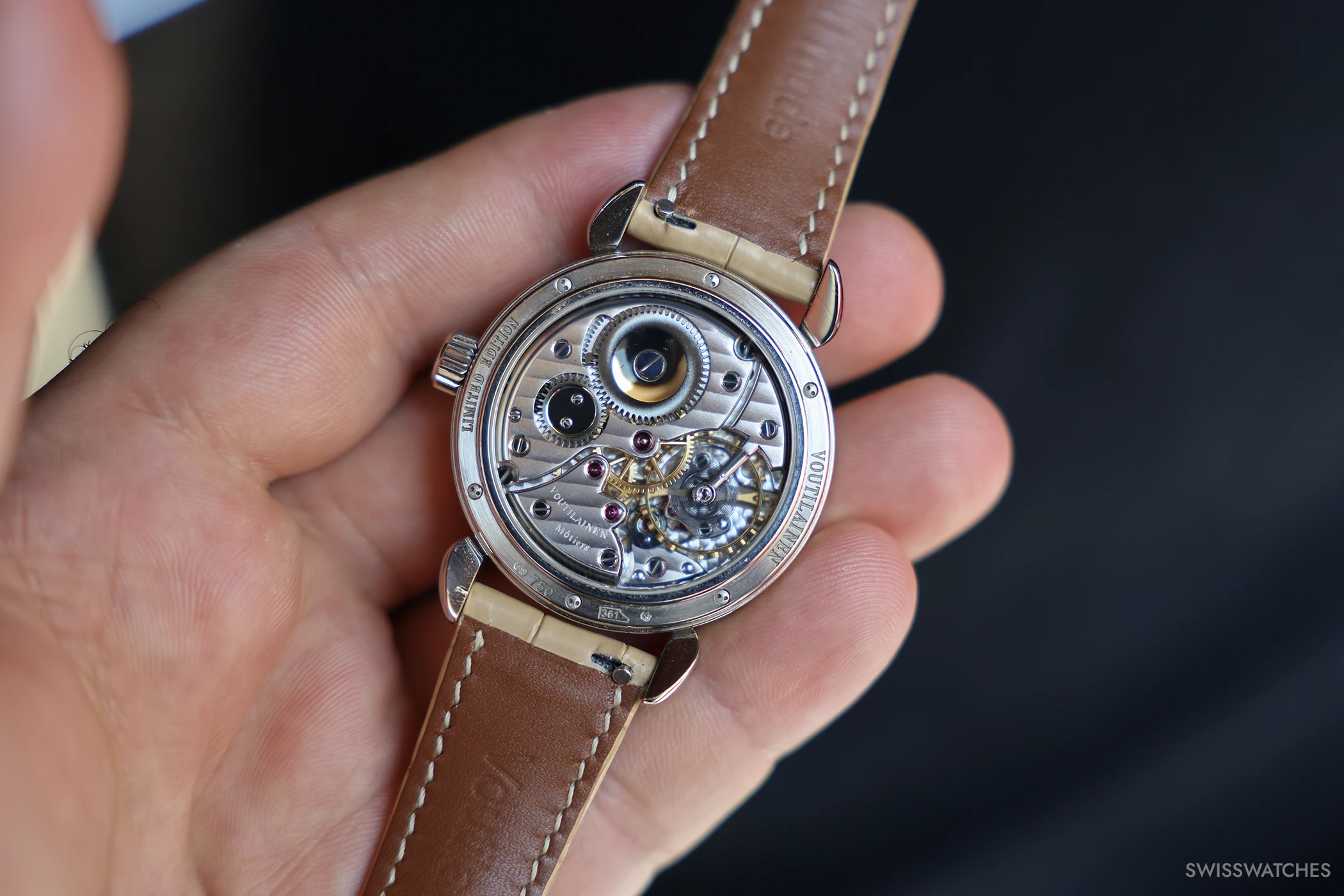
I am at heart a classicist, but I am particularly drawn to elegant, fluid forms. Harmony is paramount. Whenever I design a piece, my primary goal is timelessness. In our workshop, we invest an extraordinary amount of handcraft and effort into every movement and component. Because of that investment, the design must stand the test of time. You should be able to wear a watch today, look at it again in ten years, and still think, “Wow, that is stunning.”
That is the true difficulty in watchmaking. Industry trends and fashionable dial colours come and go in cycles – what looks nice today might feel completely dated in five years. I try to stay clear of those passing fads and follow my own internal compass.
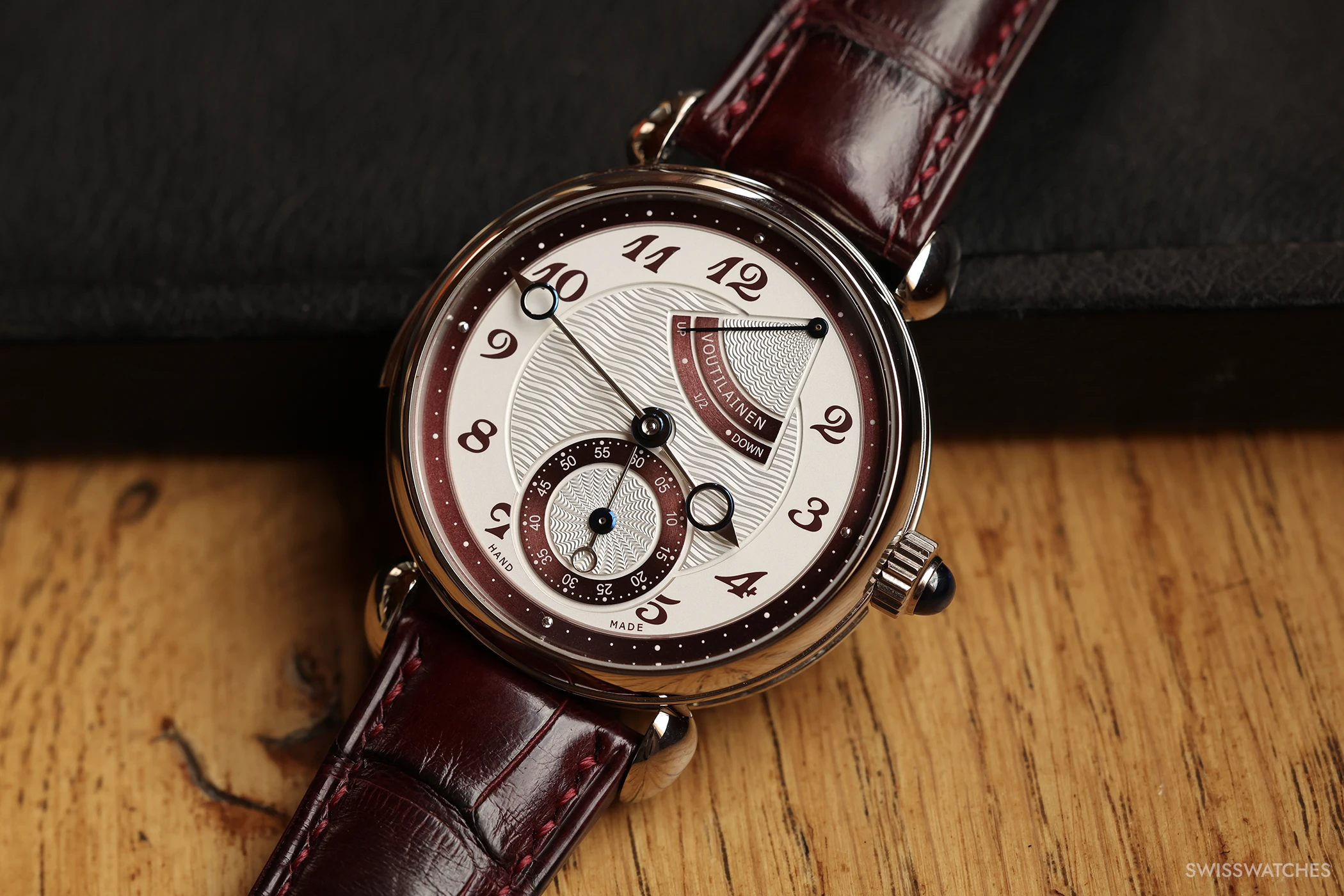
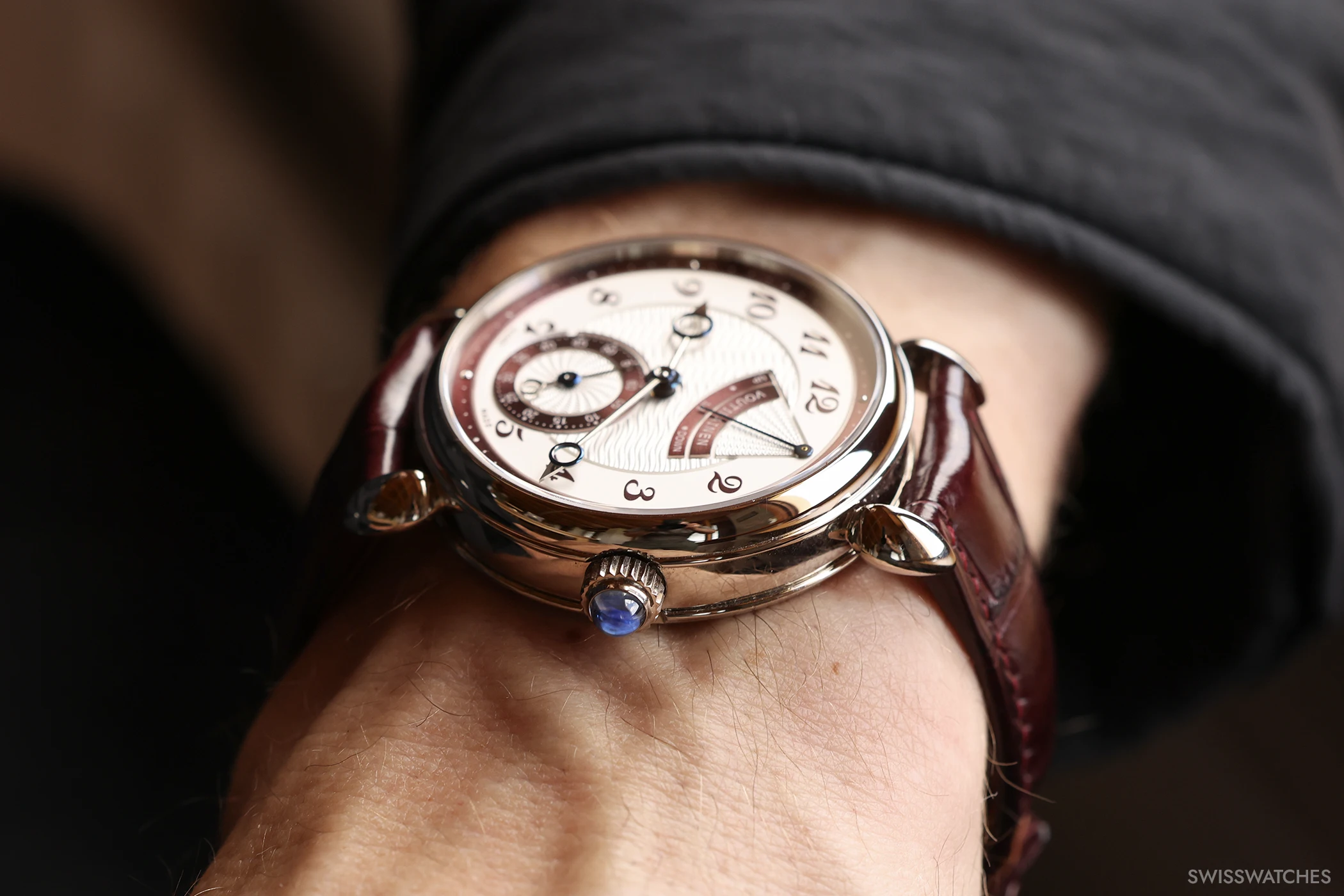
I personally prefer a watch to have a clear, distinct presence. It shouldn’t be overly thick, of course, but it shouldn’t be wafer-thin either. When you look down at your wrist, it needs to have substance and character.
The teardrop lugs were inspired by a small vintage rose gold chronograph I once restored from the 1950s. They are certainly a signature for us, but I refuse to become a victim of a single design. Over the years, we have created various lug styles – some more curved, others more straight.
In fact, across our portfolio, we have created 106 different case designs. We have produced cases in 37mm, 39mm, 41mm, 42mm, and even 44mm.
Through non-negotiable brand codes. While the case shapes or dial layouts may vary, certain elements remain strictly uniform: our signature hand shapes, our typography, and our specific printing techniques. Clients sometimes ask us, “Can we change the hands?” or “Can we print the logo differently?” And my answer is always a polite but firm “No, you cannot.” Immediate brand recognition from the beginning to the end of our history is essential.
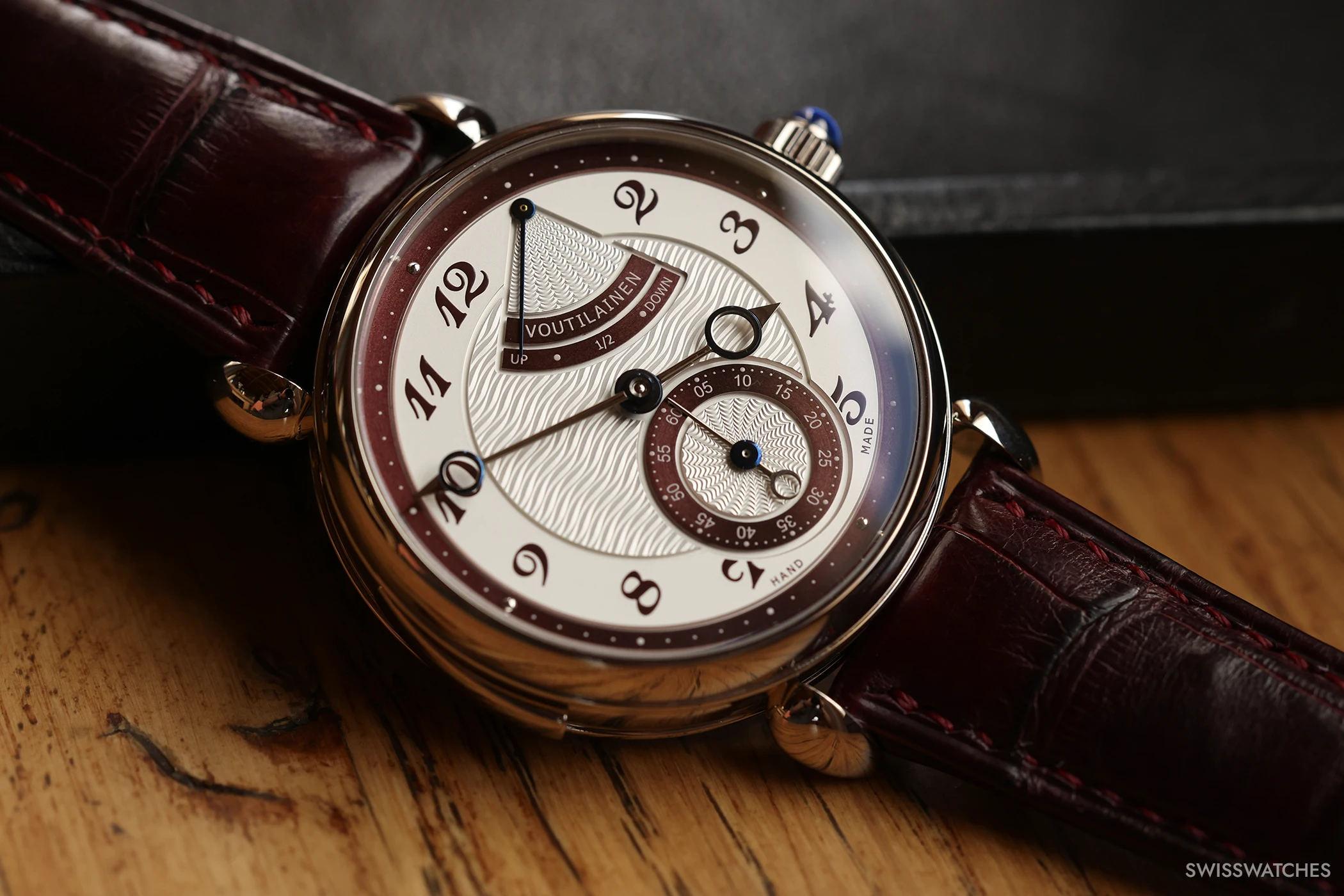
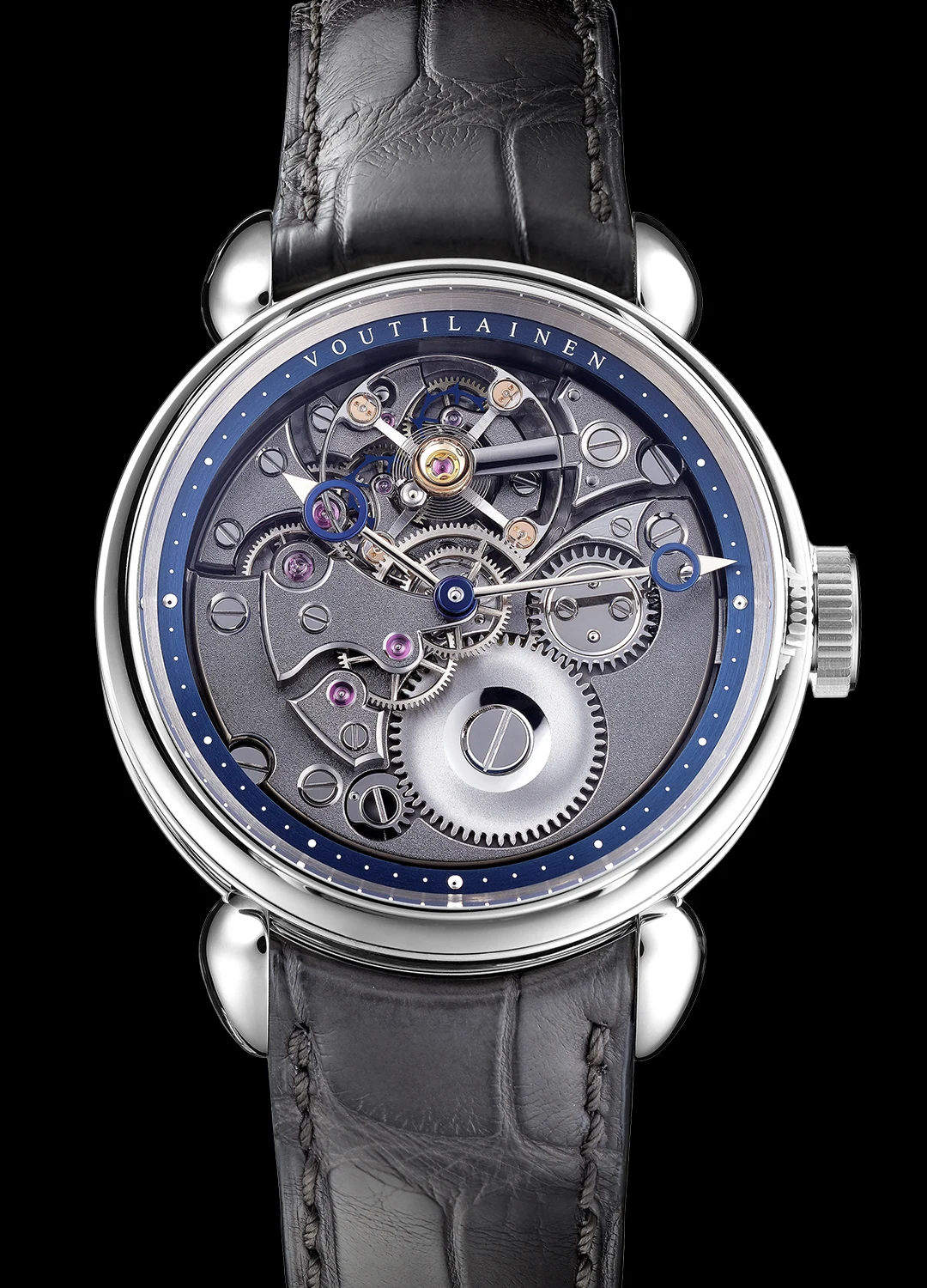
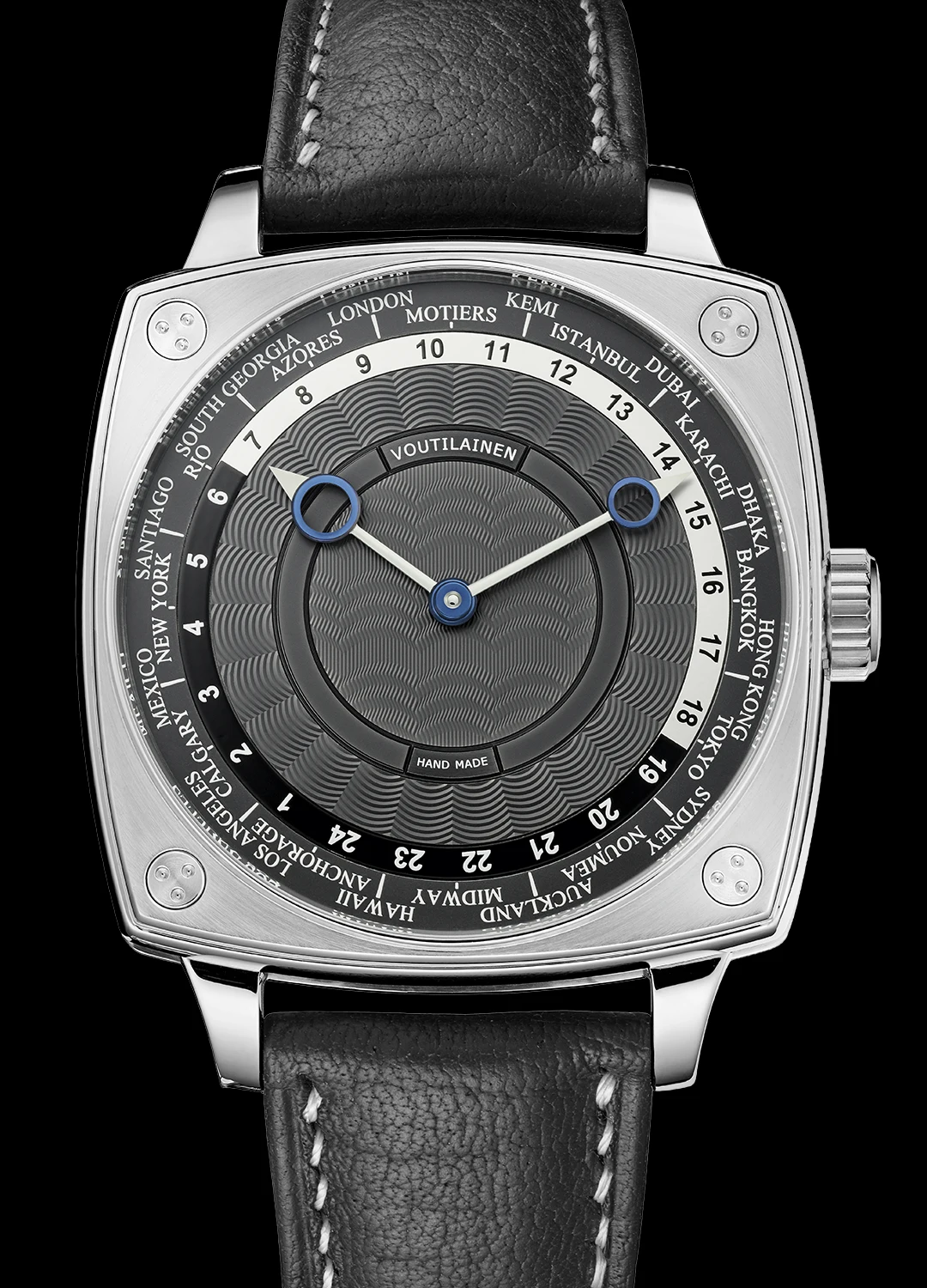
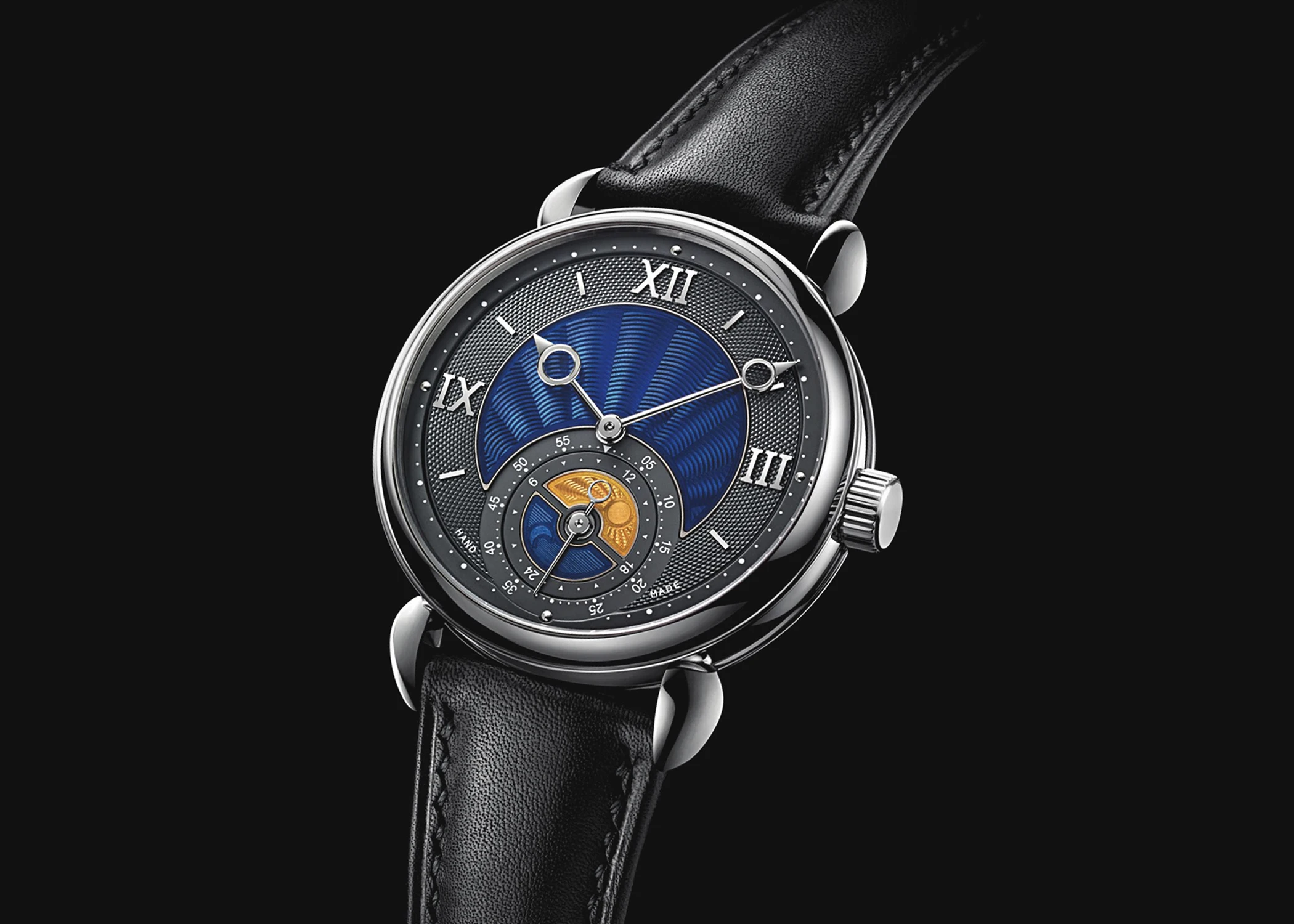
That is always a tough question, but I have a special affection for our GMT model. I love it because it features a genuine complication, yet it doesn’t look like an overly busy mechanism. It retains a clean, harmonious layout. You simply press the crown to adjust the second time zone. The 24-hour disc – which can be beautifully enamelled – creates a subtle animation on the dial as it turns. It is sophisticated yet remarkably discreet.
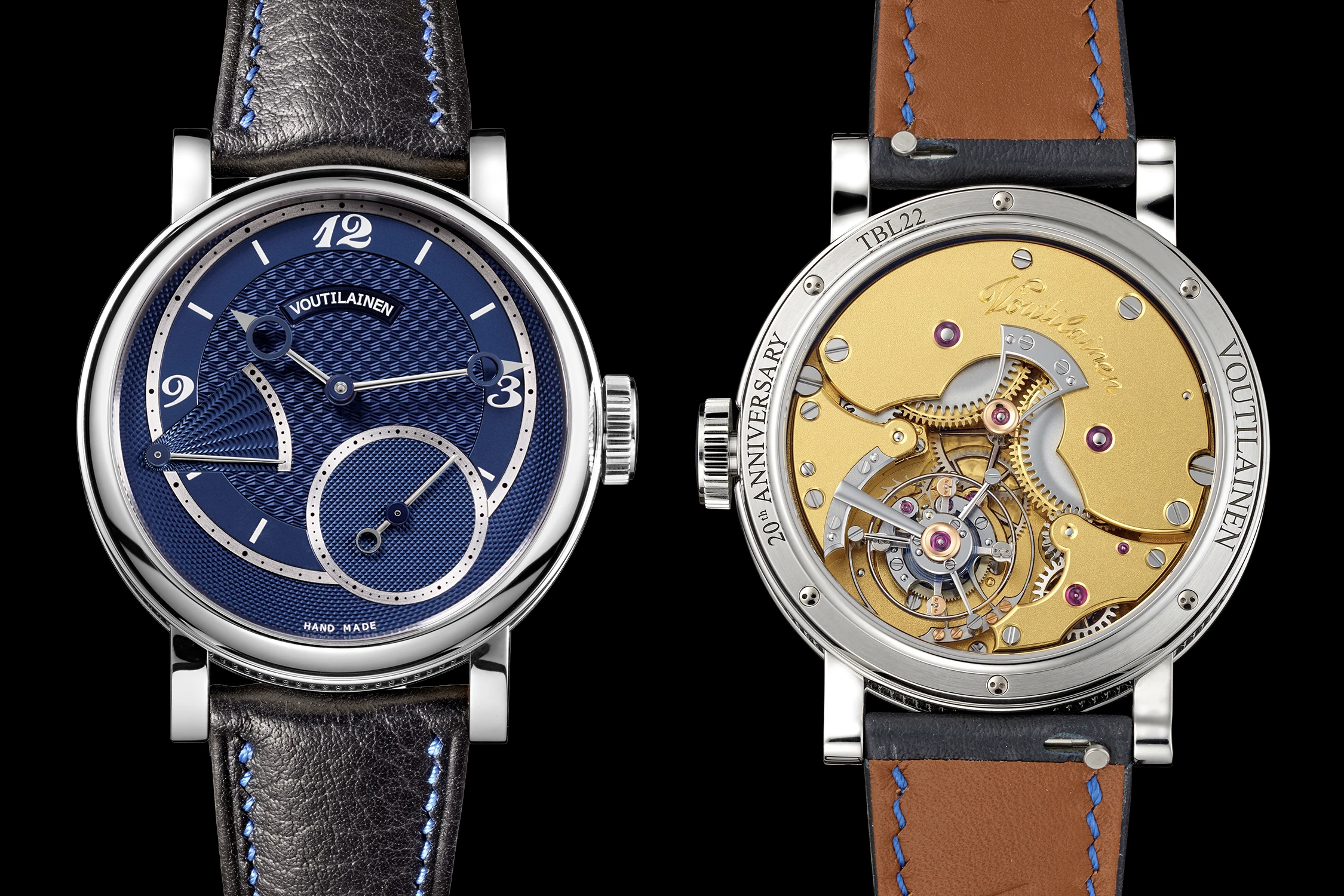
Another piece close to my heart is the 20th Anniversary Tourbillon, because its layout directly pays homage to the traditional pocket watches I designed and crafted entirely early in my career.
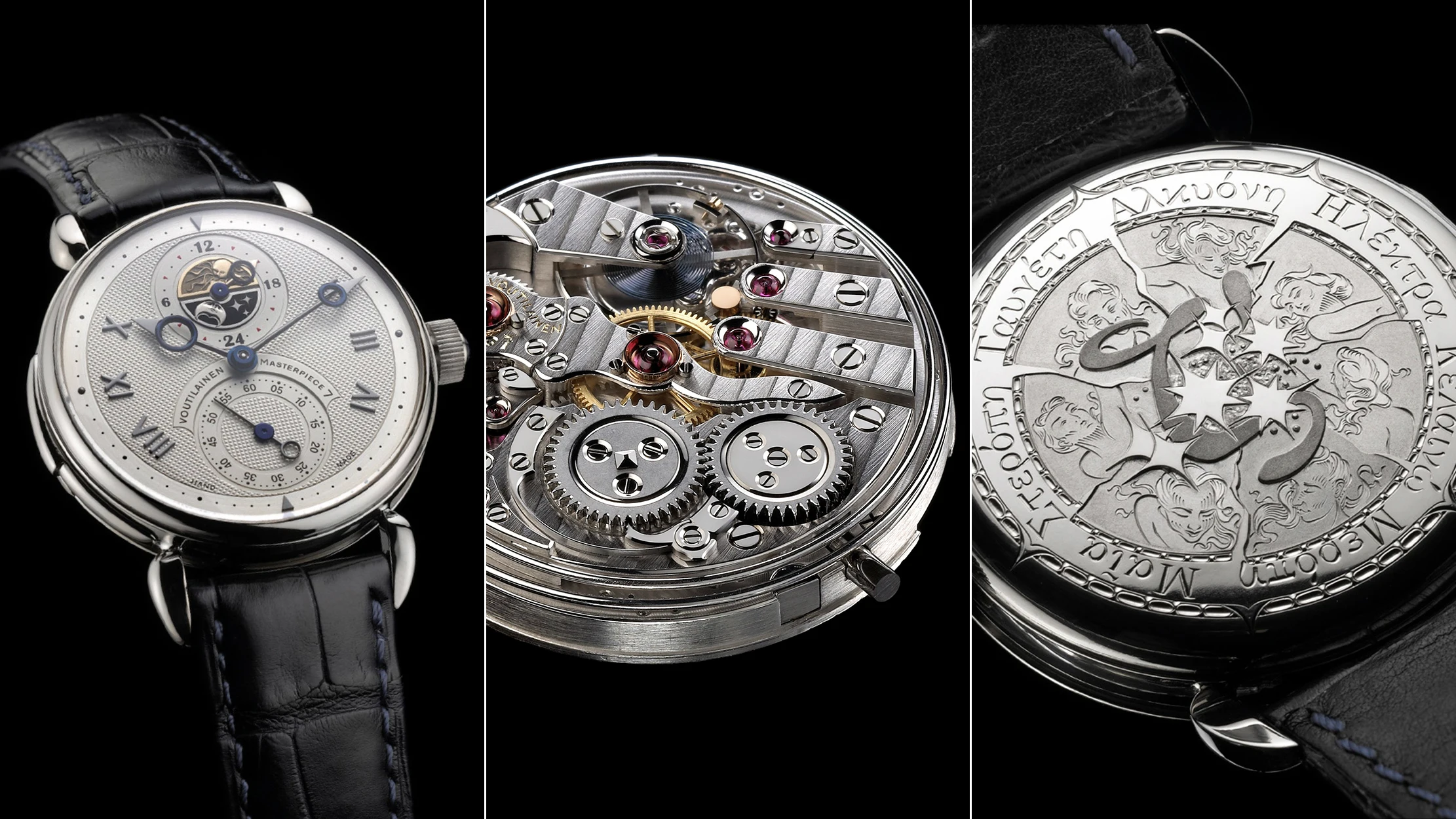
Minute repeaters are a passion of mine, but they require an immense amount of time. In the past, we delivered one or two per year. Then we had a three-year hiatus where we couldn’t deliver any due to development schedules. We recently delivered another one, but time is always the bottleneck.
I remember developing a minute repeater mechanism integrated with a GMT function on a vintage ébauche. Because I refused to increase the overall thickness of the movement, the engineering alone took over a year of non-stop work.
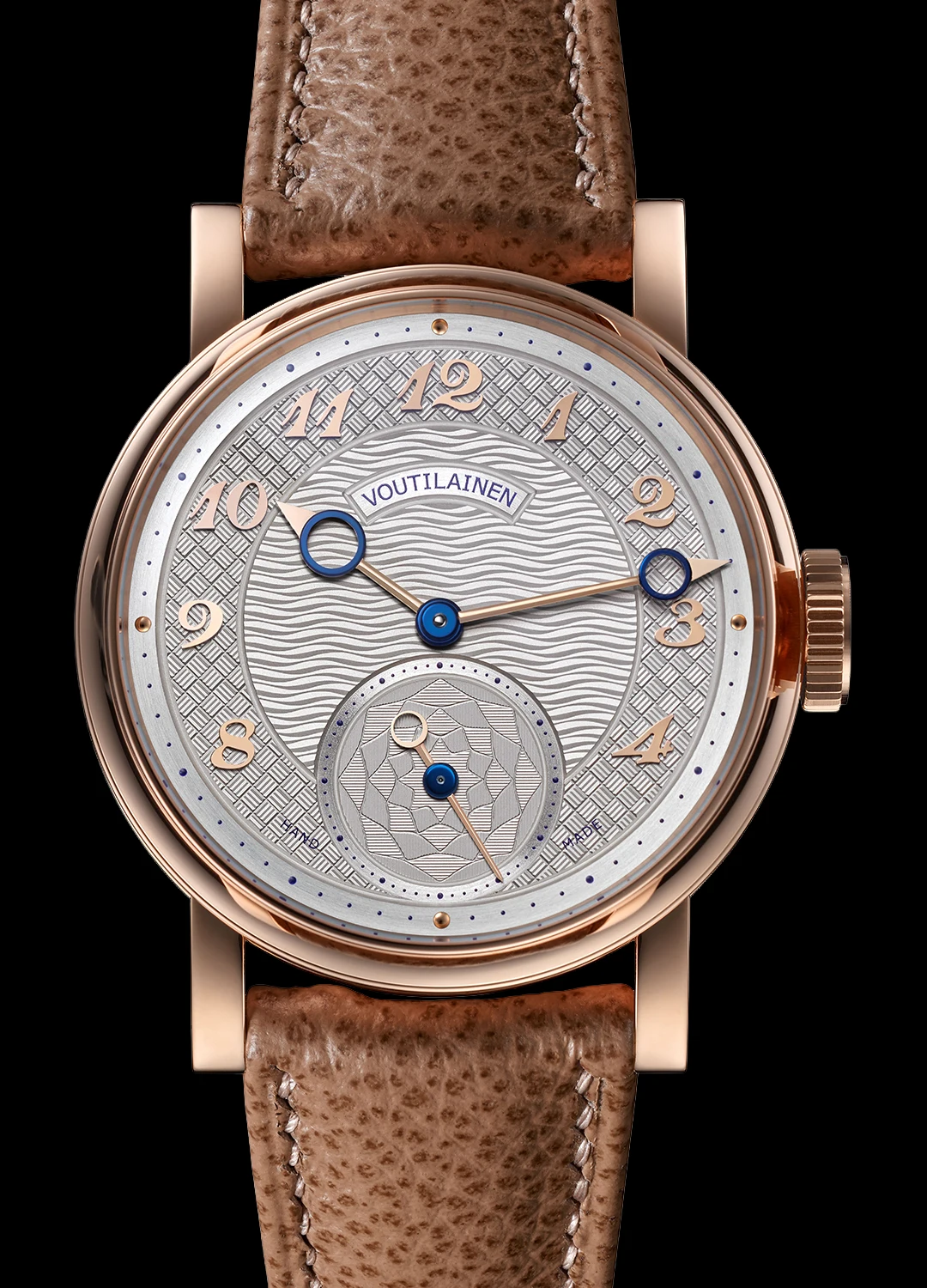
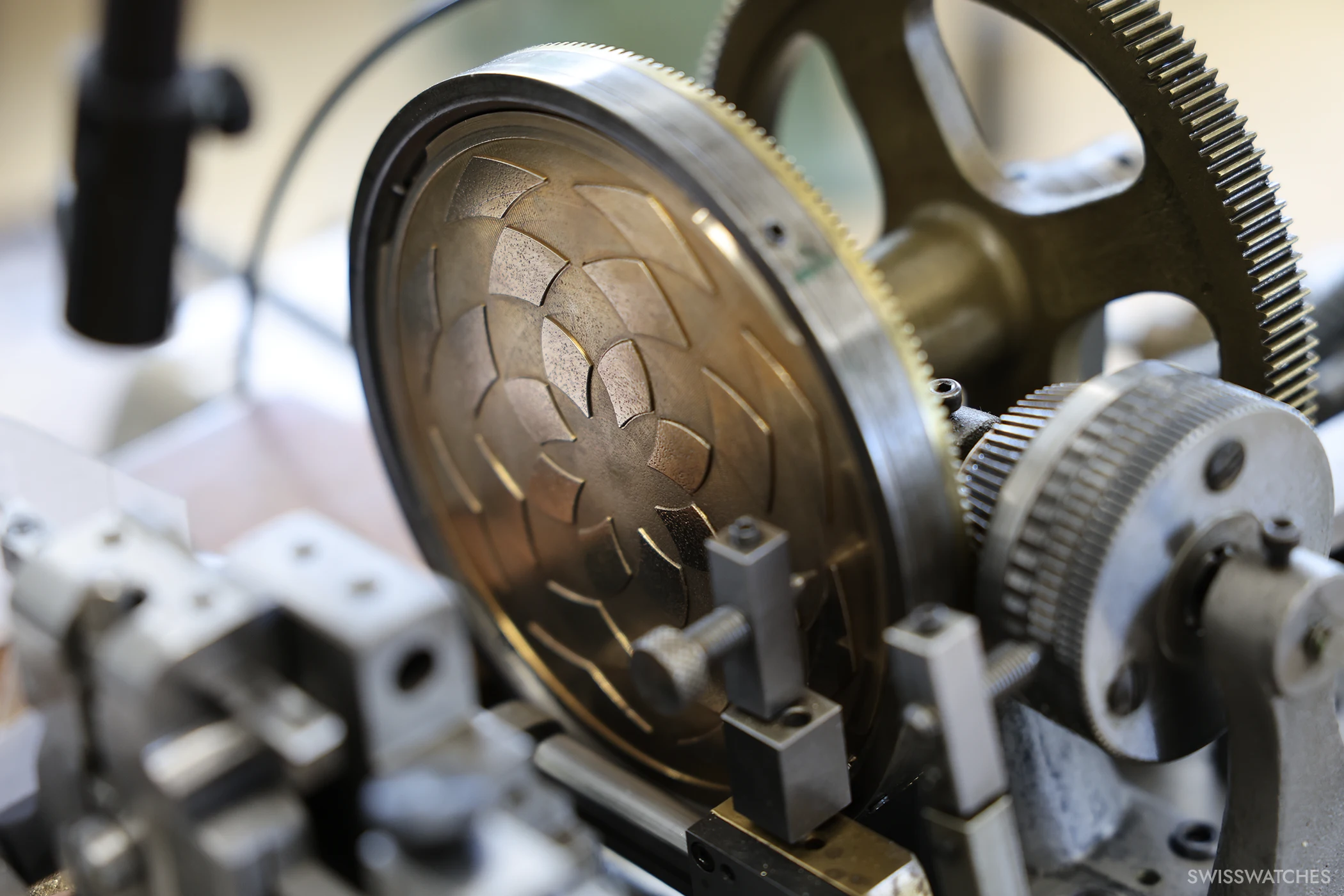
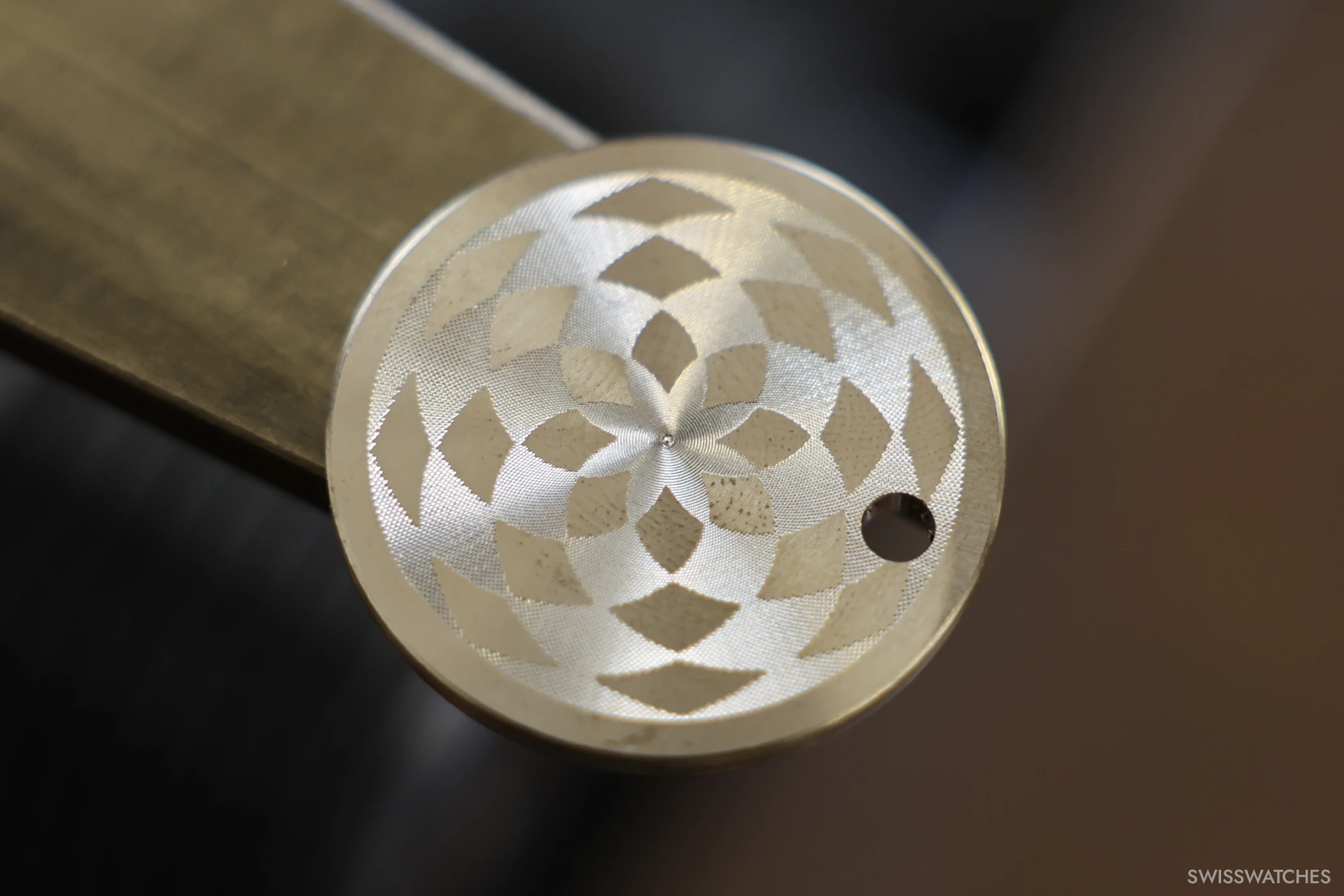
A plain dial can sometimes feel empty to me. Guilloché decoration gives life to a dial through the interplay of light and shadow. As you turn your wrist, the reflections constantly change.
I also prefer engine turning over freehand engraving for dials because it is geometric and symmetrical. Hand engraving is often too personal – it reflects one engraver’s artistic style, which might not suit a client. Guilloché is technical, precise, and timeless. Furthermore, Abraham-Louis Breguet originally used different guilloché patterns to delineate different functional zones on a dial, enhancing legibility. We use it for the exact same functional and aesthetic reasons.
When it comes to colours, I always lean towards white, grey, and black. You can look at those three classical shades every day of your life and never grow tired of them.
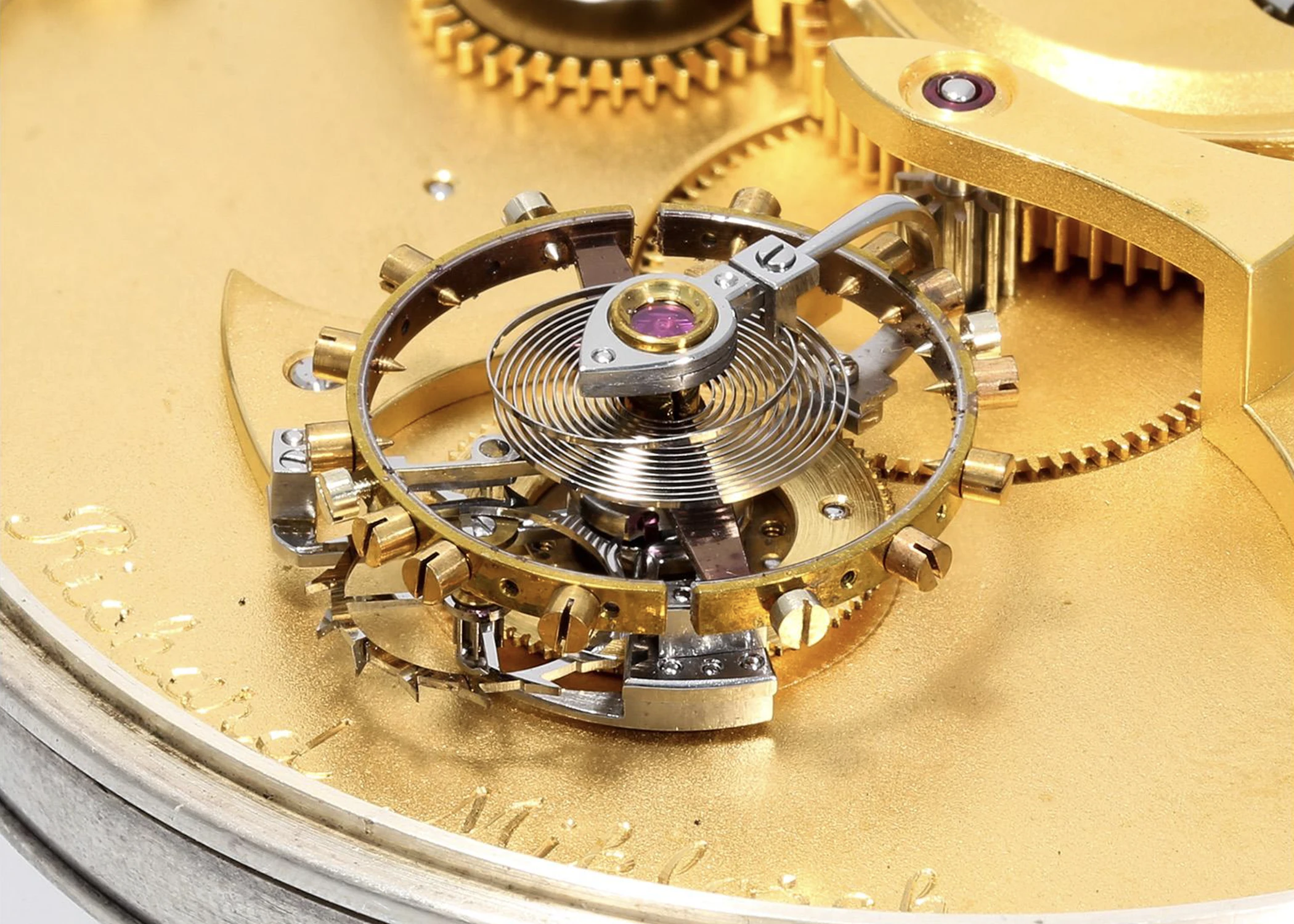
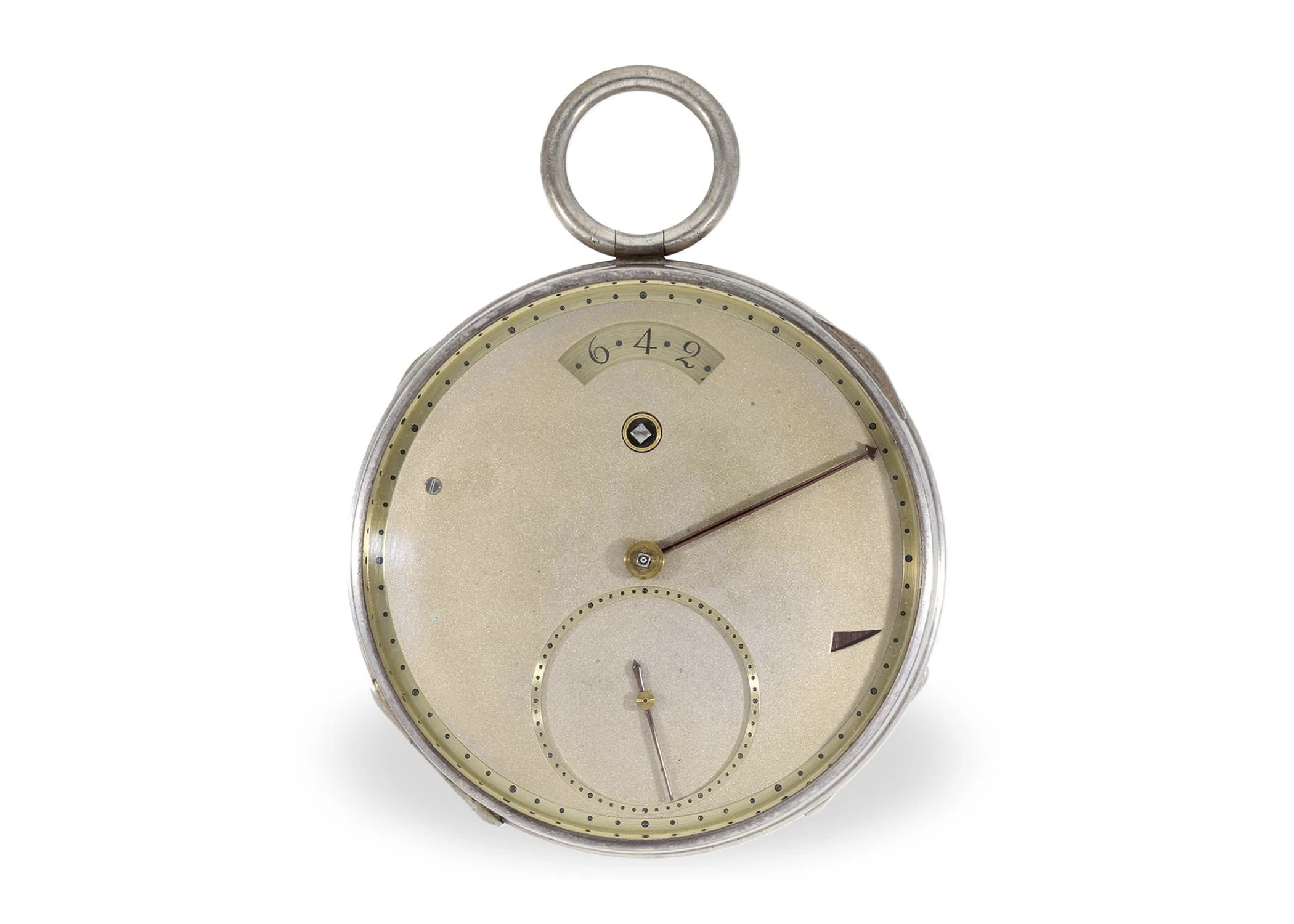
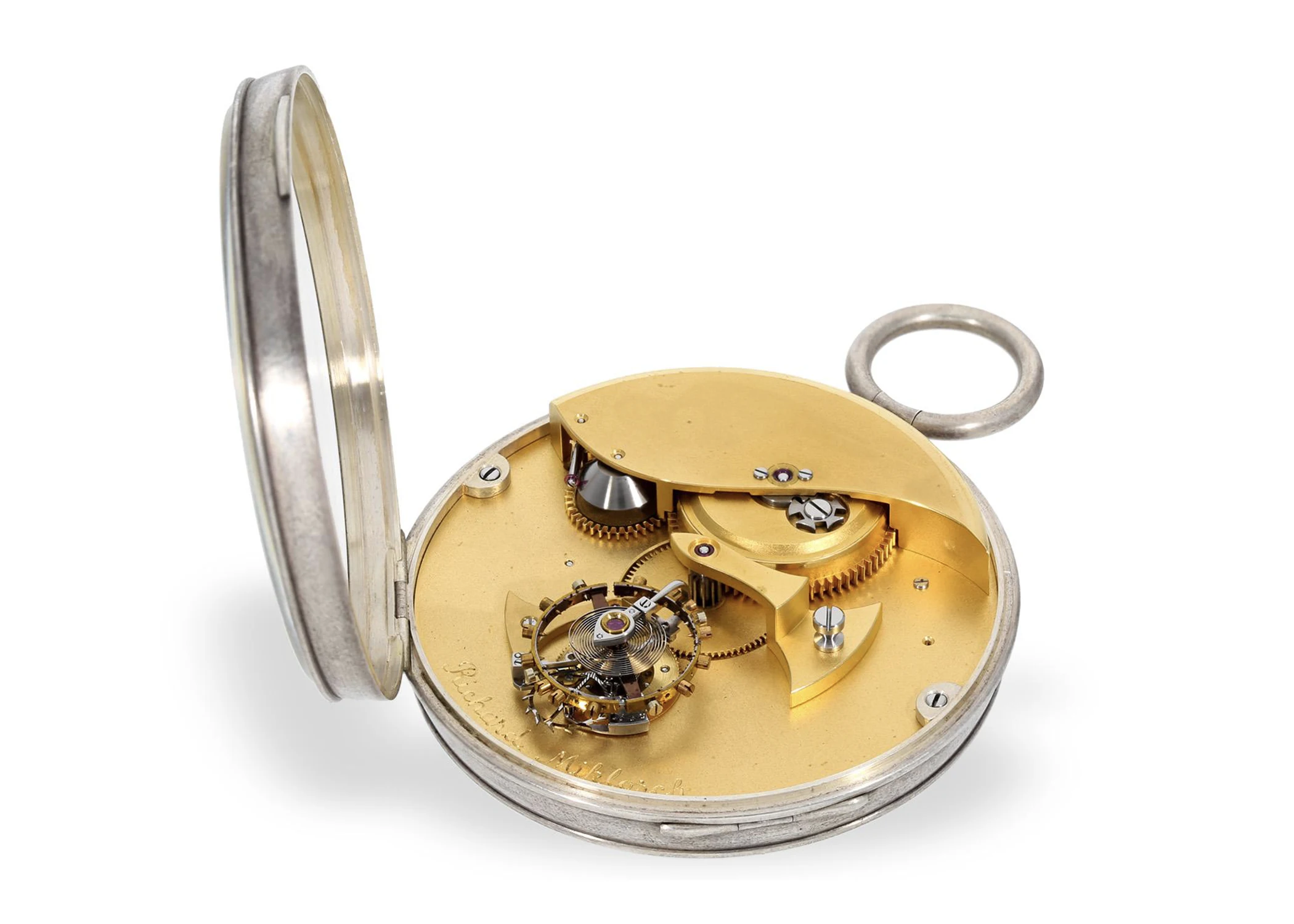
When I moved from Finland to Switzerland, I was fortunate to meet extraordinary craftsmen. One was Richard Miklosch, a self-taught German watchmaker and teacher based near the Belgian border in Aachen. He built exquisite tourbillons and pocket watches entirely by hand in a tiny workshop using basic hand tools. As a student, I wrote him a handwritten letter asking if I could visit. He invited me over, and I ended up spending an entire week in his workshop watching him work. His enthusiasm completely ignited my ambition to make my own watches.
Later, while working at Parmigiani, I worked alongside an elder watchmaker who was 70 years old at the time and was Michel Parmigiani’s very first employee. He worked purely out of unadulterated passion and constantly encouraged me: “Kari, you must make your own watch.”
I also regularly visited an antique clock restorer in Provence who worked continuously until he passed away at the age of 90. Observing his passion just before he died proved to me that watchmaking isn’t just a job – it’s a lifelong calling.
Credit © Cortrie Spezial Auktionen
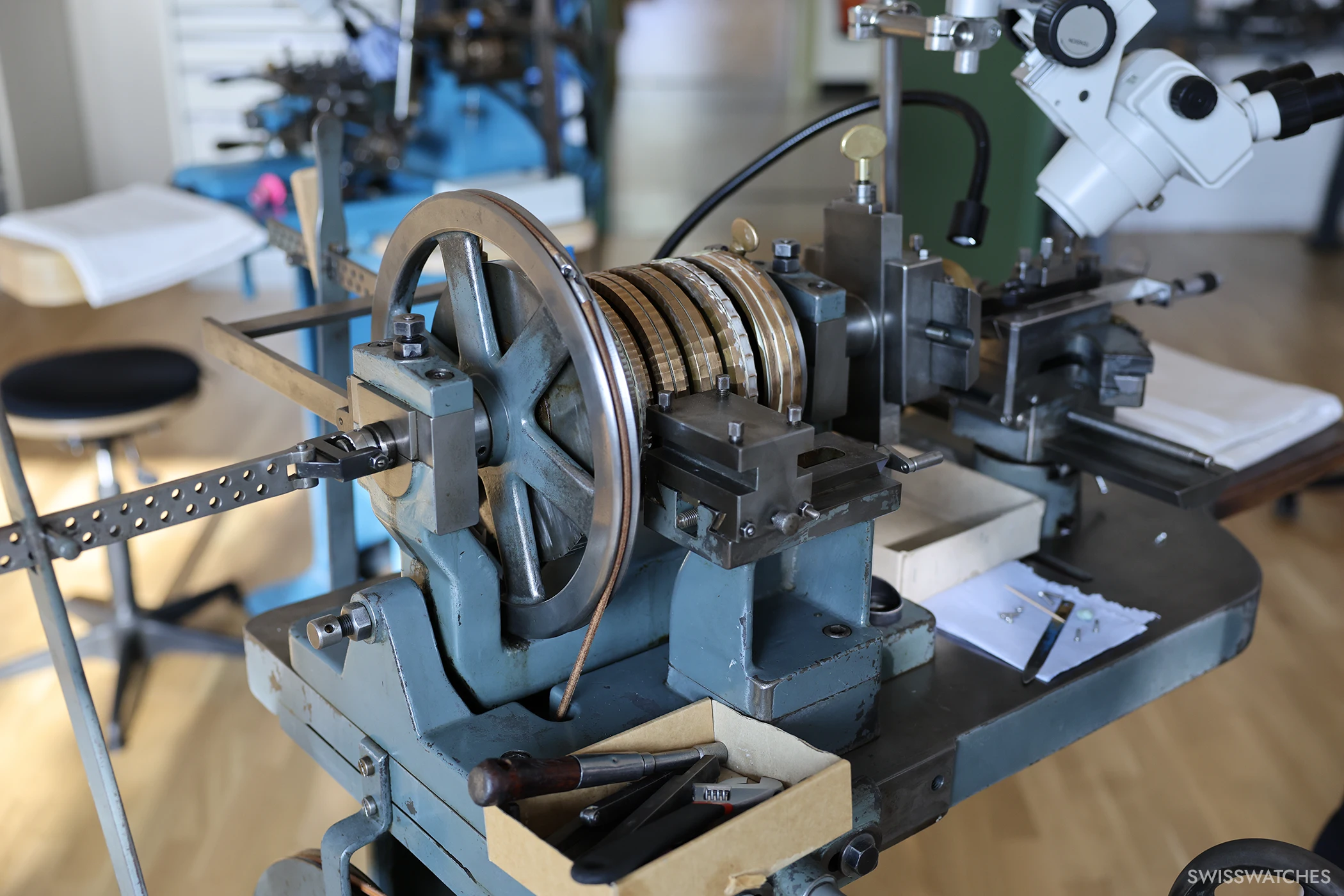
Yes, back in 2006. I realised that to survive long-term, we had to control our own destiny and make our own movement parts. I began researching CNC machines and invited a supplier representative to my workshop. After looking around, he arrogantly said to me, “Your work is nice, but I think our machines are far too expensive for you.”
His arrogance infuriated me, but it also lit a fire underneath me. I thought, “Fine, if that’s your attitude, I will figure it out myself.” Shortly after, I met a representative for Haas CNC machinery who was exceptionally helpful and took the time to show me how small workshops were operating their machines. That was the moment we began building our in-house manufacturing capabilities from scratch.
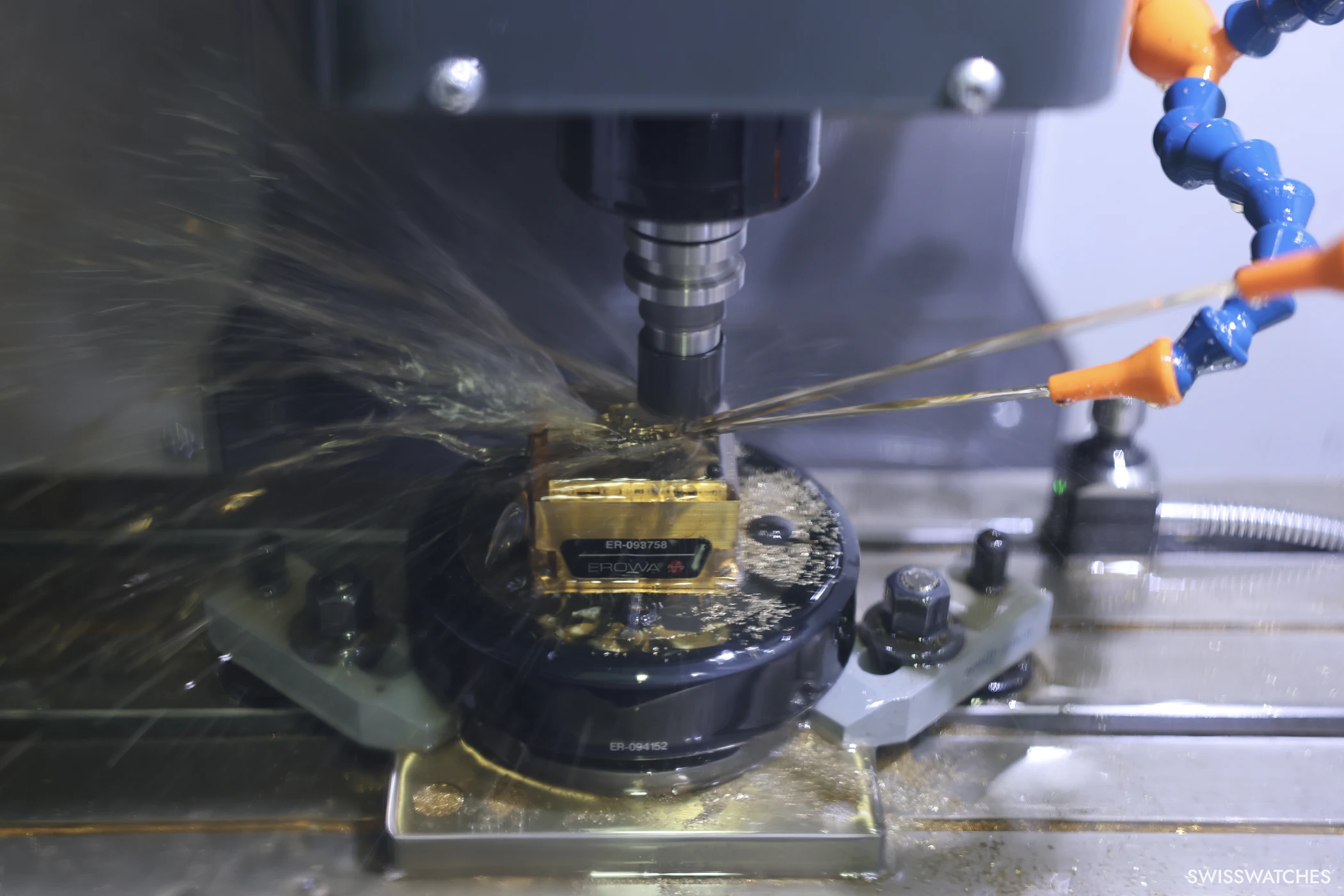
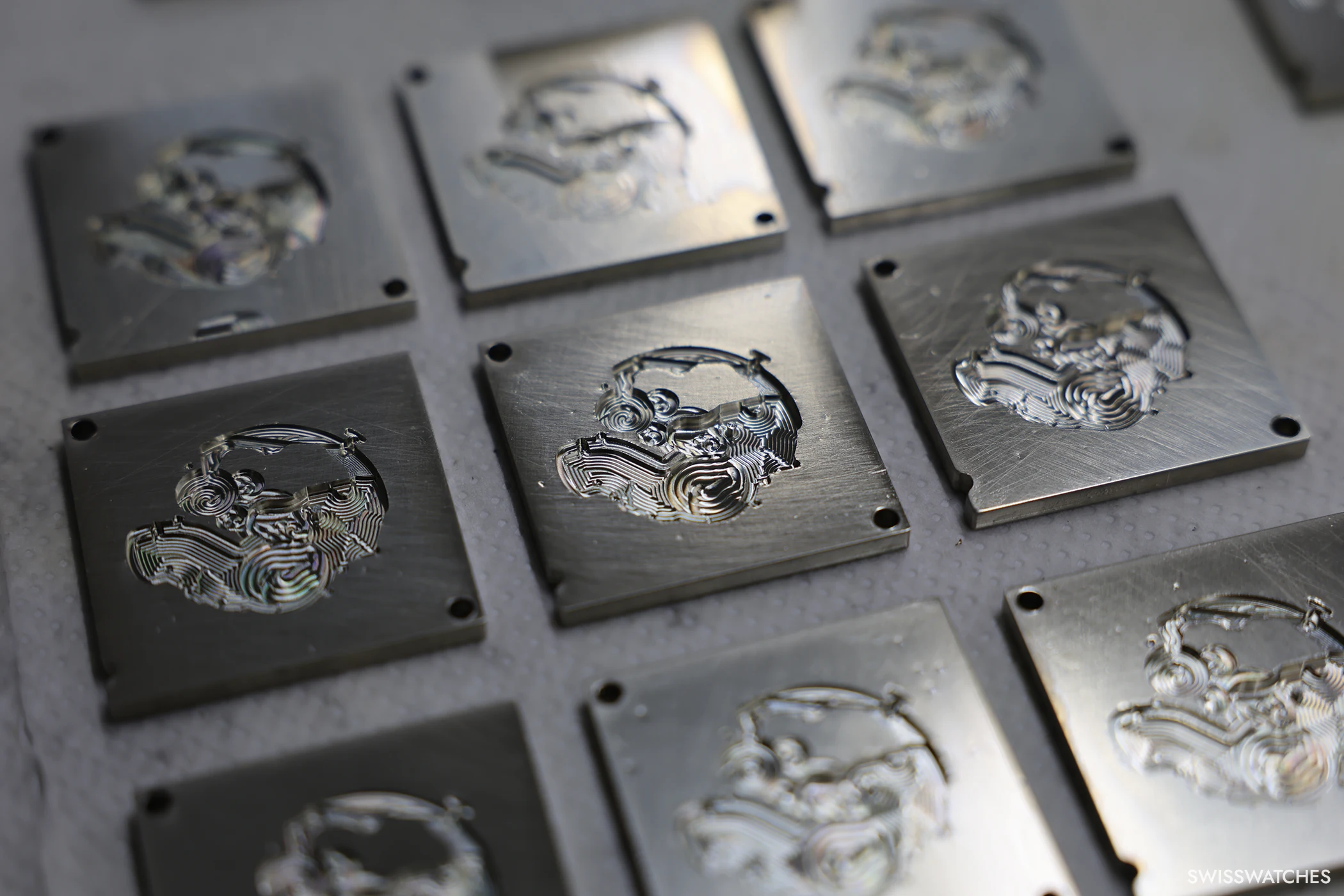
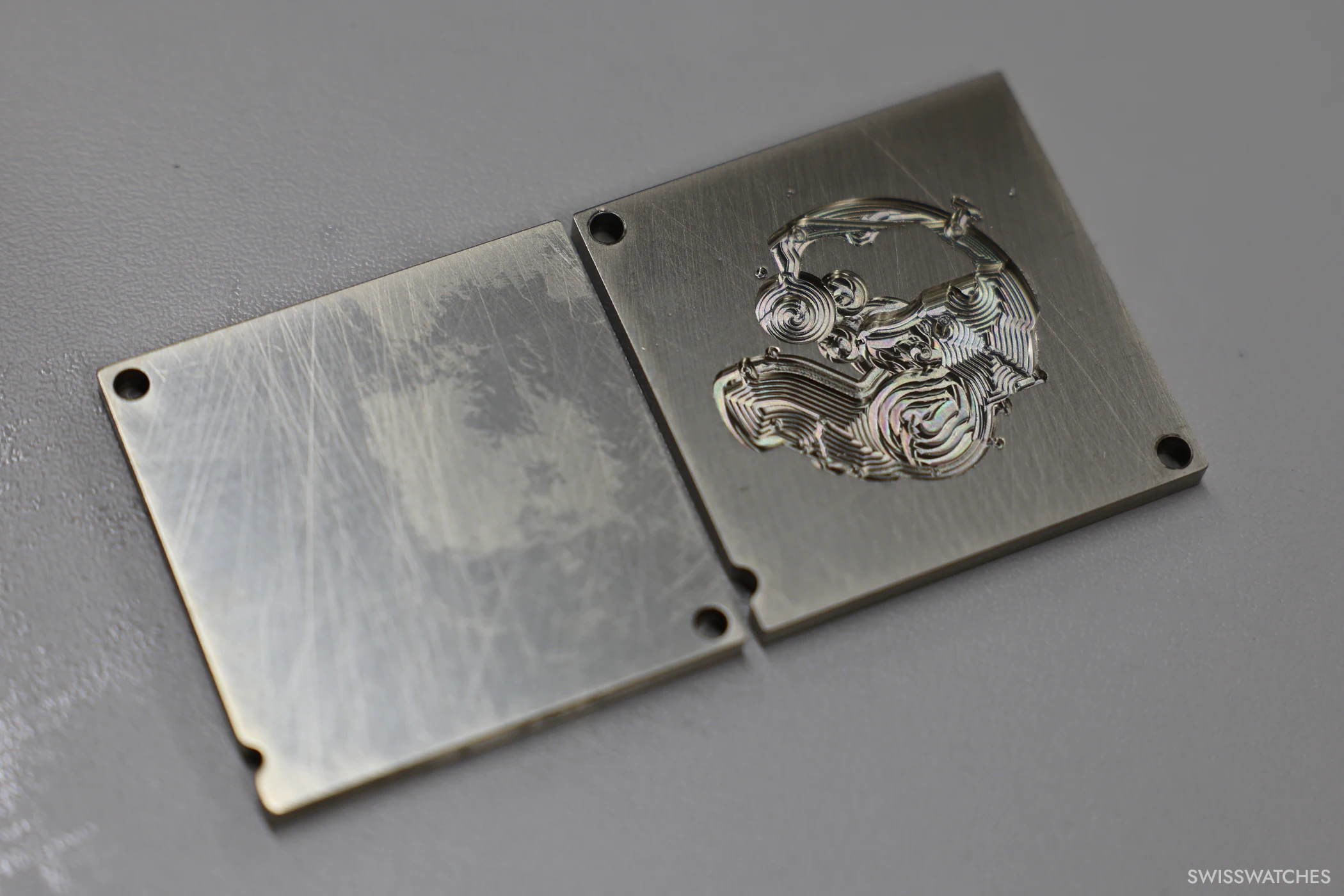
Neither was part of a grand master plan; they arose out of necessity during moments of crisis.
In early 2013, we launched a new model at Baselworld featuring a power reserve at 2 o’clock and sold 25 pieces immediately. We had 25 movements and cases completely finished in our workshop, but the external dial supplier we relied upon underwent an internal management upheaval. They shelved my order entirely. For three to four months during the summer of 2013, we had zero deliveries, zero income, and a growing team to pay. It was an extremely stressful period.
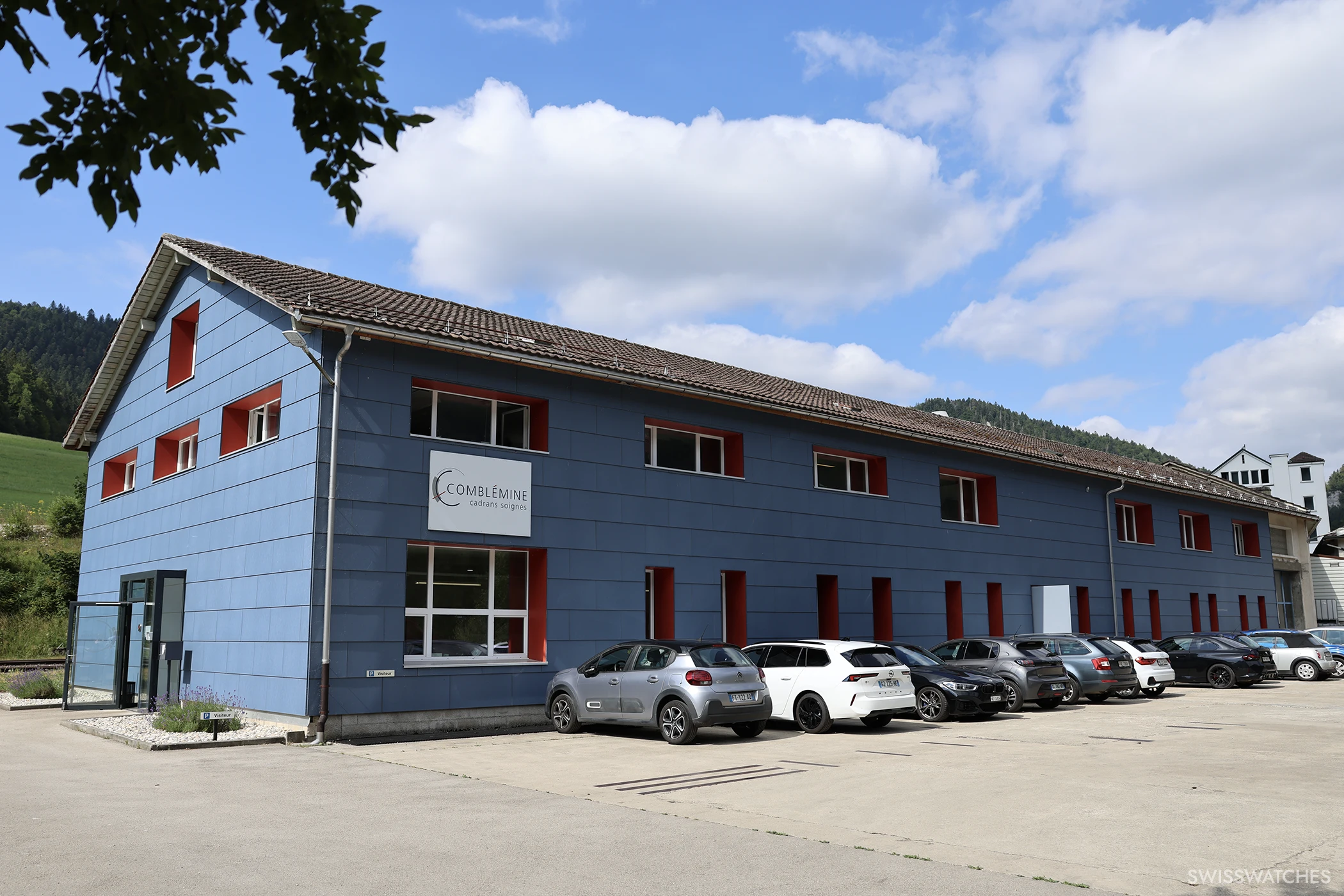
Shortly after, that dial factory went bankrupt following the owner’s passing. I managed to deliver my watches just in time to generate cash flow, and then I stepped in to buy the bankrupt dial factory on 1st July 2014, renaming it Comblémine.
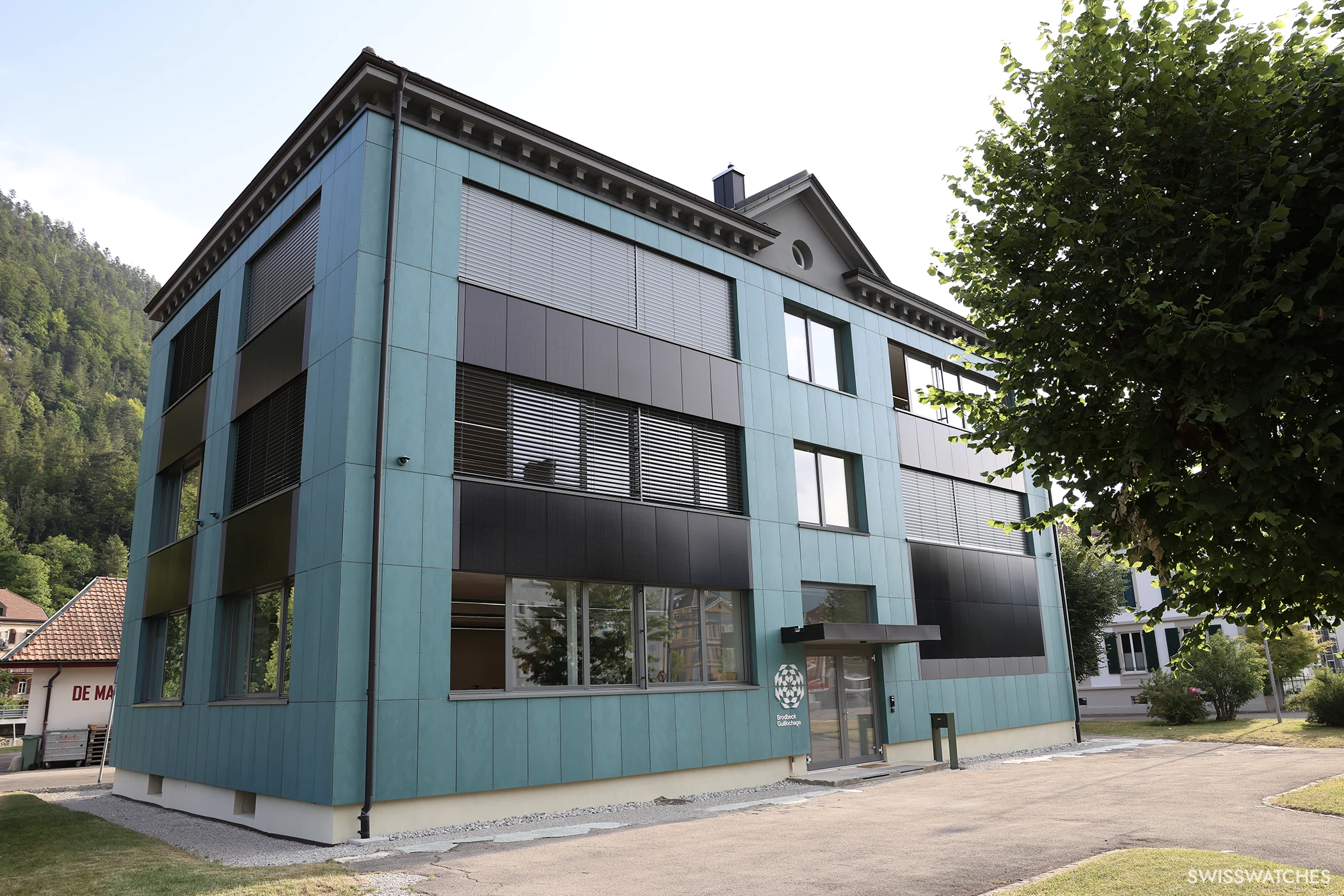
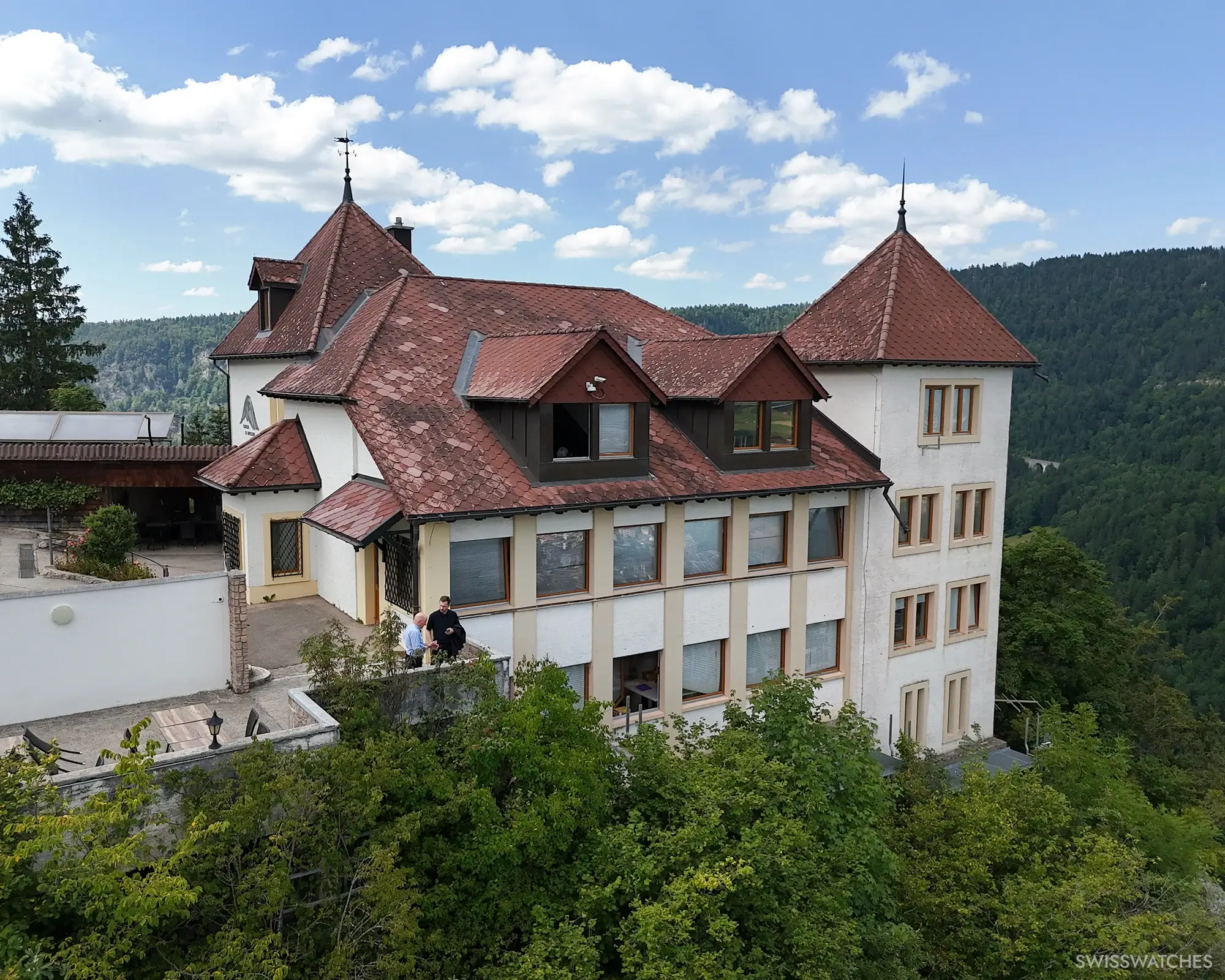
Right after pandemic time, I noticed a small article in the local newspaper stating that the old high school building in the village of Fleurier was being vacated. I immediately called the mayor, invited him over, and asked to buy the building to set up our engine-turning workshops and Brodbeck Guillochage. He discussed it with the municipal council, and they agreed to sell it to us.
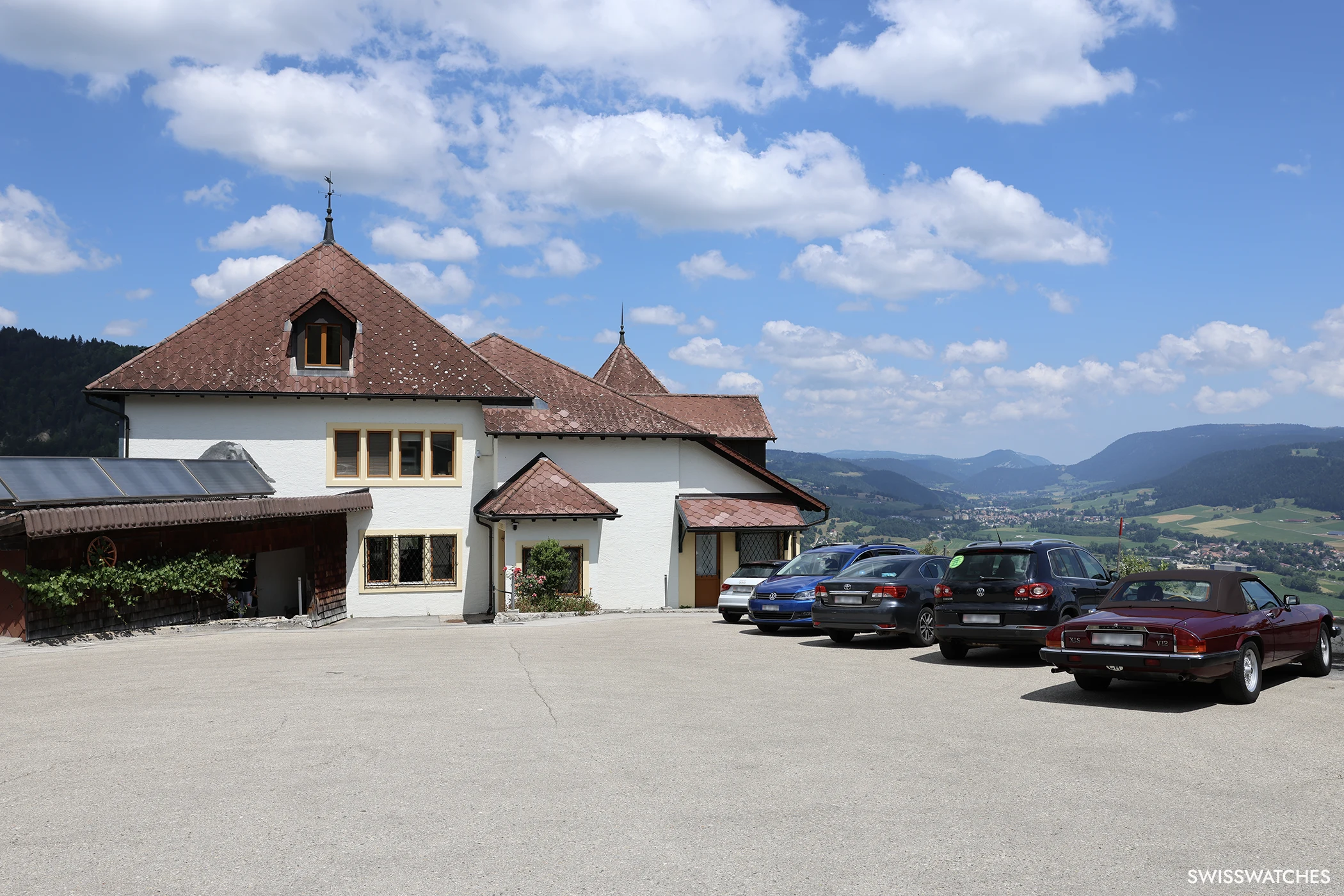
A similar situation occurred. The case supplier we used was closing down its case manufacturing division. Rather than letting the equipment be scattered or bought by a large conglomerate, I partnered with the former director to acquire the machinery and facilities. Today, we produce our own cases, dials, mainplates, bridges, and wheels completely under our own control.
To me, a true in-house movement begins with in-house development and construction. There are many brands today that hire an external engineering firm to design a movement, contract external suppliers to make the components, send those components to an assembly hand, and then put their brand name on the dial and call it “in-house”. That is marketing, not watchmaking.
To legitimately claim an in-house caliber, you must design the construction yourself and manufacture at least the mainplates, bridges, and key functional levers within your own walls. You don’t necessarily need to make every single screw or synthetic ruby jewel in-house, but the core soul and geometry of the movement must be yours.
Doing it yourself requires immense capital, space, and moral responsibility towards your workforce, but it grants you absolute freedom. If we need 50 custom screws for a new prototype tomorrow, we don’t have to order 2,000 from a supplier and wait six months – we simply make 50 screws in our workshop the next morning.
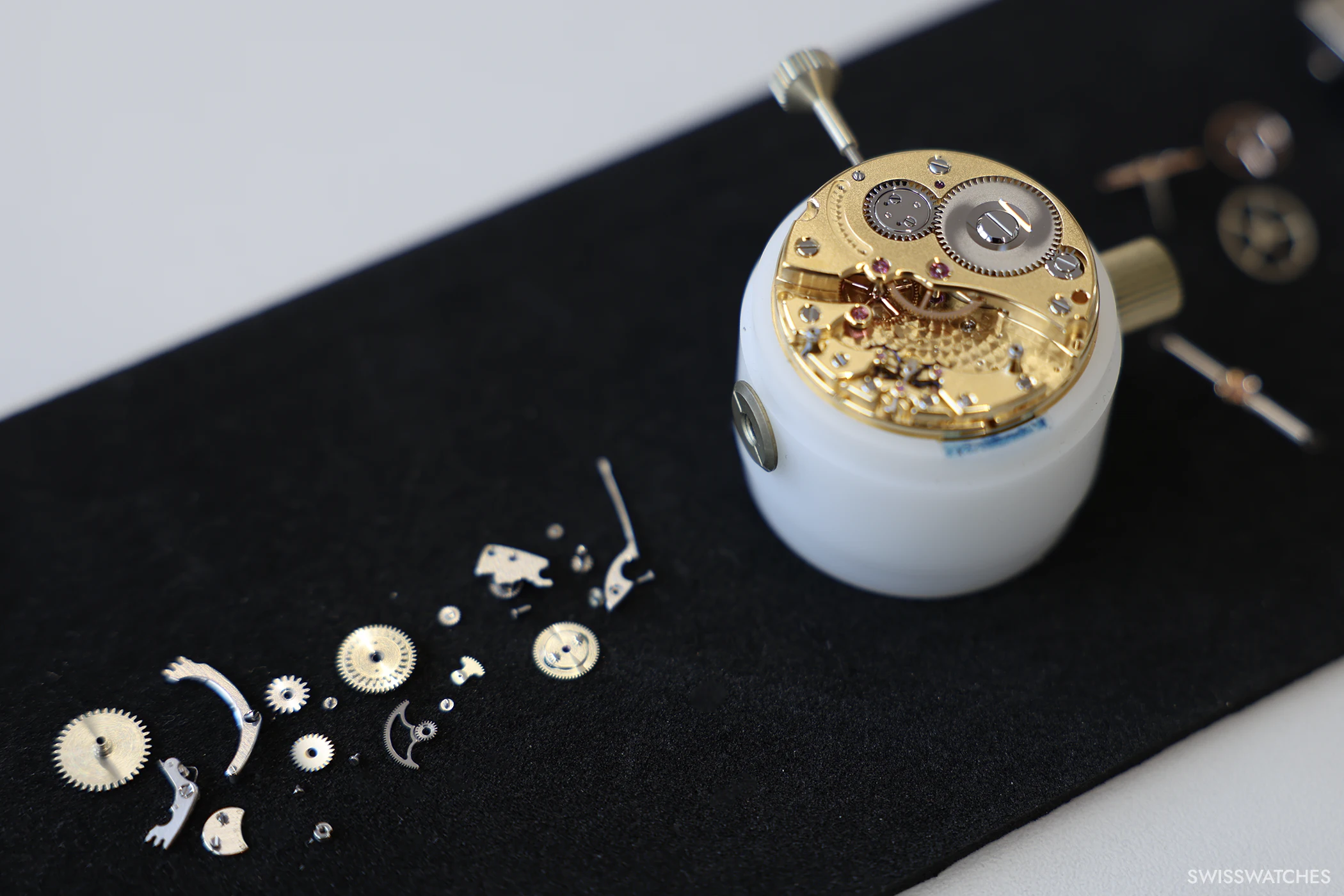
Interacting with collectors is one of the most rewarding parts of my work. Some clients are incredibly meticulous – we once received a 10-page PDF document detailing a client’s exact wishes for a single watch!
We enjoy sitting down with clients to discuss dial colors, guilloché pattern combinations, and case materials. However, as I mentioned, there are clear boundaries. If a client asks for something that ruins the aesthetic balance or erases our brand identity, I politely decline. The watch must remain recognisably a Voutilainen.
If you are constantly looking at what people are writing on social media, it starts to affect you. You lose your freedom. I prefer to keep my mind completely clear.
Kari Voutilainen
I do not have an Instagram account, nor do I use Facebook. I deliberately isolate myself in my own creative bubble.
When you are constantly exposed to online commentary, you start seeing people say, “This is too big,” “That is too thick,” or “I don’t like this colour.” Subconsciously, that noise starts influencing your design decisions. You lose your artistic independence and your strong character. You cannot please everyone in this world, nor should you try. Keeping away from social media keeps my mind completely free to create what I believe is right.
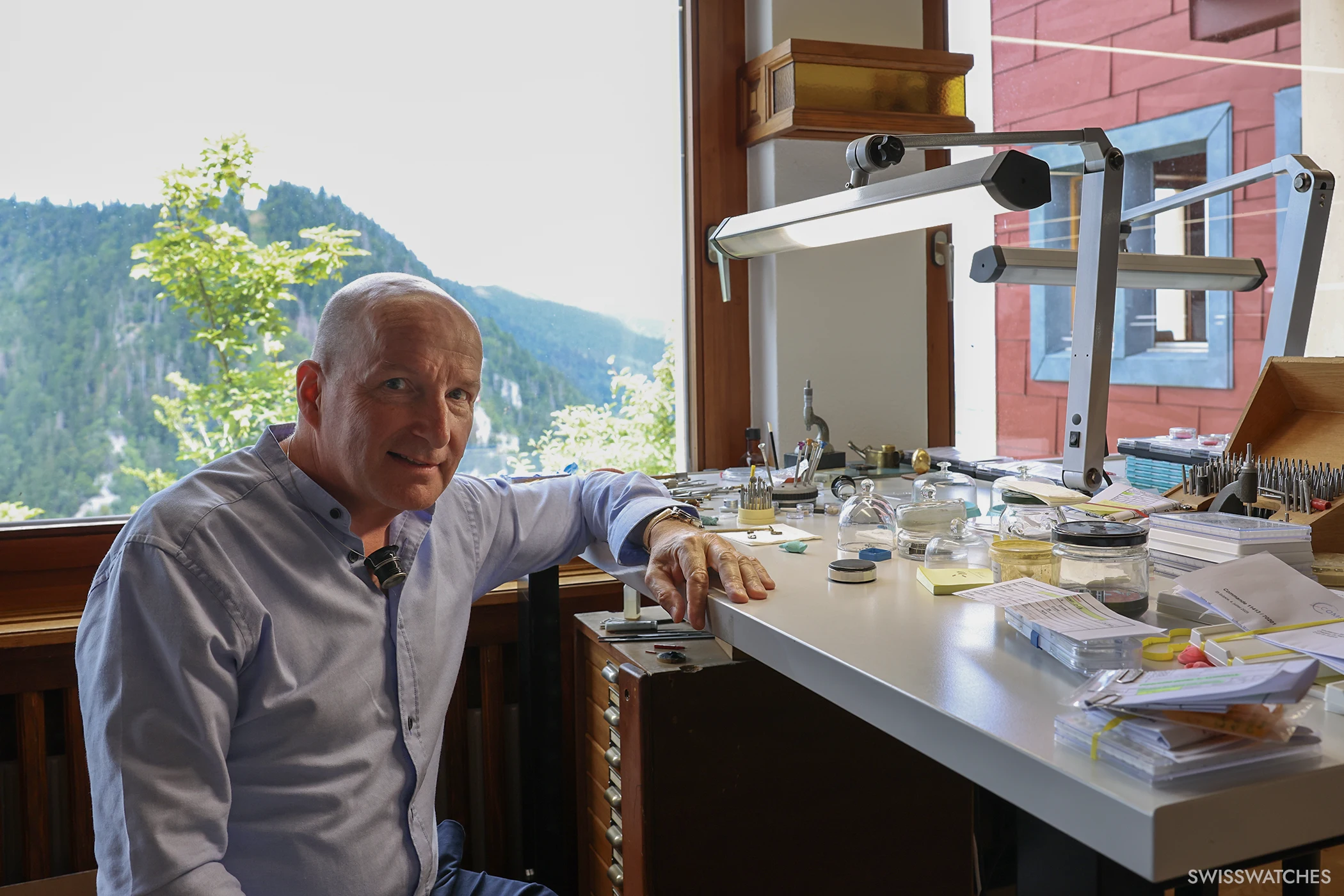
We actively hire young watchmakers straight out of watchmaking school. Some manufactures prefer veterans with 15 years of experience, but I love working with young people. Fresh graduates have no bad habits, their enthusiasm is sky-high, and they are still on a steep learning curve.
When a young watchmaker encounters a complex assembly problem at the bench, I don’t just fix it for them. I sit down and explain the physics and geometry behind the issue. Teaching someone forces you to verbalise your intuition, which makes the whole team stronger.
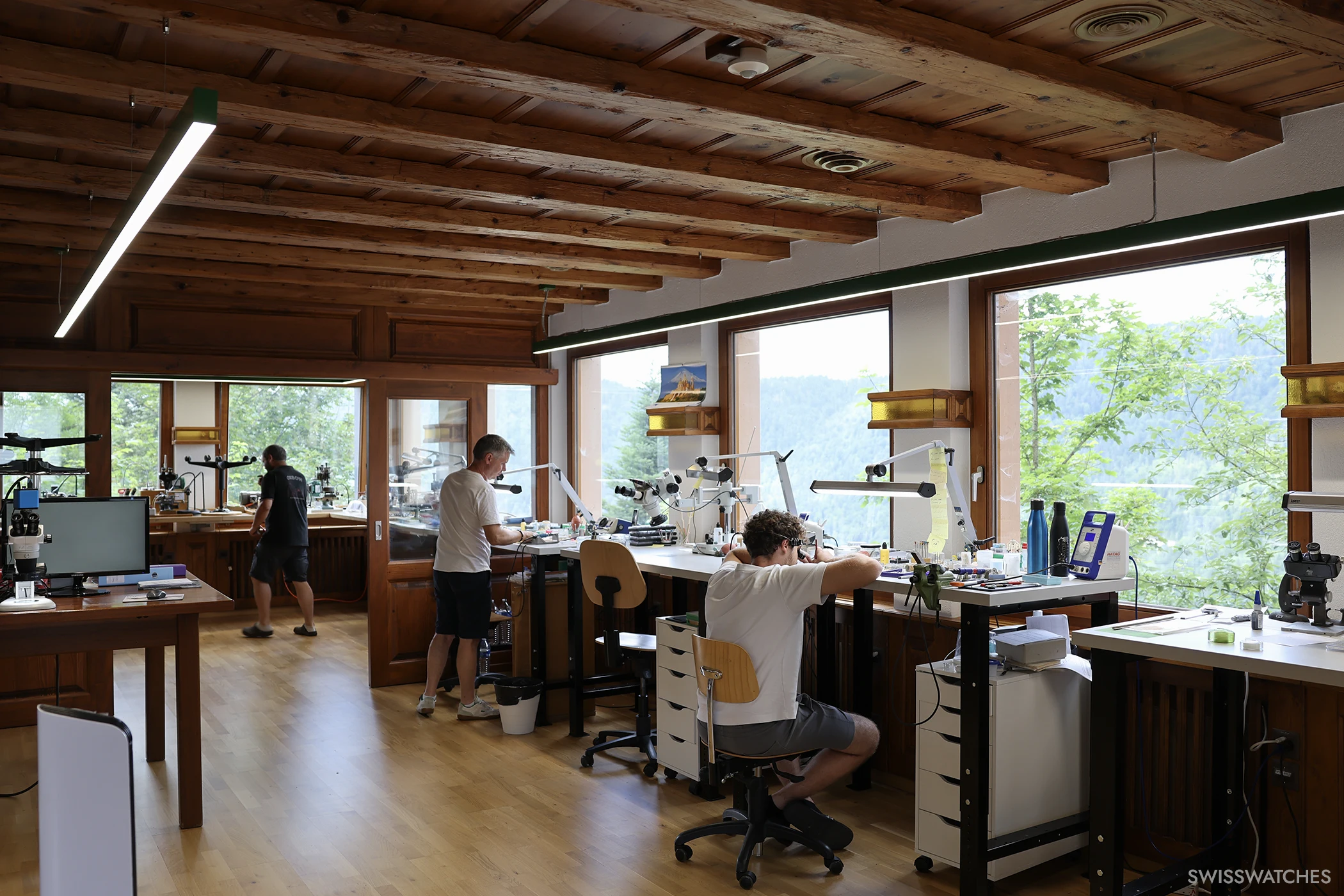
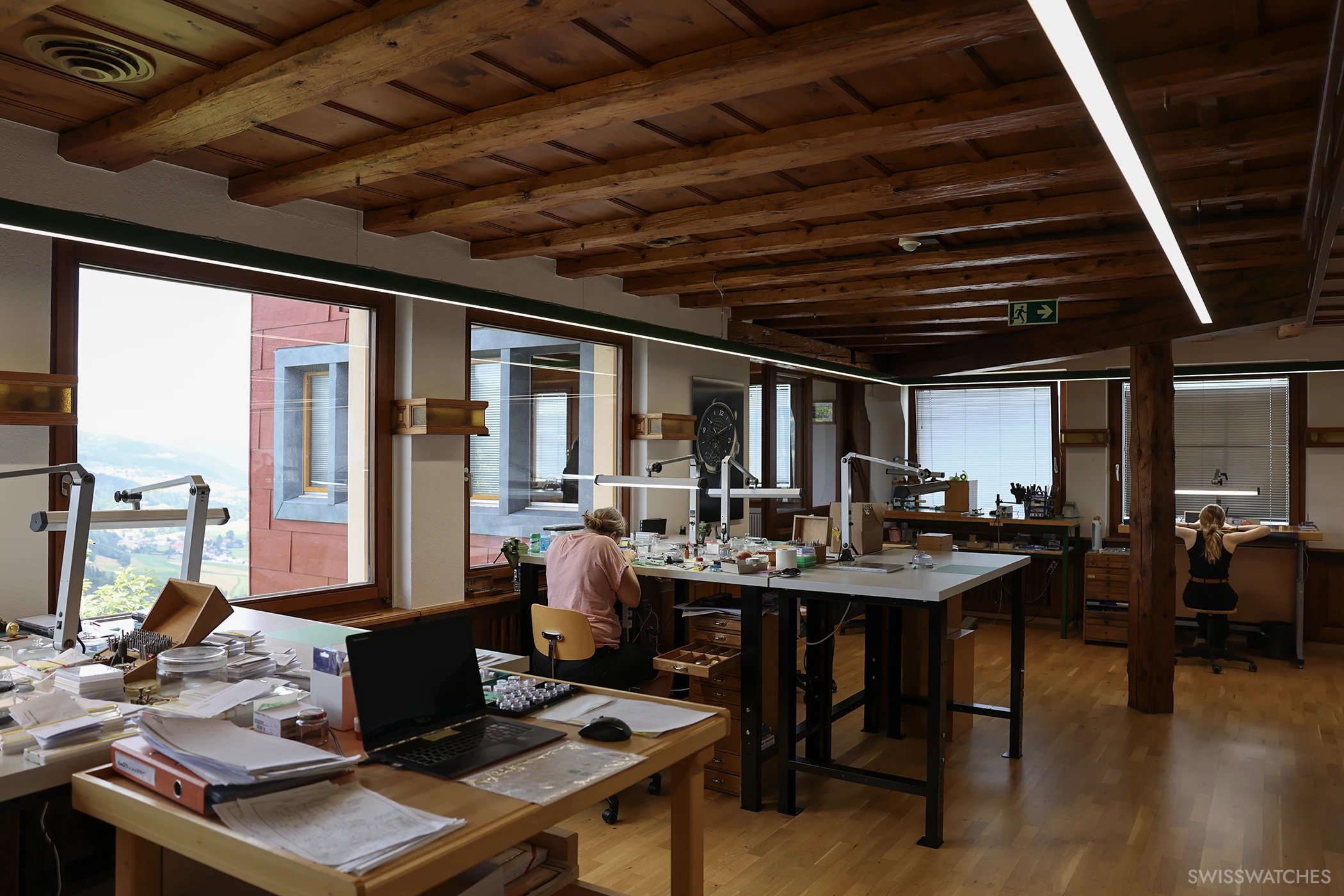
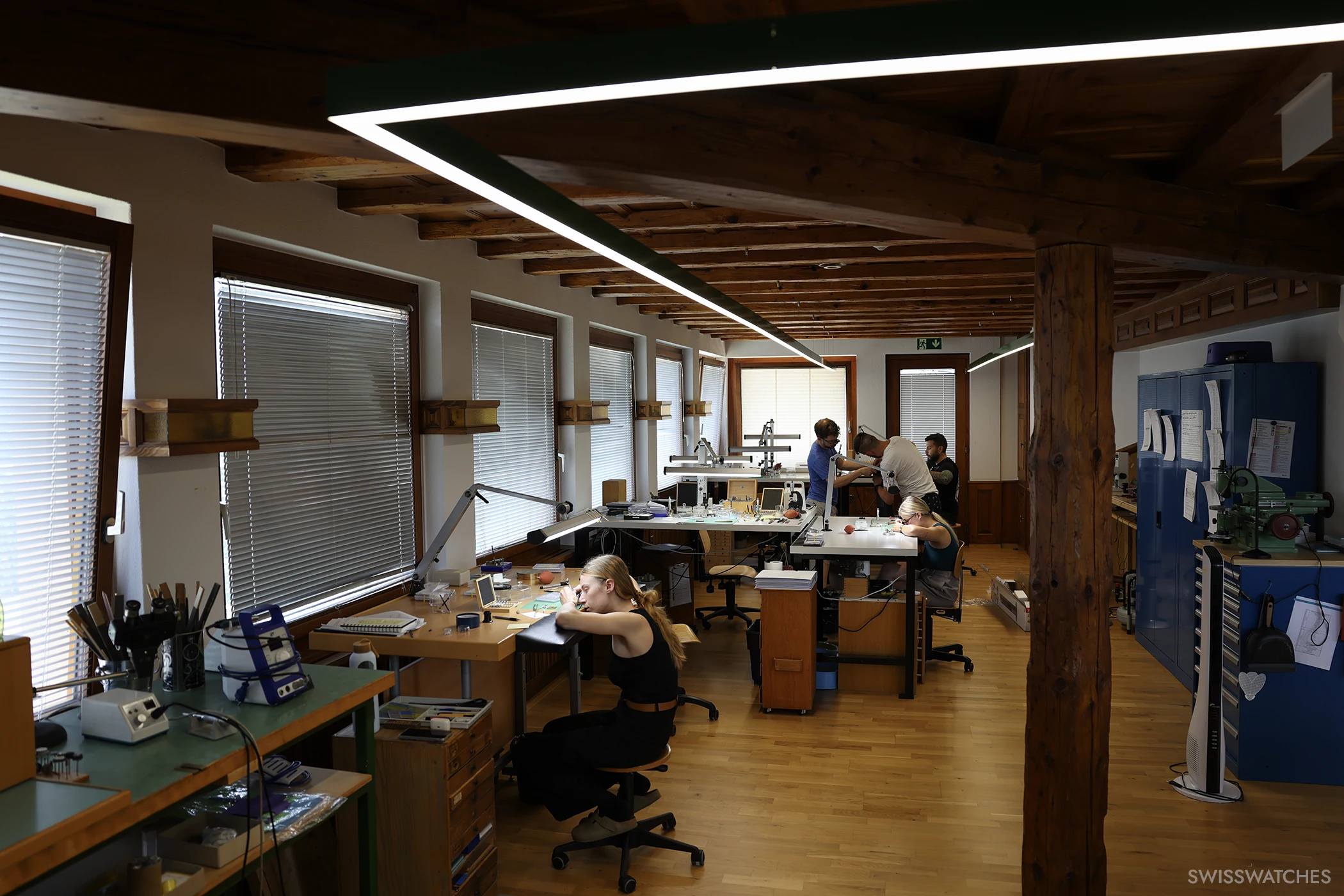
I start very early, usually around 6:00 or 6:30 AM. The morning is my sacred time for practical watchmaking at the bench – casing up movements, fitting dials and hands, or servicing watches that have come back for after-sales maintenance. When the workshop is quiet, I can concentrate fully without disruption.
In the afternoons and evenings, I handle administrative duties, emails, technical troubleshooting with our machinists, and movement development.

(Laughs) Oh, I will never forget Baselworld 2013! I used to do a lot of running and sports, and my knee was giving me trouble. Right before the fair, while running across a busy street in Basel, my knee suddenly gave out and collapsed underneath me. I fell flat on my face right in front of an oncoming tram!
Luckily, I was in good physical shape and managed to scramble out of the way, but my legs were completely scraped and bruised. The very next morning, covered in bandages and limping heavily, I had to host live television interviews at our booth and attend a formal meeting with customers. I looked like I had been in a wrestling match, but the watches were delivered on time!