Louis Vuitton and Singer bring watchmaking to the Porsche 911, from removable dashboard clocks to an exclusive Tambour Automatic for the wrist.

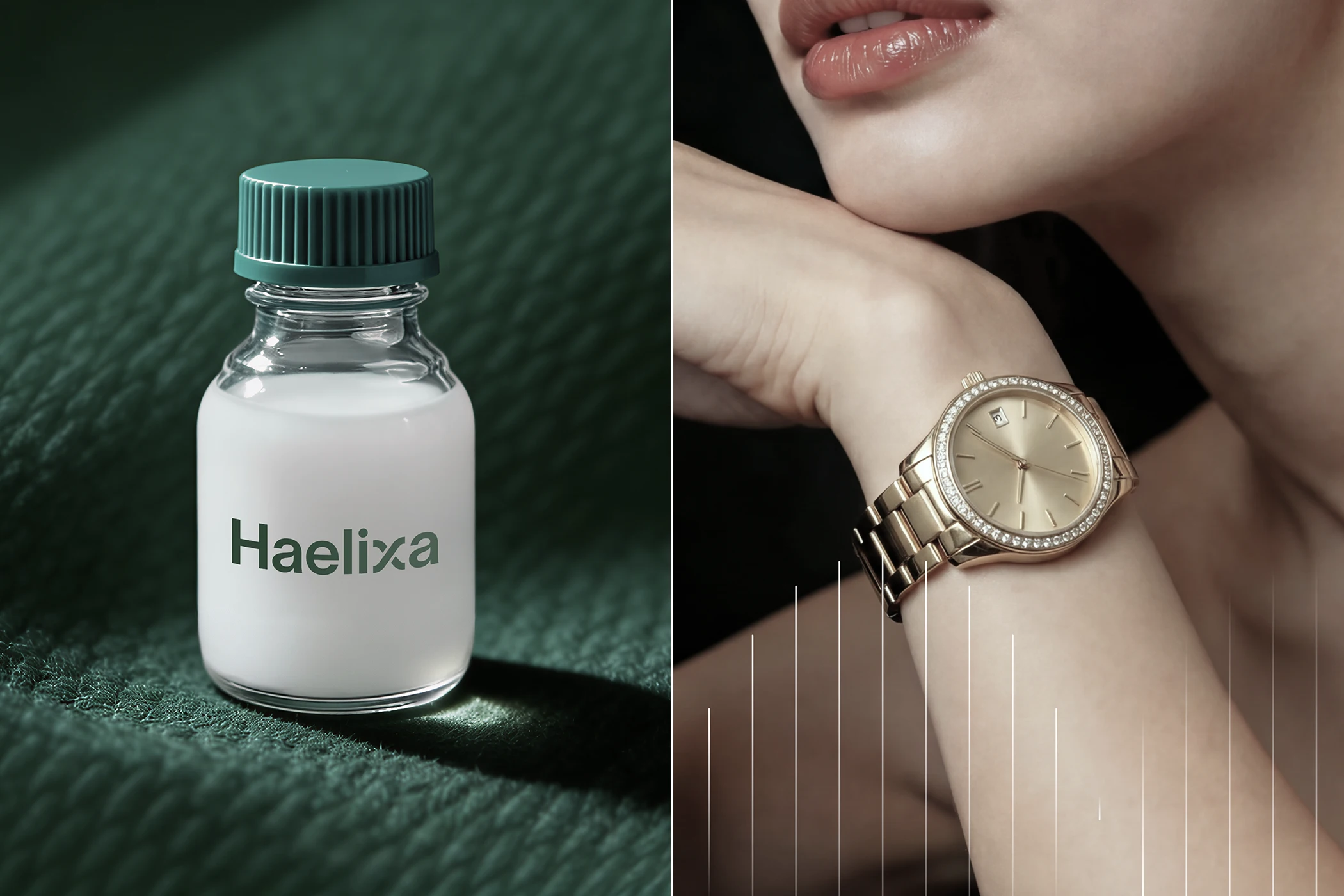
Increasingly sophisticated counterfeit watches are posing a growing problem for the Swiss watch industry: modern replicas can, in some cases, be extremely difficult to distinguish from the genuine article, threatening not only revenues but also trust in the brands themselves. With ProofDNA, Swiss technology company Haelixa aims to address precisely this issue by making it possible to verify a watch’s authenticity directly within the material itself using a DNA-based marker. We take a closer look at the concept behind the Haelixa ProofDNA technology and explain how this forensic proof of authenticity is intended to work in practice.
Combining precision, craftsmanship and iconic design, mechanical Swiss watches enjoy an exceptional international reputation. Yet it is precisely this standing that also makes them an attractive target for counterfeiters around the world.
Why mechanical Swiss watches in particular attract counterfeiters is relatively easy to explain. On the supply side, numerous emblematic models provide readily recognisable designs and technical characteristics to replicate, while their compact dimensions facilitate transport and international distribution and allow for high margins. On the demand side, the same characteristics work in reverse. Buyers can increasingly obtain high-quality imitations of iconic models at a fraction of the original price, sometimes bypass years-long waiting lists and, at least outwardly, gain a comparable degree of prestige and recognisability.
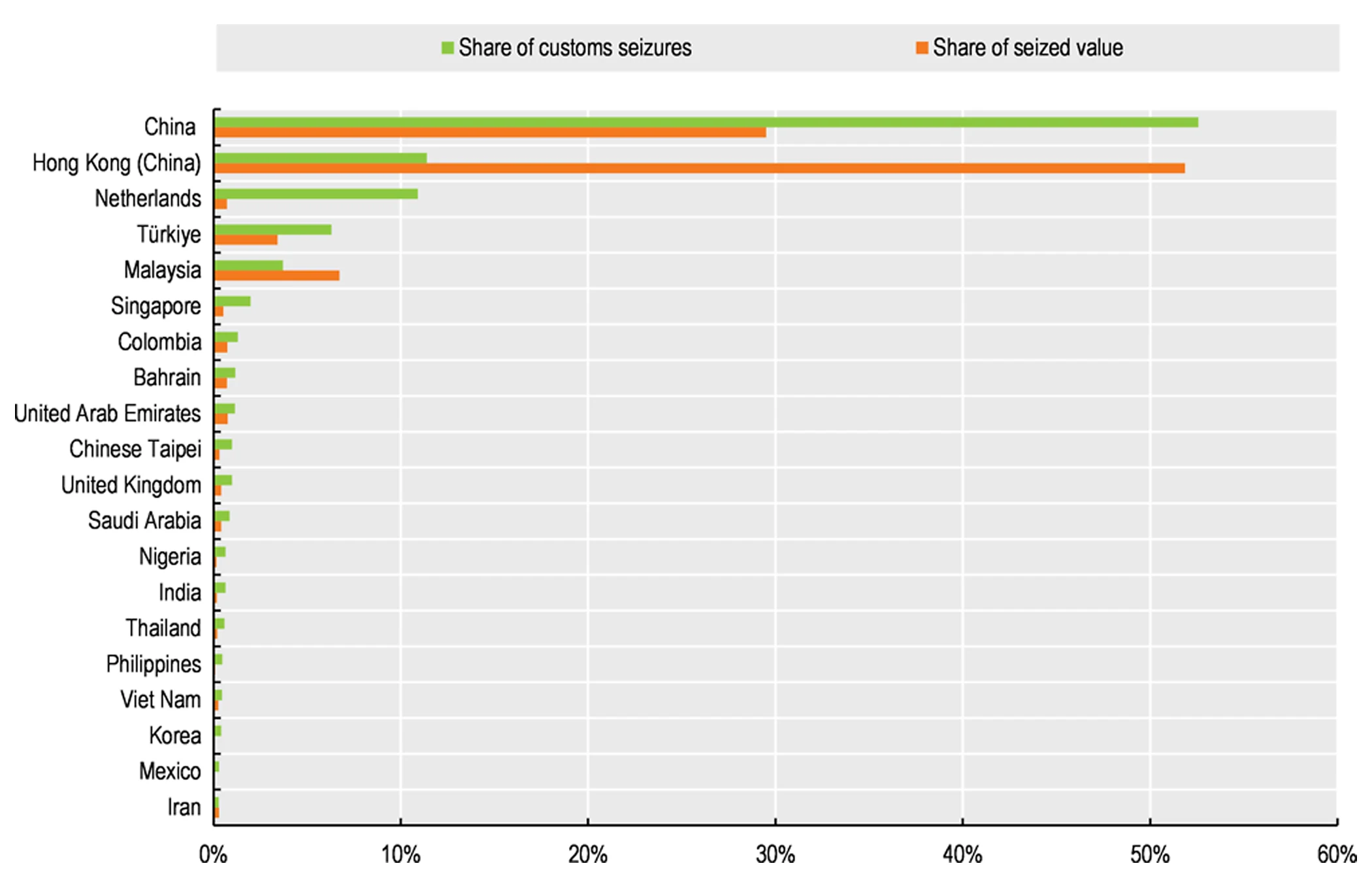
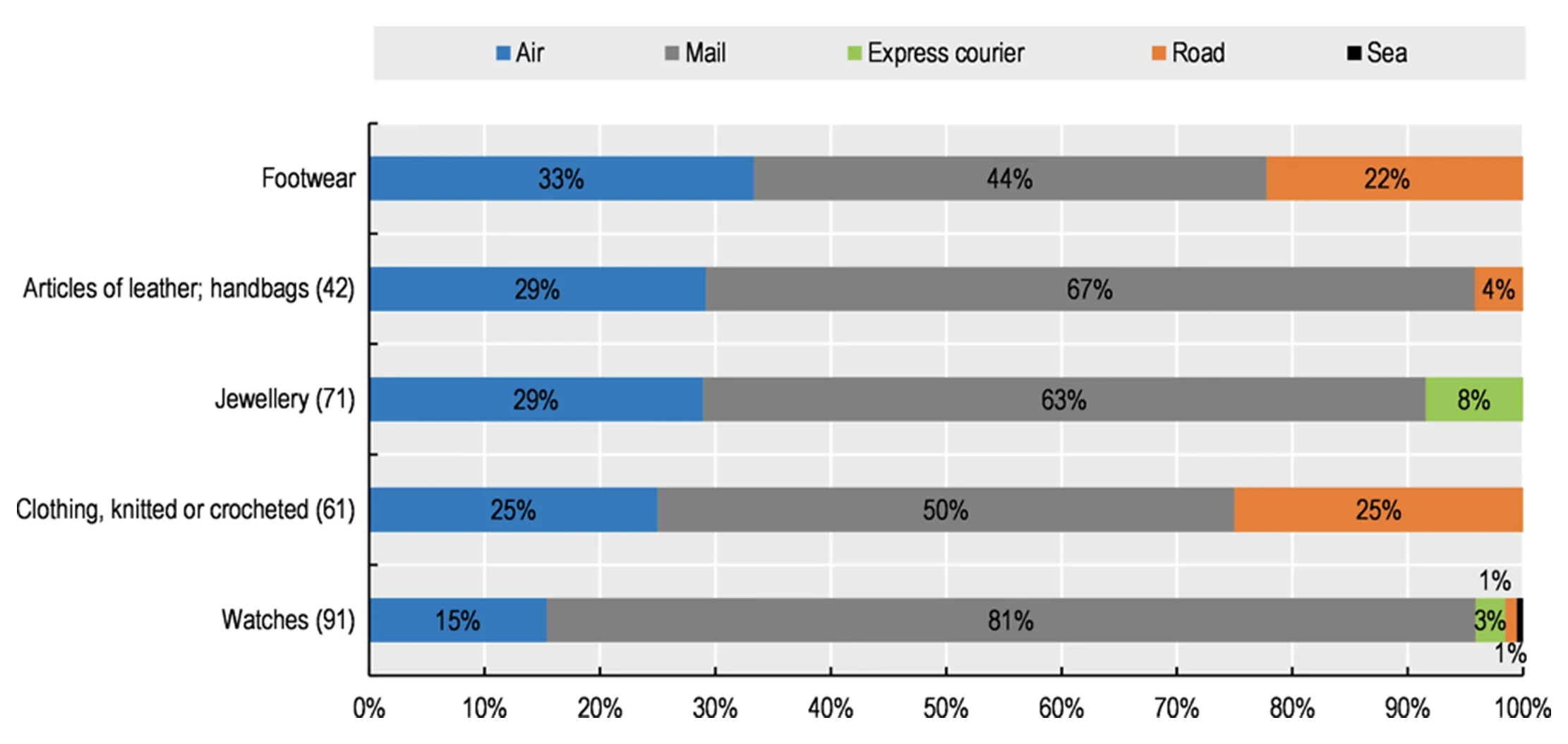
Credit © OECD global customs seizure
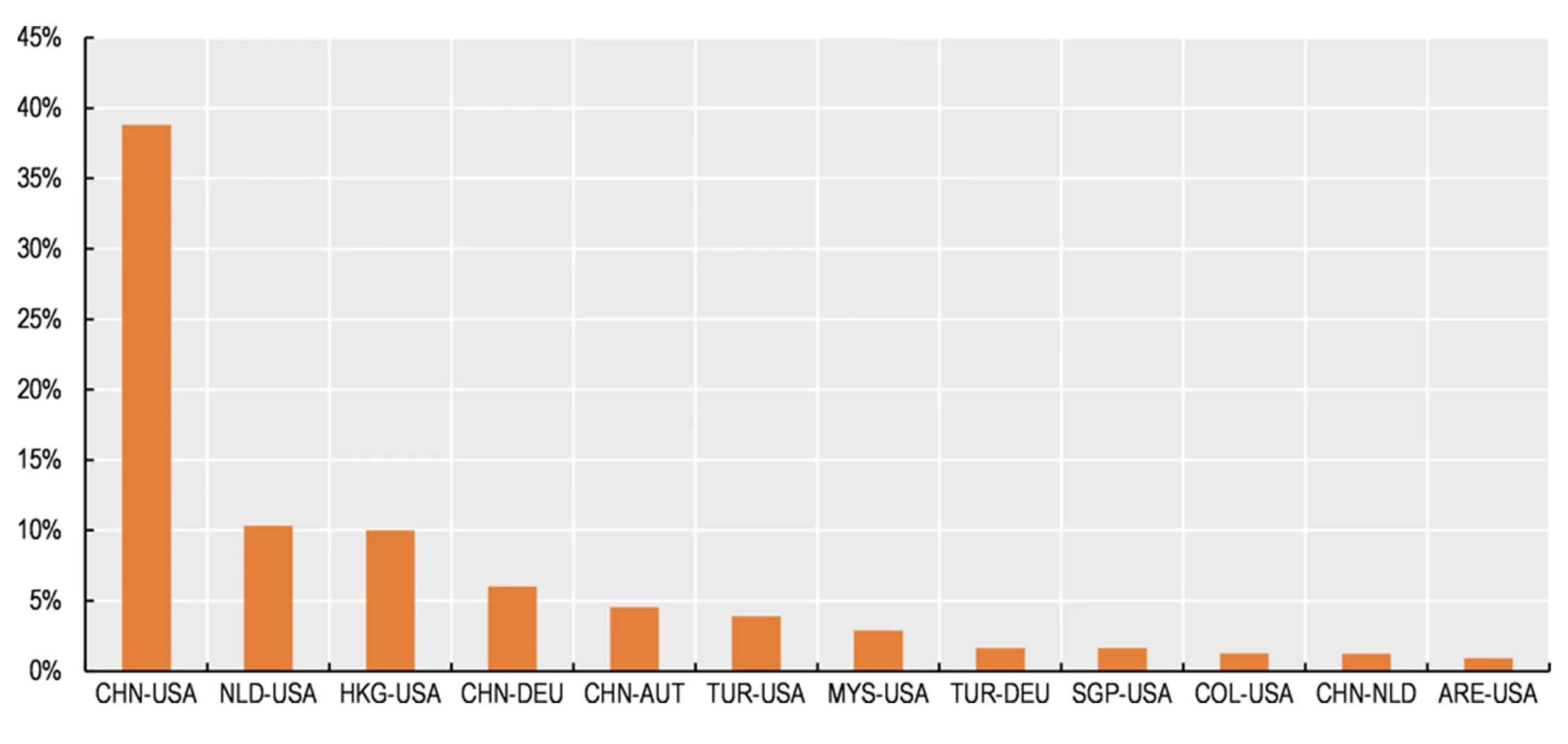
The growing prevalence of counterfeit luxury watches is being fuelled by increasingly sophisticated manufacturing technologies, ever more complex international trade routes, the widespread use of intermediaries and the exponential rise in small consignments driven by e-commerce, which has created new distribution channels for counterfeit watches in global markets. Taken together, these factors have opened up new gaps in control and enforcement systems that counterfeiters are able to exploit deliberately.
Online retail is particularly attractive to counterfeiters, as the digital environment offers greater anonymity while also lowering the psychological barrier to knowingly purchasing counterfeit watches. E-commerce has also shifted the financial risk: if counterfeit goods are seized at the border, it is ultimately the consumer who bears the loss, as the goods have already been paid for by that point.
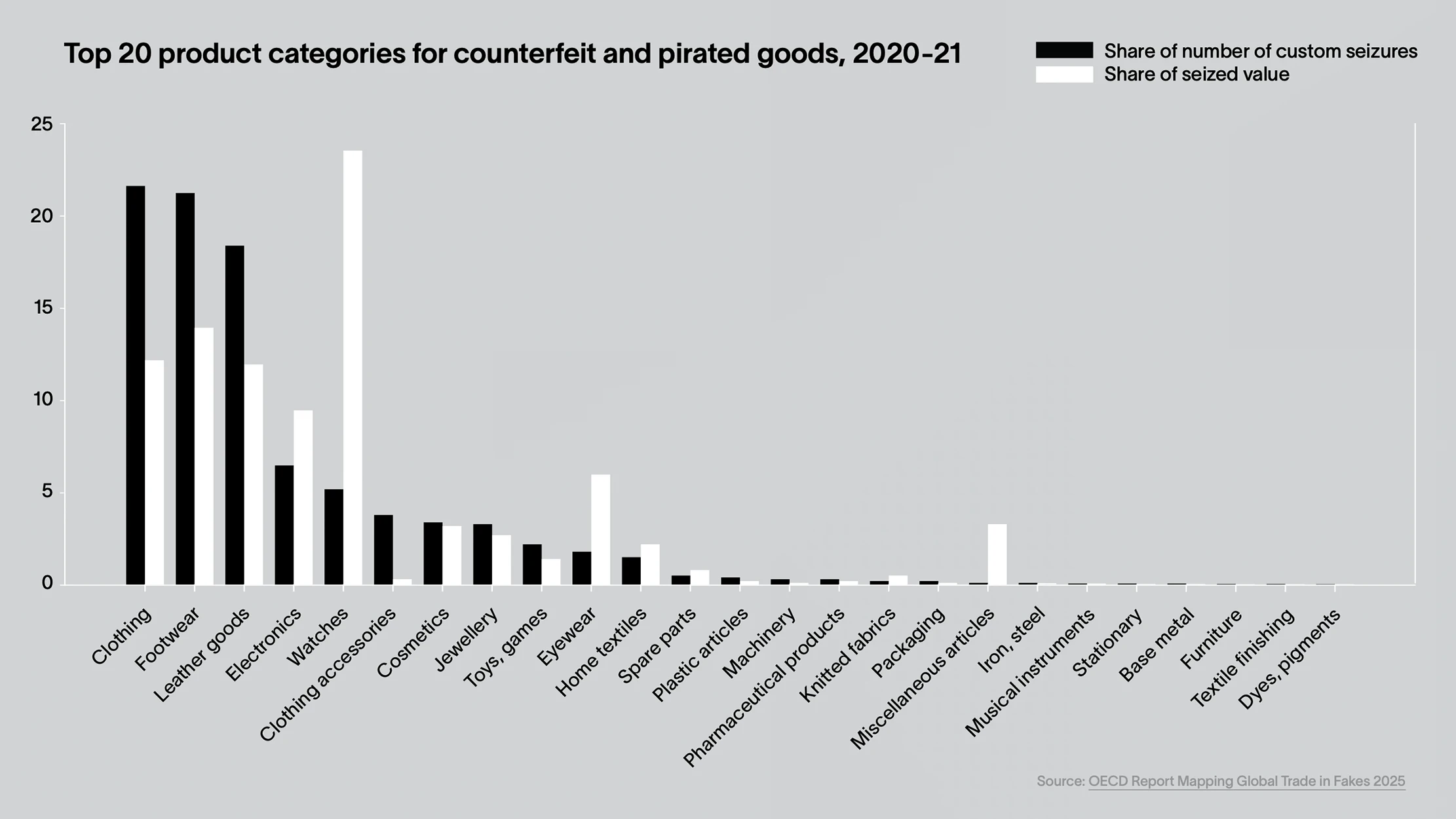
Credit © OECD global customs seizure
The extent to which the Swiss watch industry is affected by the growing prevalence of increasingly sophisticated counterfeits is illustrated by an OECD study published in 2025. According to the study, between 2020 and 2021, 52% of global customs seizures of counterfeit watches involved Swiss rights holders. In 2021 alone, the estimated value of these counterfeit watches reached USD 1.88 billion, accounting for more than 40% of the total value of all counterfeit goods infringing Swiss intellectual property rights. By comparison, the estimated USD 1.88 billion corresponded to 7.7% of the total value of legitimate Swiss watch exports in the same year.
Credit © Haelixa
The seizures analysed in the study also illustrate the diversity of the market for counterfeit Swiss watches: numerous brands and models are copied, with the quality varying considerably. According to experts from the Federation of the Swiss Watch Industry (FH), the spectrum ranges, depending on the target market, from low-quality imitations to almost identical replicas.
At the top end of the counterfeit watch market in terms of quality are so-called ‘superclone watches’, priced at around USD 1,299–2,650. Produced with an exceptionally high degree of attention to detail, these replicas aim to match the original as closely as possible, reproducing, among other features, the exact case dimensions, sapphire crystals and ceramic bezels of the respective references. Even the movements may be exact copies of established calibres such as the Valjoux 7750, Sellita SW200 or ETA 2824, or highly detailed counterfeits of proprietary manufacture calibres.
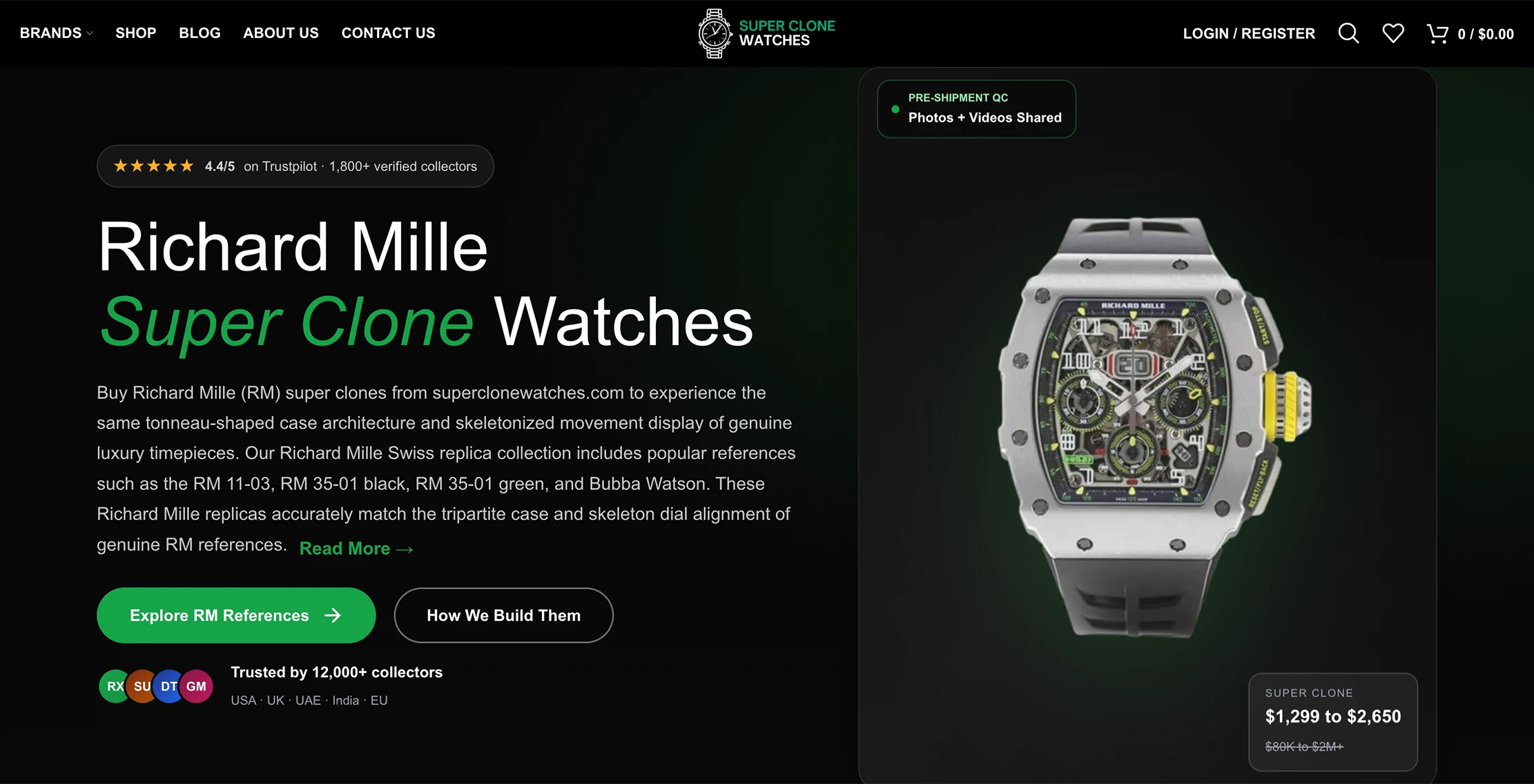
Credit © Superclonewatches
‘Superclone watches’ from so-called ‘Tier-1 factories’ go one step further, placing particular emphasis on reproducing the original case finishing, dial design and movement functionality as faithfully as possible. Multi-stage quality-control procedures are said to include visual inspections, checks on the alignment of individual components, movement function tests and water-resistance testing. The result is a level of detail so high – one manufacturer of superclone watches, based in Shenzhen, China, claims an accuracy of 95–99% – that some counterfeits can only be identified conclusively by trained experts or by the brands themselves.
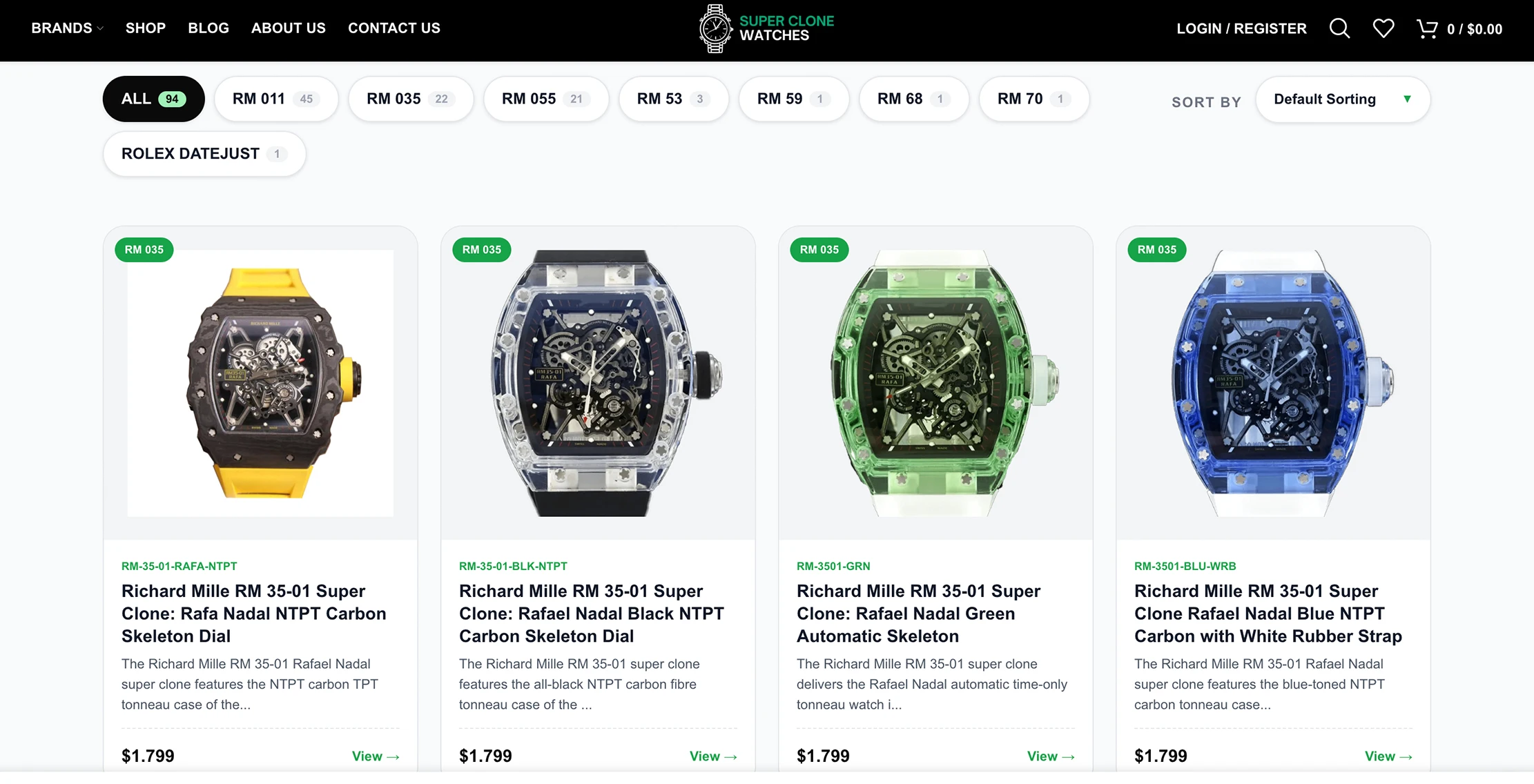
Credit © Superclonewatches
Among the numerous economic and social consequences of counterfeit watches, one poses a particularly serious threat to an industry that has relied on trust, quality and brand value for centuries: reputational risk.
An increasingly problematic trend is emerging on the buyer side. Unknowingly purchasing a counterfeit watch can undermine trust in the brand concerned, particularly as consumers often expect manufacturers to be able to guarantee a product’s authenticity regardless of where it was purchased. The problem is compounded by the fact that counterfeits are increasingly finding their way into legitimate market channels – for example through returns, repairs, resales or after-sales services.
This is precisely the problem that Haelixa aims to address. Founded in 2016 as a spin-off from ETH Zurich, the Swiss technology company specialises in the physical traceability of products. With its patented DNA-based technology, ProofDNA, Haelixa aims to make the origin and authenticity of watches verifiable throughout the entire production and supply chain, as well as across their full lifecycle.
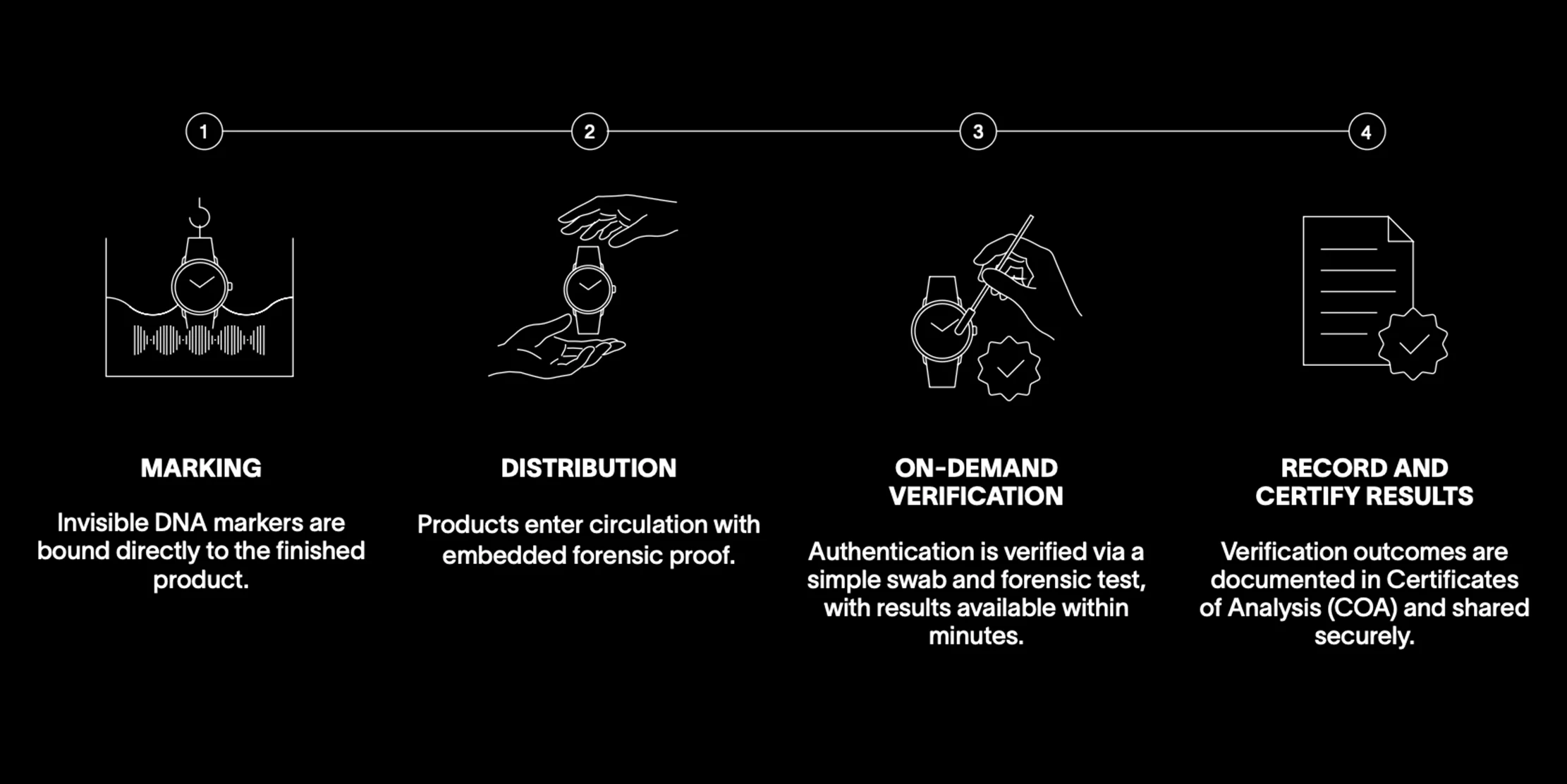
Credit © Haelixa
With ProofDNA, Haelixa seeks to address a limitation of other systems such as certificates, serial numbers, QR codes, holograms or blockchain: providing straightforward forensic proof of authenticity that is directly linked to the material of the watch itself. Certificates can be forged, serial numbers copied, and even blockchain- or NFC-based solutions may simply be linked to a digital record without necessarily proving the authenticity of the physical watch itself. ProofDNA, by contrast, is designed to close precisely this gap by using a specialised process to bind the marker directly and inseparably to the watch – a system we will examine in greater detail below.
To provide luxury brands with physical protection at material level against counterfeiting, fraudulent returns and high-quality replicas, Haelixa developed ProofDNA as a system that is as simple as it is unusual. As standard, a brand-specific DNA marker is applied to four particularly critical components of a watch that remain susceptible to counterfeiting, replacement or manipulation throughout its lifecycle: the case, bezel, bracelet or strap, and clasp.
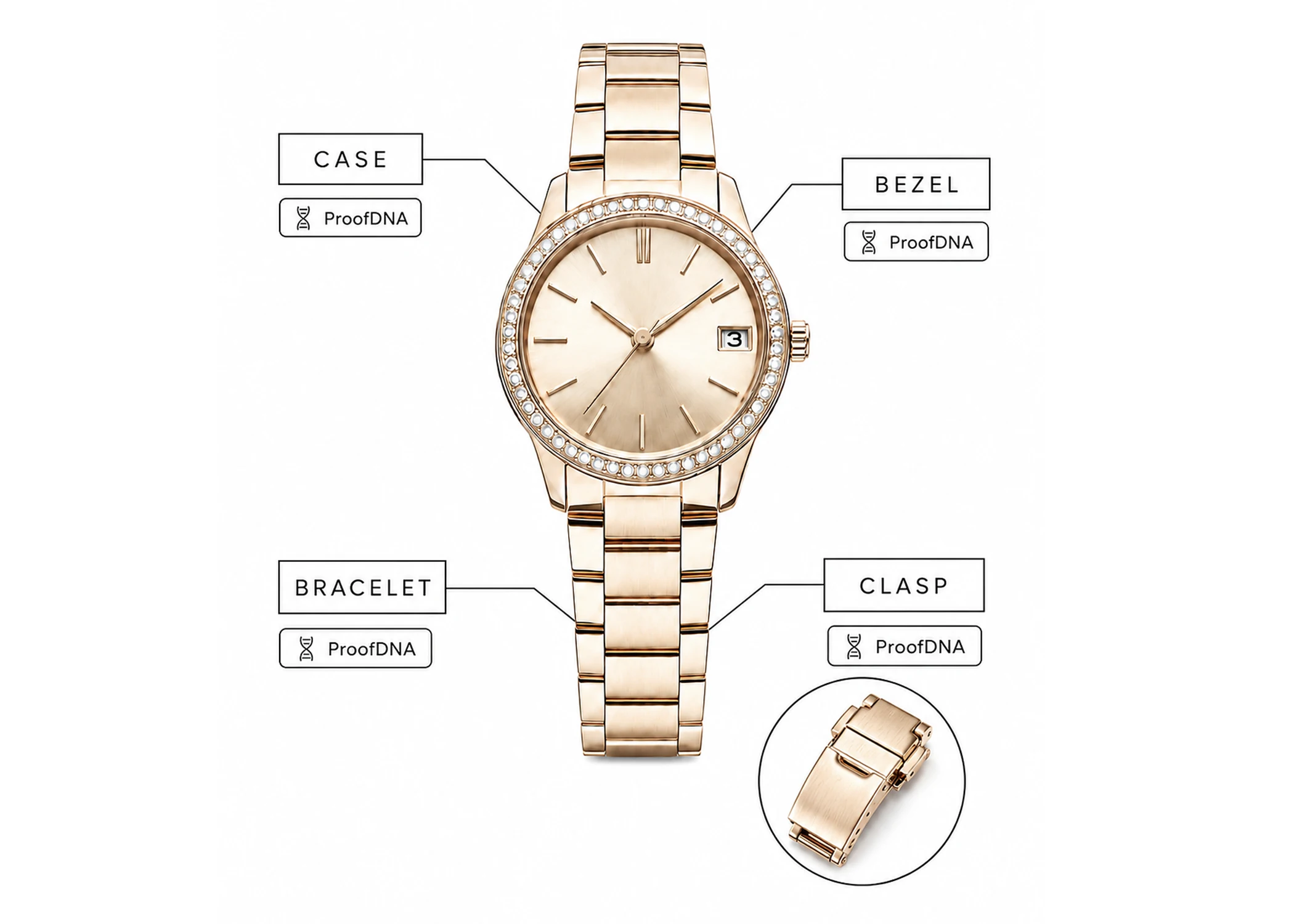
Haelixa also states that individual components of the dial or movement, for example, can be marked with the DNA. To apply the DNA marker to the respective watch components, they are immersed in a bath containing the DNA, which coats the parts with a film-like layer. The invisible marker spreads across the surface and bonds directly with the material, leaving no visible residue and requiring no additional cleaning or polishing.
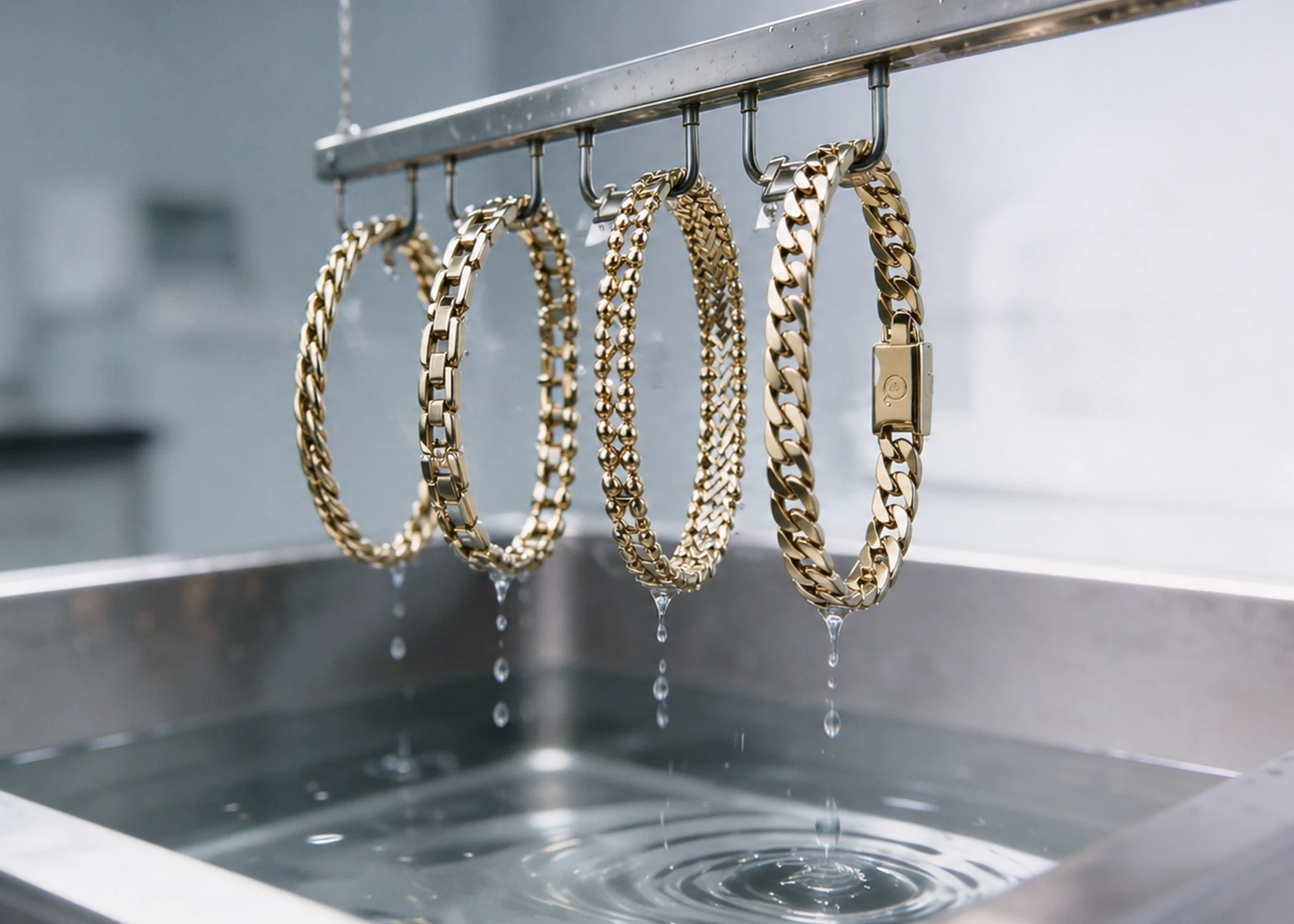
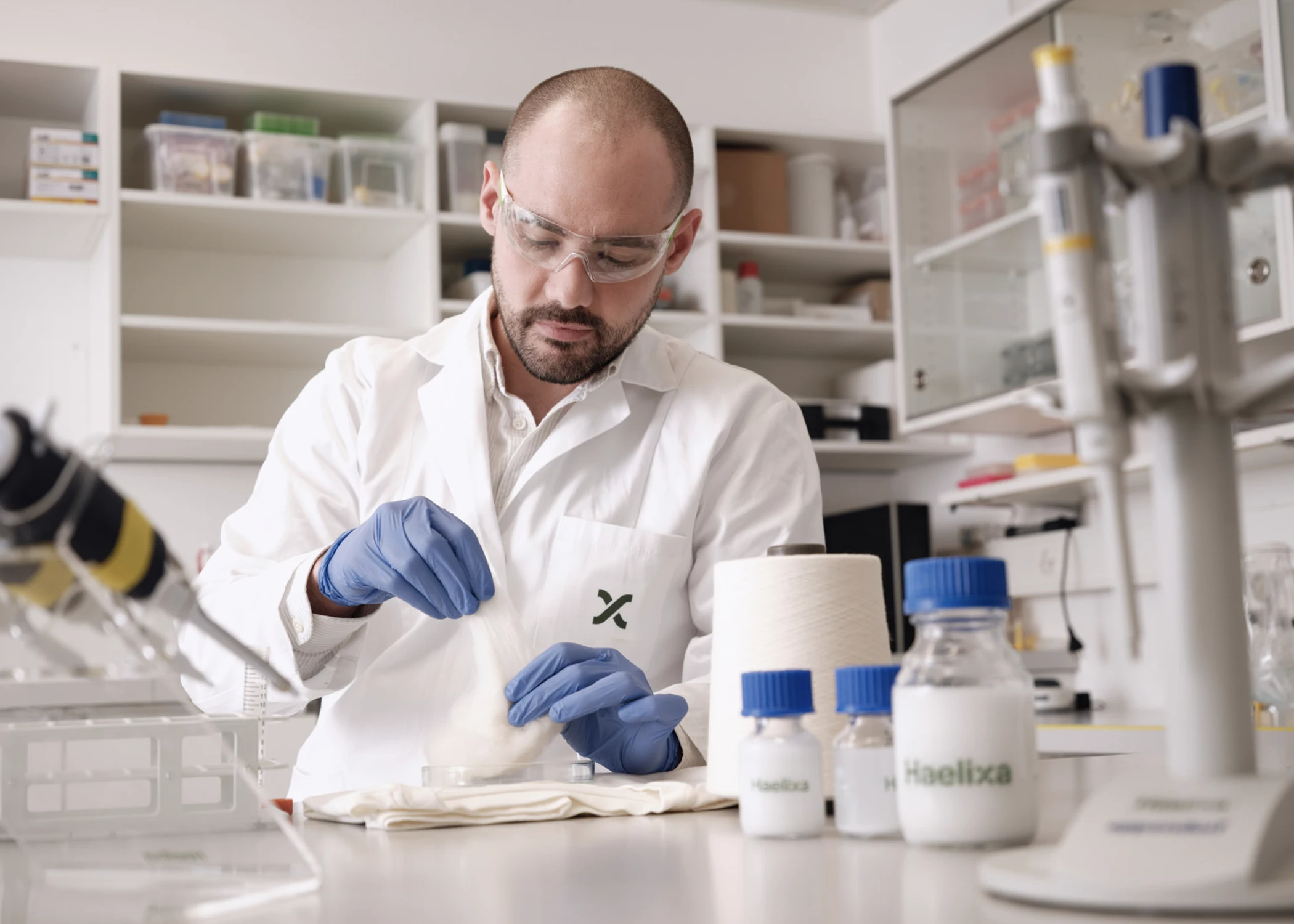
The DNA used for this purpose is based on DNA structures derived from Swiss alpine herbs and, according to the company, is virtually impossible to reproduce and resistant to removal, copying or substitution. As long as the component carrying the DNA marker remains fitted to the watch, the DNA therefore stays connected to the product through sale, resale and returns. The aim is to ensure that its authenticity can still be established unequivocally by forensic means even 100 years from now.
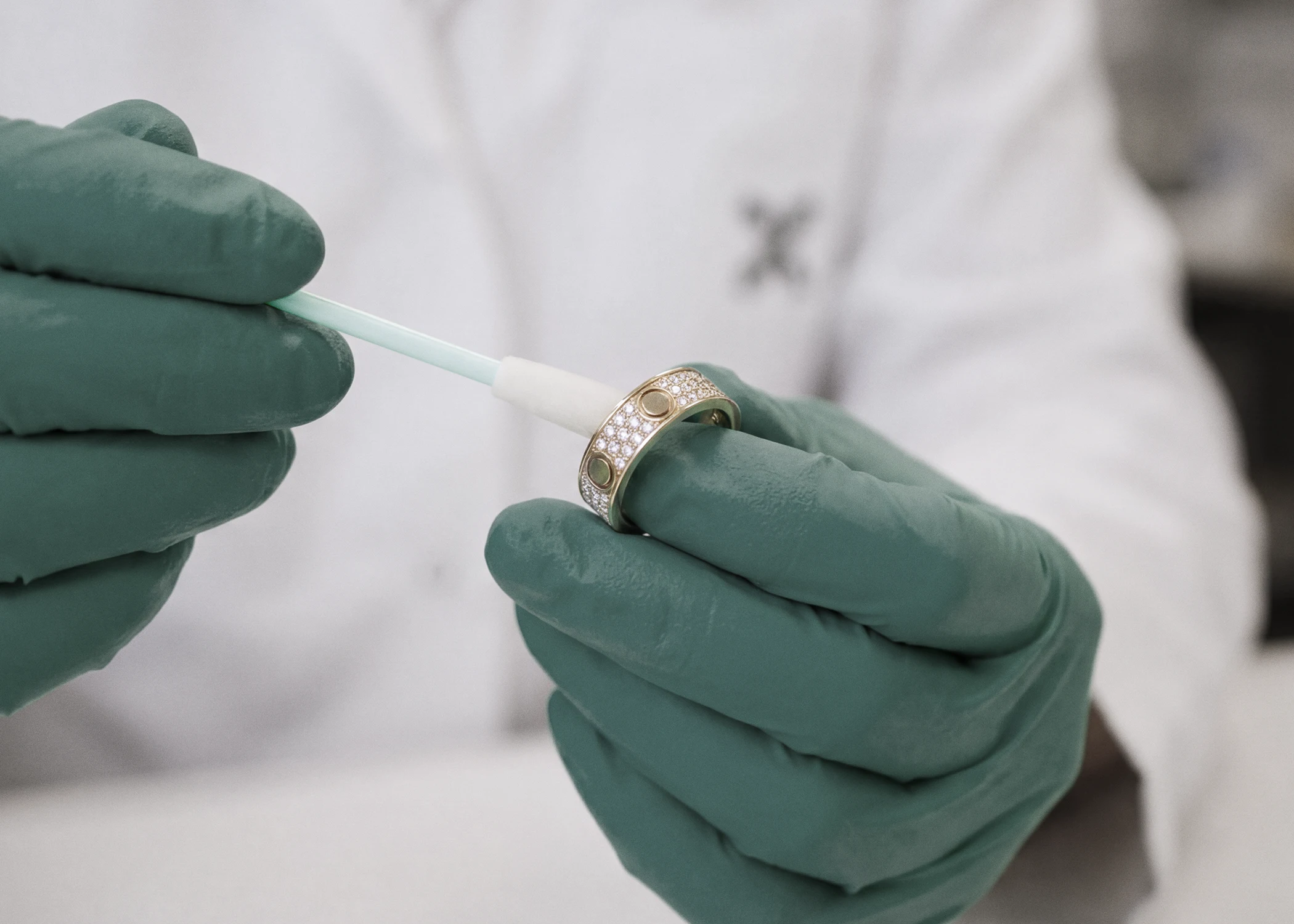
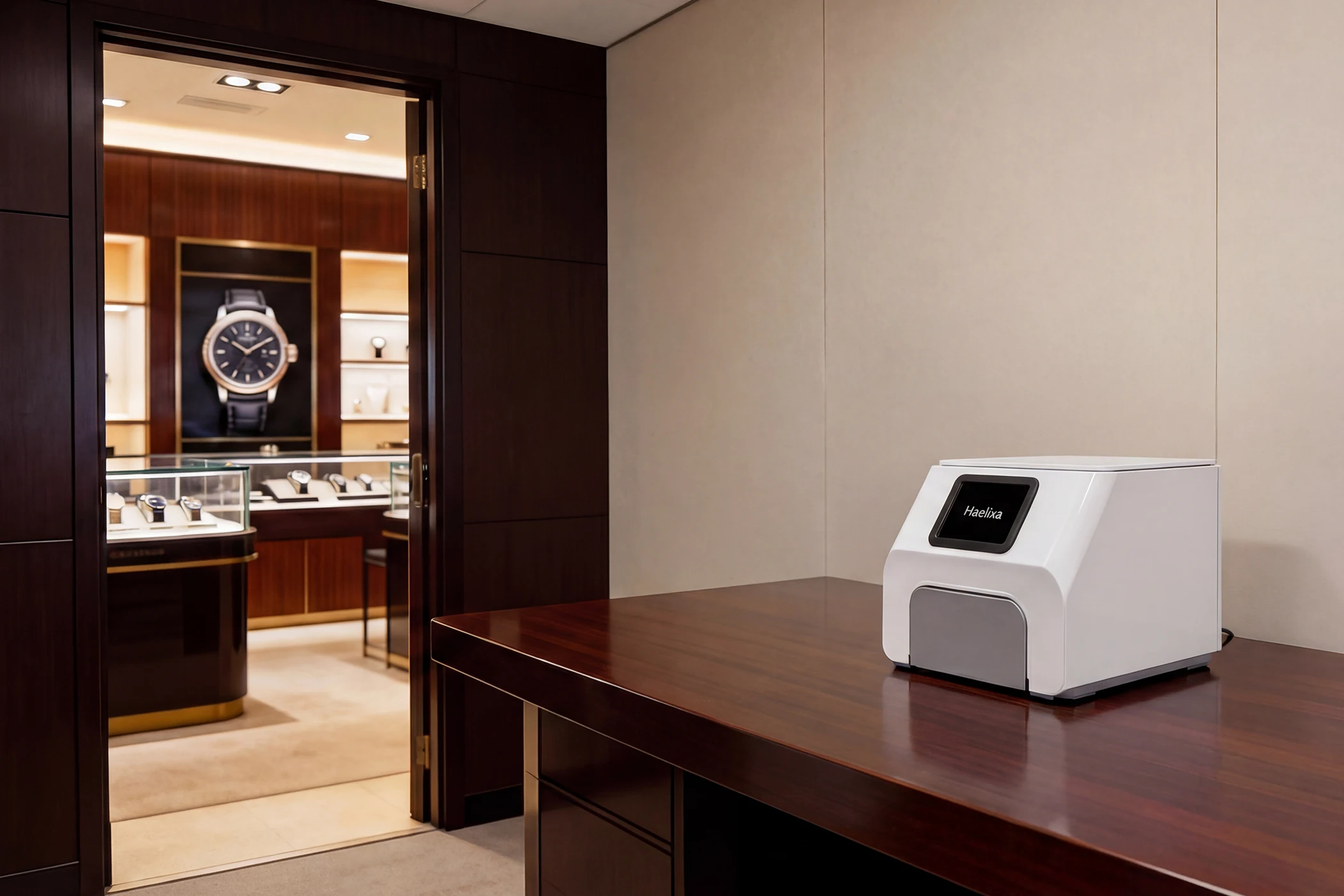
The DNA marker can be read directly on site using a specially developed Haelixa ProofDNA Reader, whether in the respective brand’s boutique or service centre. In simplified terms, the testing process can be compared to a Covid test: first, a sample is taken from the relevant component using a swab, before being analysed by qPCR and evaluated by the ProofDNA Reader.
Within around 35 minutes, the system is designed to provide a clear result indicating whether the registered DNA marker can be detected on the watch component. In this way, brands can verify the authenticity of their watches and individual components directly in their own boutiques or service centres.
If a brand decides to equip authorised retail partners such as Bucherer or Wempe with ProofDNA Readers as well, another distinctive feature of the system becomes apparent: ownership of the respective DNA code always remains with the brand itself. The brand therefore also determines who is authorised to read its brand-specific DNA and under what conditions an authentication may be carried out.
To achieve this, Haelixa designed its ProofDNA Readers around a so-called ‘key-lock system’: a Reader can only identify those DNA codes for which the corresponding information has been stored on the device. If this assignment is missing, the Reader cannot even determine whether a watch has been marked with ProofDNA at all.
If a brand decides to authorise its retail partners to perform authentications as well, Haelixa equips them with appropriately configured Readers. This allows the system to be deployed worldwide without, according to the company, requiring extensive specialist training.
Another key advantage of the Haelixa ProofDNA lies in the high degree of autonomy it gives brands in how the technology is applied. Once Haelixa has produced and supplied the respective DNA marker, the manufactures can independently mark their watches themselves and later authenticate them as well. Haelixa supports them in integrating the marking process into their existing production workflows.
How the Haelixa ProofDNA technology is subsequently used is entirely up to the brand. ProofDNA can be deployed exclusively for internal purposes, for example to rule out counterfeits in product returns, or the option of straightforward authentication can also be extended to customers and authorised partners.
Haelixa can individualise the DNA marker not only for individual brands, but also for specific collections or even individual watches. According to Haelixa, however, the crucial factor is to apply the technology as consistently and permanently as possible, so that a watch’s authenticity can still be established forensically decades later. In addition, each physical DNA marker can be linked to digital solutions such as a Digital Product Passport or NFC systems. This allows Haelixa to combine physical proof of authenticity directly with a watch’s digital identity.
Brands also retain control over how Haelixa ProofDNA is used in relation to their customers. They decide for themselves whether any additional costs are incorporated into the retail price and whether the use of the technology is communicated externally at all. Whether the material-level proof of authenticity therefore operates purely in the background or is deliberately used as an additional element of trust is ultimately up to the individual brand.
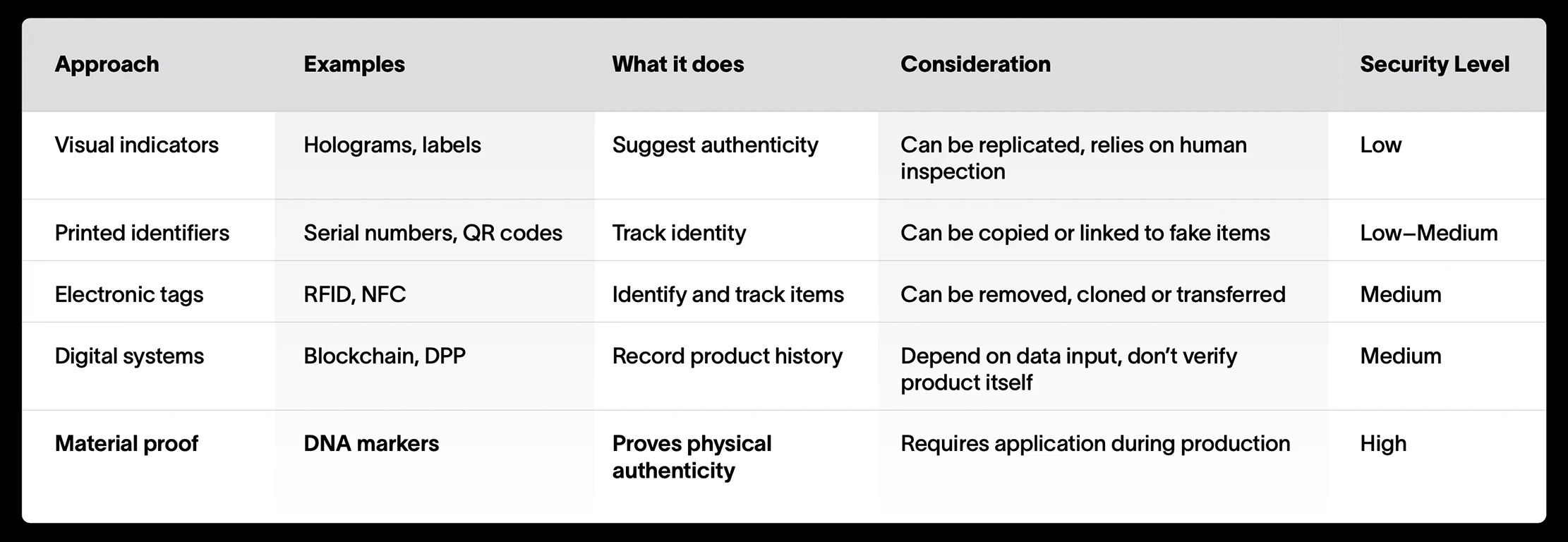
Compared with conventional authentication solutions, material-level verification using DNA markers is applied directly to the physical product itself. While holograms and labels merely indicate authenticity and can be comparatively easy to replicate, serial numbers and QR codes can likewise be copied and linked to counterfeit products. Electronic identifiers such as RFID or NFC can identify and track items, but may be removed, cloned or transferred to other products.
Digital systems such as blockchain or Digital Product Passports, meanwhile, can record a product’s history but do not necessarily verify the physical object itself. DNA markers are designed to close this gap: because they are applied directly to, or incorporated into, the material during production, they enable forensic verification of the product’s physical authenticity and, according to Haelixa, provide a higher level of security than the alternatives outlined above.
Credit © Haelixa