
Piaget’s new Polo Minute Repeater combines ultra-thin technology & a powerful chime. A feature on the €417,000 watch, with all details.

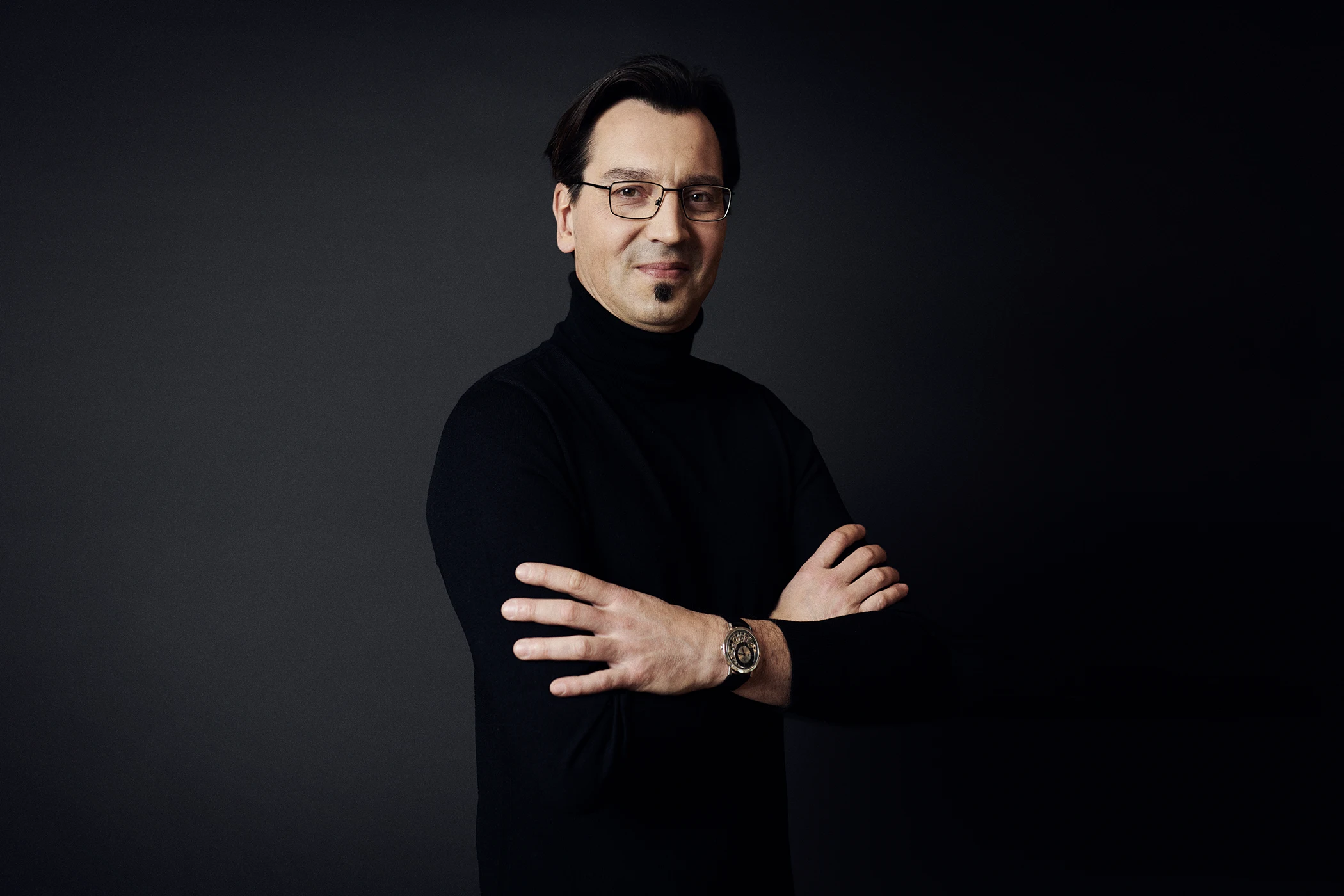
Rémi Jomard is one of the technical minds behind Piaget Manufacture’s ultra-thin and particularly sophisticated timepieces. He spoke to Swisswatches Magazine about the latest example, the Piaget Polo Minute Repeater.
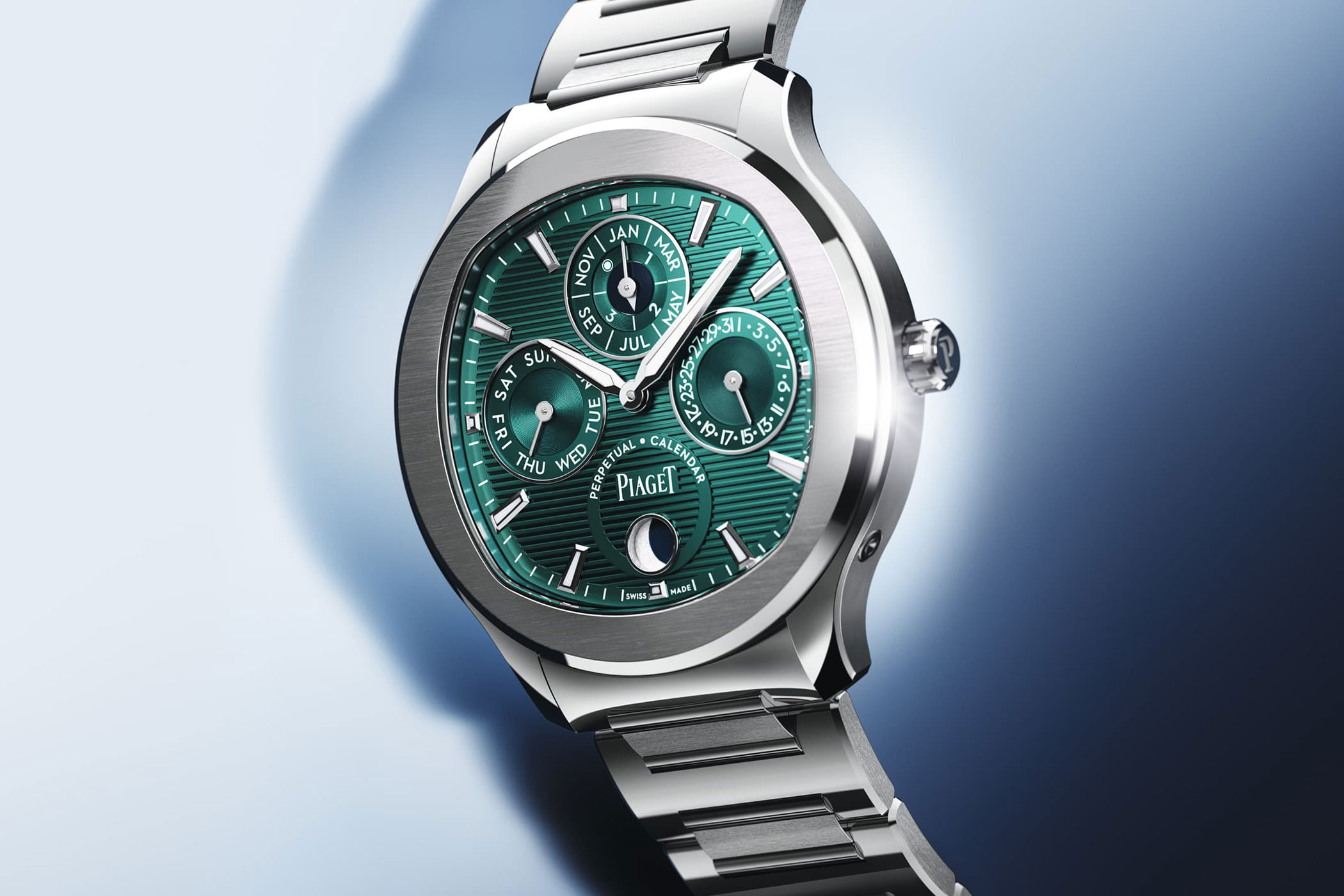
Rémi Jomard: It actually came about quite naturally. Four years ago, we launched the Polo with a perpetual calendar. That was one of the first steps towards the major complications we could envisage for this collection. Then, two years ago, the Polo Flying Tourbillon followed. These were already very classical complications within a sports collection. The gradual blurring of this boundary between classicism and sportiness now continues with the new Piaget Polo Minute Repeater as the logical next step.
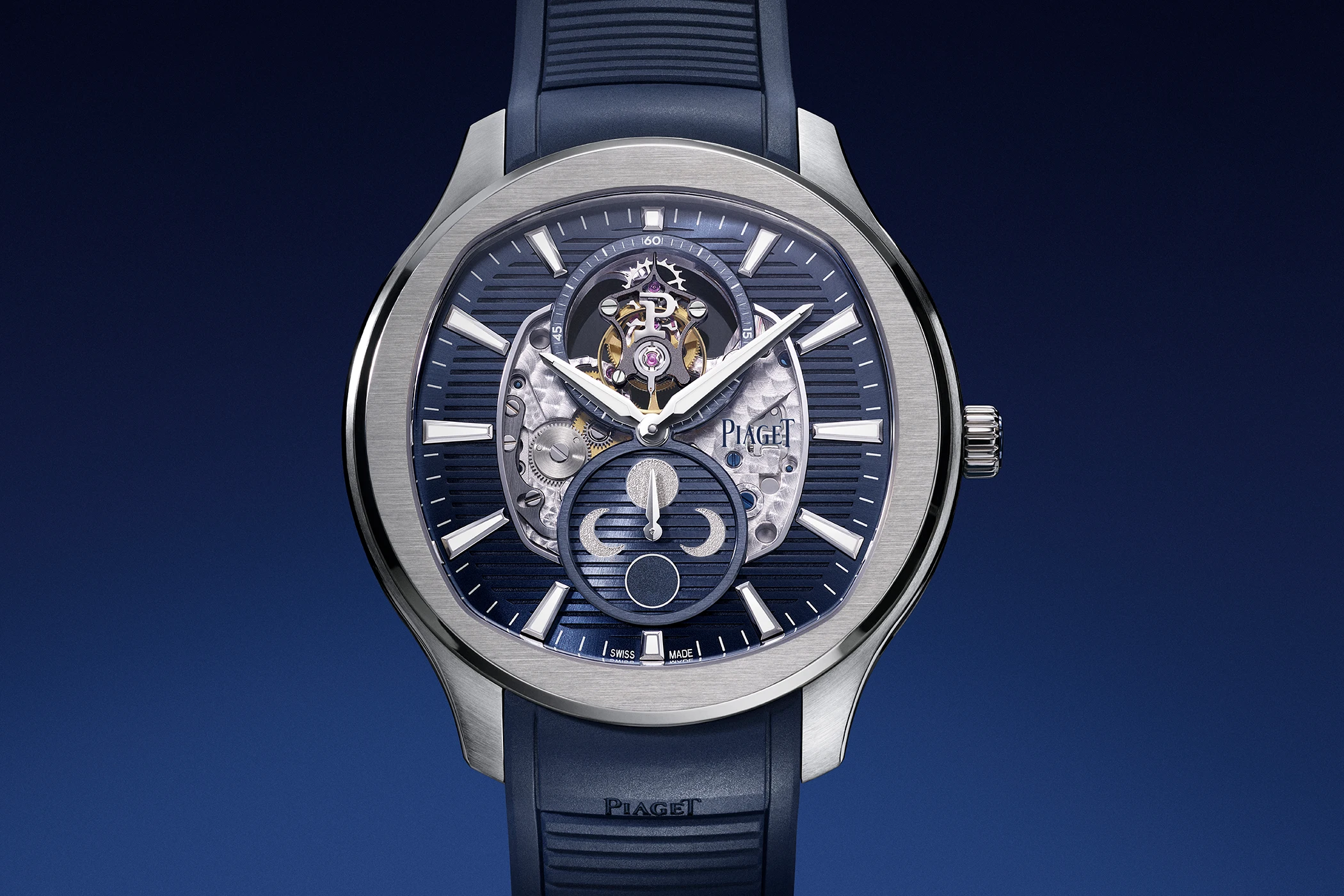
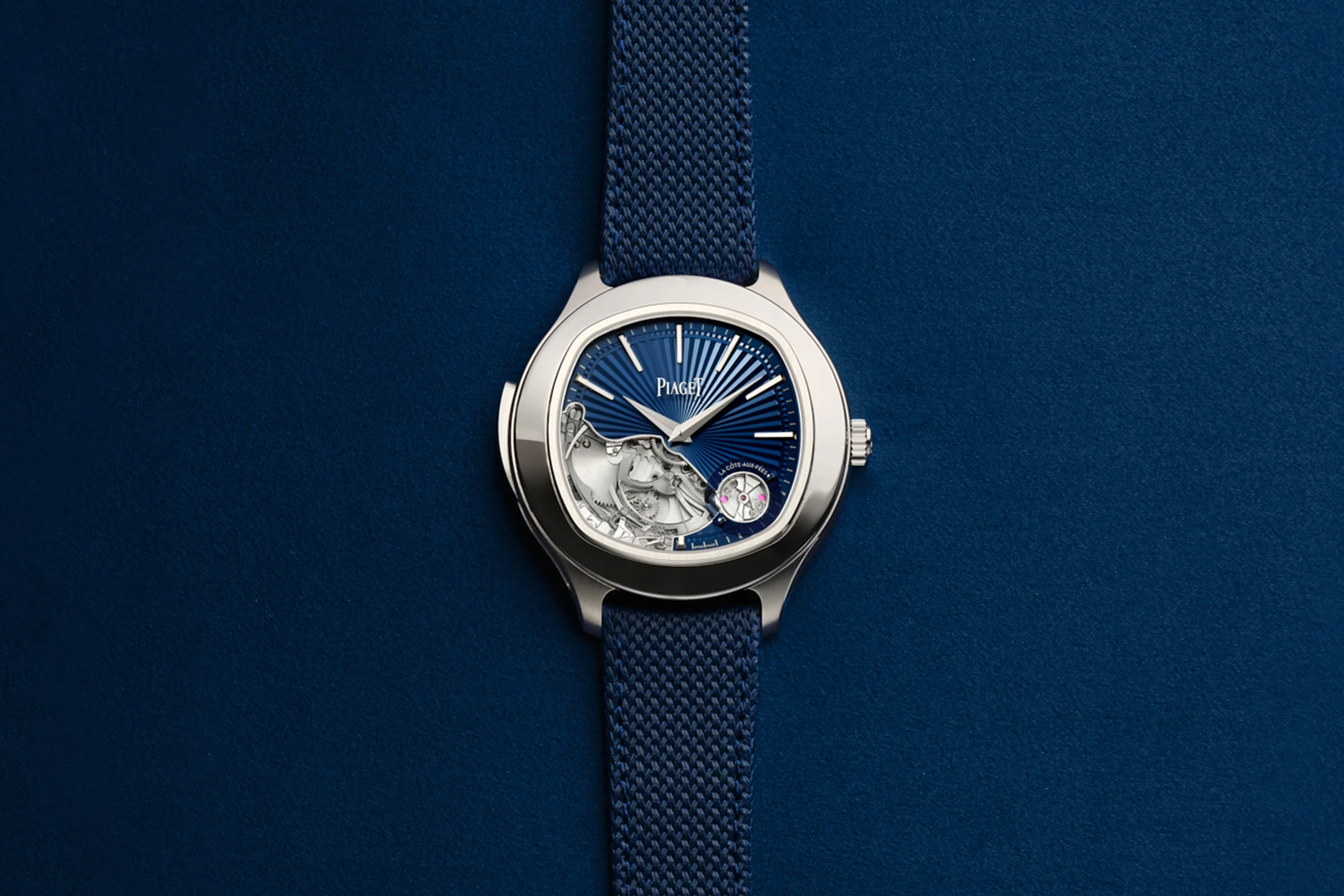
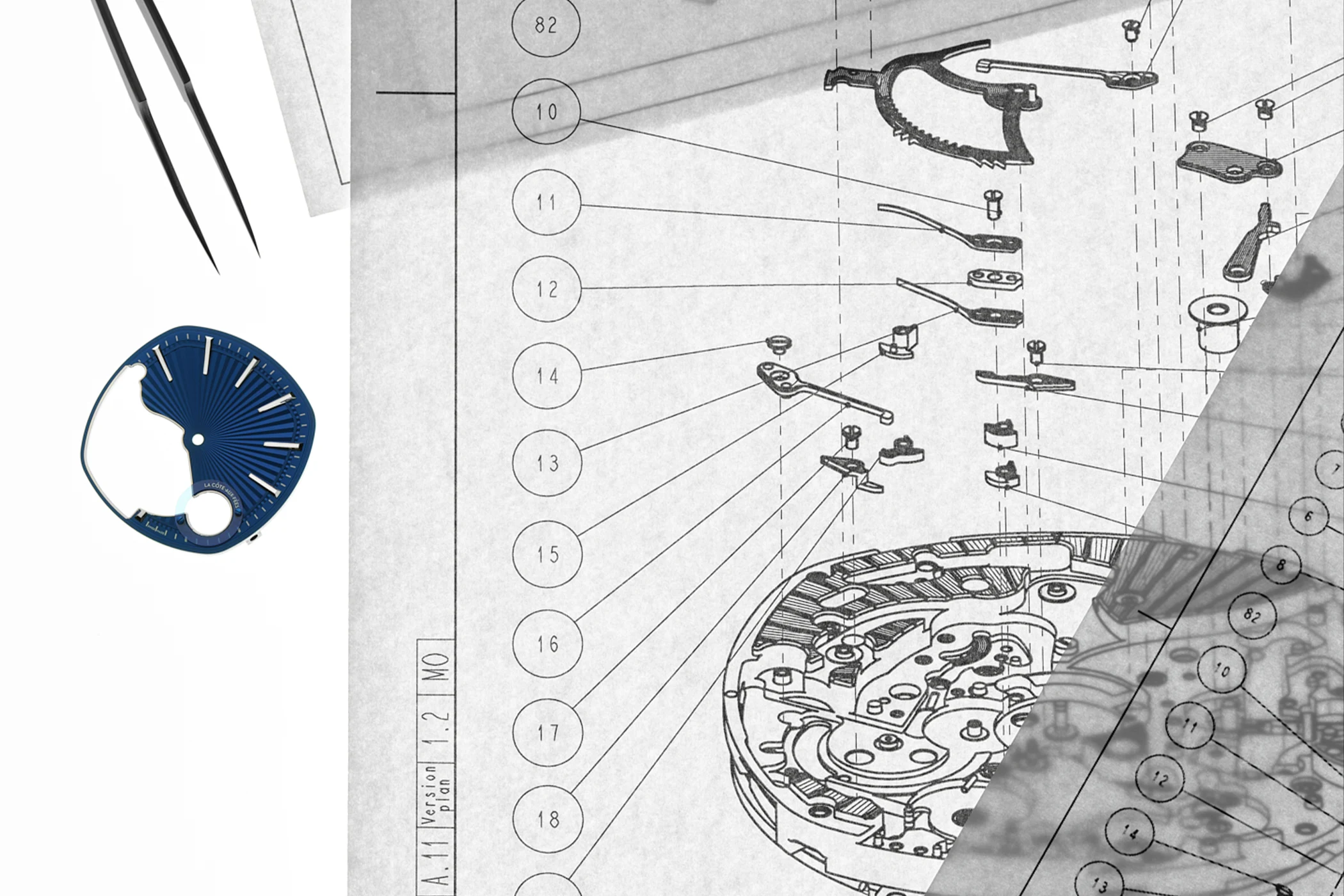
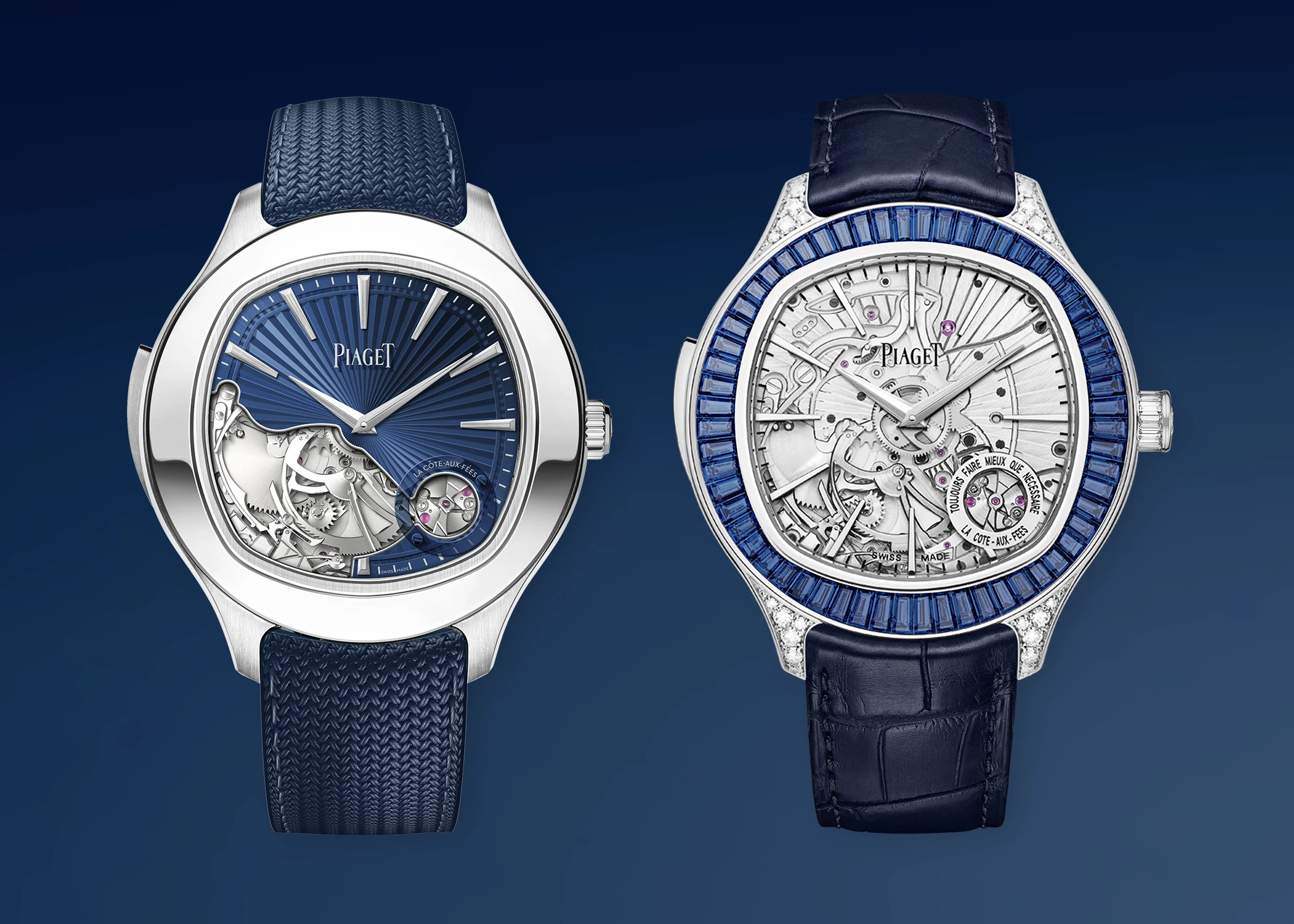
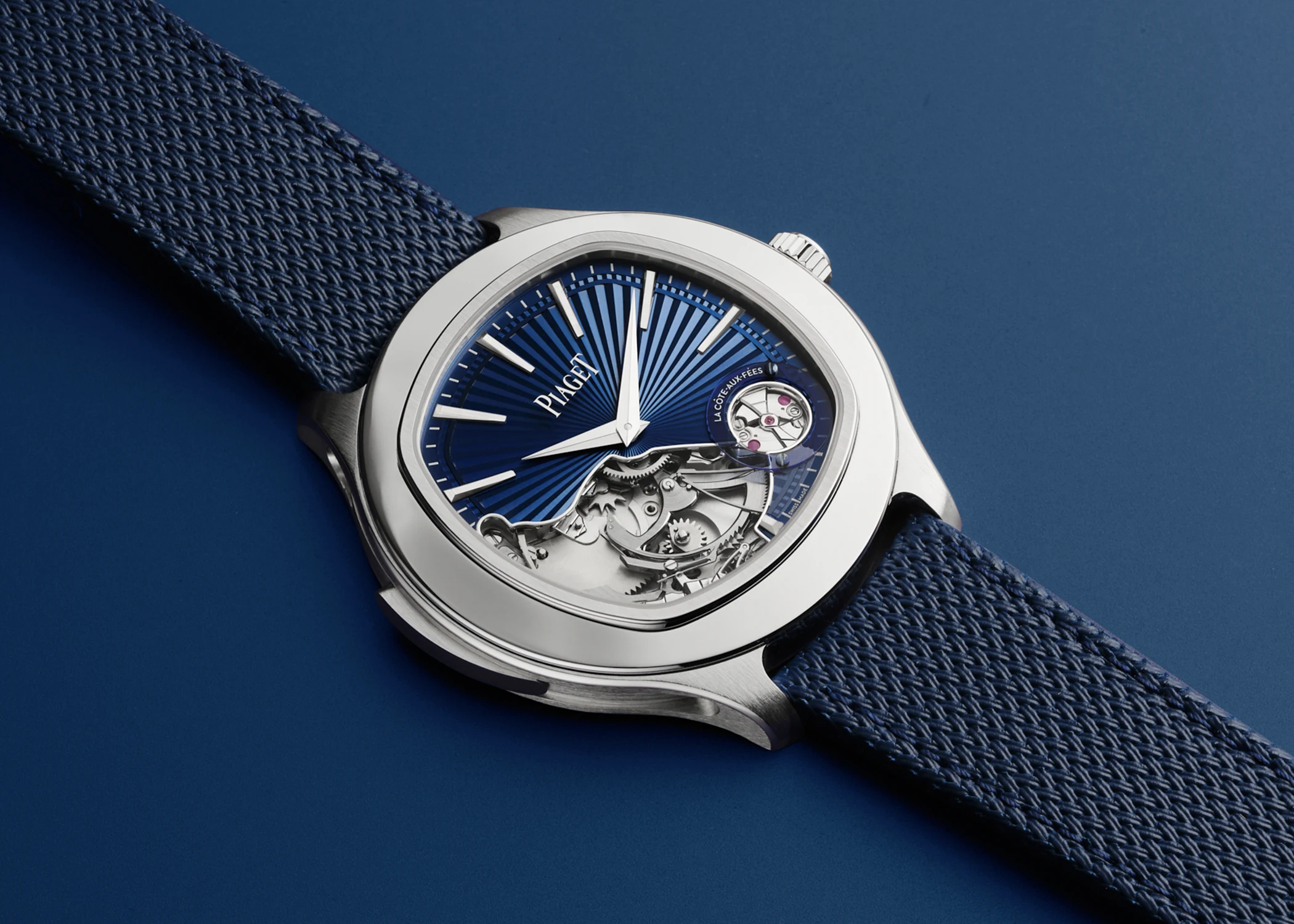
Rémi Jomard: Yes, absolutely. From a design perspective, we clearly wanted to achieve a sense of modernity. That is why the design team worked very intensively on the dial.
At the same time, however, it also reflects who we are – a Manufacture with a long tradition and a strong DNA. We have a classical minute repeater with traditional finishing – hand-executed guilloché – yet the dial still has a modern twist.
The openworked dial also creates a sense of depth and offers a view of the beauty and complexity of the movement. At the same time, opening up the dial could not be allowed to have any negative effect on the sound. So we are pushing the technical boundaries in order to achieve our aesthetic objectives.
Because for us, it is not about showcasing technology for its own sake. Rather, we use technology very deliberately to achieve what the creation is intended to express and what forms part of the Maison’s DNA and message. To accomplish this, the technical and design departments work very closely together – even if it takes three, four or seven years to achieve the best possible result.
You can also see this combination of classical watchmaking and modernity in the two straps. One is made from blue alligator leather – very classical. The other, by contrast, is made from blue calfskin and has a distinctly more modern feel. So we are always trying to combine modernity with classical watchmaking.
The art lies in achieving the right balance between tradition, classicism, modernity and everyday wearability. I hope we have succeeded in doing that with the Piaget Polo Minute Repeater as well.
Rémi Jomard: To answer that, you have to look back a little. In the 18th and 19th centuries, minute repeaters were primarily worn as precious pocket watches. They were much larger than today’s wristwatches and therefore had a larger resonating body, which made greater volume possible. There were also presumably far fewer ambient noises in the 18th and 19th centuries.
Today, minute repeaters are worn as compact wristwatches in everyday life and therefore amid a wide range of ambient noise. That means they need to sound loud.
At the same time, however, they are also expected to be water-resistant, which in a sense seals them off from the outside world. This is a genuine challenge for a minute repeater, because the sound is generated inside the watch but needs to be heard clearly and distinctly outside it. The new Piaget Polo Minute Repeater is water-resistant to 3 bar. We are very proud of that.
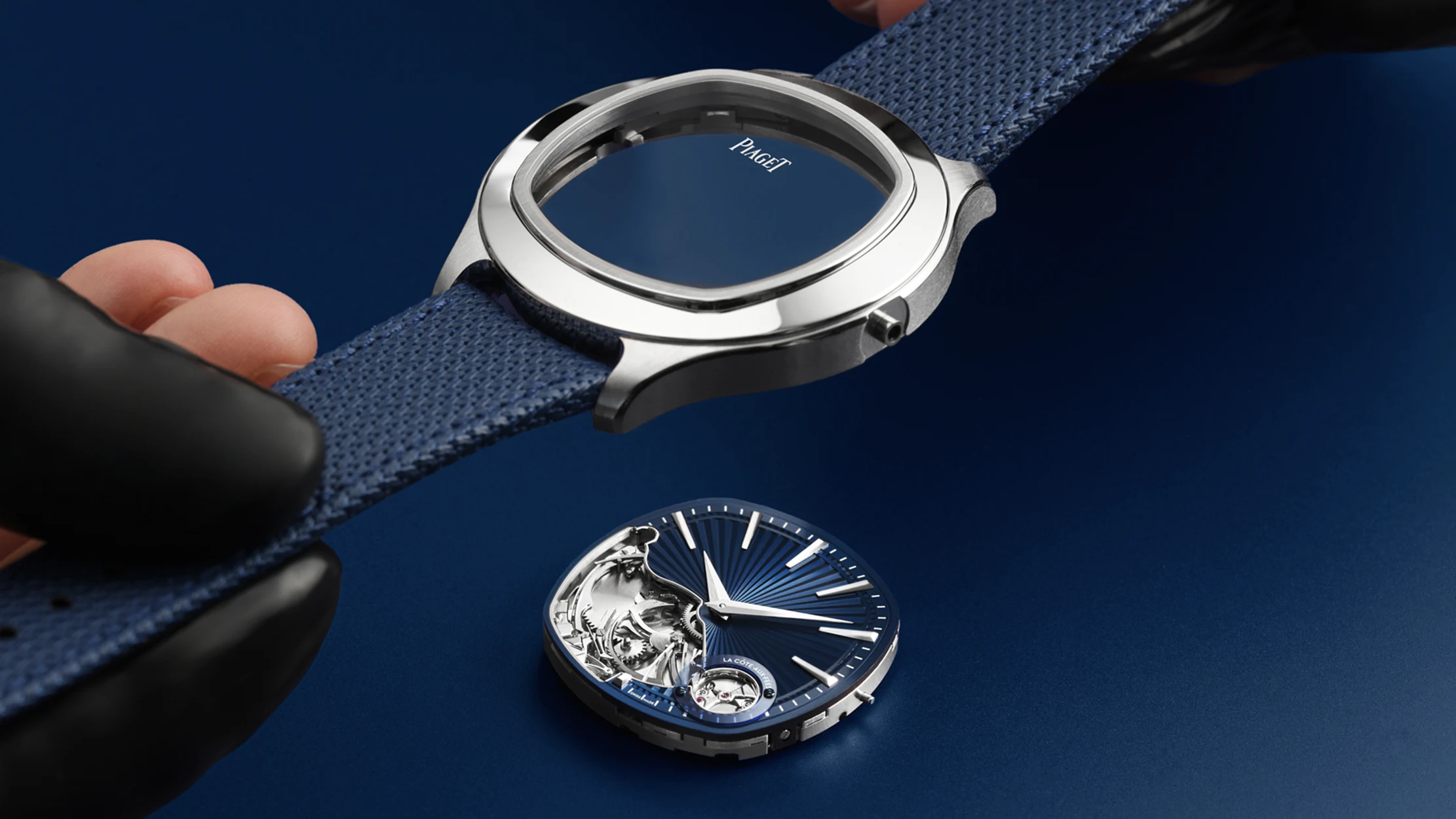
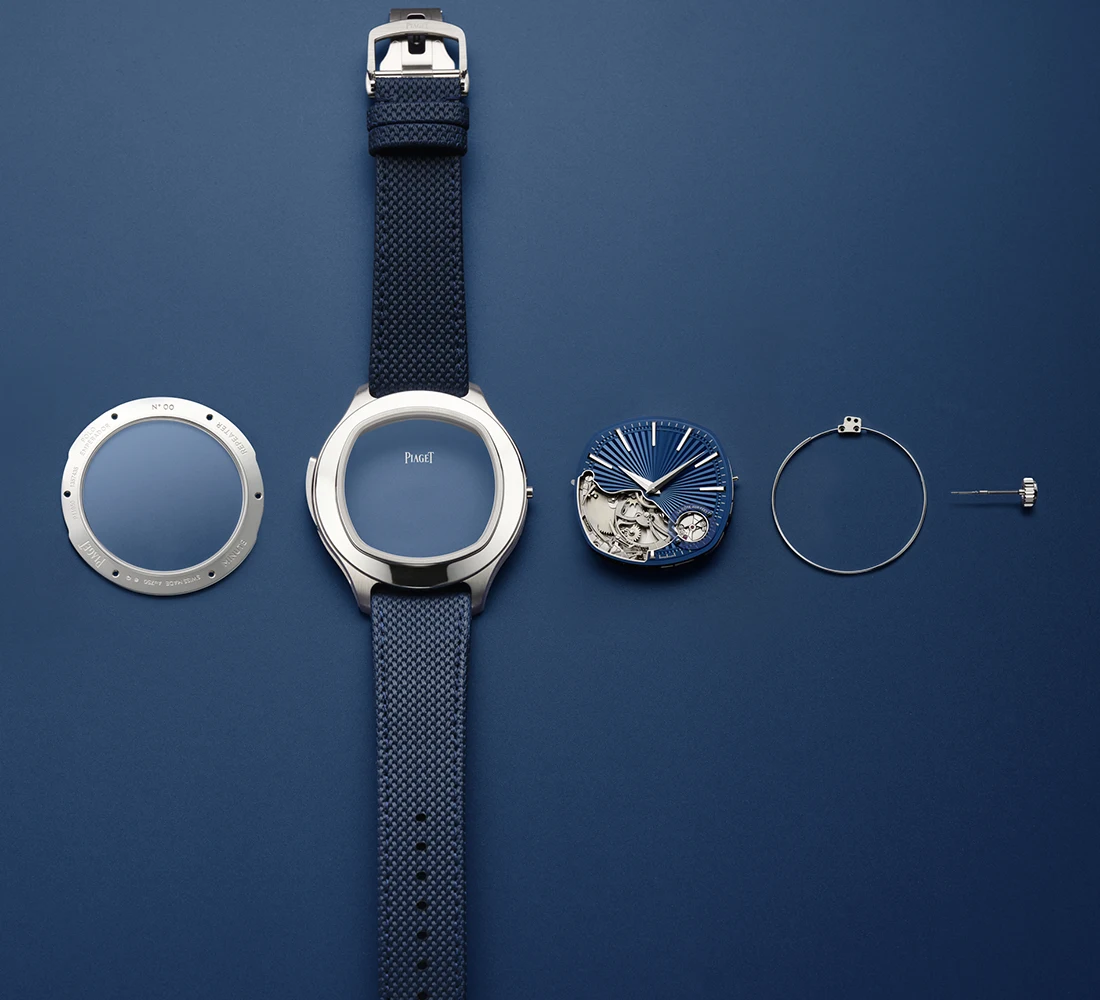
Rémi Jomard: We used a specially developed case that pushes the available space to its limits, particularly in terms of resonance. We worked very intensively on this and asked ourselves: how can we create enough space inside the case for it to vibrate sufficiently and amplify the sound?
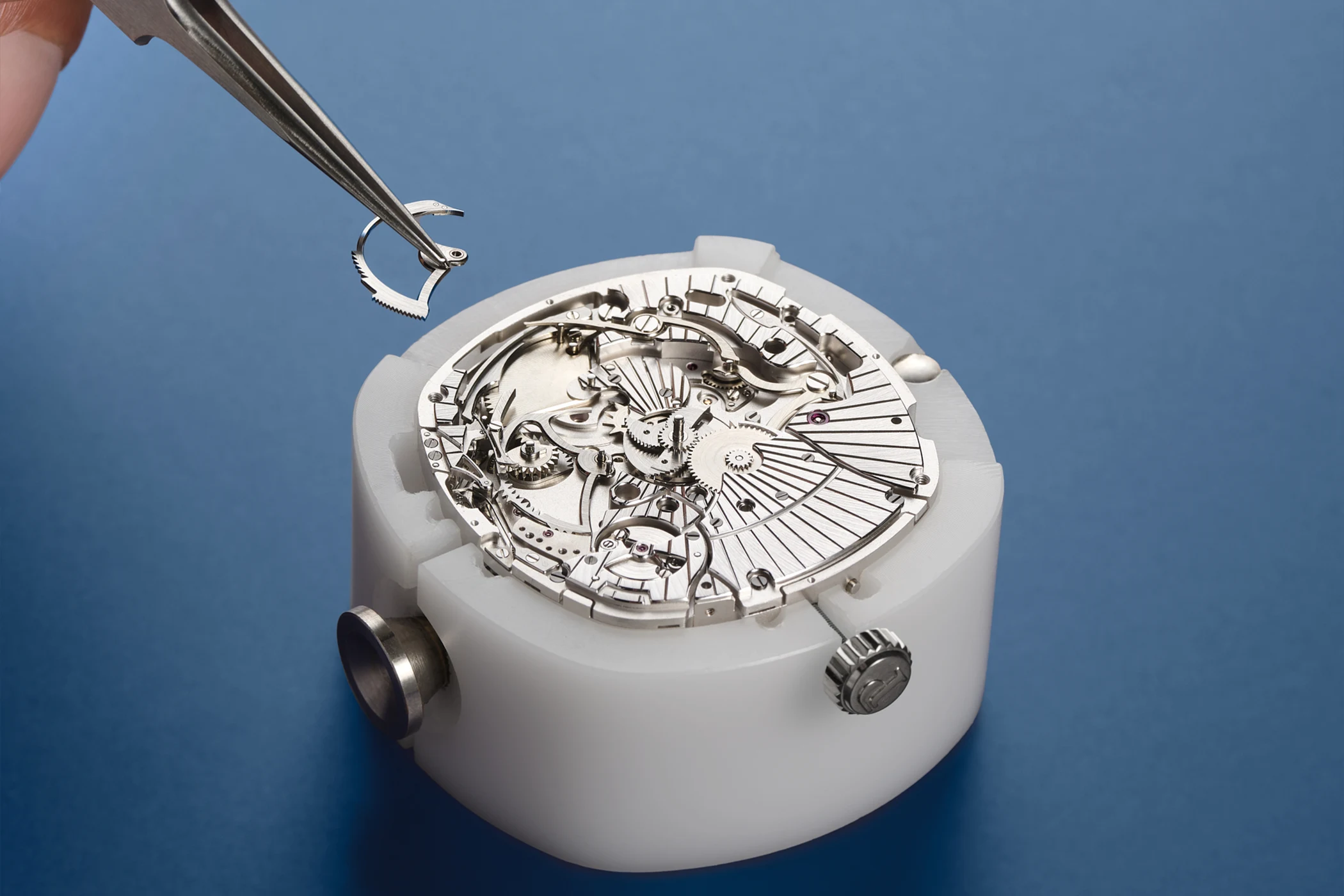
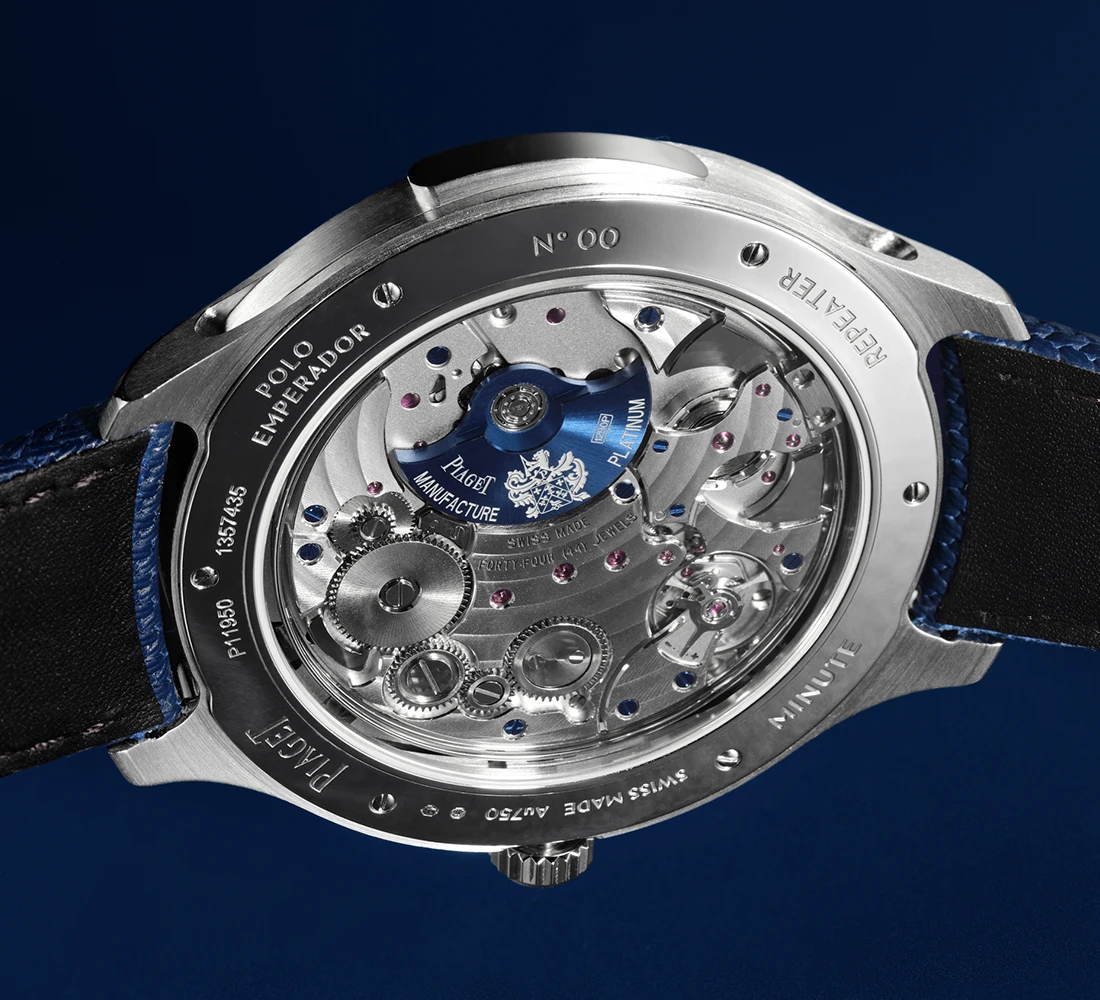
Achieving this required us to develop the movement in parallel and tune it accordingly. The two have to work together perfectly in order to produce the ideal sound. The 1290P is a very special calibre that is not simply conventionally round. It is a shaped movement specifically designed to fit the case, rather than a calibre that can simply be housed in different cases.
There are also special openings inside to achieve the greatest possible resonance. At the same time, we wanted to achieve a high level of aesthetic refinement while keeping the movement as thin as possible. Thinness, aesthetics and technical excellence are all part of our DNA, and they come together in the 1290P.
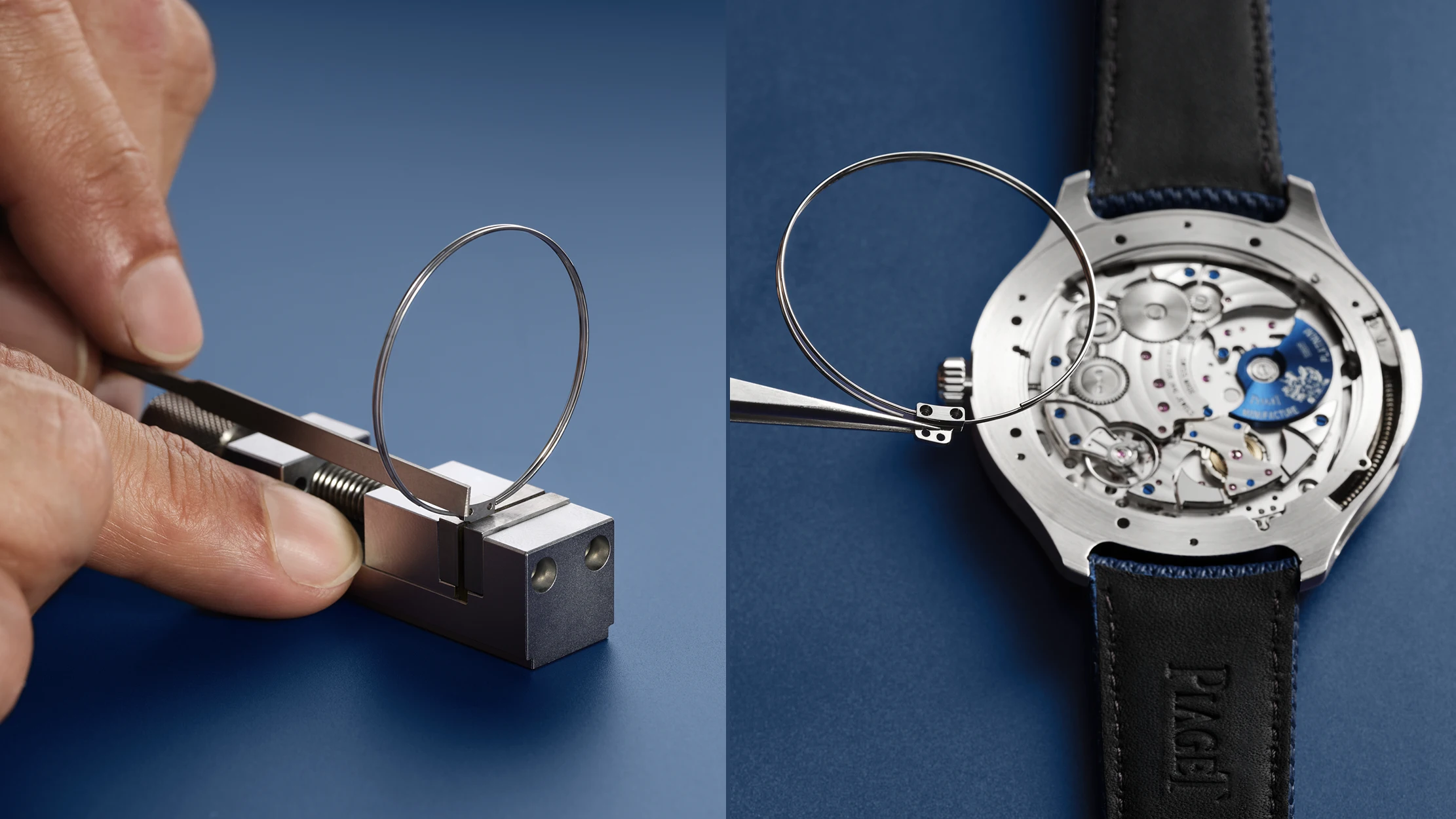
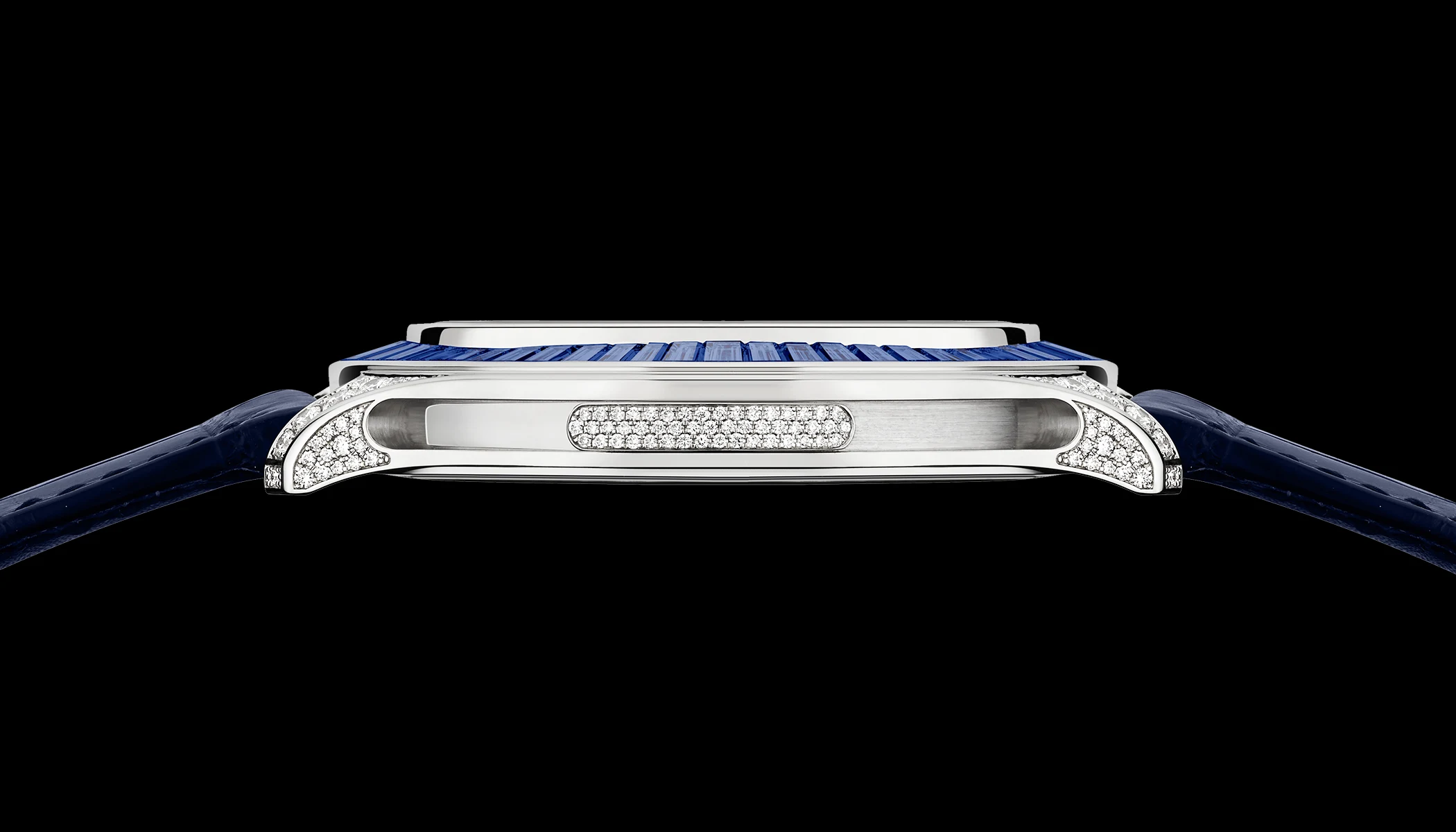
Rémi Jomard: The development of the movement took three years. Since then, for example, we have applied a coating to the rotor. There have also been technical changes that are not necessarily visible, such as in the lubrication or the materials used for certain components. Essentially, however, the 1290P calibre was already perfected in 2013.
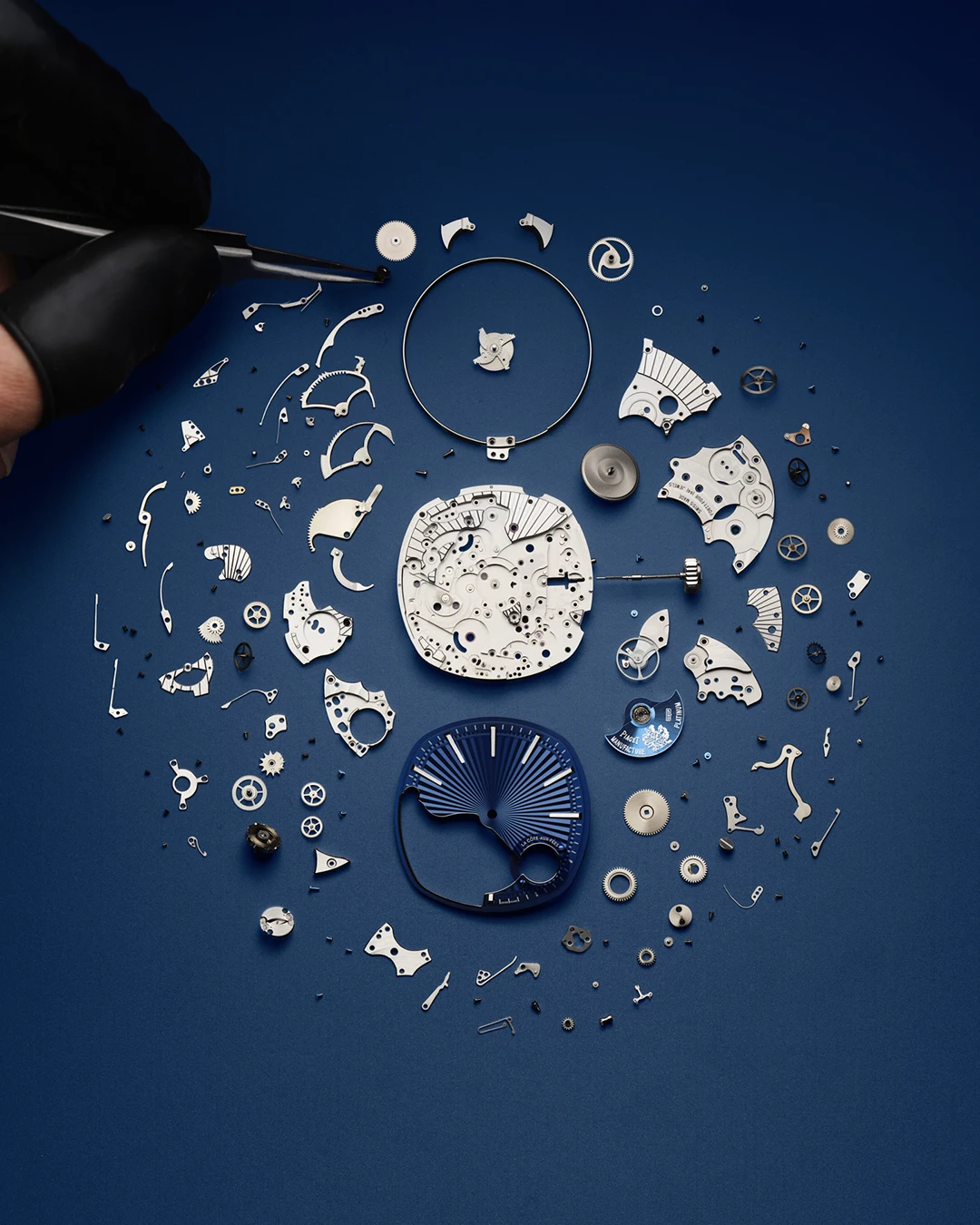
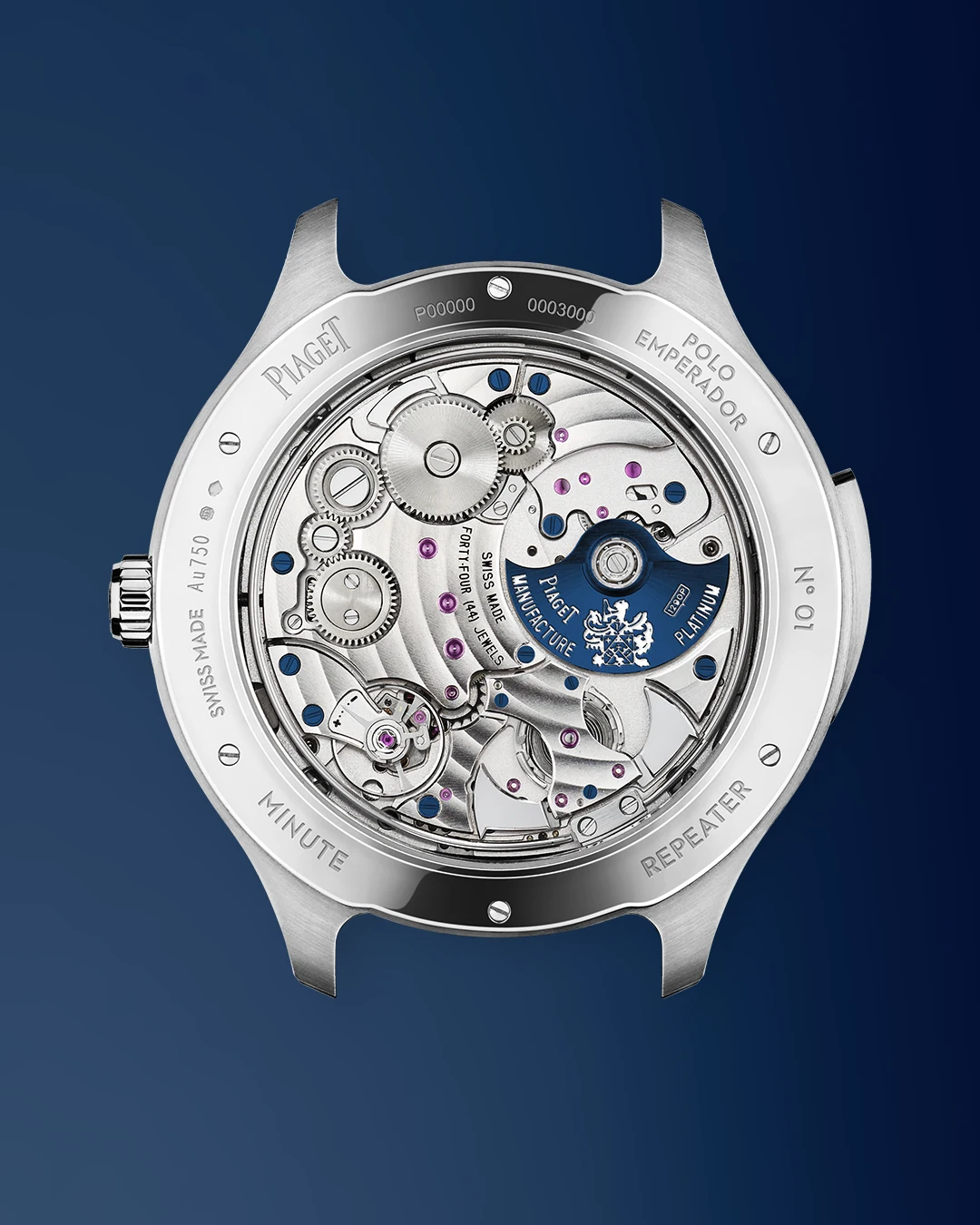
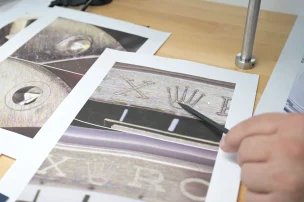
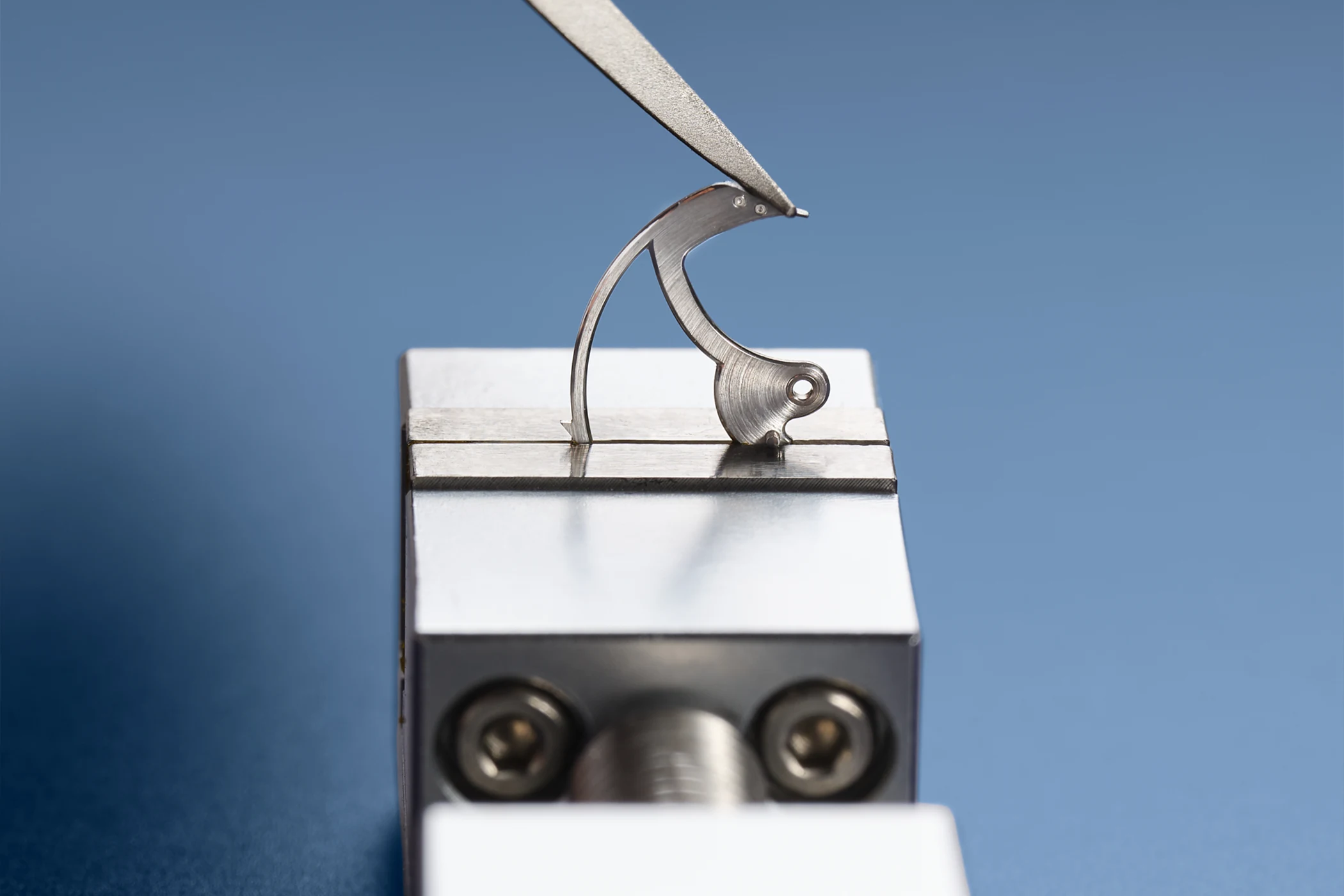
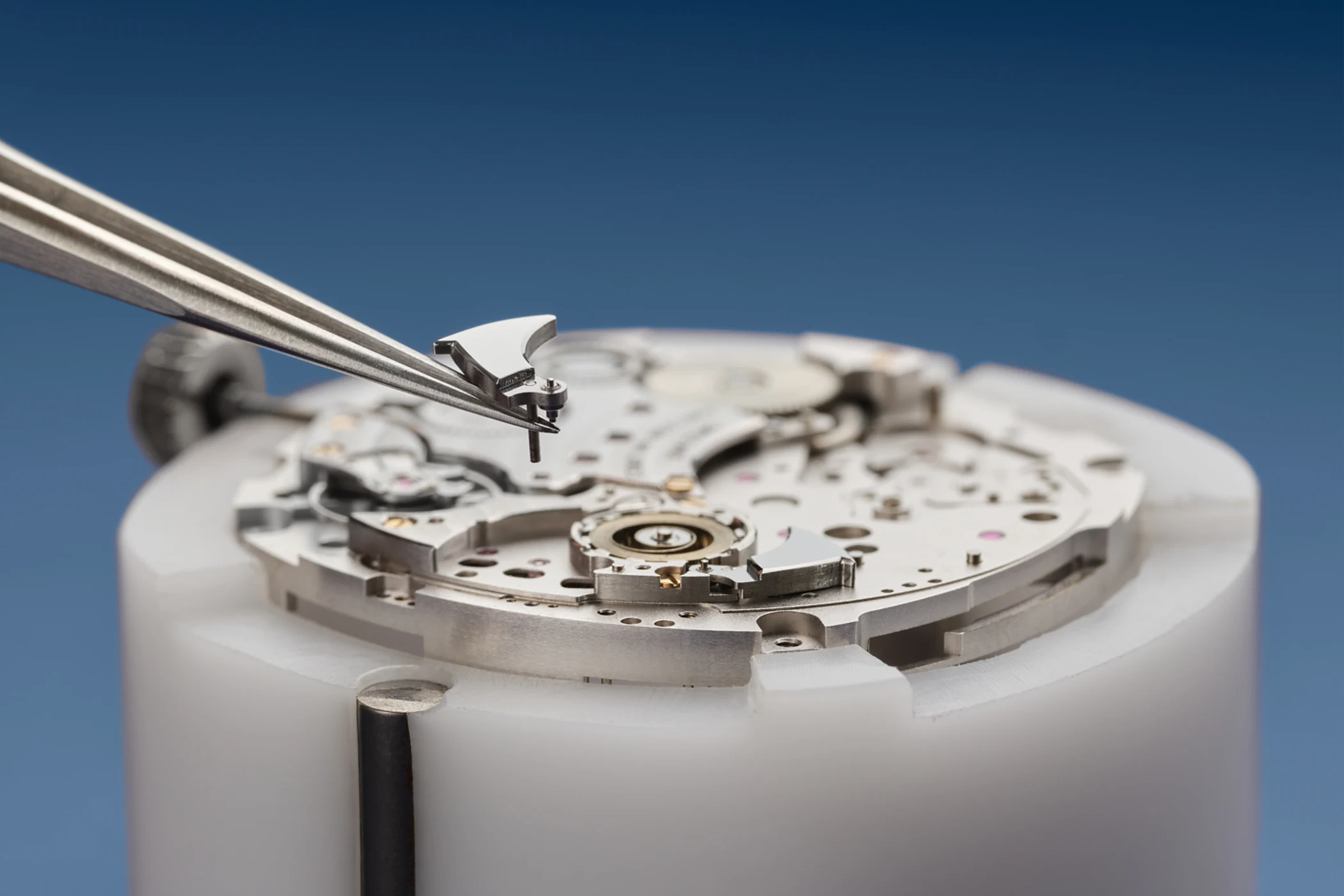
RJ: You have to distinguish between finishing and assembly. If everything goes perfectly on the first pass and no readjustment is required, assembly takes around 80 hours, plus approximately 72 hours for the finishing. On top of that, there is the time required to case the movement, test the sound and, where necessary, optimise the acoustics.
Rémi Jomard: Today, we use state-of-the-art technology in a sound-insulated chamber that completely eliminates external acoustic influences, with a microphone directed at the watch. We carry out the test twice: first on the movement alone and then on the complete watch. Using a microphone in this extremely quiet environment, we measure the exact frequencies of the two notes – A-sharp for the minutes and G-sharp for the hours.
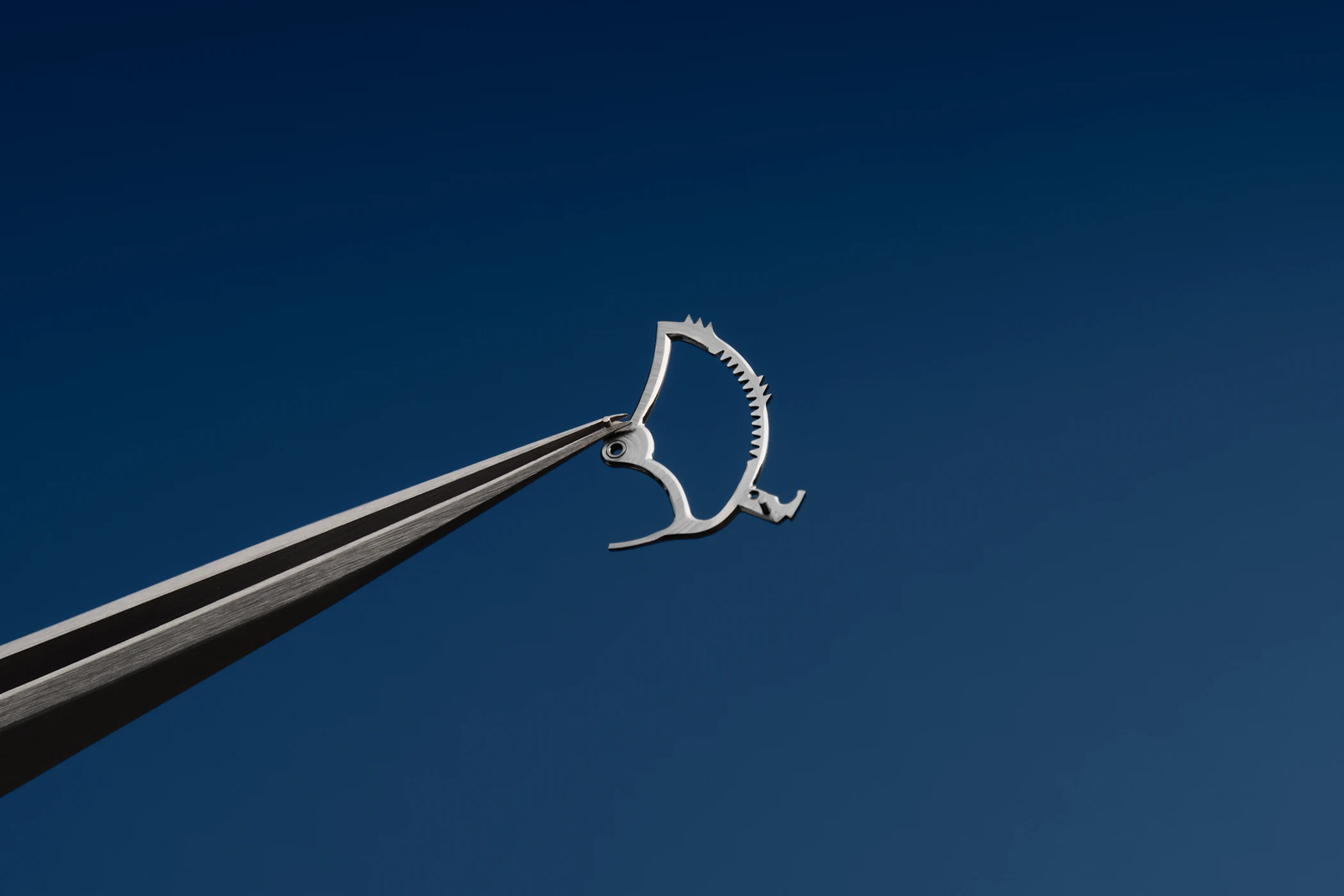
If anything is not quite right, the movement or the watch is sent back to the workshop. There, the resonating components, gongs and hammers are adjusted accordingly until the sound is perfect. We do this for every single watch.
Rémi Jomard: Yes, that is correct. One reason is that there are not many watchmakers and artisans capable of assembling and finishing this watch. However, it is not a limited production run. After the five pieces this year, we will see how things develop.
Rémi Jomard: Of course, there are physical and chemical limits, and in watchmaking we are continuously pushing closer and closer to them.
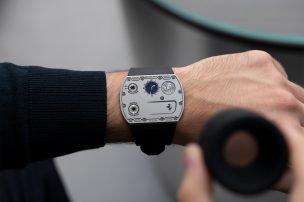
When we talk about Piaget, this began around 60 years ago, when we introduced our first ultra-thin hand-wound movement in 1957: the 9P, measuring just two millimetres thick. Three years later, the 12P followed. At 2.3 millimetres thick, it was the world’s thinnest automatic movement at the time.
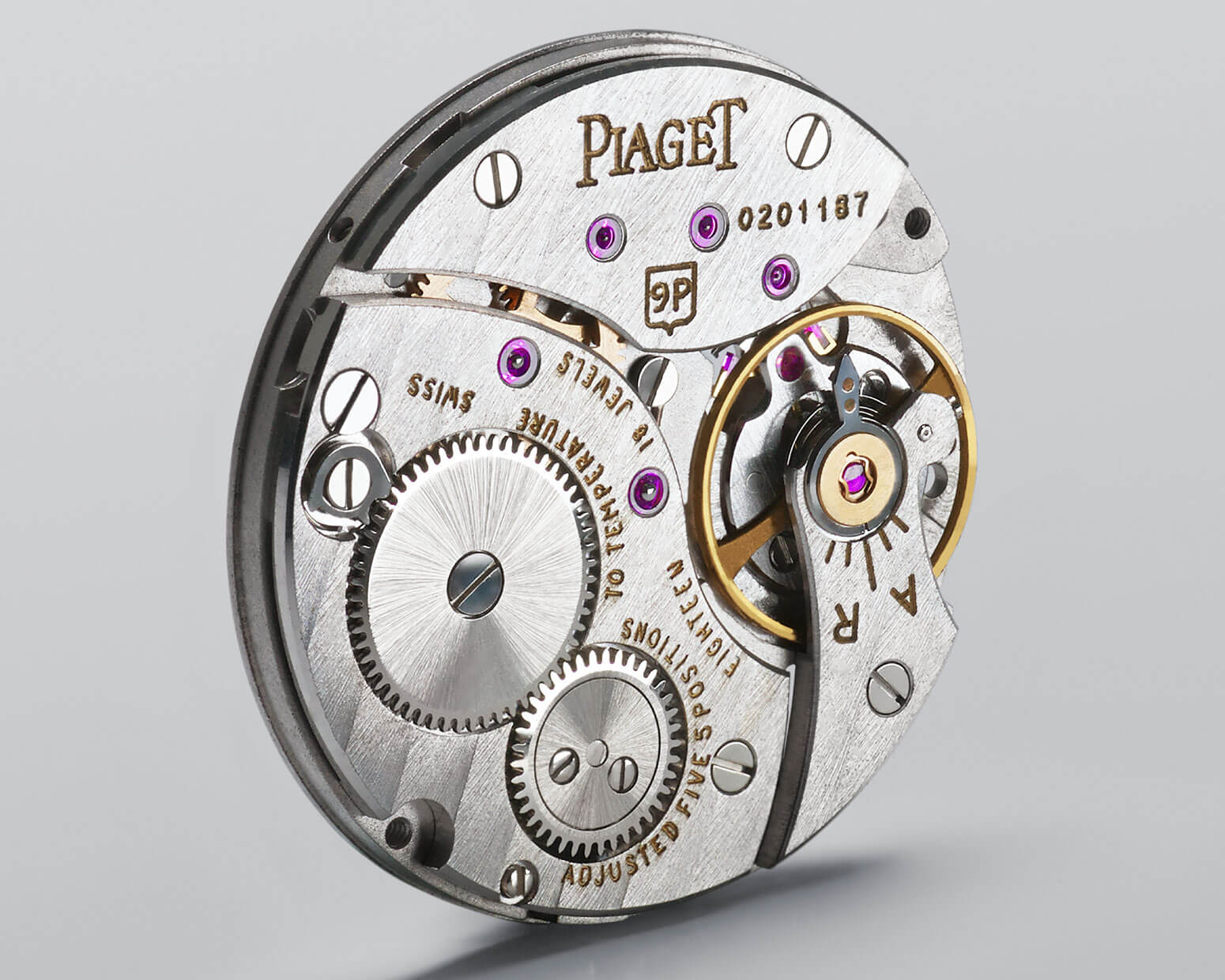
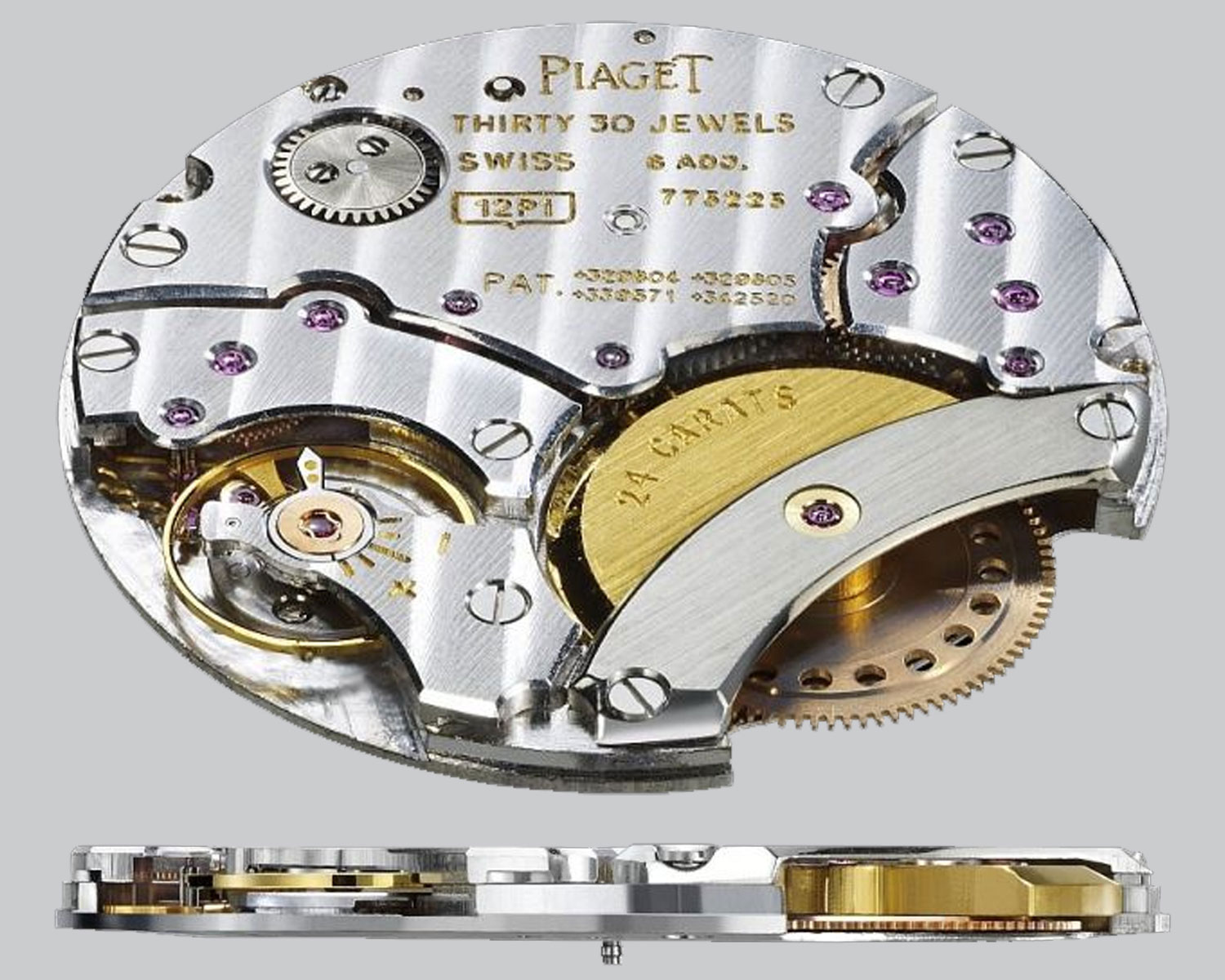
But thinness is not an end in itself. At Piaget, construction and engineering always serve a design purpose – with the aim of enabling greater aesthetic refinement and wearing comfort.
And even with extra-thin watches fitted with ultra-thin calibres, there is still scope for sophisticated designs, with different levels that allow you to see through the watch and create a remarkable sense of depth despite the minimal thickness. We are a creative Maison with strong aesthetic codes, and we want to preserve them even in timepieces with grand complications. Those complications should be visible, while at the same time retaining our established design language.
Incidentally, we are quite proud that ultra-thin watchmaking has become something of a trend – one that we set in motion around 60 years ago.