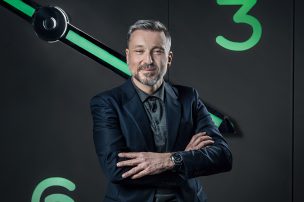
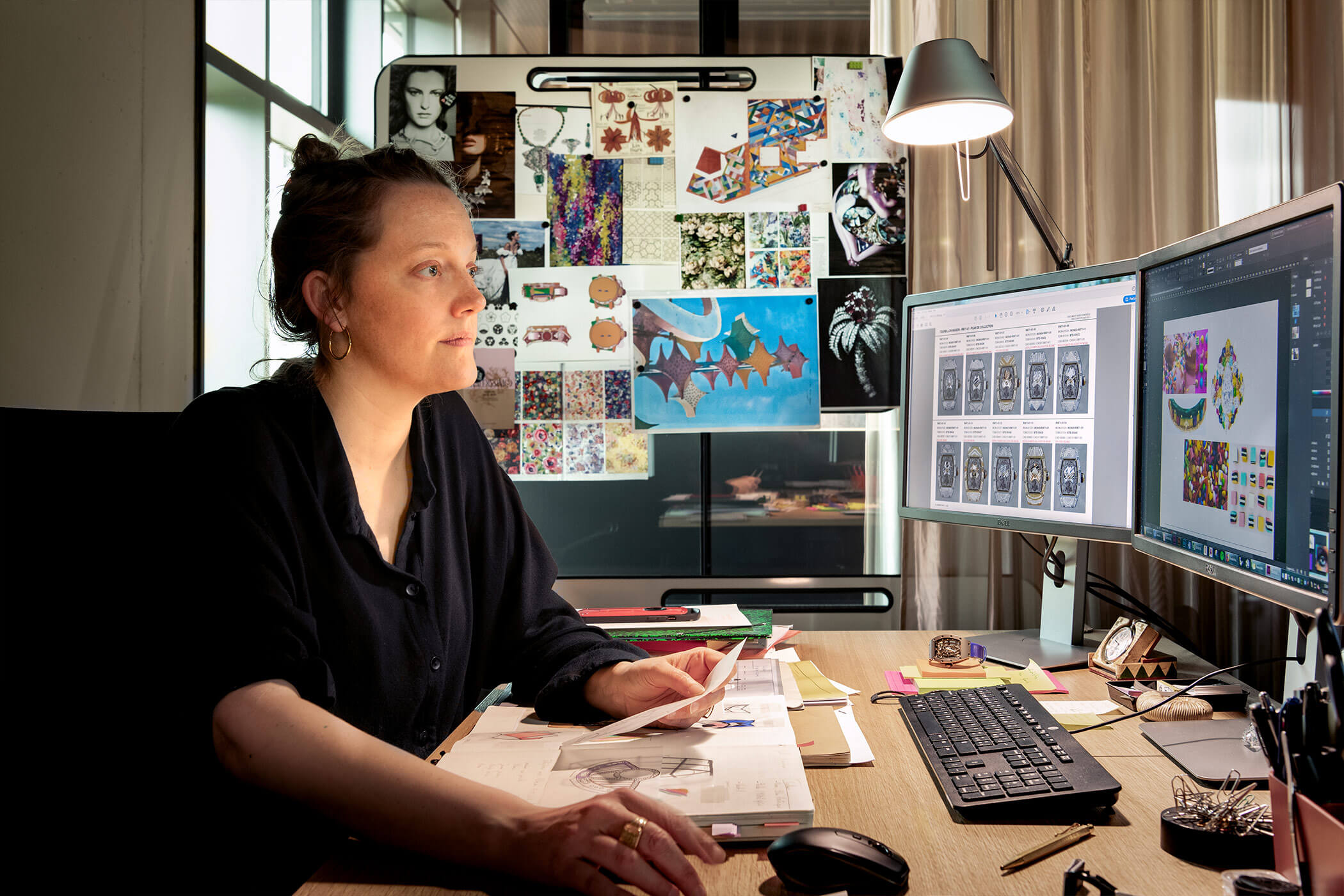
Franco Ziviani, Chairman of Gérald Charles in conversation with Swisswatches Magazine at Juwelier Becker in Hamburg.
When Morgan Stanley’s Ninth Annual Swiss Watch Report was released in February of 2026, it listed Richard Mille as one of the top four brands in terms of sales. The other three – Patek Philippe, Rolex, and Audemars Piguet – have had hundreds of years to garner a following like this. But Richard Mille is only 25 years old. How has this “new” brand managed to amass so much success and, yes, power in the watch industry in only a quarter of a century?
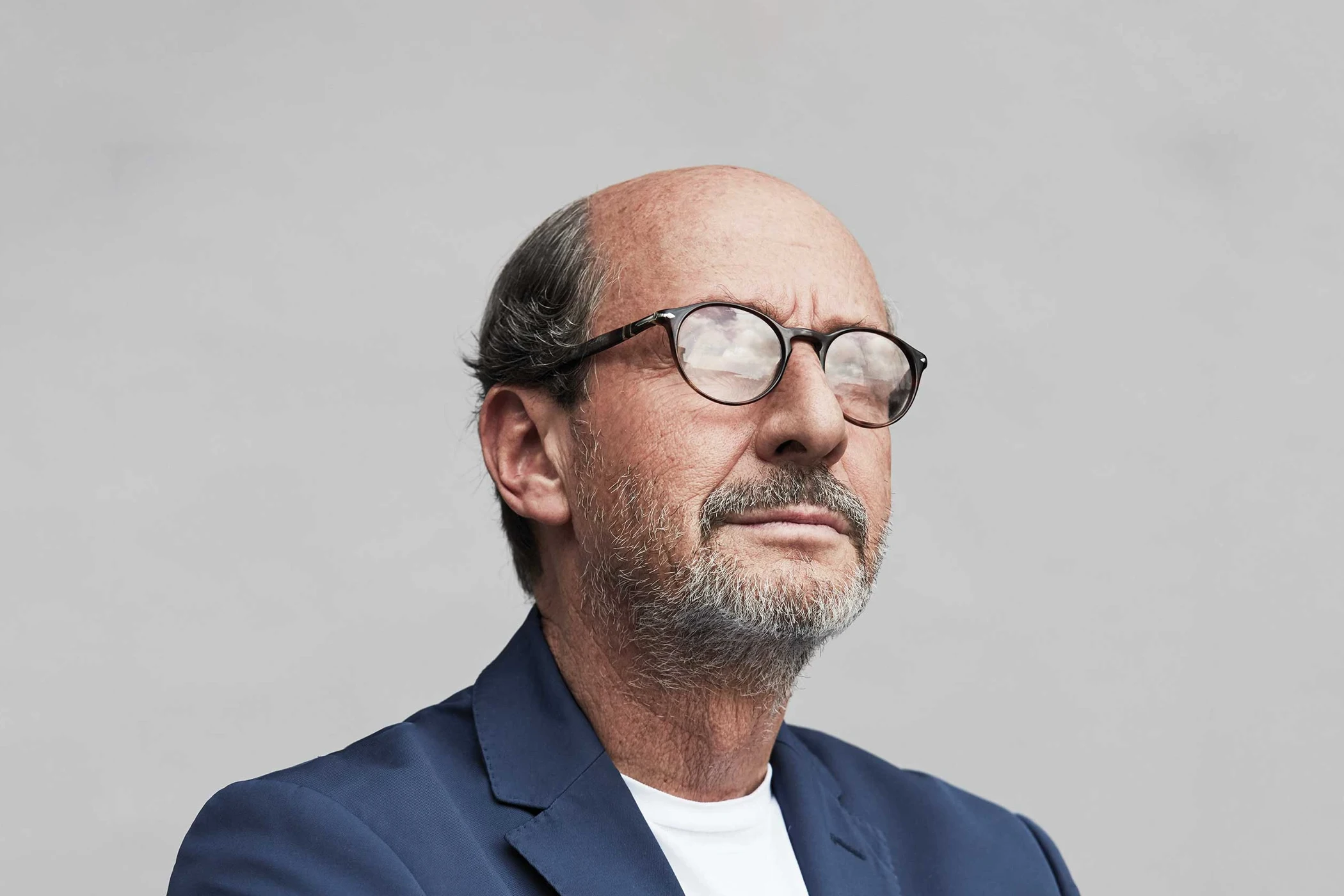
It is my opinion that this brand’s entire run of success is down to the interests, talent, and ambitions of the main man: Richard Mille. But, of course, he hasn’t done this alone. Let’s take a look at how the Richard Mille brand got to where it is today.
Up to the founding of his eponymous brand in 2001, Richard Mille had spent much time in the watch industry though he was not formally schooled in design or watchmaking. His career was built on management, though there lurked within him a myriad of ideas just waiting to spill out. It was in 2001 that he took the plunge, making a definitive name for himself with the burgeoning independent watchmaking scene. One could say that he formed a new avant-garde in this sector of watchmaking that concentrated on new ideas and new materials.
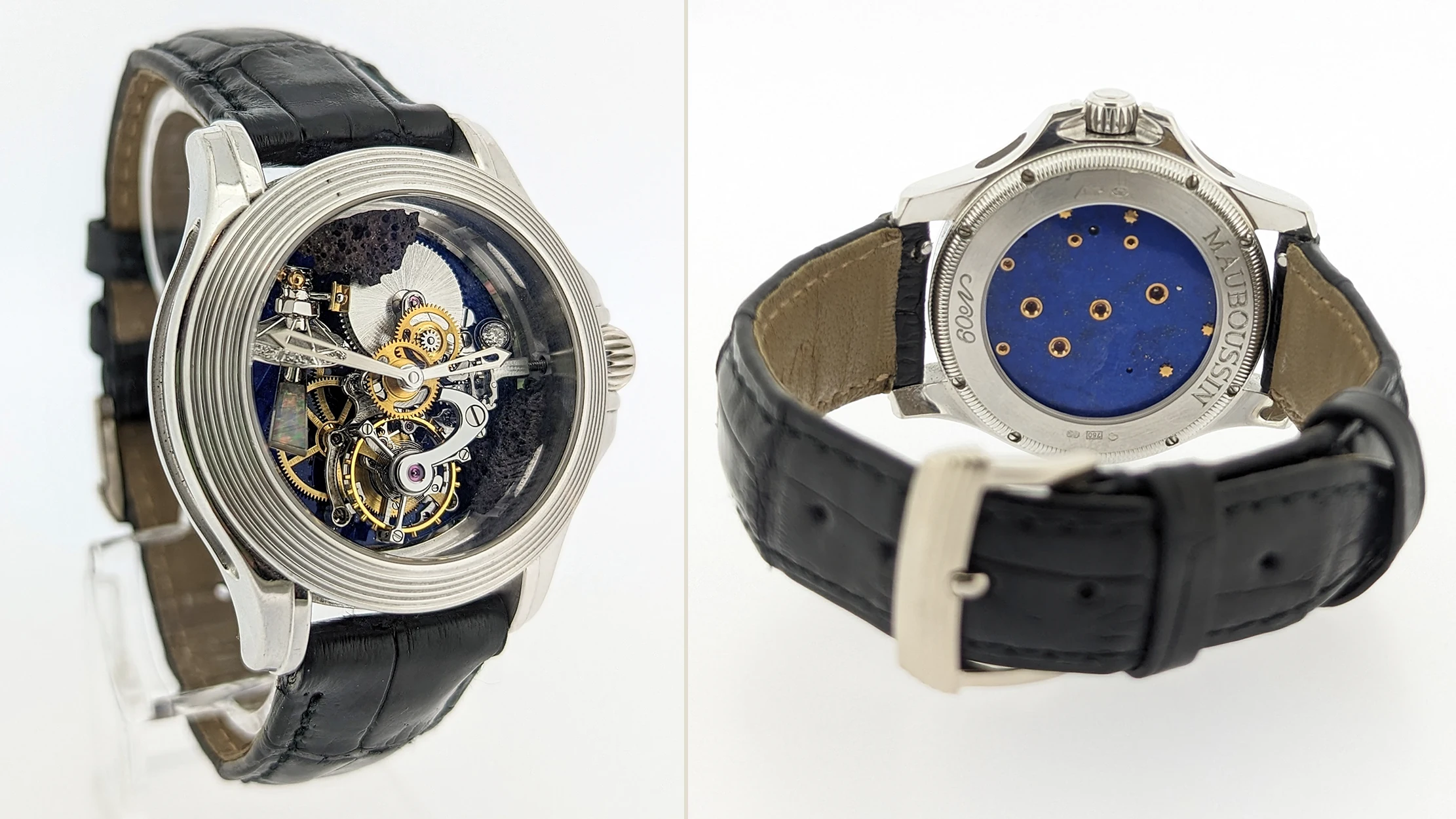
His last industry position was as managing director of the watch division at French jewellery company Mauboussin. Aside from a deep knowledge of marketing and the business of luxury, he had a real curiosity for science, engineering, and innovation. And so at the age of 50, he quit his job and took the plunge.
The Richard Mille brand was born of an idea Richard Mille presented three years prior, in 1998, to his friend Dominique Guenat, the owner of watch manufacturer Guenat SA-Montres Valgine. Richard Mille had met Dominique Guenat ten years earlier when he was developing watches for Mauboussin. In 2001, both founded a new operating company, Horométrie, and registered it in Switzerland as equal partners. Today Horométrie SA takes care of distribution and after-sales service, while Guenat SA-Montres Valgine oversees administration, design, product development, production, and quality control.
Richard Mille, who is now 75 years old and has retired from the day-to-day business of the company that bears his name, can well be likened to Enzo Ferrari. The legendary Italian car maker was also a frustrated manager who founded his own brand to see his concepts and creations come to life. The now iconic auto designer was neither engineer nor designer by trade back in the 1930s, which puts him in a similar situation to Richard Mille in the 2000s.
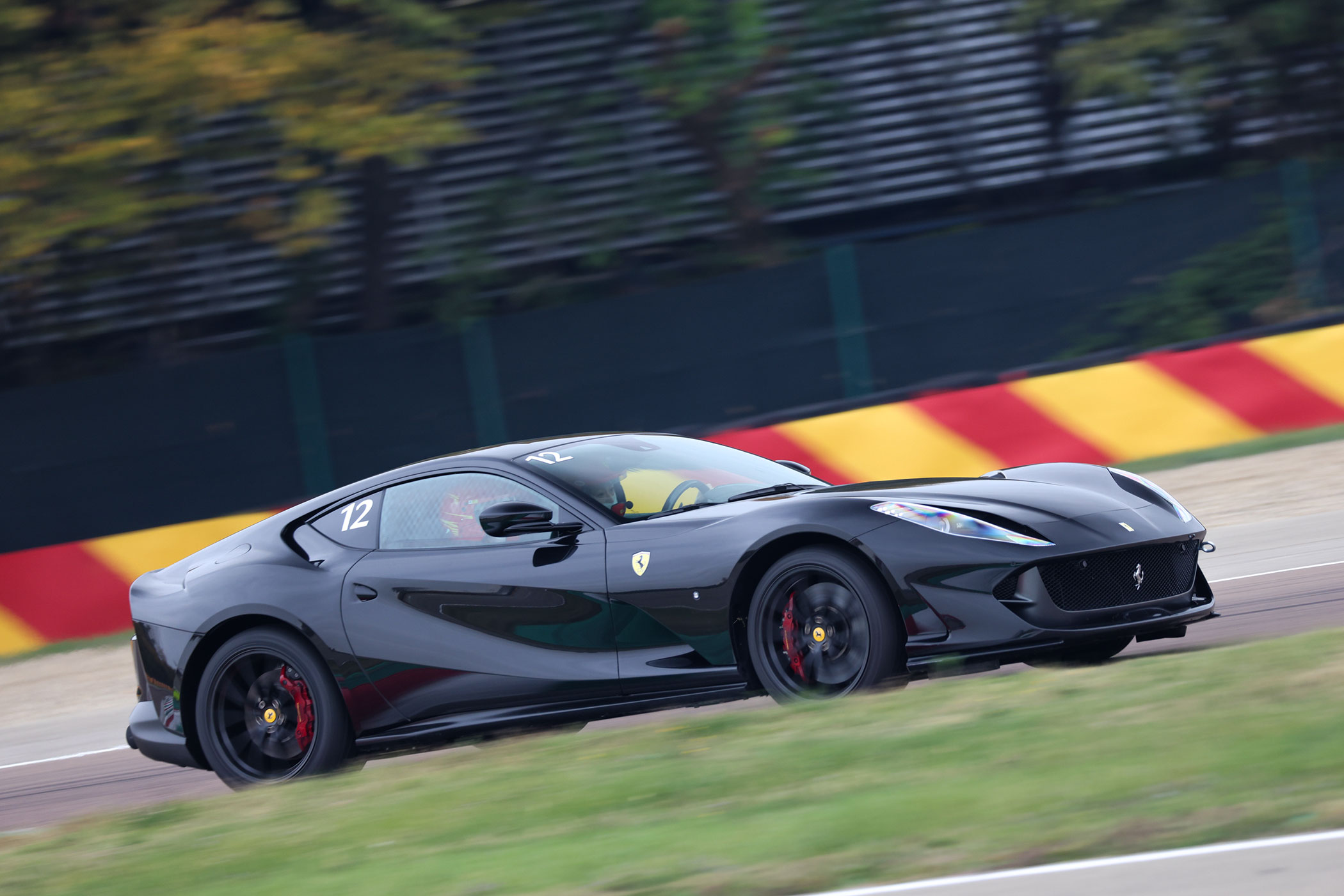
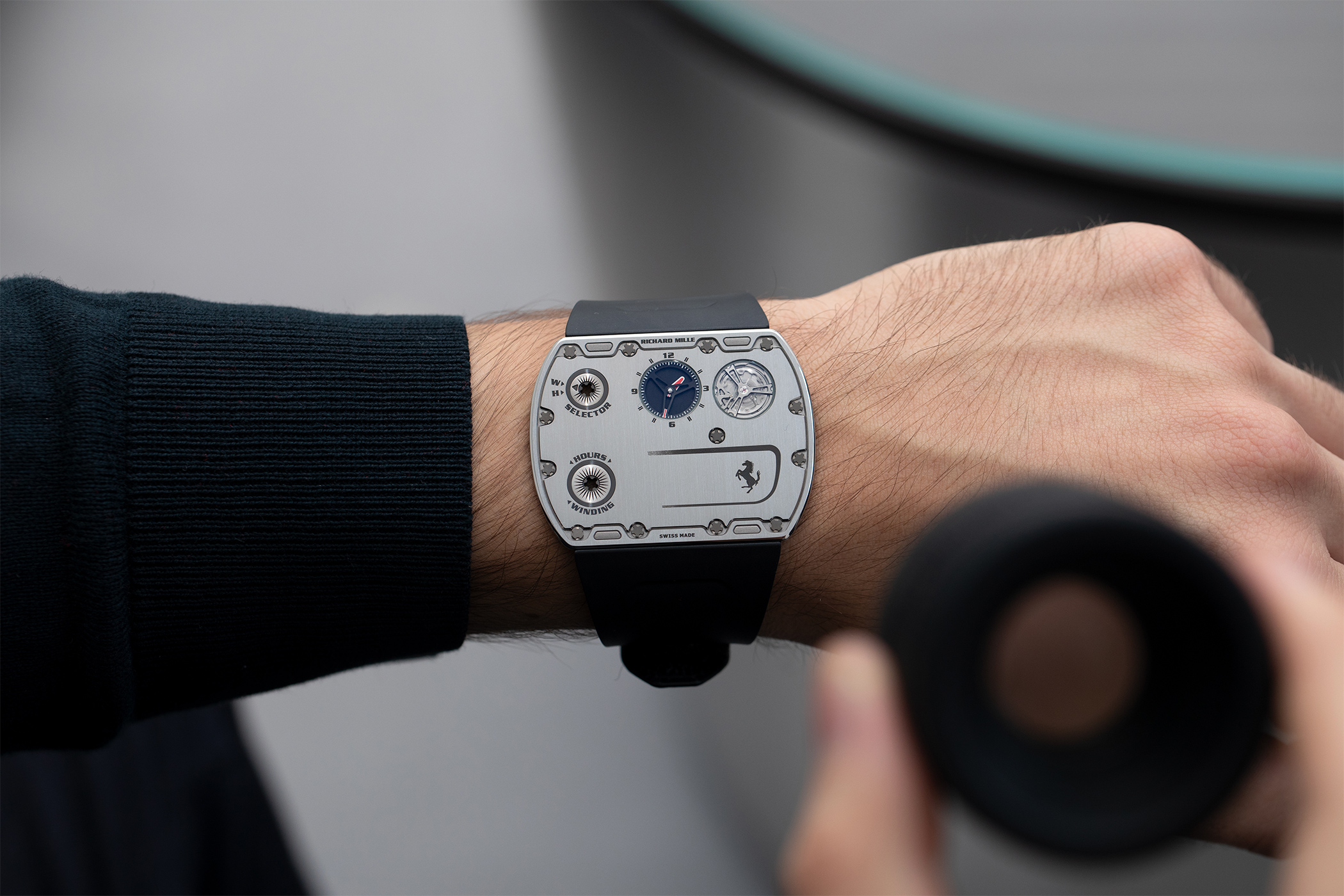
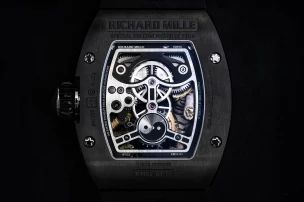
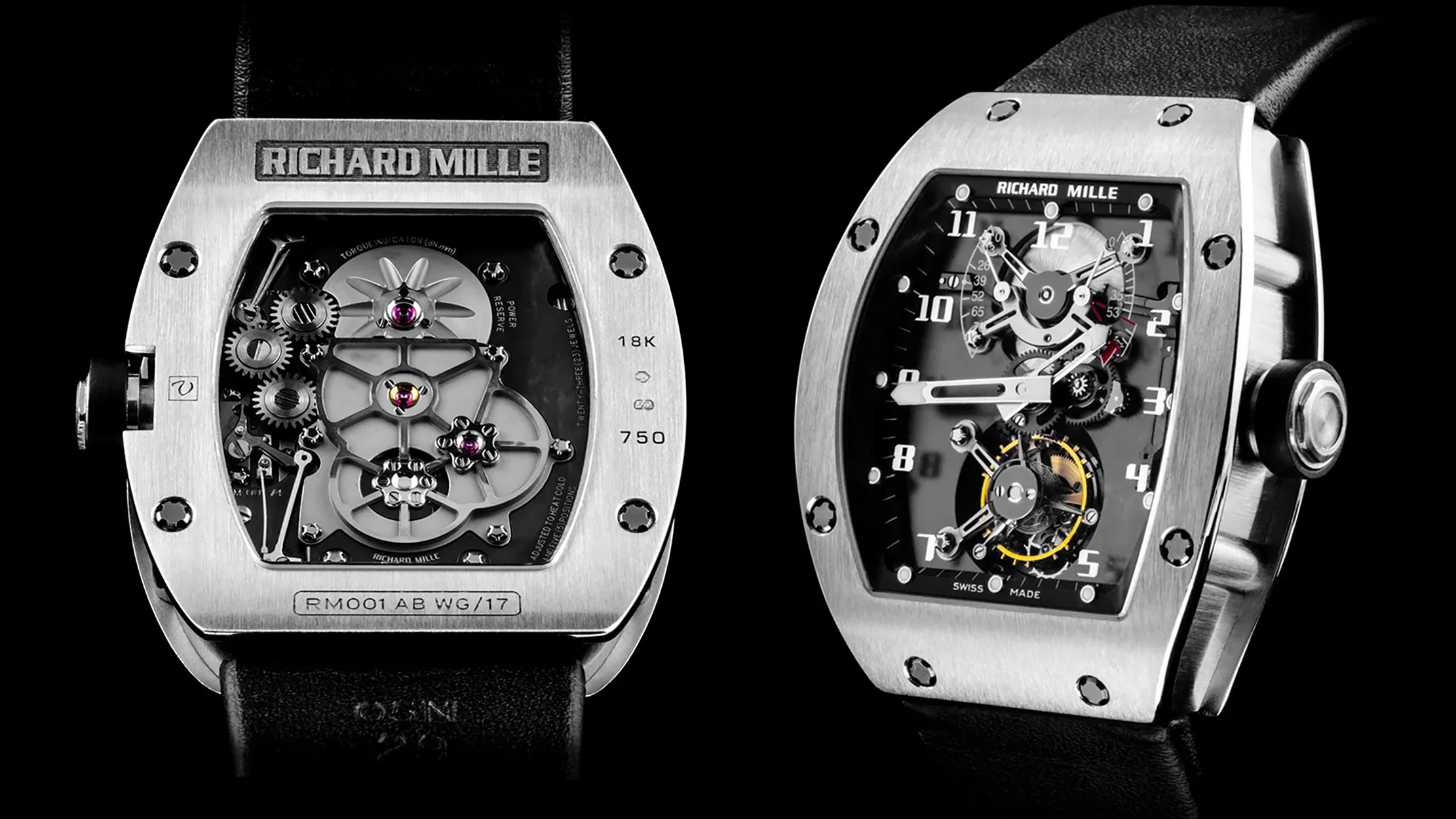
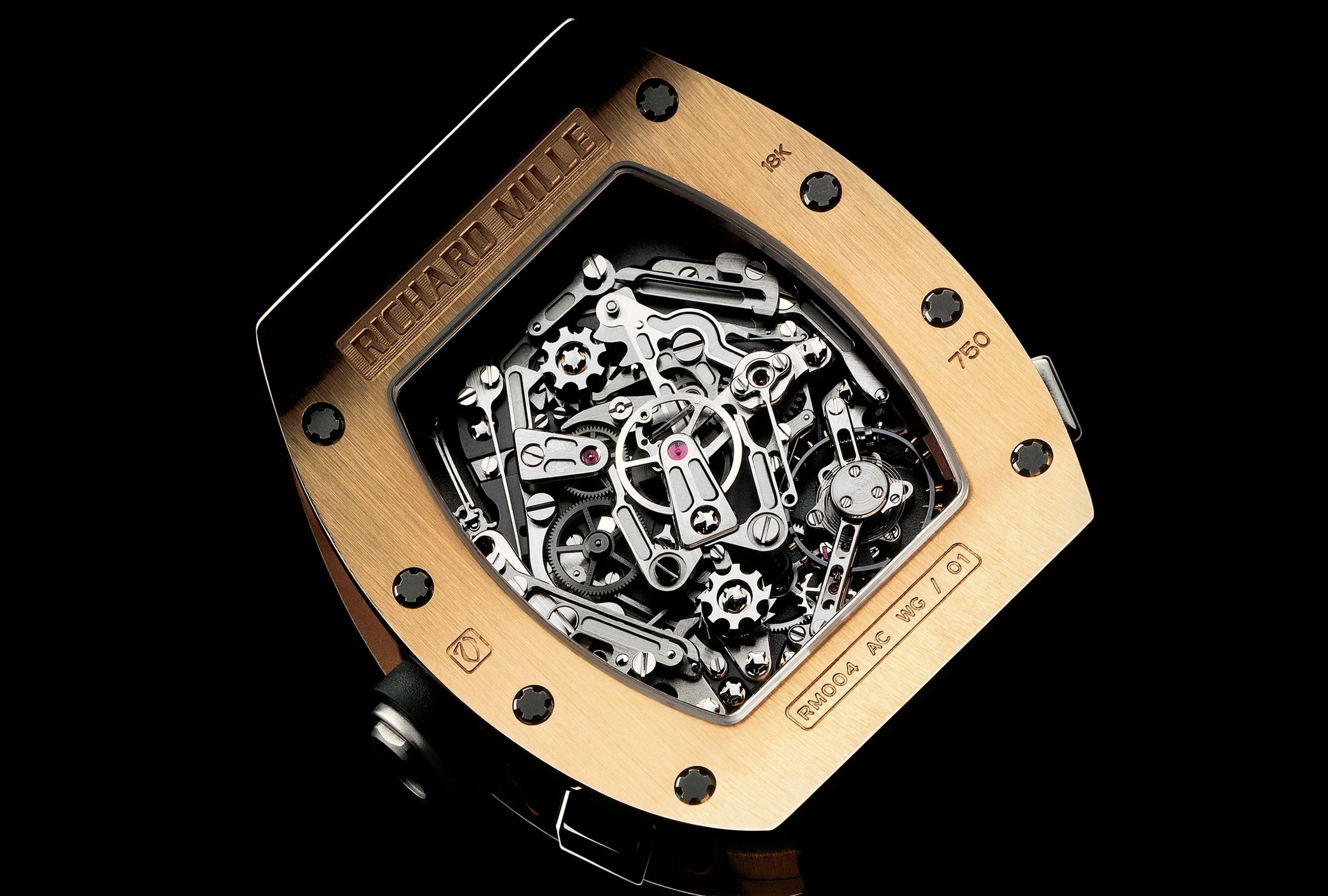
An enthusiastic man passionate about his hobbies – Richard Mille not only loves watches, but also technology and car racing – he felt it was time to express these interests concretely. And this he did by making his wristwatches into micro machines that looked as if they could turn on their booster rockets any minute and take off from the wrist, almost like a Formula 1 racing car. Though it is now hard to take the idea of Mille’s designs out of the watch world equation, at the time the manual winding tourbillon RM001 launched it was entirely novel. This tonneau-shaped watch looked and felt like nothing else, and every timepiece that came after it somehow managed to get further away from what a traditional wristwatch had been to that point. These watches sold for unheard-of six-figure prices 25 years ago, which were uniquely printed right on the ads for them.
While today the prices commanded by Richard Mille watches seem perfectly understandable given the enormous production costs involved in bringing his ideas to life, both the prices and the audacious marketing attracted considerable attention at the time. However, the success of the watches gave the fledgling company the means to continue.
“We do not have to carry the weight of a long history with us,” explains Alexandre Mille, one of the four next-generation leaders of Richard Mille. “Therefore, we can break all the codes that have been established before and can build exactly the watches we want. I consider this one of our biggest strengths, and it is a core value of the brand. We could always push forward and did not have to look back every time for inspiration.”
Credit © John Wycherley
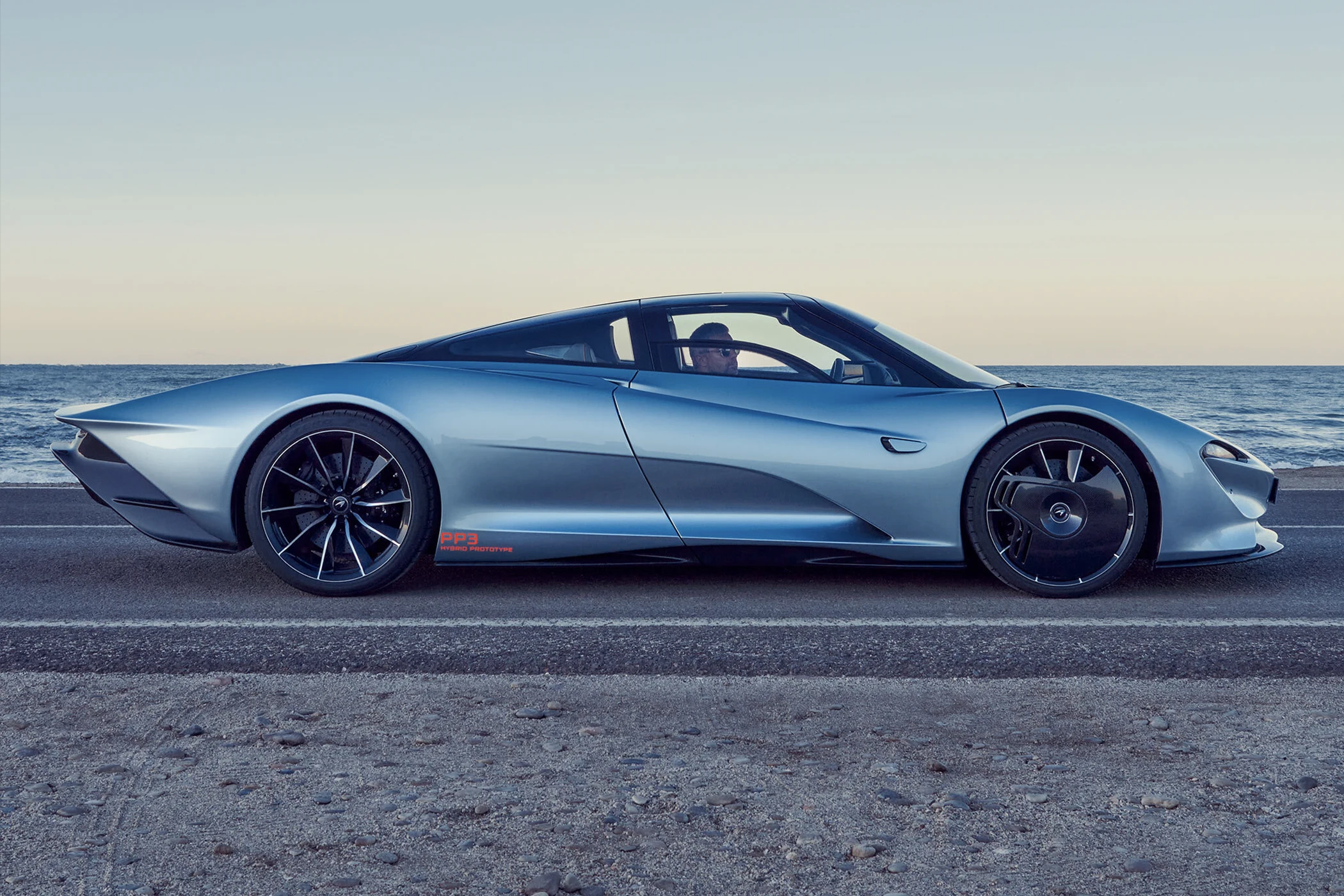
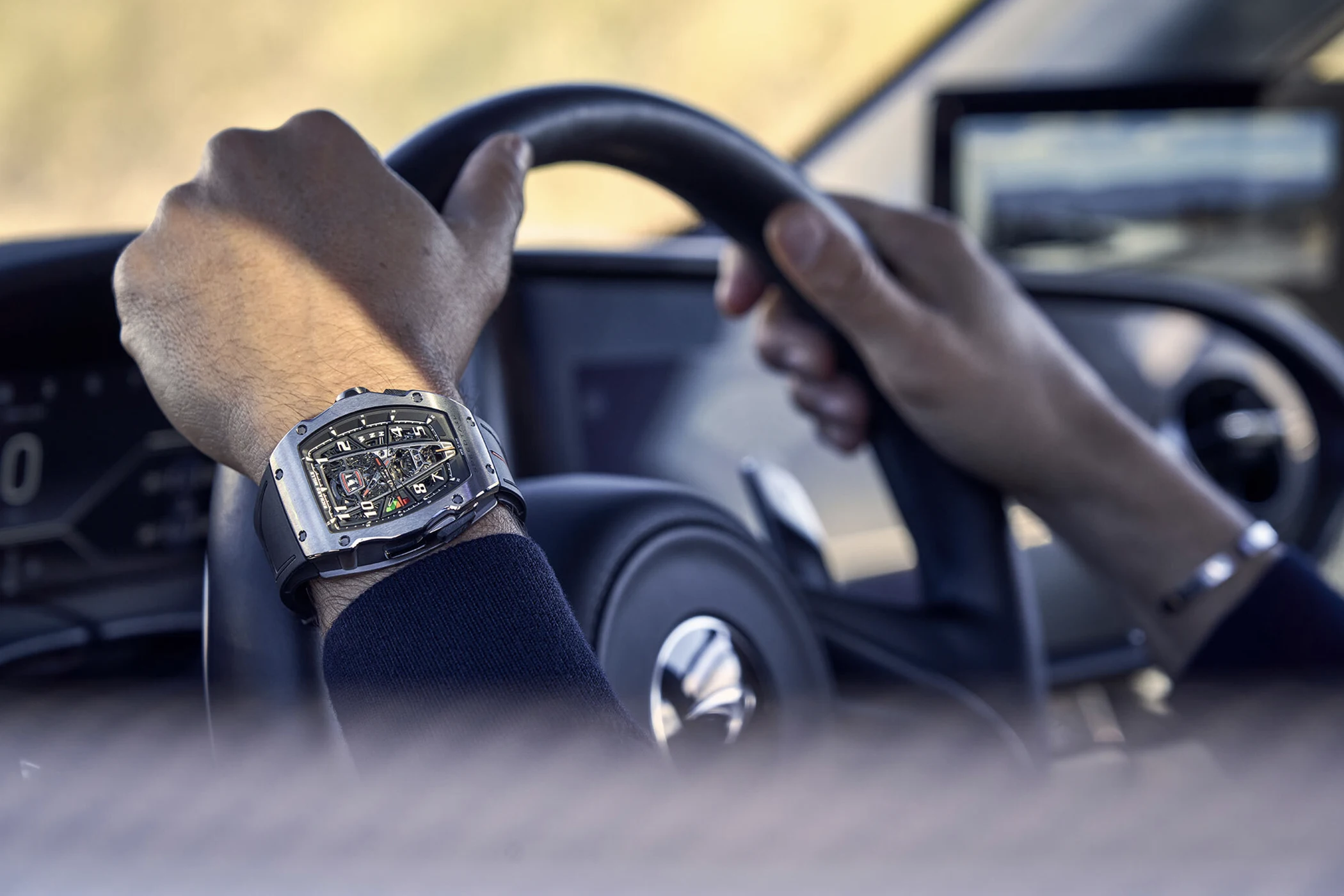
During his active time, Richard Mille got most of his inspiration from Formula 1, explaining to me back in 2009 that racing was always a personal passion and that he owns some older Formula 1 cars as well as a LolaT70. “The creation of my watches emulates the world of F1 development’s system of thinking,” he told me. “It is a no-nonsense world; every part of the car must have a specific function working at the highest level and a certain quality, especially under stressful conditions. Also, every gram counts; many people do not realize that F1 cars are really weighed by the gram during their development and construction. This approach really appeals to me. It’s a balancing act, a pushing of the envelope.”
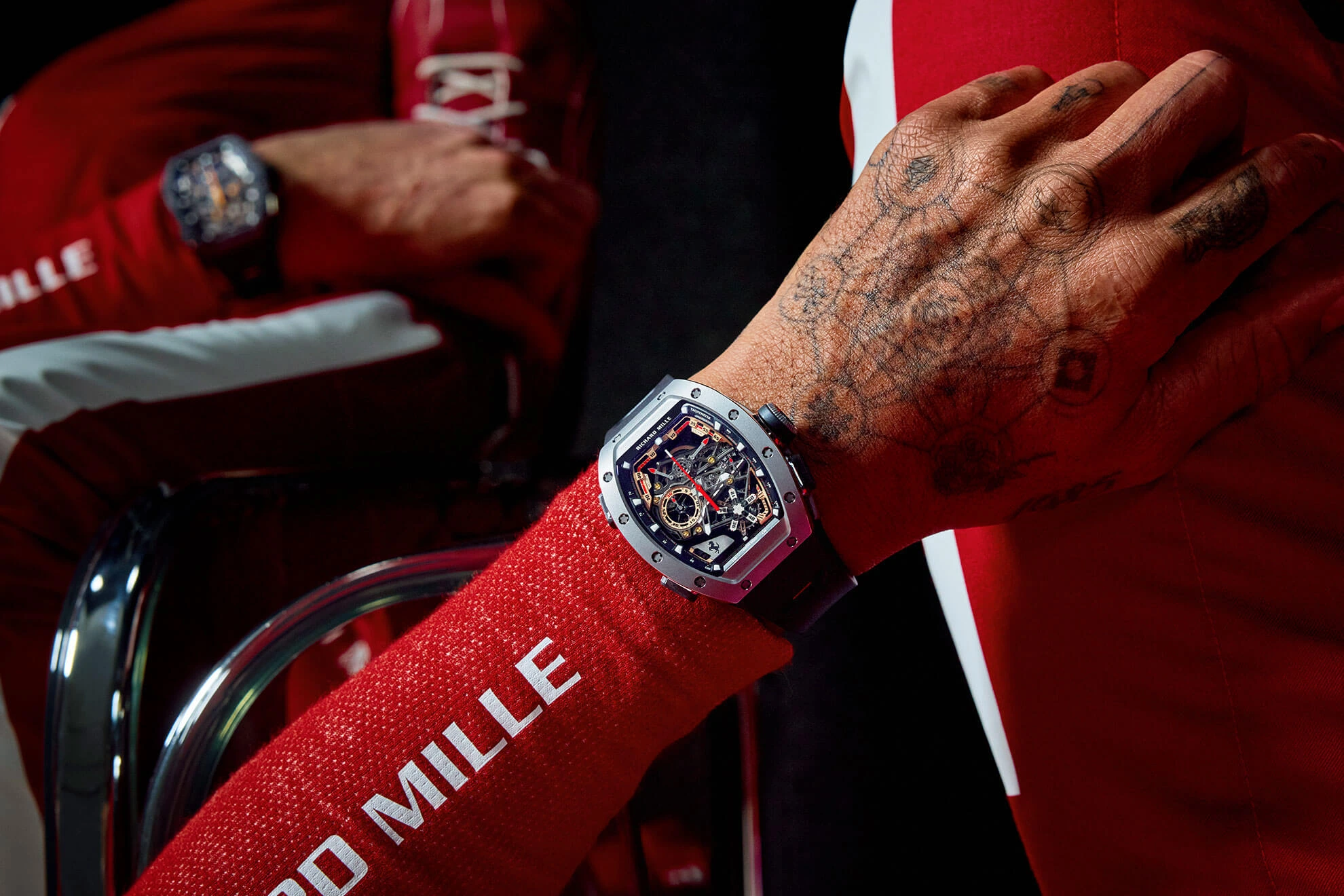
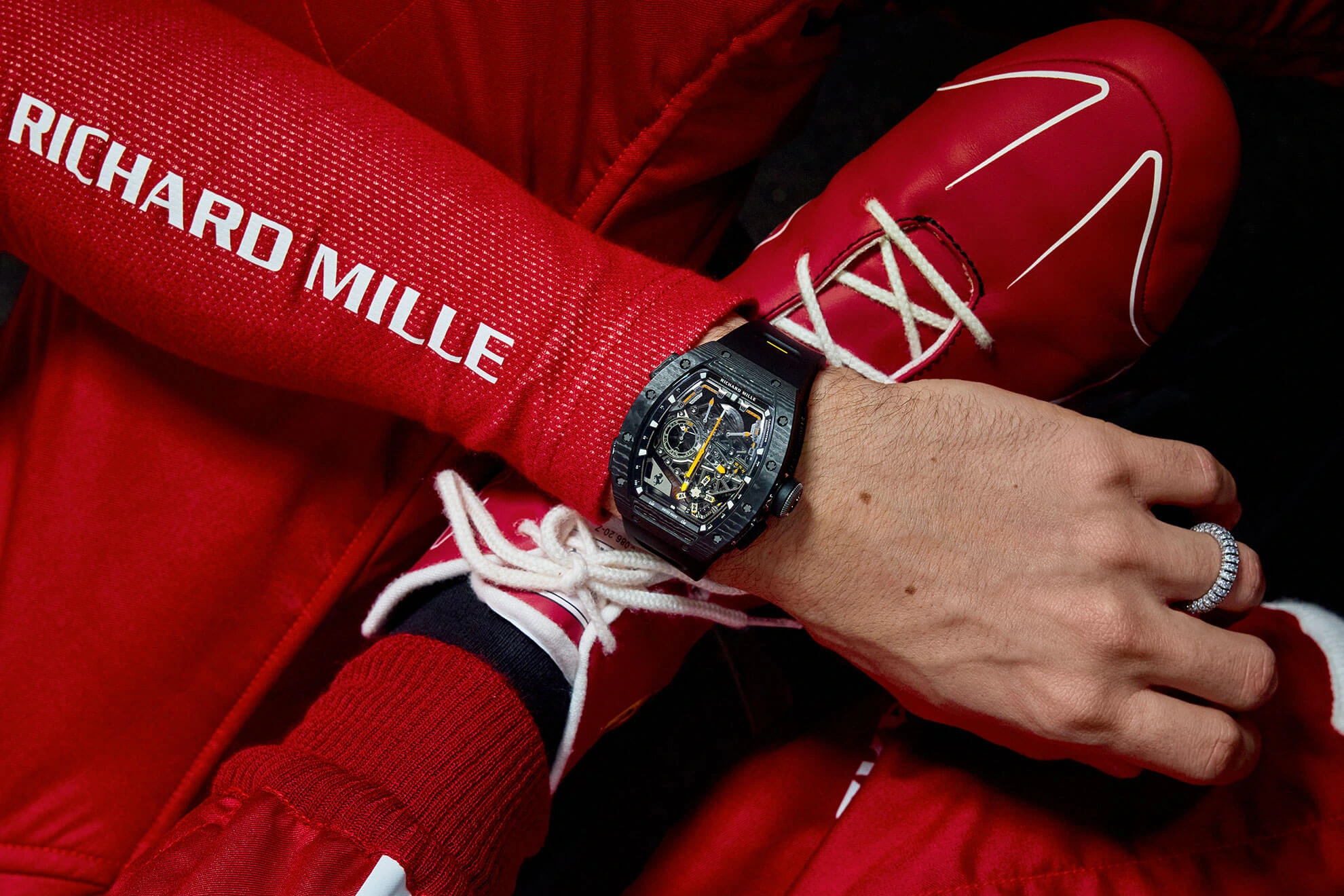
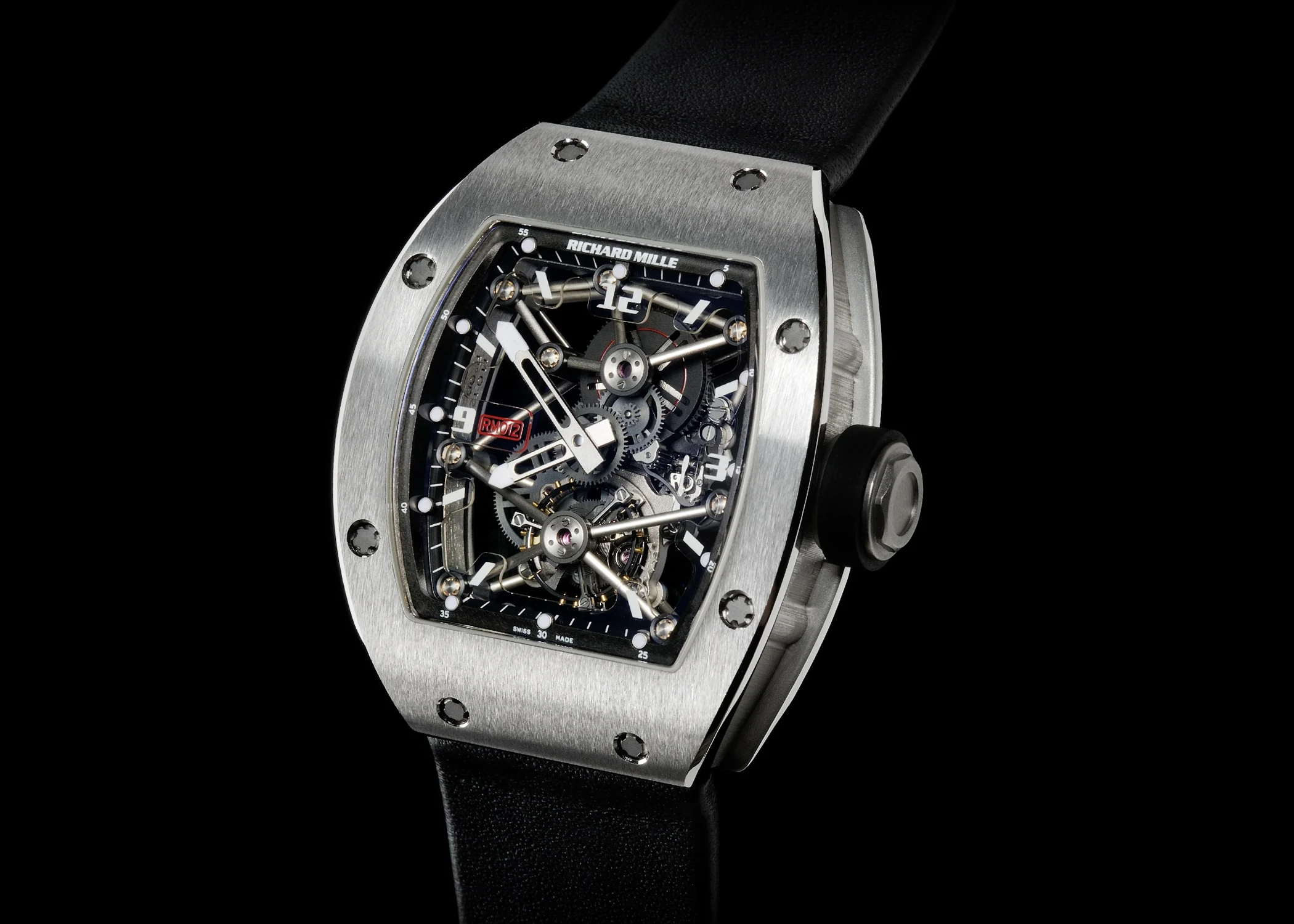
It was indeed quite hard to picture Swiss watchmakers in the Jura hills working on something as new-fangled as the products that came out with Mille’s name on them. These watches were unabashedly modern and decidedly technical. Luckily, at the time there were lesser-known young “think tanks” in the traditional watchmaking landscape that were capable of not only carrying out what Richard Mille imagined but could even add inventions of their own. One such cutting-edge workshop – now famous for its work with Richard Mille – was Audemars Piguet Renaud et Papi, APRP for short (and today APLL Audemars Piguet Le Locle), which worked with Richard Mille from the start.
Richard Mille related to me that during his time as president of watches at Mauboussin, he launched a line of tourbillons, which led him to work with APRP. “This period at Mauboussin was interesting because I was able to attempt new projects in watchmaking, using new ideas about watch construction as well as the use of precious stones and uncommon technical approaches,” he said. That project marked his first contact with APRP, which clicked from the very beginning. “They were excited and happy to leave convention behind and attempt new approaches; it was soon clear we were kind of made for each other, so to speak,” Mille explained of the fruitful collaboration at the time.
Credit © La Maison de l’Horlogerie
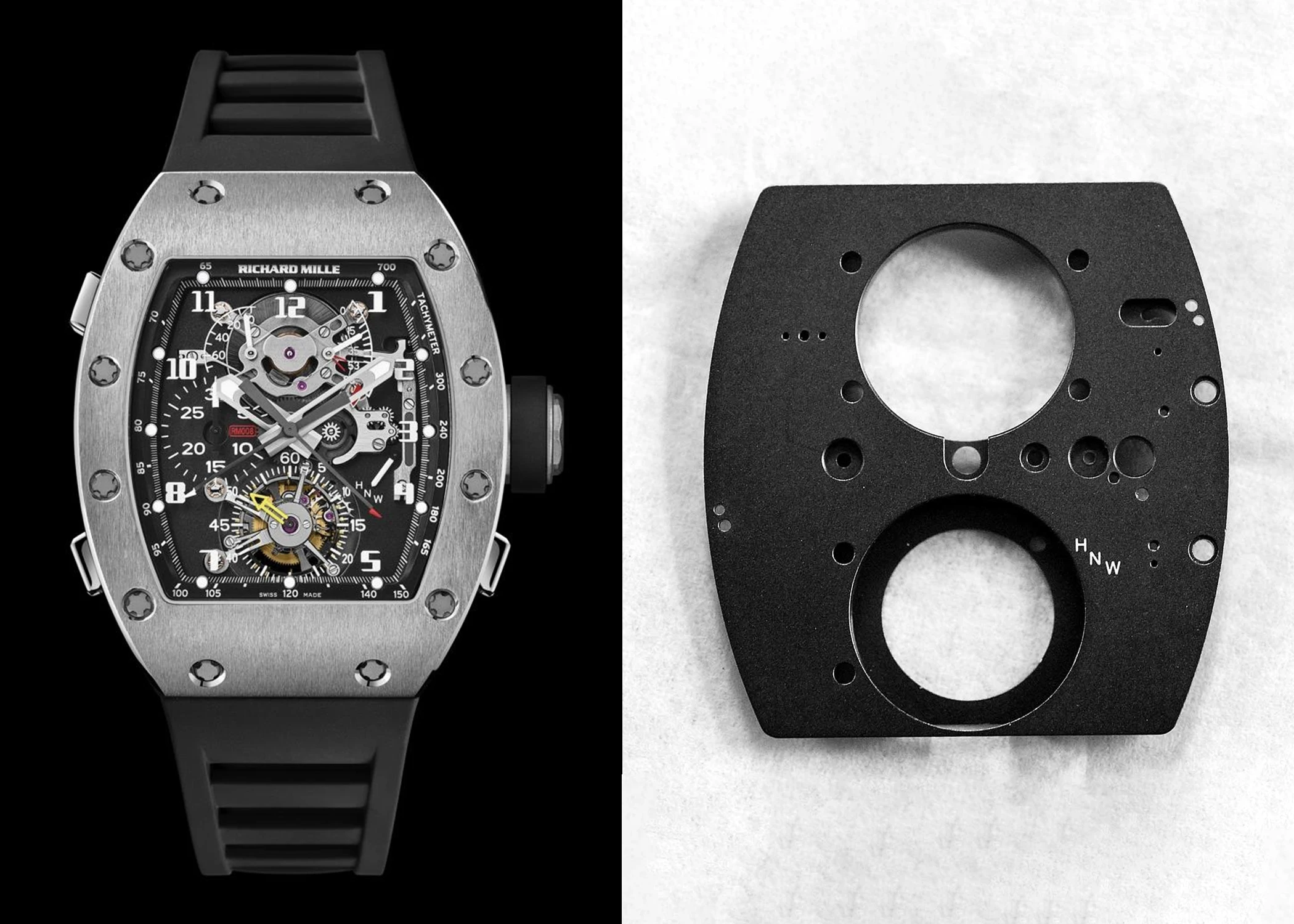
Then – as now – Richard Mille did not work exclusively with APRP: famously, Vaucher Manufacture Fleurier also came into play. But the important thing was that Richard Mille was willing to work with whichever company best suited the idea he had for his daring, futuristic, and highly technical timepieces. Vaucher was the best partner for movements containing titanium elements, and Richard Mille was at the time the leader in this. “Generally speaking, I have an idea in my head, and then we find with Dominique people who can find out if such an idea is possible to physically realize and create. If you want to do things out of the ordinary, then you have to tap into the technical know-how around you. I am open to any and all ideas, talk with everyone, and shut nothing out! But sometimes I am too far ahead and have to wait a few years for some ideas to come to fruition, because they are too difficult. Happily, I have so many ideas, that this is not a major problem,” Mille explained to me.
The collaborations were not always easy for him to realize, but the cutting-edge products that emerged were well worth the effort. Richard Mille explained in that same interview how his ideas were formed, “If you look at my drawings, you can see that they are very specific and very detailed in conception. I really know exactly what I want beforehand. However, after that stage you must research what is clearly realizable, and what is really impossible. If you look at the original drawing I made of the RM 001 and RM 008, you will see that almost all the concepts there were realized in the final product. This was only possible because the collaborators involved were willing to take me seriously and really go to the limit. On the other hand, I am sometimes informed of a new material or idea, and if it appeals to me, I will use it and implement it.”
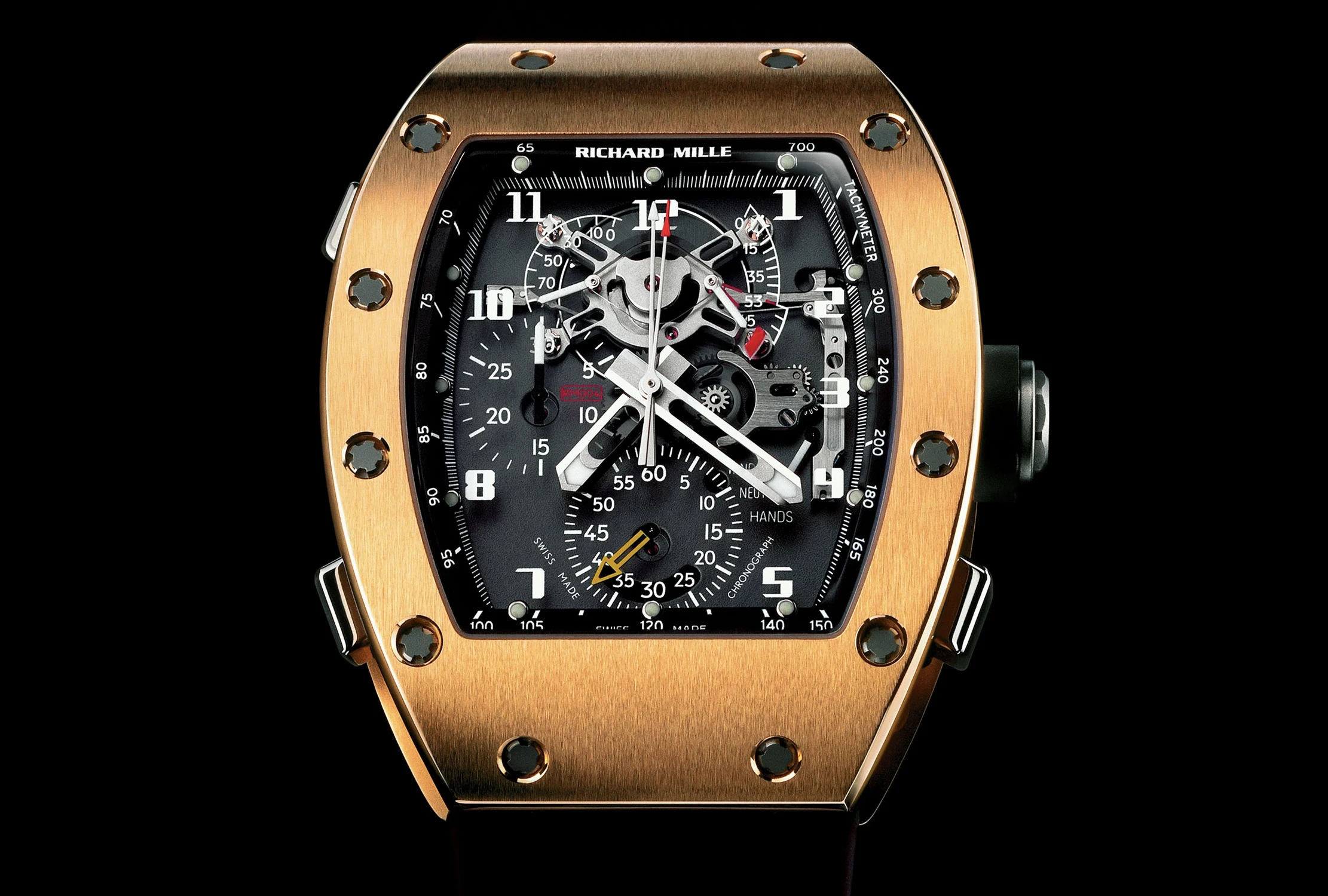
One element that Richard Mille took to the limit was the materials that he used in both his distinctive cases and movements, highly technical alloys aimed at knocking a few grams of weight off while retaining all the elements needed for haute horlogerie watchmaking. As light and low-key in appearance as they were, it seems impossible that most of these materials would cost more to use than gold. But this was definitively a fact.
Richard Mille had previously worked for MATRA in France, who made everything from racing cars to satellites, GPS systems, and defence systems. “It dovetailed perfectly with my interests in technology,” he explained to me. And taught him much about aerospace materials.
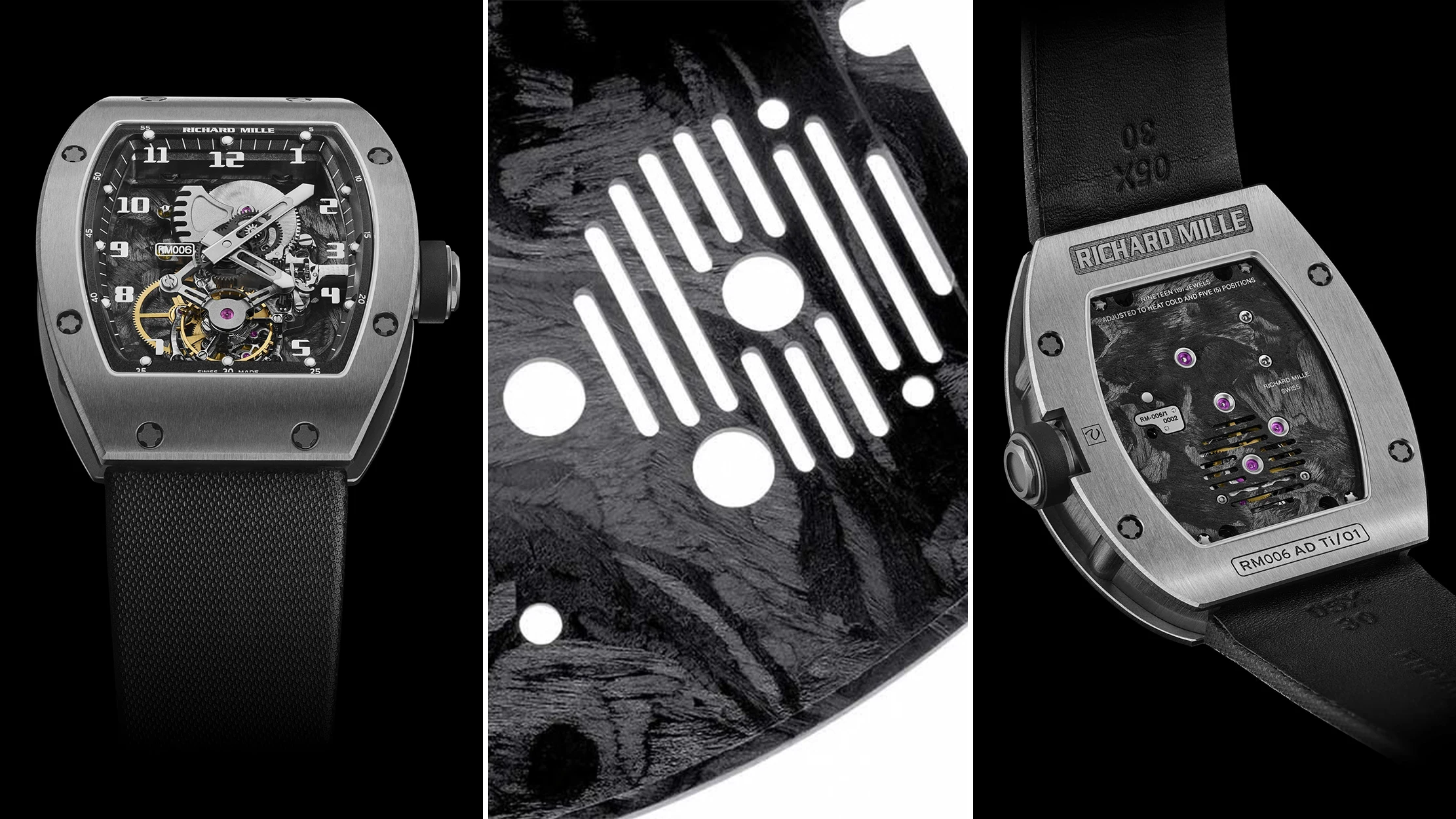
The cutting-edge materials used by Richard Mille in the RM 012, for example, included Anticorodal 100, an alloy composed of aluminium, magnesium, manganese and silicon, chosen for its extreme lightness and used for the winding barrel and gear train. The movement also featured titanium chatons for the jewel beds and bridges, combined with Phynox steel. The RM 006 even contained a carbon nanofibre base plate housed within a titanium case.
Other models’ cases were made of alusic, an alloy comprising aluminium and silicium carbide (a form of carbon) that at the time looked and sounded as if it had wandered right out of the pages of a science-fiction novel.
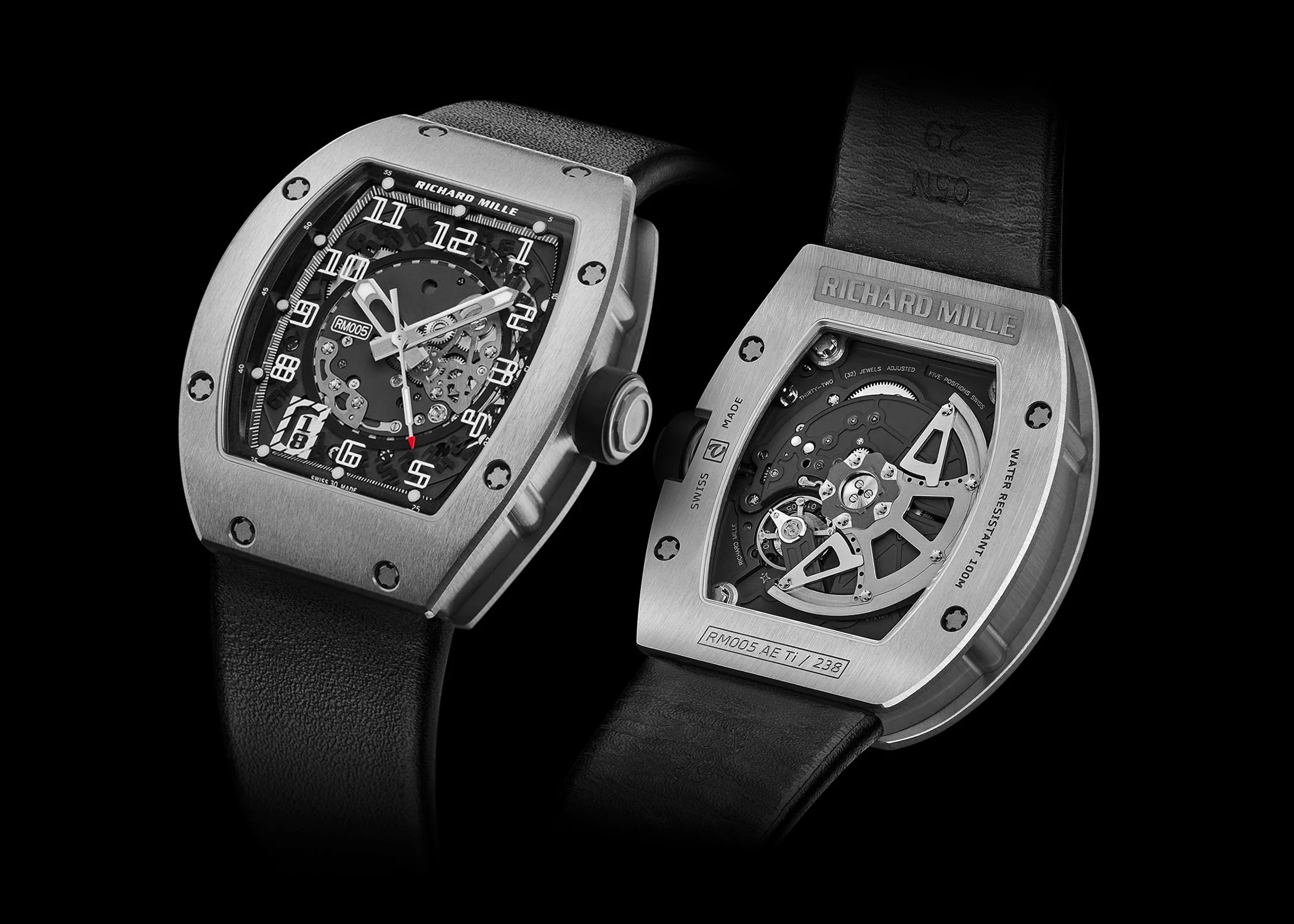
The magnificent and distinctive cases that are a Richard Mille signature element were first manufactured by neighbouring specialized supplier Donzé Baume according to Mille’s own sketches. Tonneau-shaped, they are unique in their ergonomic curvature, which allows them to comfortably hug the wrist regardless of the actual size.
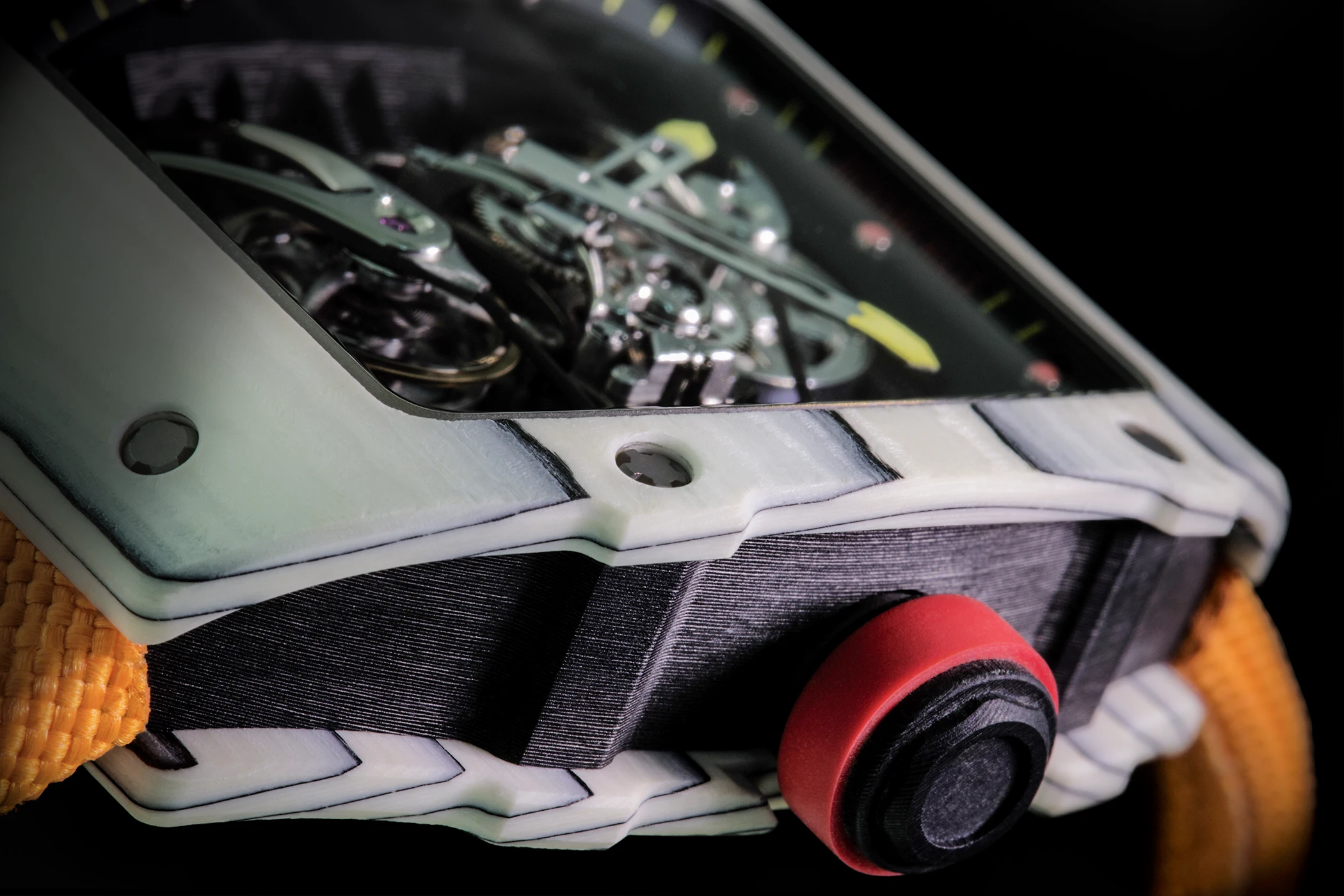
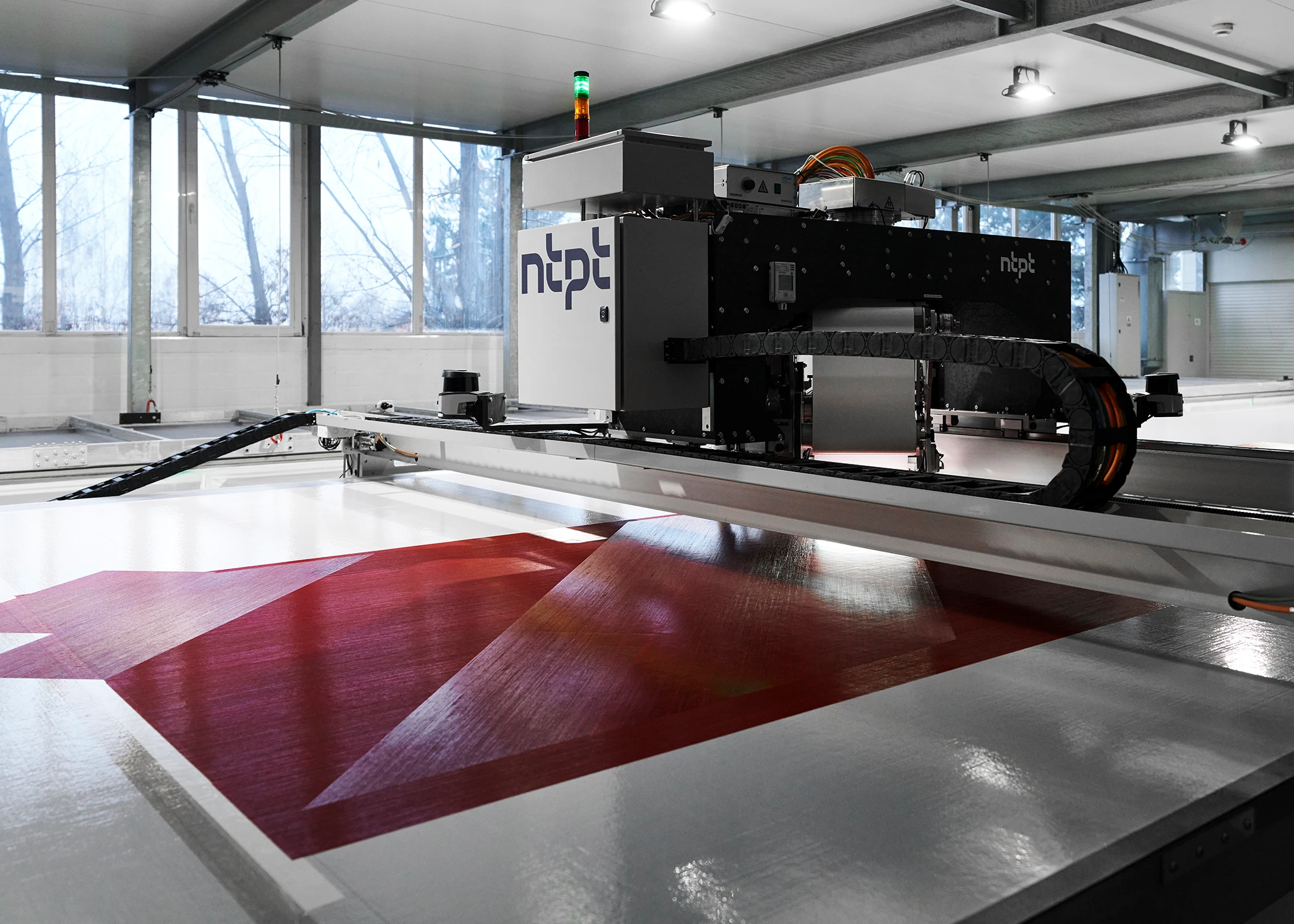
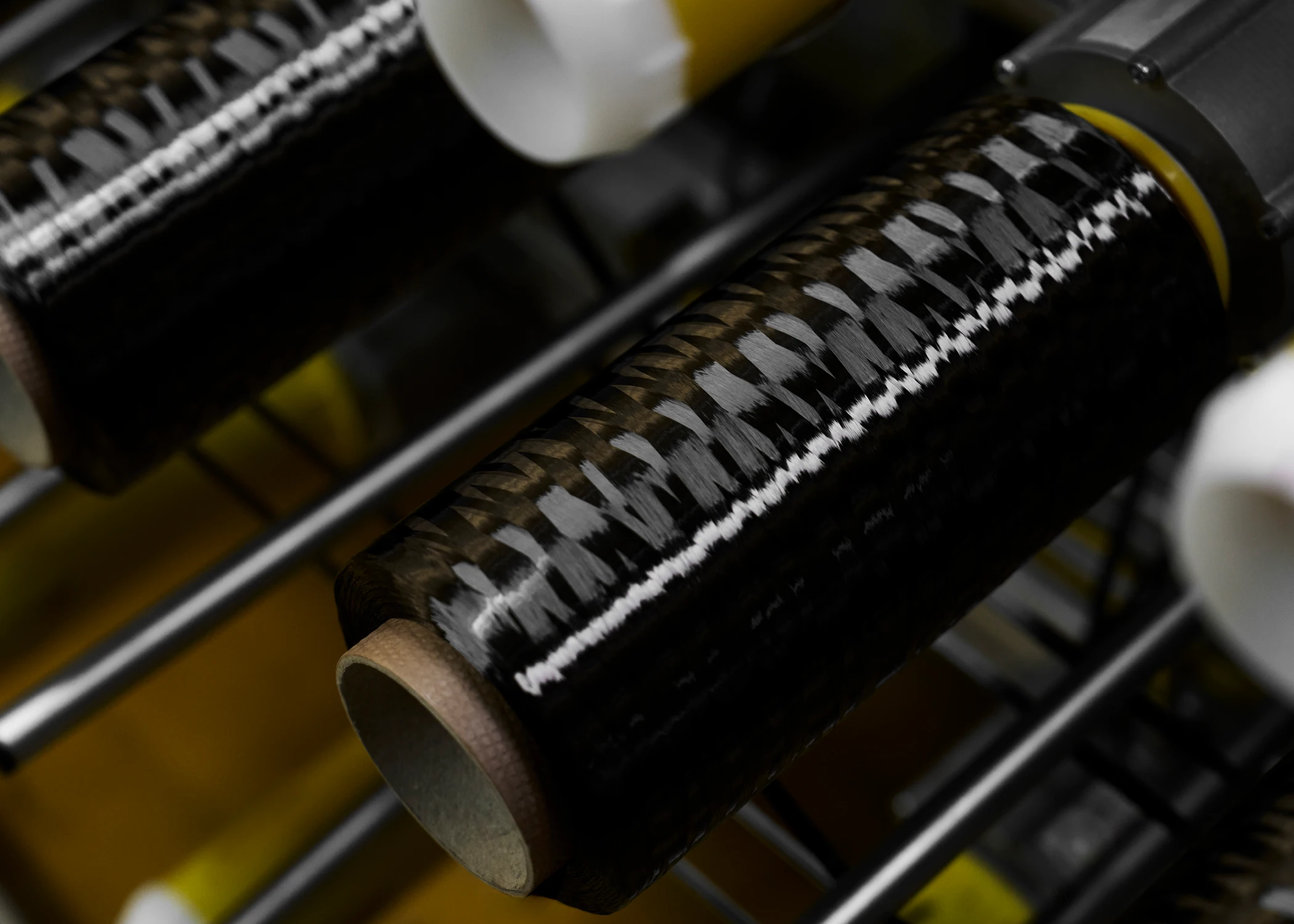
In 2007, Richemont bought Donzé Baume and Richard Mille was asked to find another supplier. To avoid such future dilemmas, Mille decided to bring case-making in-house, though as always, the company collaborates with cutting-edge suppliers to create materials such as Carbon TPT and Quartz TPT.
Today, we are used to Richard Mille introducing new materials to the watch industry; I cannot stress enough how novel this was at the time of their introduction.
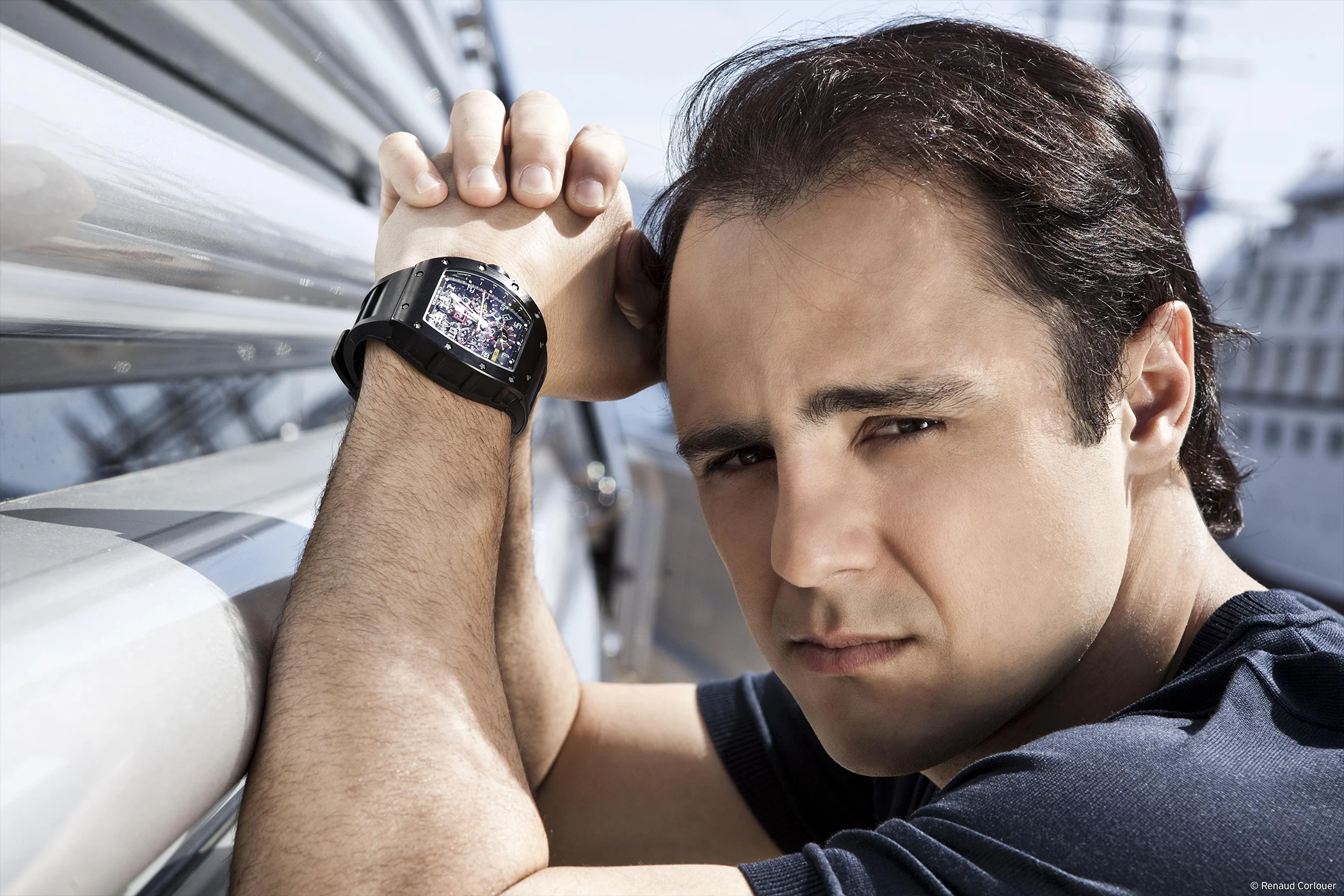
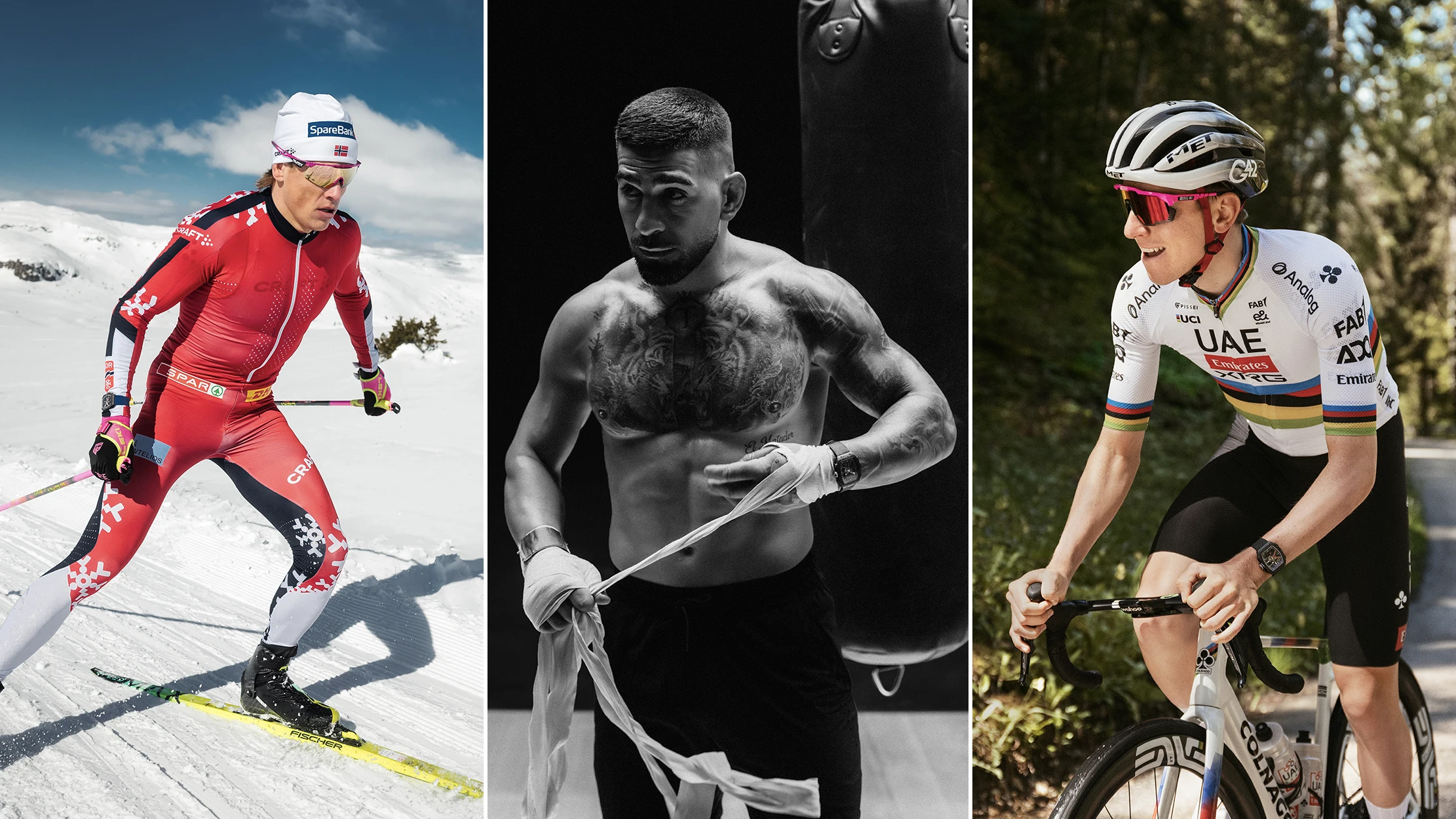
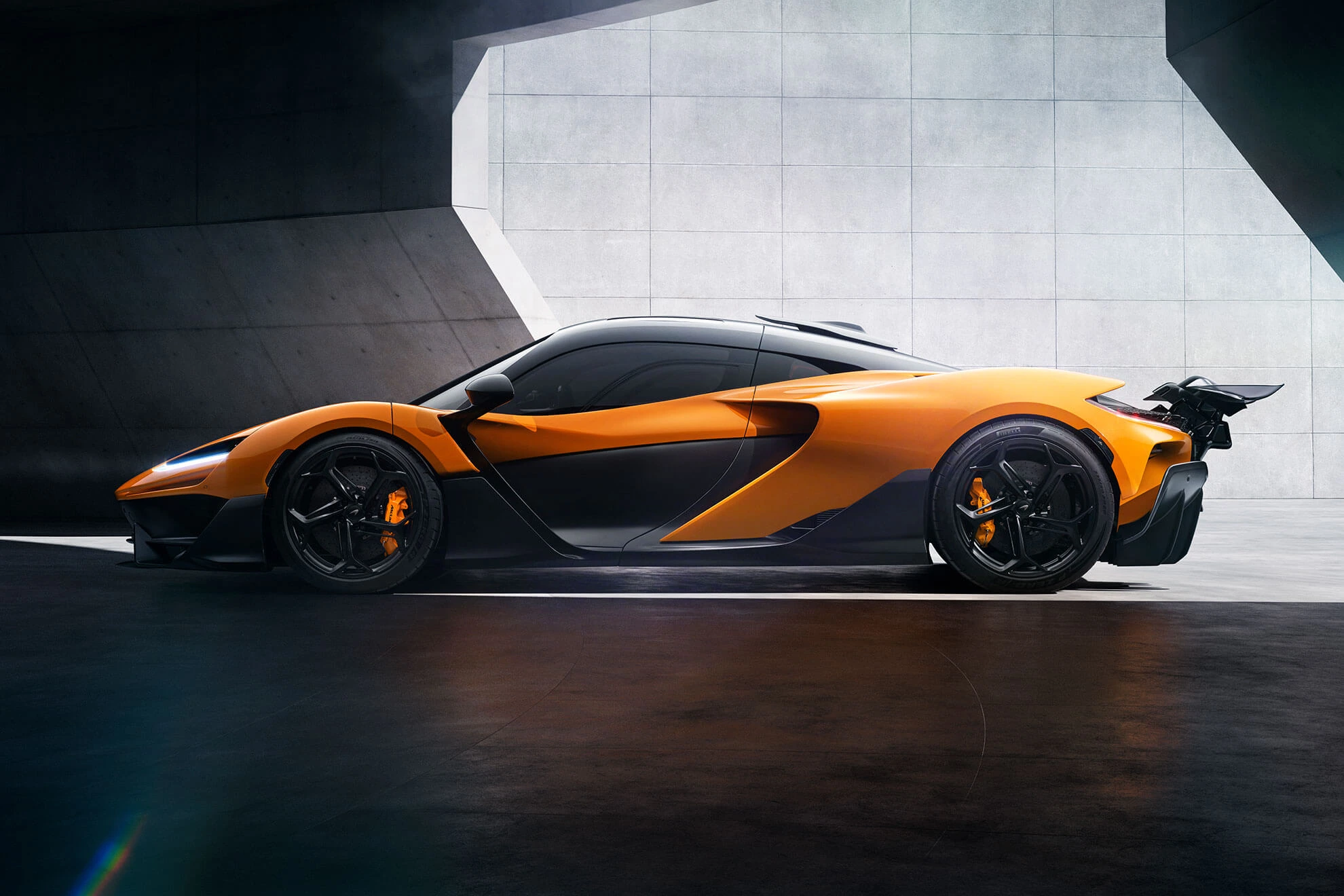
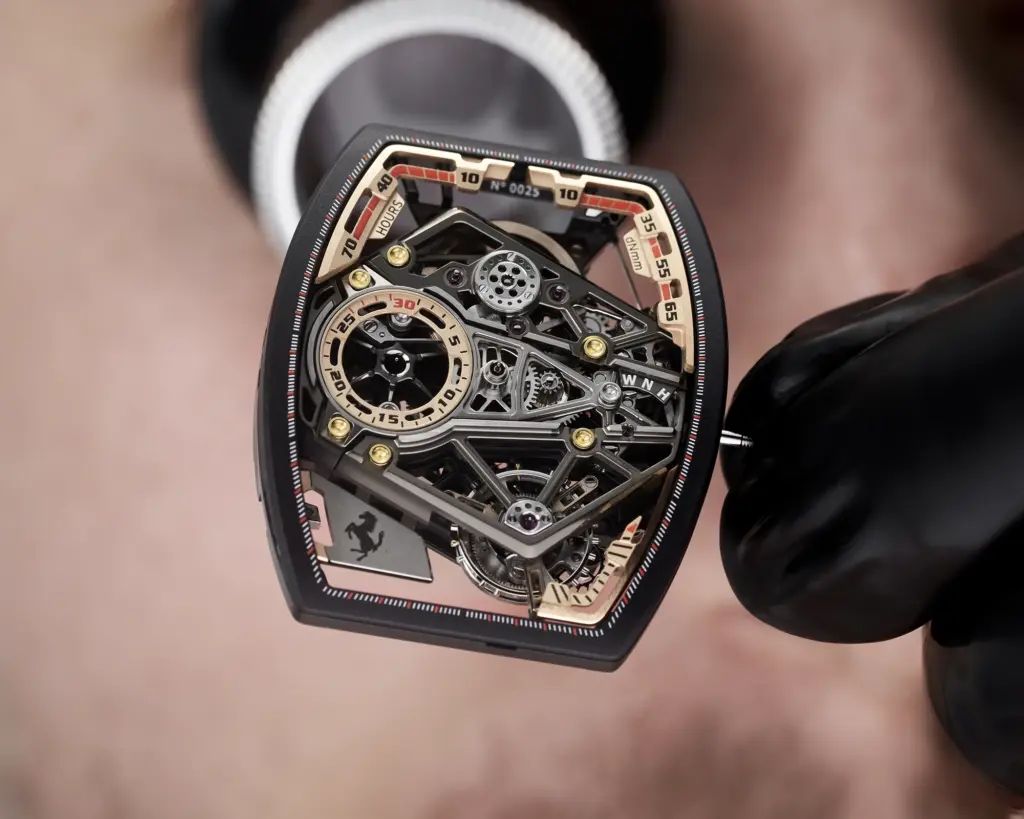
Richard Mille and Brazilian race car driver Felipe Massa are friends to this day, and Massa continues to represent the company, even though he retired from Formula 1 racing in 2017. In 2025, I spent a couple of days with the brand at a Ferrari-themed event and Massa also attended, chatting and laughing with everyone at meals, answering questions, taking selfies. “For us, it’s not about just a return on investment, it’s about building the long term. We’ve been with Felipe Massa for 20 years,” Amanda Mille, brand and partnerships director at Richard Mille, confirmed during the event.
Credit © Renaud Corlouer
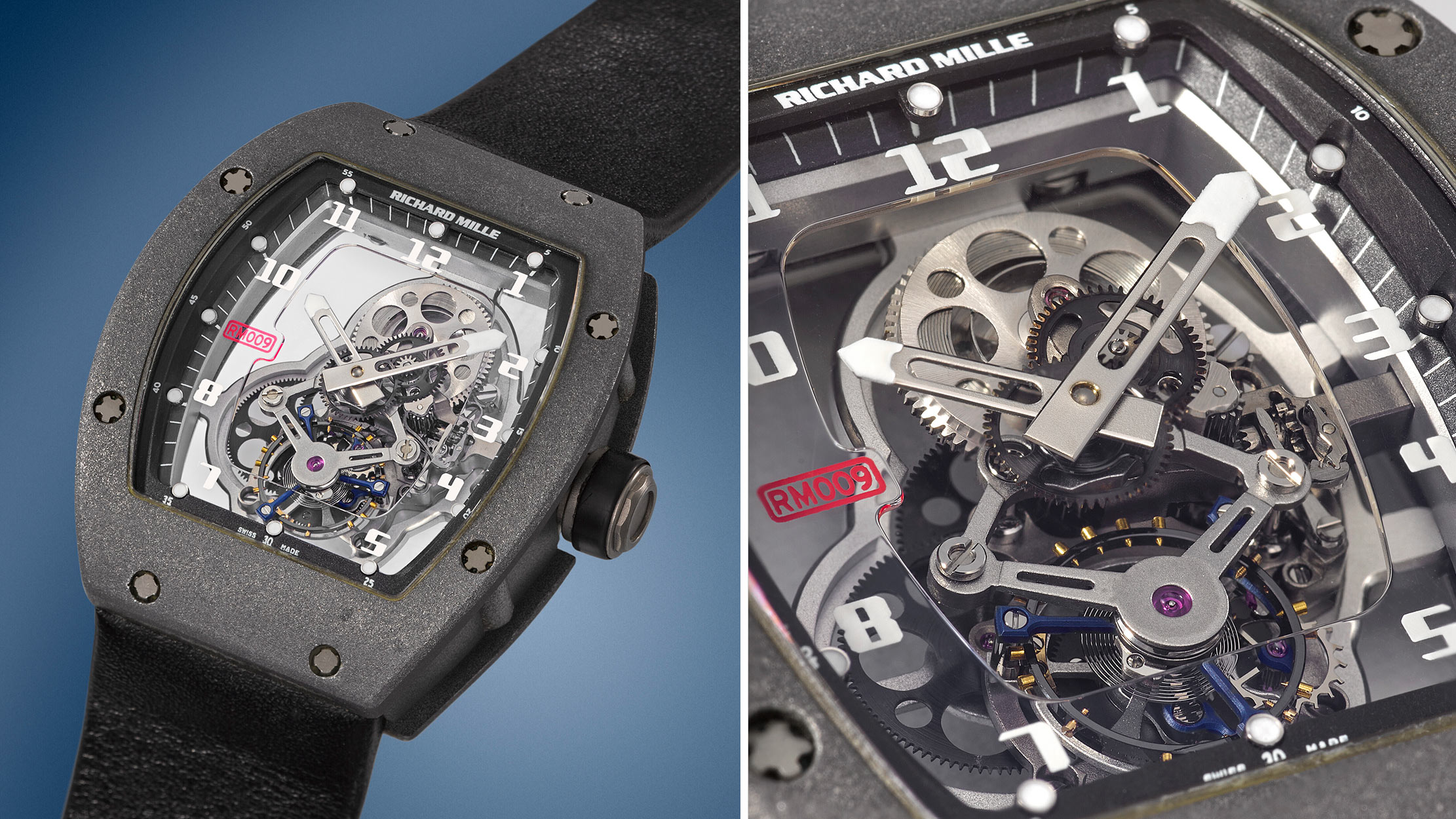
“You know, the RM 009 Felipe Massa, [then] the world’s lightest tourbillon wristwatch at 30 grams, was born from a challenge by Formula 1 race driver Felipe Massa,” Mille told me back then. “He asked me if I could make his RM 006, at 48 grams even lighter. As I mentioned before, every gram is weighed in F1, and this includes the driver and his watch. But making lighter watches is absolutely not my goal. It was born out of the desire to ‘go to the edge,’ not lightness in itself.”
Credit © Christies
Richard Mille explained at the time how his company developed watches: a design and concept is set out and followed, and the price is calculated afterwards. There is no compromise along the way; the watches continued being developed until Mille’s idea was realized. “There is no price point I try to stay under or within. Some people in the industry think this is insane; to me it is perfectly normal and logical for the product we are creating here.”
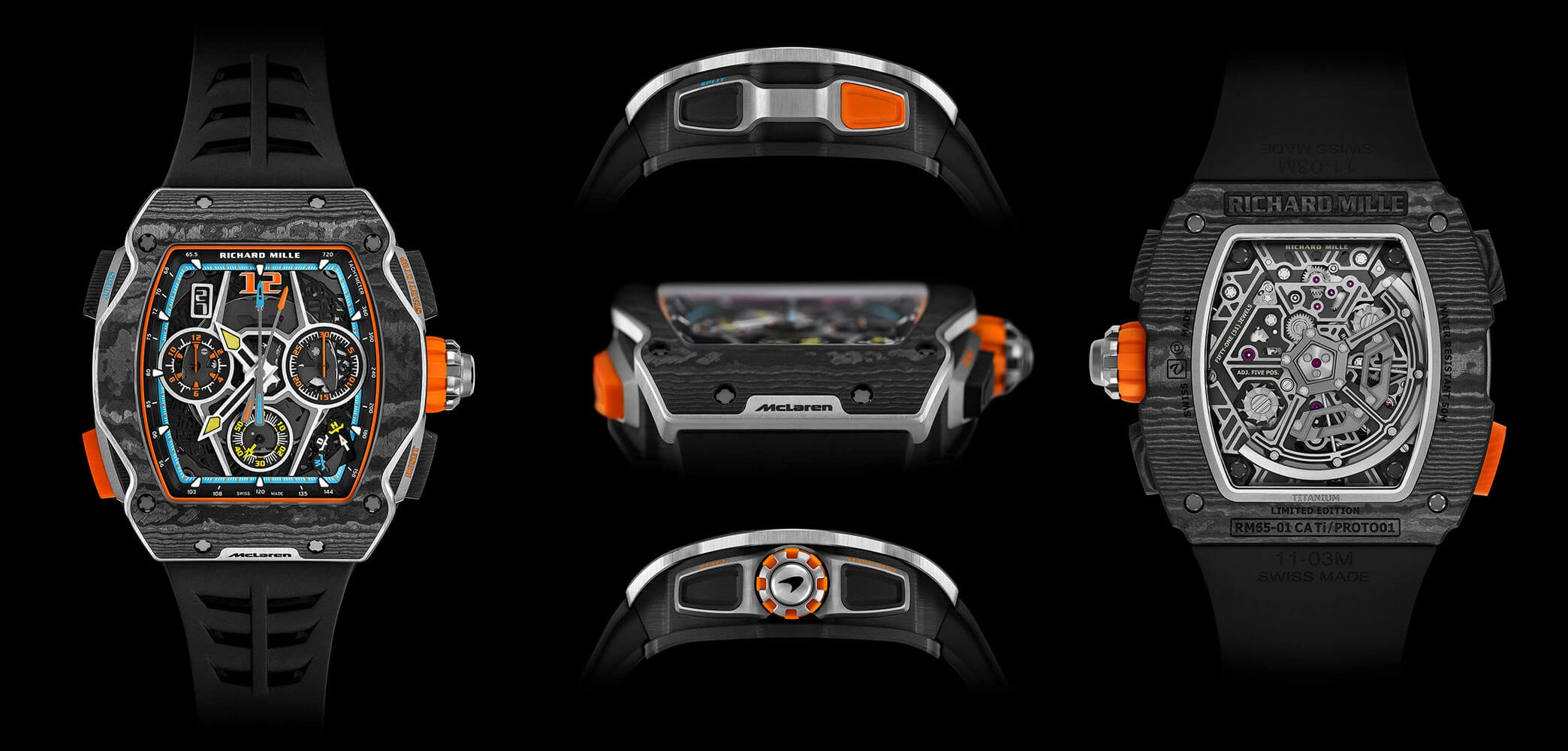
Richard’s son, Alexandre Mille, now in charge of the commercial aspects of the brand, says much the same thing 17 years later. “Prices are the consequence of time and effort. We don’t have a development budget. Some of them take six or seven years of development, but it can also be ten! We have 35 to 40 people only working on new developments, and as long as we are not satisfied with the result, we will not produce it.”
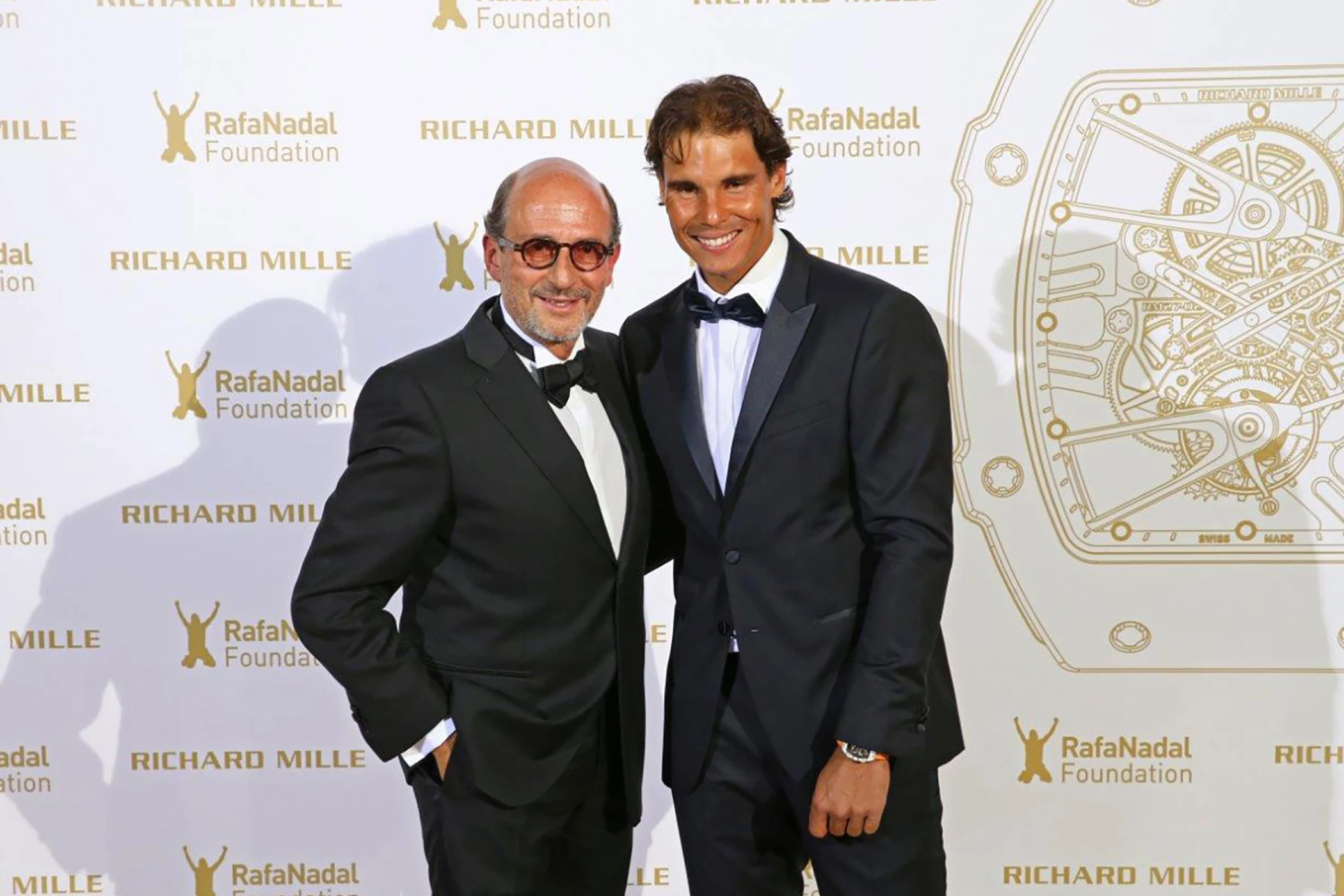
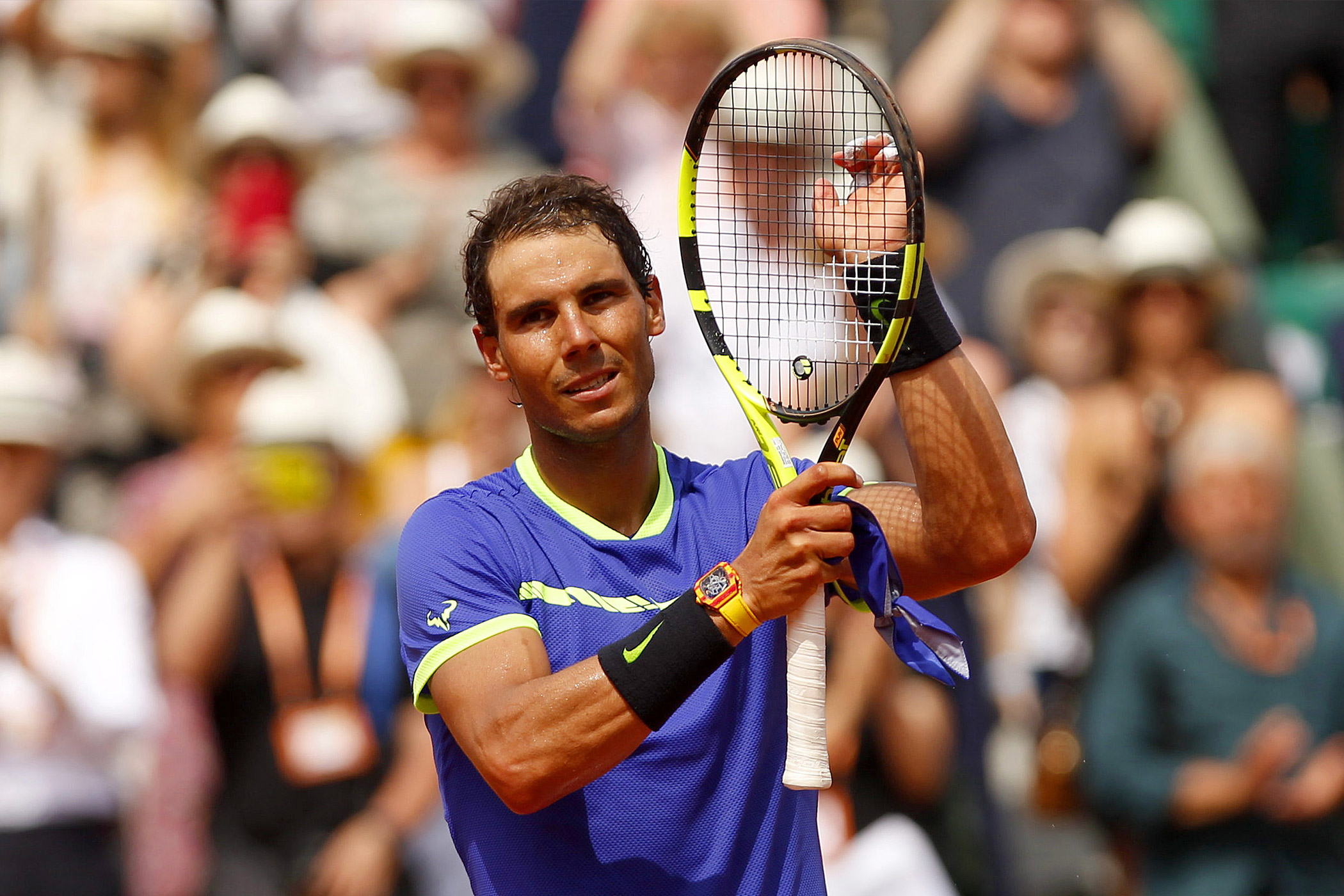
Introduced as a brand partner for the brand 16 years ago in 2010, tennis legend Rafael Nadal remains one of the better-known Richard Mille partnerships. And even though Nadal retired from professional tennis in 2024 that partnership also continues. I remember the beginning of this as if it were yesterday and one conversation sums it up perfectly: Richard Mille leaned over a shared lunch table, grinned, and said of Nadal’s watch, “It’s NASA!” We were in the President’s Room at the Queens Club in London, where in June 2010 Mille had gathered a few business partners and journalists to watch the semi-finals of the Aegon Queens Club tournament. Mille was talking about the watch Nadal was wearing, while describing Nadal “not as an ambassador, but a true partner.”
A month before that, at the French Open 2010, fans suddenly saw Nadal appearing on court wearing an obvious black watch on his right wrist – at the time, it was more than unusual for a tennis player to wear a watch during play. Then world number one Nadal wasn’t the first to do this, but he was definitely the first to make such an obvious statement of partnership. I cannot stress enough how unusual the entire situation was; tennis players just didn’t wear serious watches during match play. And especially not Nadal, who was very set in his routines.
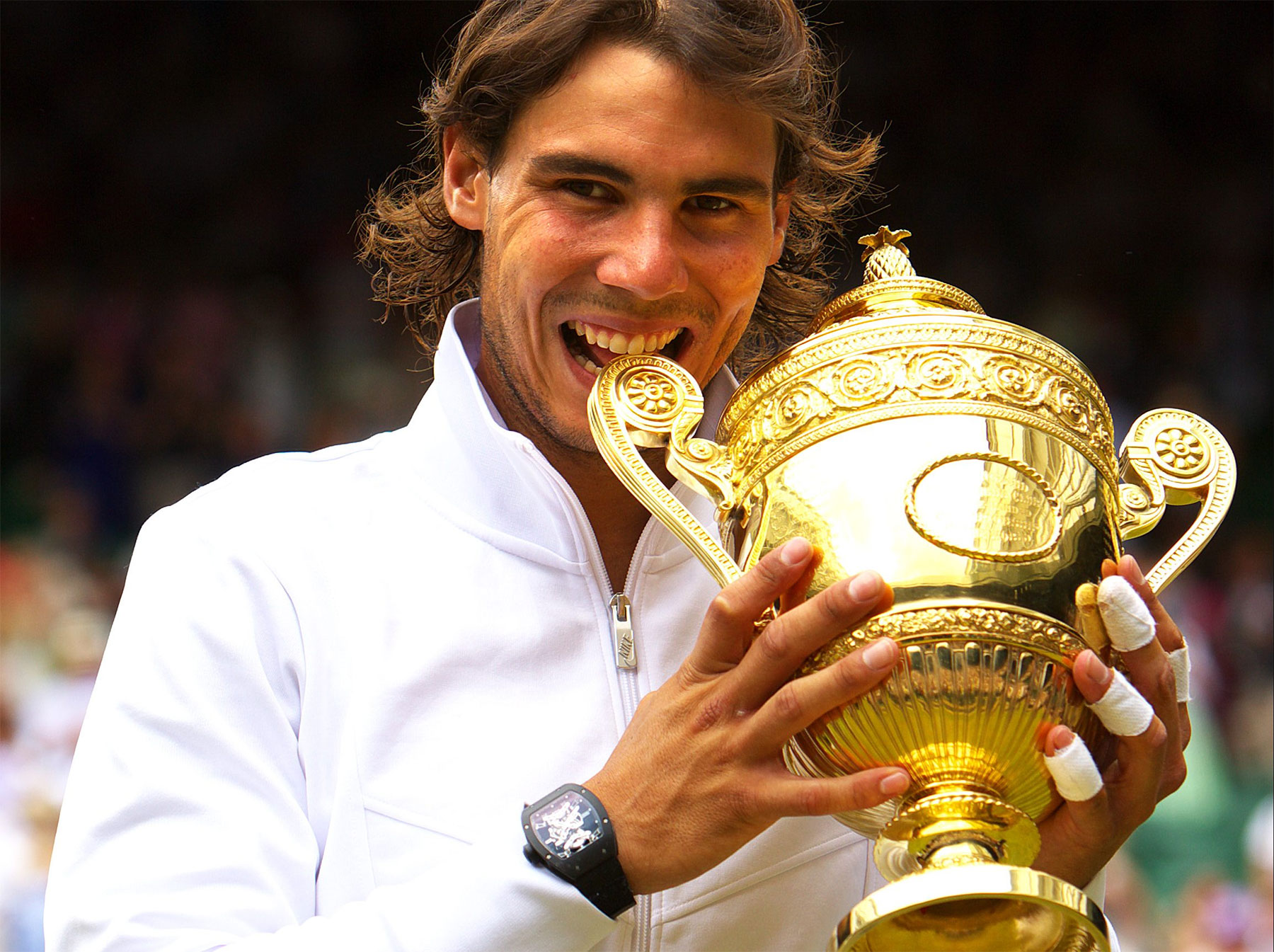
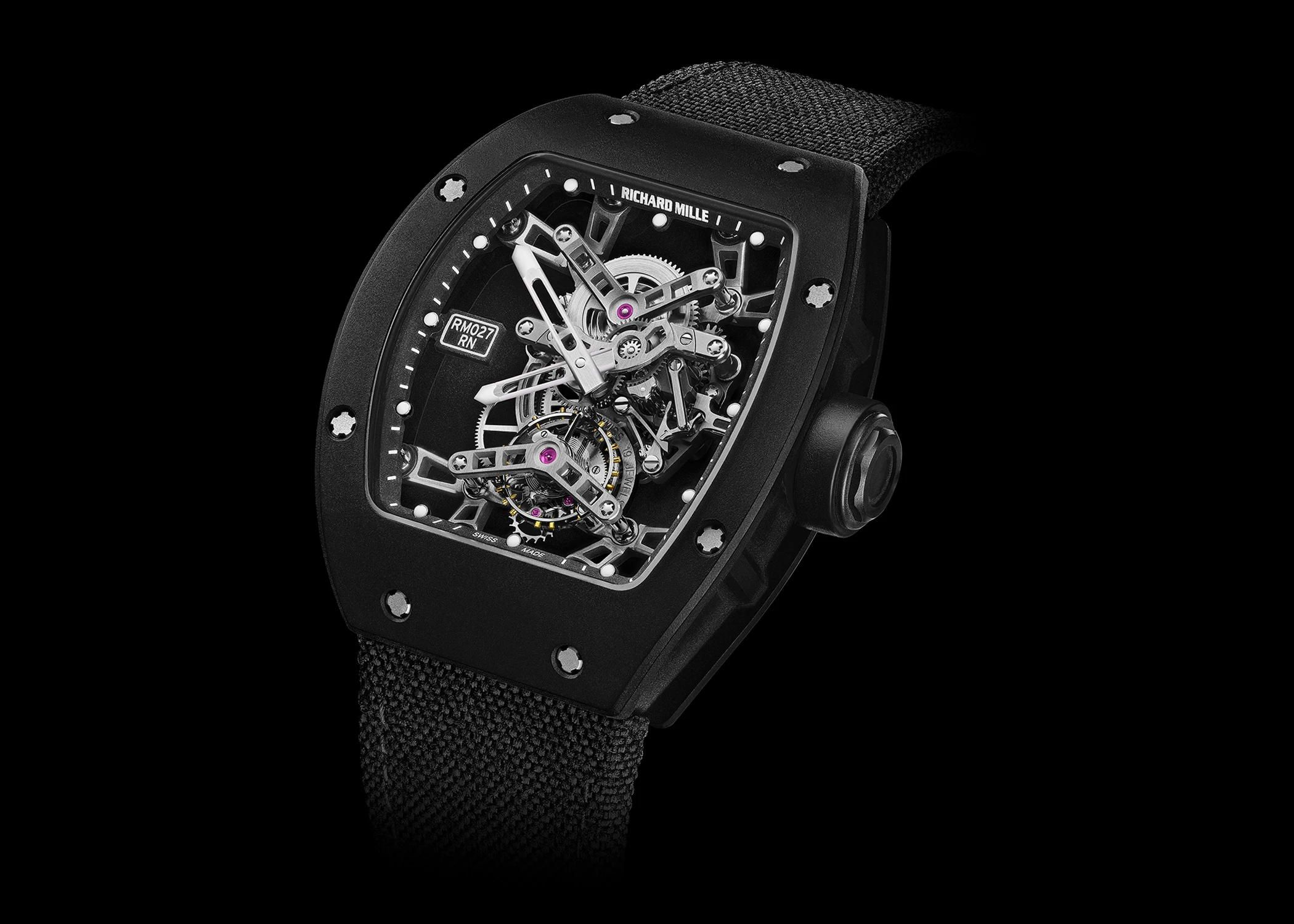
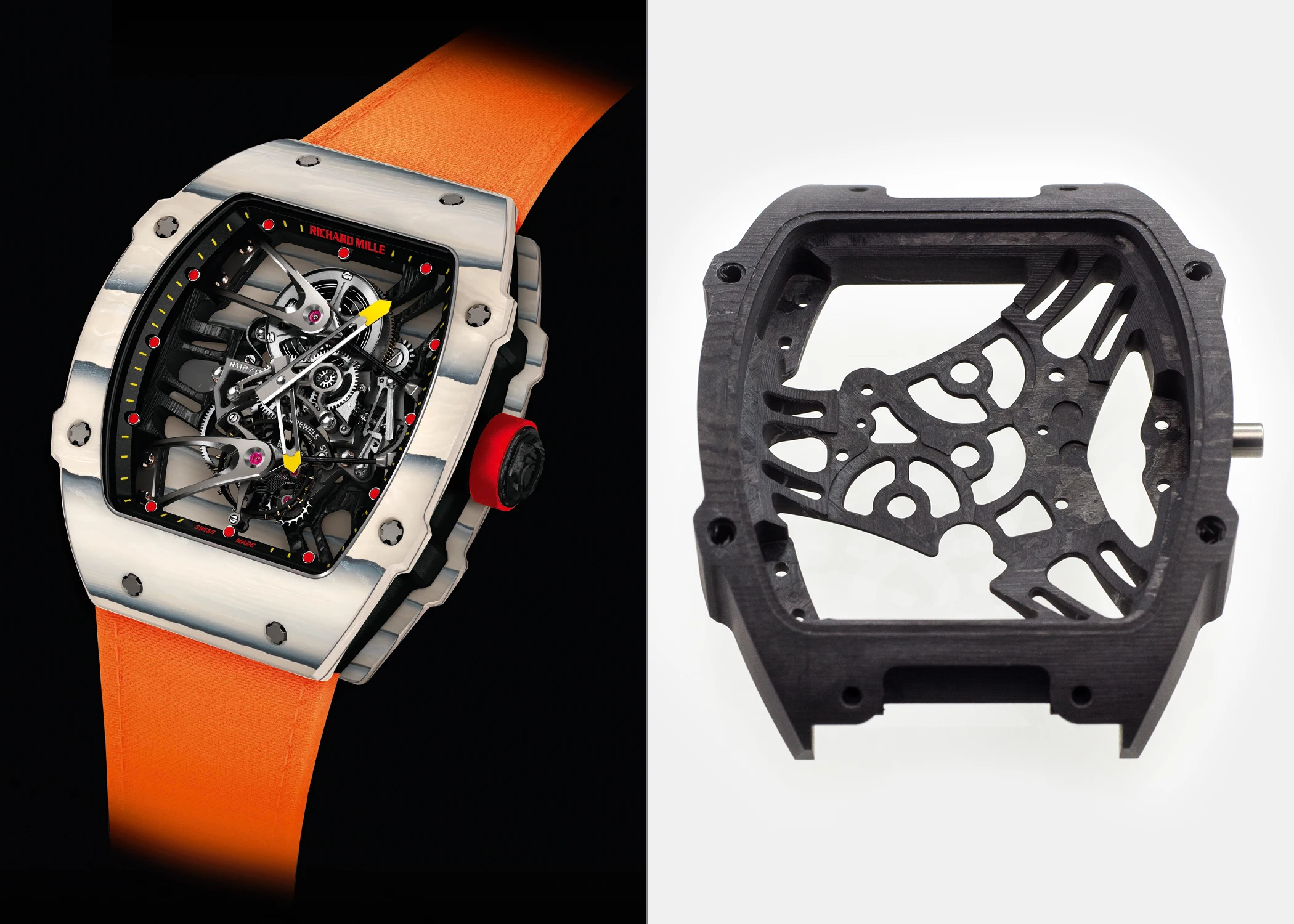
By the time Queens rolled around a fortnight after Nadal had won Roland Garros – one of his record 14 French Open titles – both the player and the watch had attracted considerable attention, not least because of the RM 027’s half-million-dollar price tag, an extraordinary sum for a minimalist, uncompromising sports watch.
Richard Mille easily explained that the price was justified because of the tourbillon and even more so because this watch was made to be worn during professional sports play and needed thousands of hours of development. Before Nadal debuted it publicly, the partners gave it a trial-and-error period on court of about nine months to discover its weak points, correct them, and make the watch light enough. Nadal broke six prototypes over the course of testing! The RM 027 Tourbillon Rafael Nadal weighed less than 20 grams, including its strap.
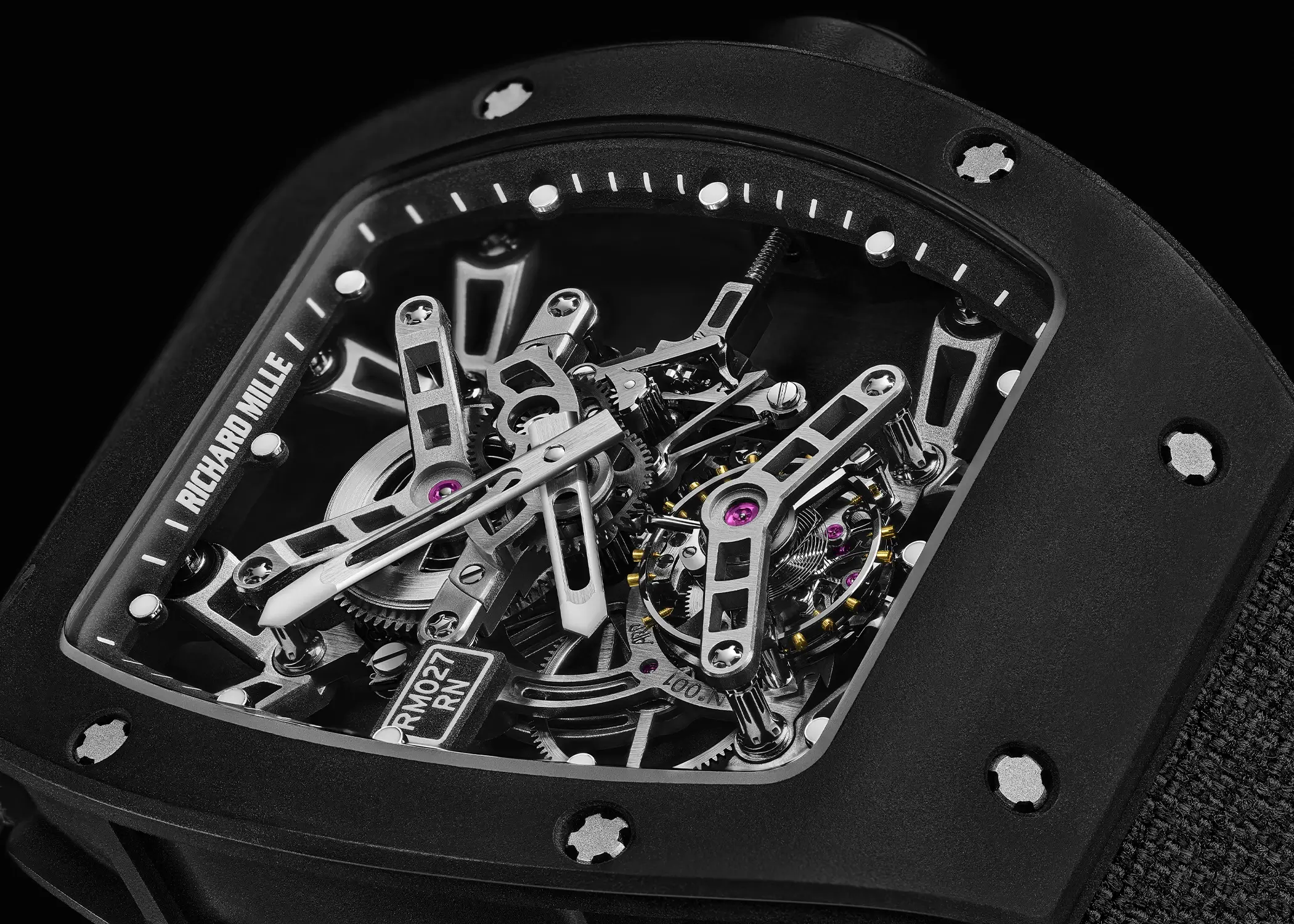
Achieving required lightness and ensuring accurate function, the watch contained a number of materials new to the watchmaking industry at the time, such as LITAL, an alloy of aluminium, lithium, copper, magnesium and zirconium. This alloy was also utilized in the aerospace industry (on the Airbus A380 and in helicopters, rockets and satellites) and in Formula 1 race cars.
“Divide all the R&D plus all the test watches needed by the 50 pieces that are available in the limited edition, and that is about the price that comes out,” Richard explained to me during the Queens tournament. “Whatever I have to invest [to achieve the result], is what I invest.”
If you want to find out more about Richard Mille’s groundbreaking Movements and Case Materials read here.
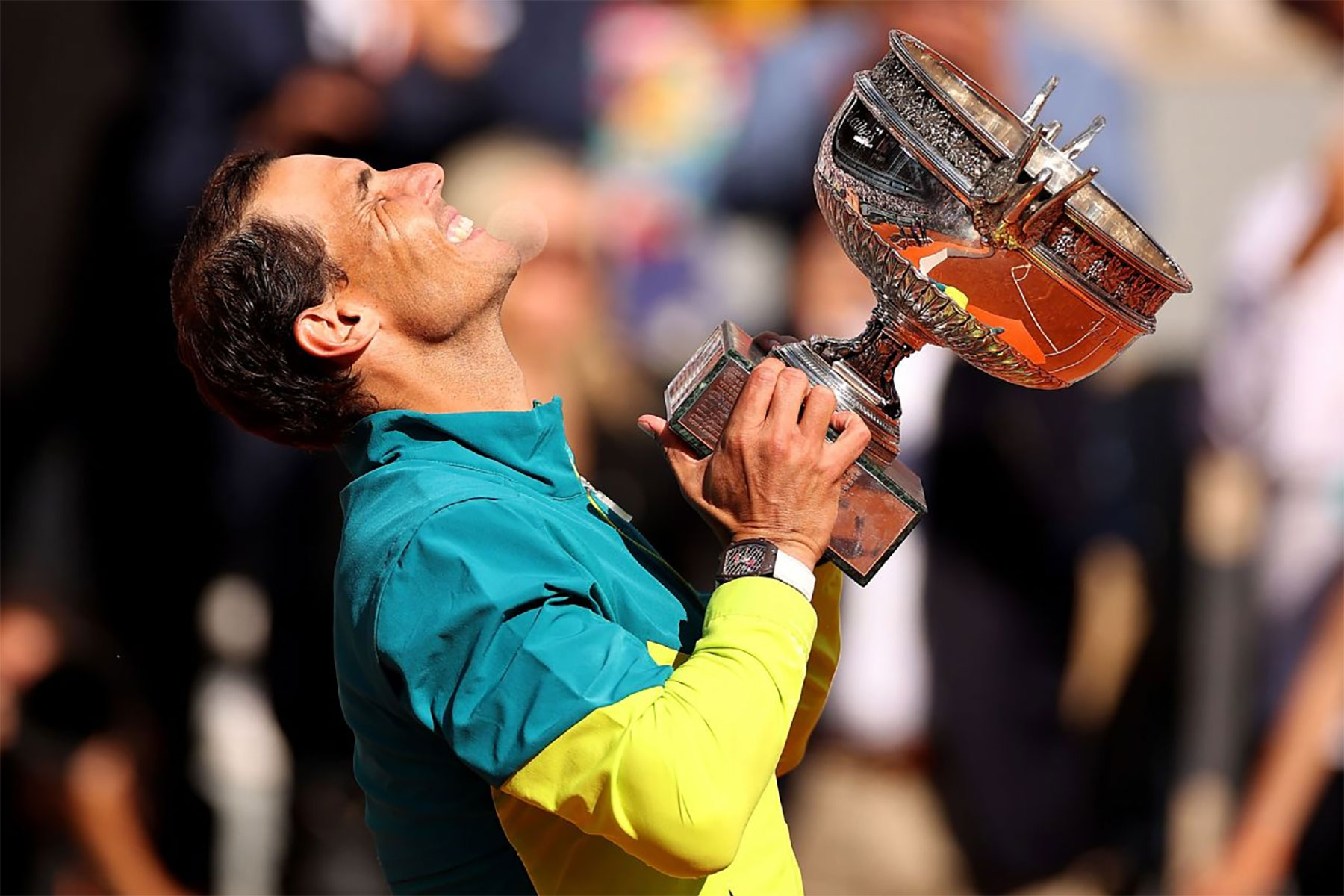
Richard Mille’s partnership with Rafael Nadal has certainly approached legendary status 16 years after the incredible RM 027 Tourbillon Rafael Nadal was first spotted at Roland Garros in 2010 when the “king of clay” won his fifth French Open wearing it.
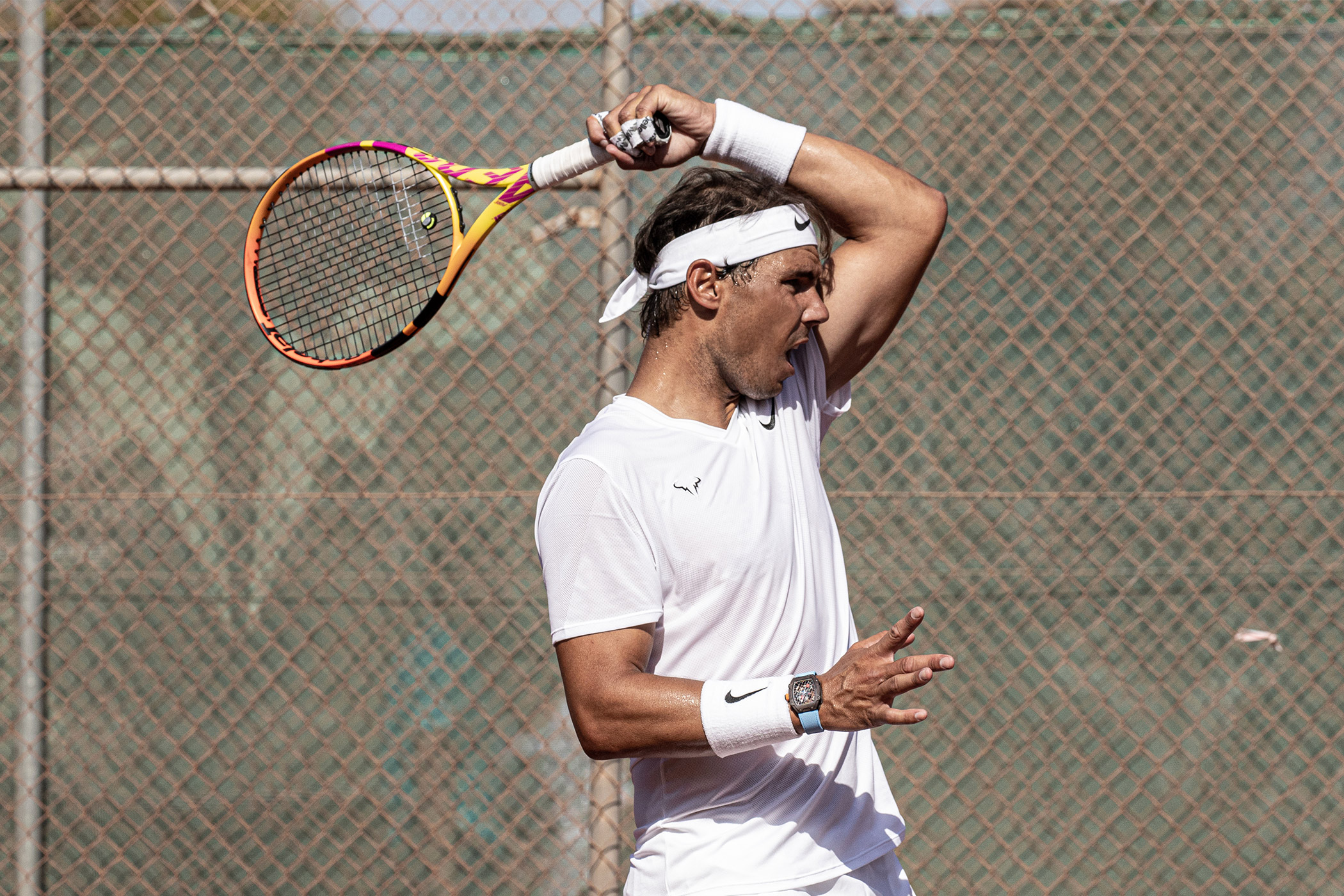
Nadal never does anything without conviction, so it soon became clear that this partnership was committed and real with Nadal wearing his watch day and night, whether on the tennis court, in the ice bath, or in the sauna. A watch by Richard Mille continues to be the legendary tennis player’s lucky charm and constant companion.
Richard Mille has since introduced nine more limited editions of watches in Nadal’s honour, which form two distinct families: the RM 027 line includes a tourbillon, while the RM 35 line comprises the so-called “Baby Nadals” – these are without tourbillons, but naturally still loaded with cool, avant-garde technology.
Richard Mille is as transparent as they come and never had any qualms about laying relationships and suppliers out on the table for all to see, an attitude that was not a given at that time. In fact, many well-known companies strove – and still strive – to keep the origins of many of their components out of the public. Richard Mille was at the forefront of a new generation of brands no longer subscribing to secrecy.
In this day and age of available information, such an honest attitude might be considered key; 25 years ago it was a choice that only few made. “This is the way the industry has worked in Switzerland since the seventeenth century. Every mountain and valley had some specialist for a particular part – gear train wheels, pinions, base plates, pallets, etc. And this meant that the quality was very high. The fad for manufactures today is a kind of fallacy; why make something ‘in-house’ when there are experts out there who can do it better? Just to be able to use the word manufacture? The whole manufacture craze was developed only as a counter reaction to those people who were dropping pre-assembled movements into cases and selling them at high prices,” Mille told me.
“I prefer to use the best people to manufacture my watches, while I keep total control of the concept, design, and every other aspect around it. Architects do the same, don’t they? They design the house, and the expert bricklayers and carpenters build it. A good architect is not necessarily a good bricklayer,” he laughed.
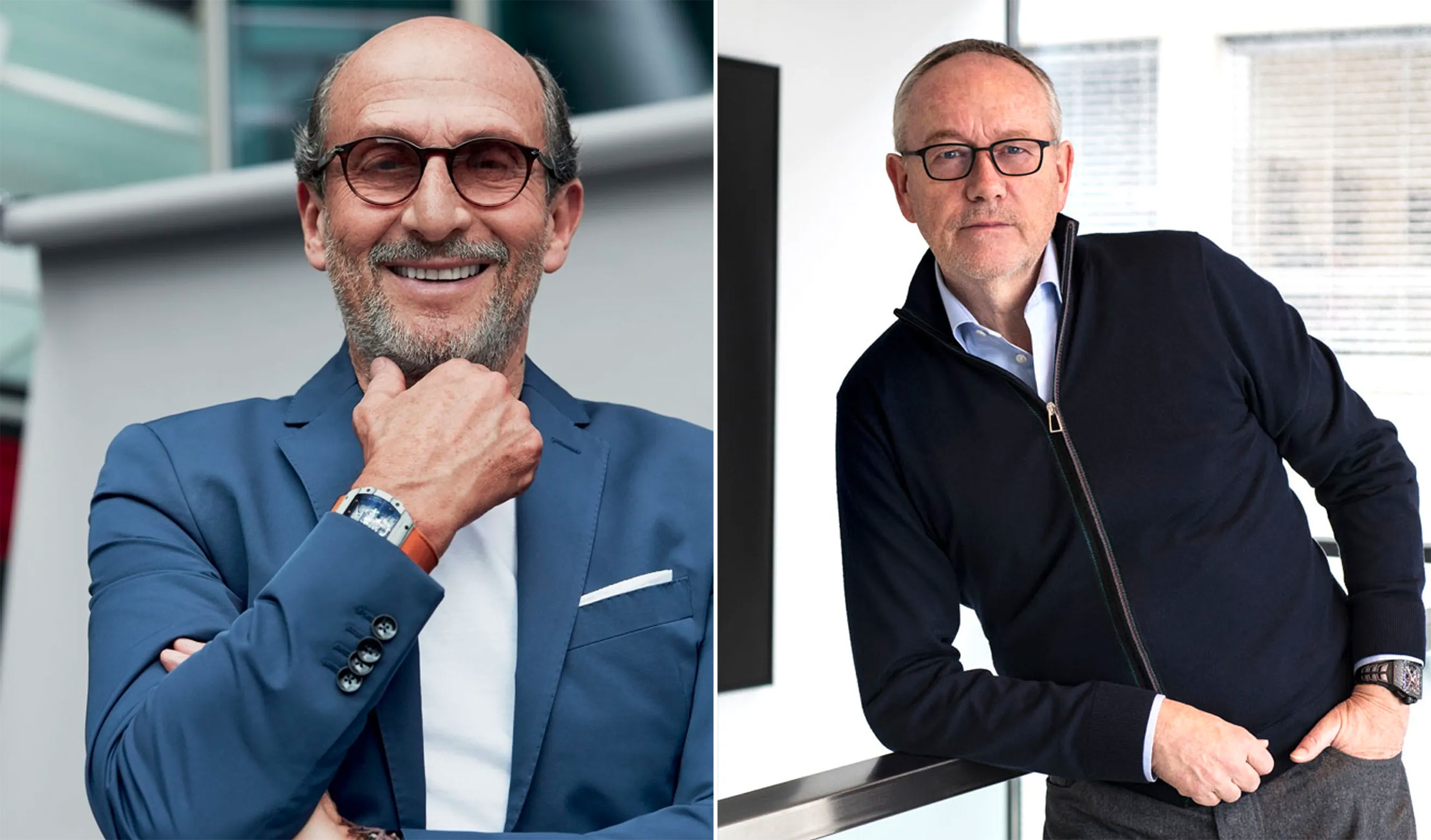
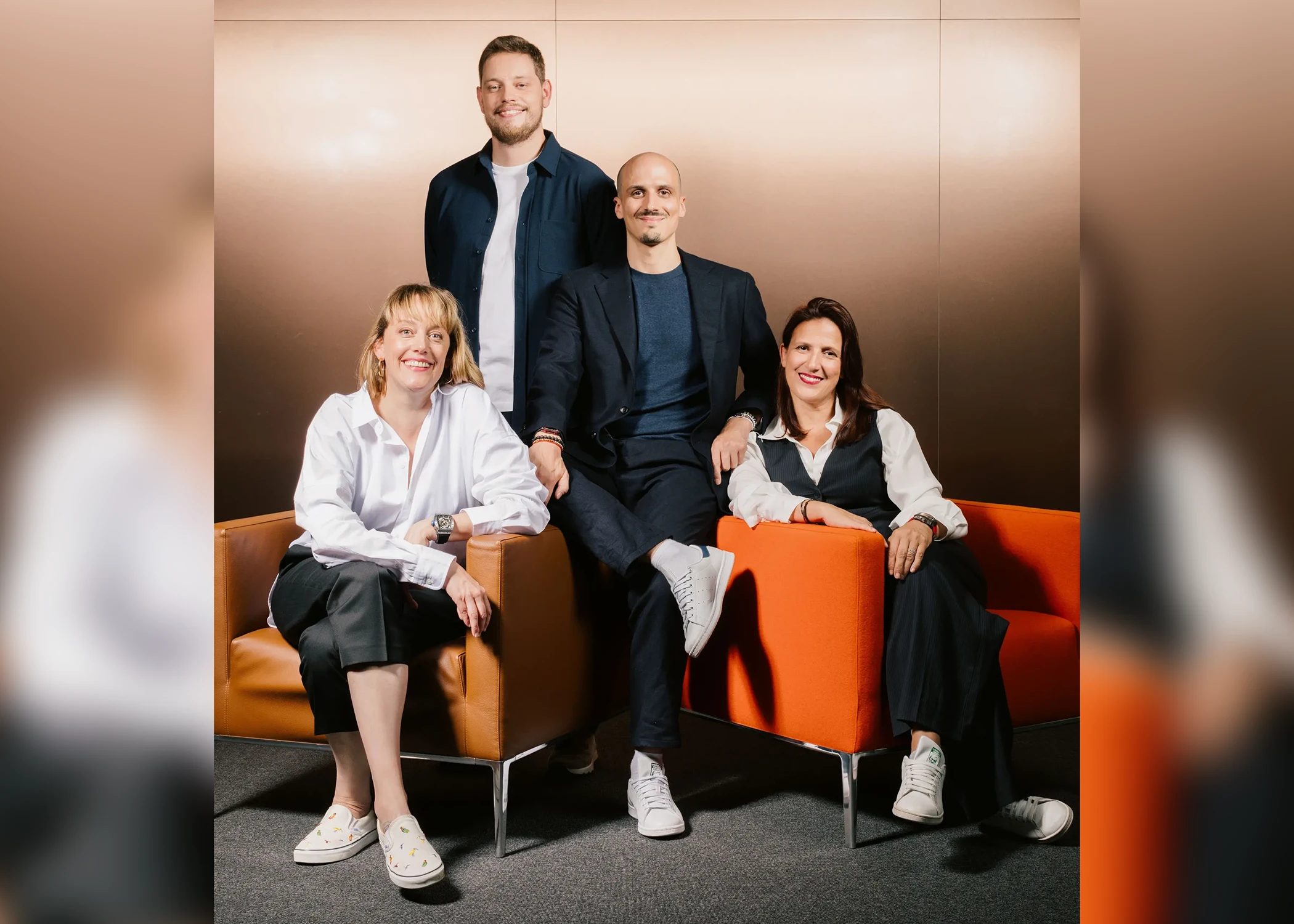
Today, Richard Mille is still family led. Two of Richard’s children each lead important departments: Amanda Mille is brand and partnerships director, while her brother Alexandre is the commercial director. The children of Mille’s business partner Dominique Guenat lead two more significant departments: Cécile Guenat is the creative and development director, while her brother Maxime is the general director of Valgine (essentially production).
“During the Covid pandemic, my father called me and my sister Amanda and said that it is our turn now,” Alexandre relates. “So he reduced his leadership already in 2021/2022. We have monthly development meetings, and he has participated less and less – and in January of 2023 he completely stepped back. The process is very organic, we have very good synergy with my sister, Cécile, and Maxime. We lead together a very good team, with some of them having worked with my father since day one. Cécile is in charge of the creation and development, she and her team show us each month what they have come up with, and we discuss everything. Maxime is in charge of the production and finance, and Amanda is in charge of the events and partners.”
These four could not be better choices to continue guiding this company the same way Richard Mille and Dominique Guenat would have – with constant surprise. “All decisions are made mutually. If there are different opinions, we simply talk until we agree on a solution,” Alexandre Mille explains.
“In the end the four of us need to trust and rely on each other. For sure every one of us has his or her own opinion about partnerships for the brand, which we vividly discuss. But Amanda is in charge of partnerships and therefore knows this field best, so we tend to trust her judgement. Same with commercial decisions like new boutiques. We discuss every single thing, but I am responsible for this part of our business. You know, we did not arrive here by fluke, we were not just put here – there was a long process of training beforehand.”